Why Edge Cracking Needs Immediate Attention
Small cracks today can lead to massive structural failures tomorrow. Understanding the science of asphalt degradation is key to property longevity.
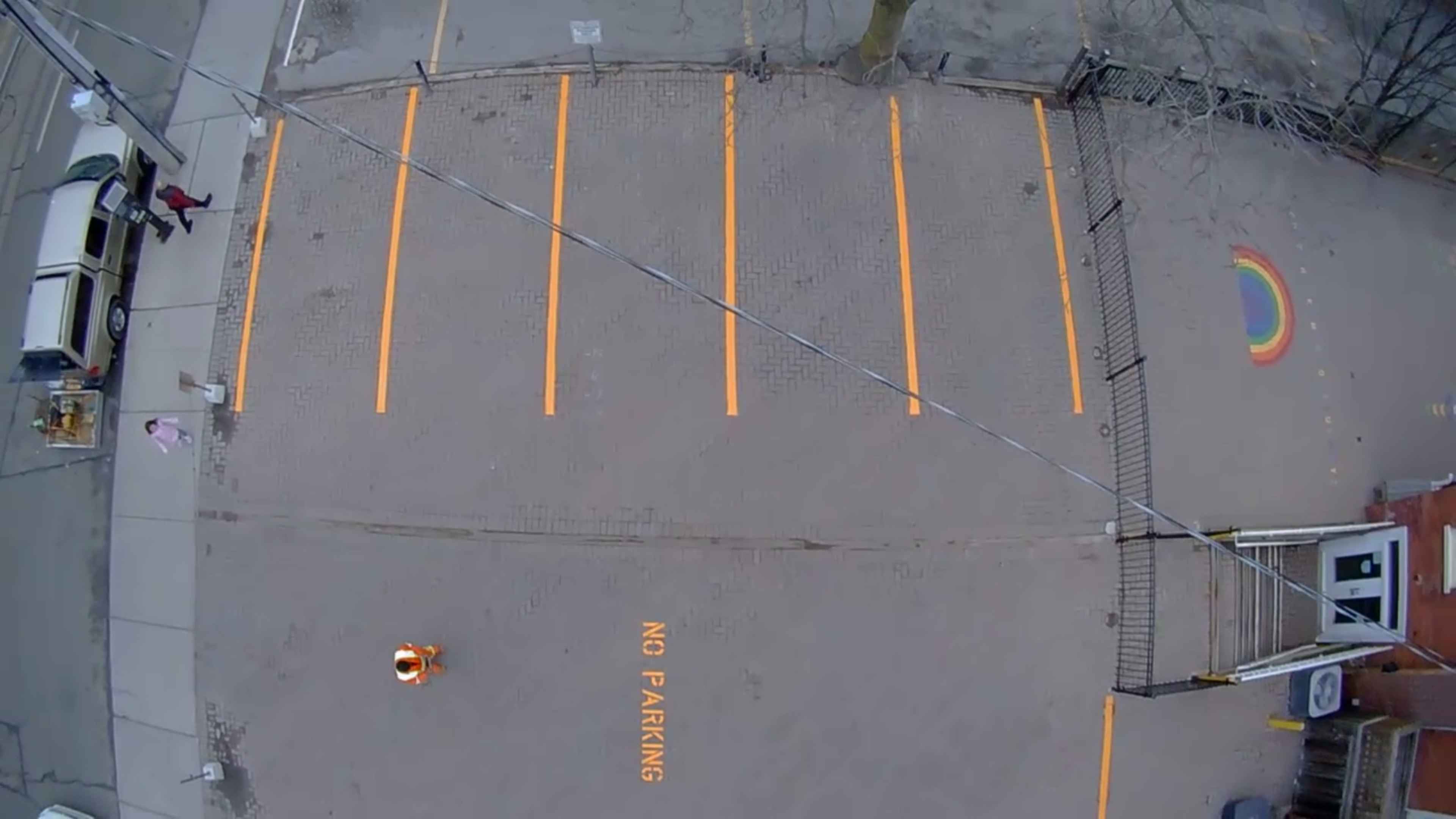
For property owners and facility managers, a parking lot is often the first thing a customer sees. While many focus on the aesthetics of Line Painting to guide traffic, there is a much more critical structural issue that often goes unnoticed until it is too late: edge cracking. If you own commercial property in Barrie, you know that our changing seasonal temperatures can wreak havoc on asphalt surfaces.
Edge cracking occurs when the perimeter of your asphalt pavement begins to separate from the surrounding soil, curb, or landscape. While it might look like a minor nuisance, it is actually a warning sign that the structural integrity of your entire lot is at risk. At Capital Parking Lot Line Painting, we have seen firsthand how ignoring these small fissures leads to exponentially higher repair costs down the road.
The Science Behind the Crack
Asphalt is a flexible pavement, but it has its limits. Edge cracking is typically caused by a combination of factors that compromise the stability of the pavement's edge. These include:
1. Moisture Infiltration
When cracks form at the edge, water begins to seep into the sub-base. In a city like Barrie, where freeze-thaw cycles are frequent, that water expands as it turns to ice, pushing the asphalt apart and widening the gap. This cycle repeats every year, making the crack larger and deeper.
2. Lack of Lateral Support
The edges of a parking lot are the most vulnerable points because they lack the weight and pressure of the surrounding asphalt to hold them in place. Without proper compaction or edge restraint, the asphalt naturally wants to spread outward.
3. Heavy Vehicle Traffic
Vehicles turning sharply at the edges of a lot put immense torsional stress on the pavement. This lateral movement can easily snap the edge of a weakened asphalt section.
The Dangers of Delaying Repairs
Many property managers fall into the trap of thinking that edge cracking is purely cosmetic. However, delaying professional intervention can lead to several critical issues:
- Sub-base Erosion: Water entering cracks washes away the fine materials in your base, creating hollow pockets.
- Pothole Formation: Once the sub-base is compromised, the weight of a vehicle will cause the surface to collapse entirely.
- Liability Risks: Large cracks and potholes create tripping hazards for pedestrians and damage risks for vehicles.
- Complete Resurfacing: What could have been fixed with a simple seal or patch often turns into a full mill-and-overlay project.
The Role of Line Marking in Maintenance
While Line Marking is primarily used for safety and organization, it plays a subtle role in the overall health of your lot. High-quality Line Painting helps define the boundaries of the driving lanes, which can help guide drivers to stay within the reinforced center of the asphalt, reducing the amount of heavy-duty turning performed directly on the vulnerable edges.
Capital Parking Lot Line Painting recommends a holistic approach to maintenance. Do not just paint the lines; inspect the pavement. If you notice cracks appearing near your newly painted lines, it is time to call in the experts.
How to Handle Edge Cracking
If you have identified cracking at the perimeter of your lot, follow these steps to mitigate damage:
- Document the Area: Take photos to track whether the crack is growing over time.
- Clean the Debris: Ensure no vegetation or dirt is growing inside the crack, as roots can accelerate the damage.
- Consult Professionals: Reach out to Capital Parking Lot Line Painting for a structural assessment.
- Apply Sealants: Use professional-grade crack fillers to prevent moisture from entering the sub-base.
Quick Summary
Don't wait for a total pavement failure. Addressing edge cracks early preserves your investment and ensures your parking lot remains safe for all users.