Why Ignoring Small Cracks Can Lead to Full Surface Replacement
Small imperfections in your pavement are more than just eyesores; they are early warning signs of structural failure that can cost you a fortune if left unaddressed.
The Deceptive Nature of Asphalt Cracks
To the untrained eye, a hairline fracture in a parking lot or driveway might seem like a minor cosmetic issue. You might think, "It's just a tiny crack; it doesn't affect the usability of the space." However, in the world of pavement management, these small fissures are the beginning of a destructive cycle. For property owners in Burlington, understanding the lifecycle of asphalt is crucial to protecting your long-term investment.
Asphalt is a flexible pavement, meaning it is designed to expand and contract with temperature changes. However, once a crack forms, the integrity of the entire surface is compromised. These openings act as gateways for water, salt, and debris to penetrate the sub-base of your parking lot. Once the foundation is weakened, the surface loses its ability to support heavy vehicle loads, leading to rapid deterioration.
The Domino Effect: From Crack to Crater
When water enters a small crack, it doesn't just sit there. In Ontario's volatile climate, that water undergoes freeze-thaw cycles. When the temperature drops, the water turns to ice and expands, exerting immense pressure from beneath the surface. This process, known as frost heave, widens the crack and pushes the asphalt upward.
As the cracks grow, they often lead to potholes and alligator cracking—a pattern that looks like the scales of a reptile. At this stage, the damage is no longer localized. Capital Parking Lot Line Painting experts often observe that by the time a client notices significant potholes, the underlying base has already suffered extensive damage. What could have been fixed with a simple crack fill now requires a massive structural overhaul.
Common Mistakes in Pavement Maintenance
Many property managers fall into the trap of reactive maintenance rather than proactive care. Avoiding maintenance to save on immediate costs often results in much higher expenses down the road. Here are the most common mistakes to avoid:
- Ignoring Seasonal Changes: Failing to seal cracks before the harsh winter months in Burlington.
- Neglecting Line Marking: Poorly defined line marking can lead to vehicle accidents, which in turn causes physical damage to the pavement edges.
- Delaying Sealcoating: Skipping the protective sealcoat leaves the asphalt vulnerable to UV oxidation and oil spills.
- Mismanaging Drainage: Allowing water to pool in low spots, which accelerates the erosion of the sub-base.
The Role of Professional Line Marking and Maintenance
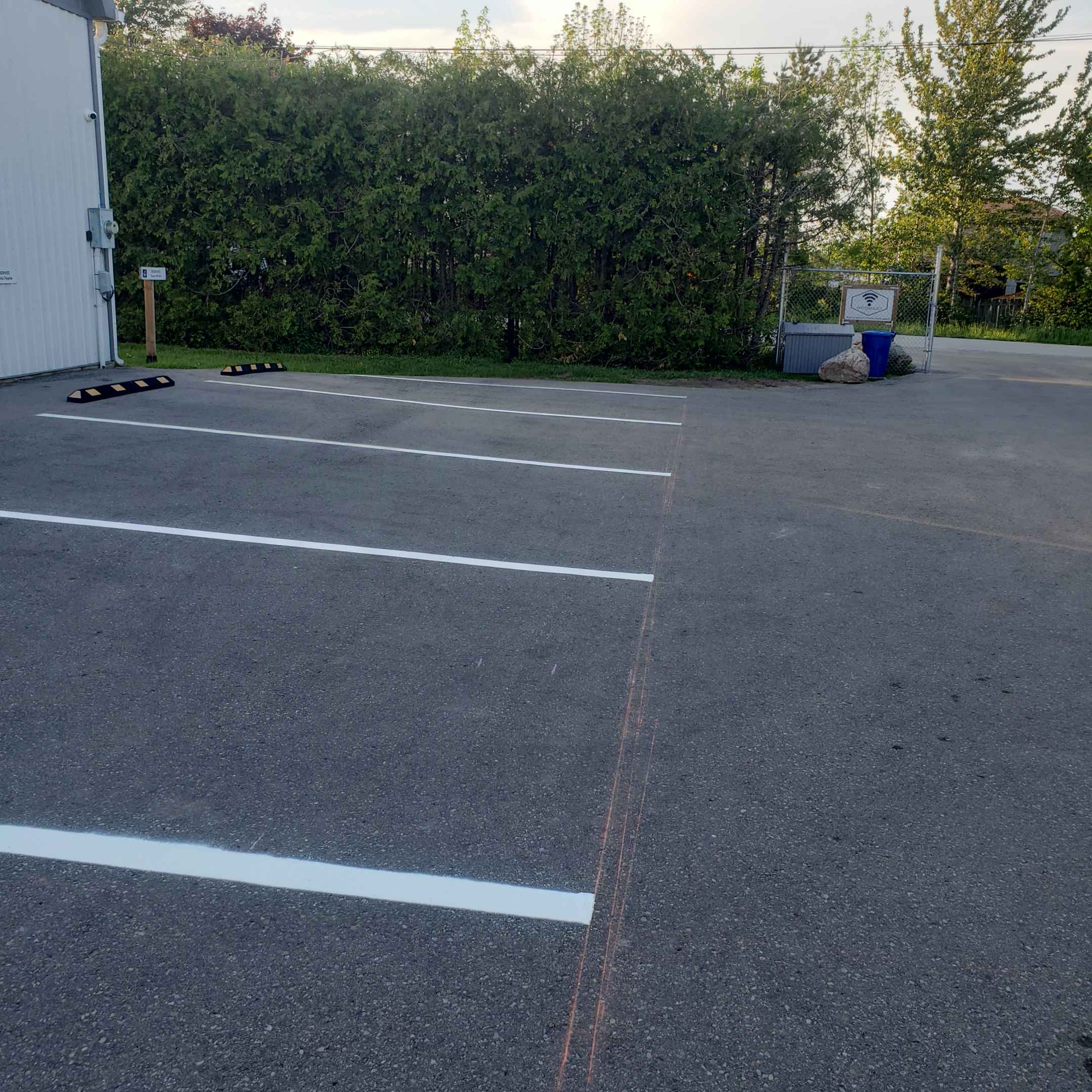
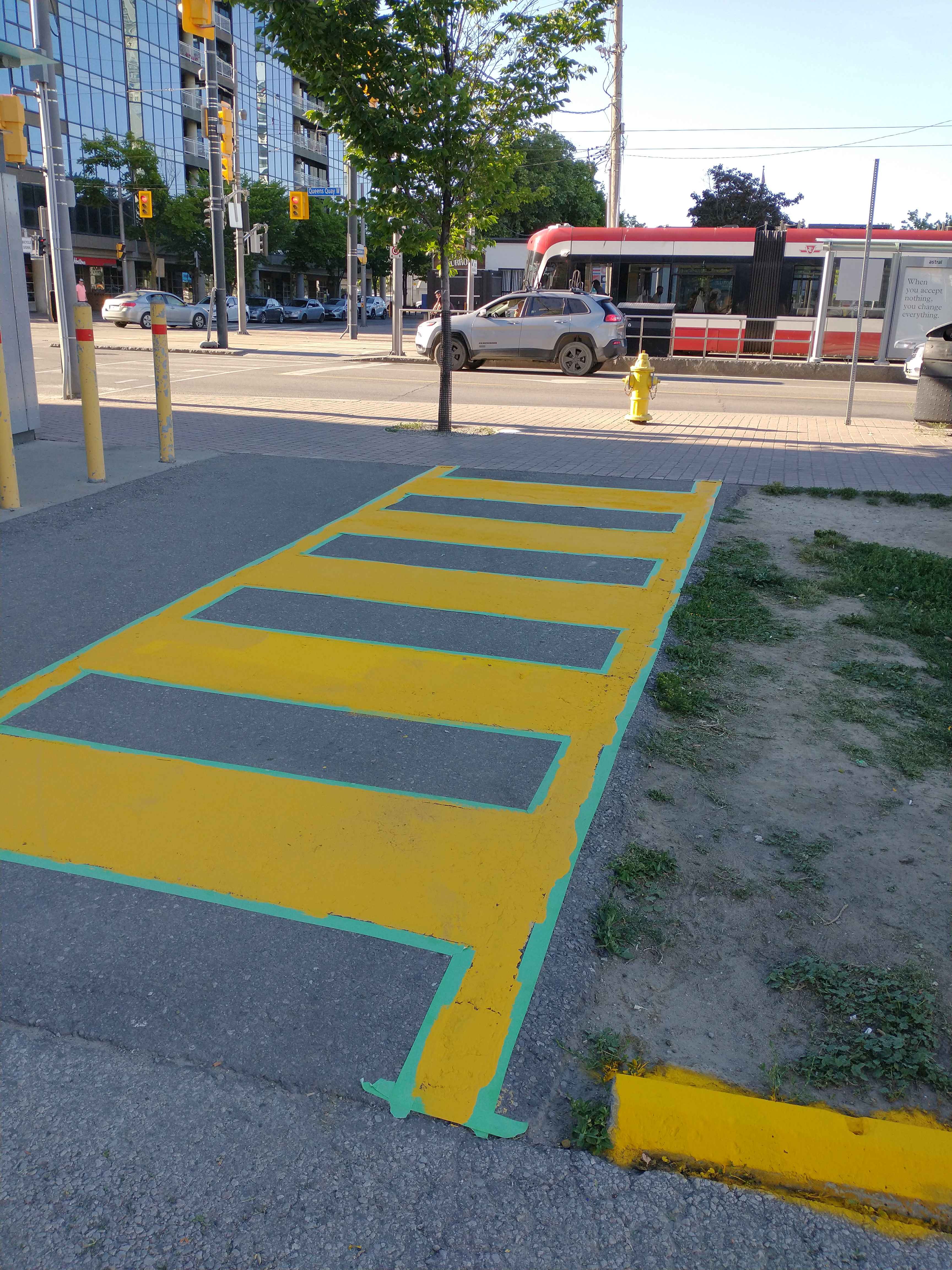
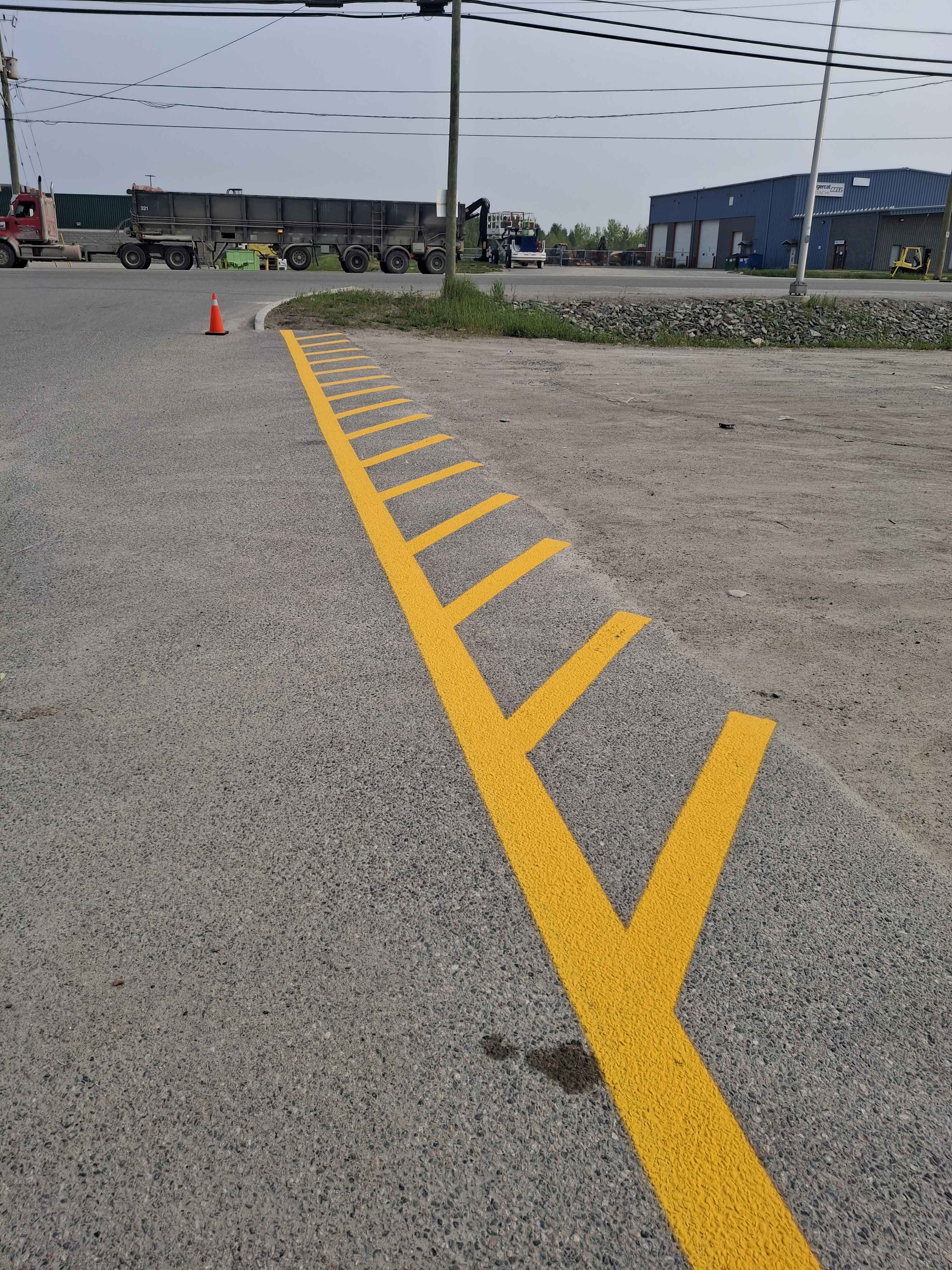
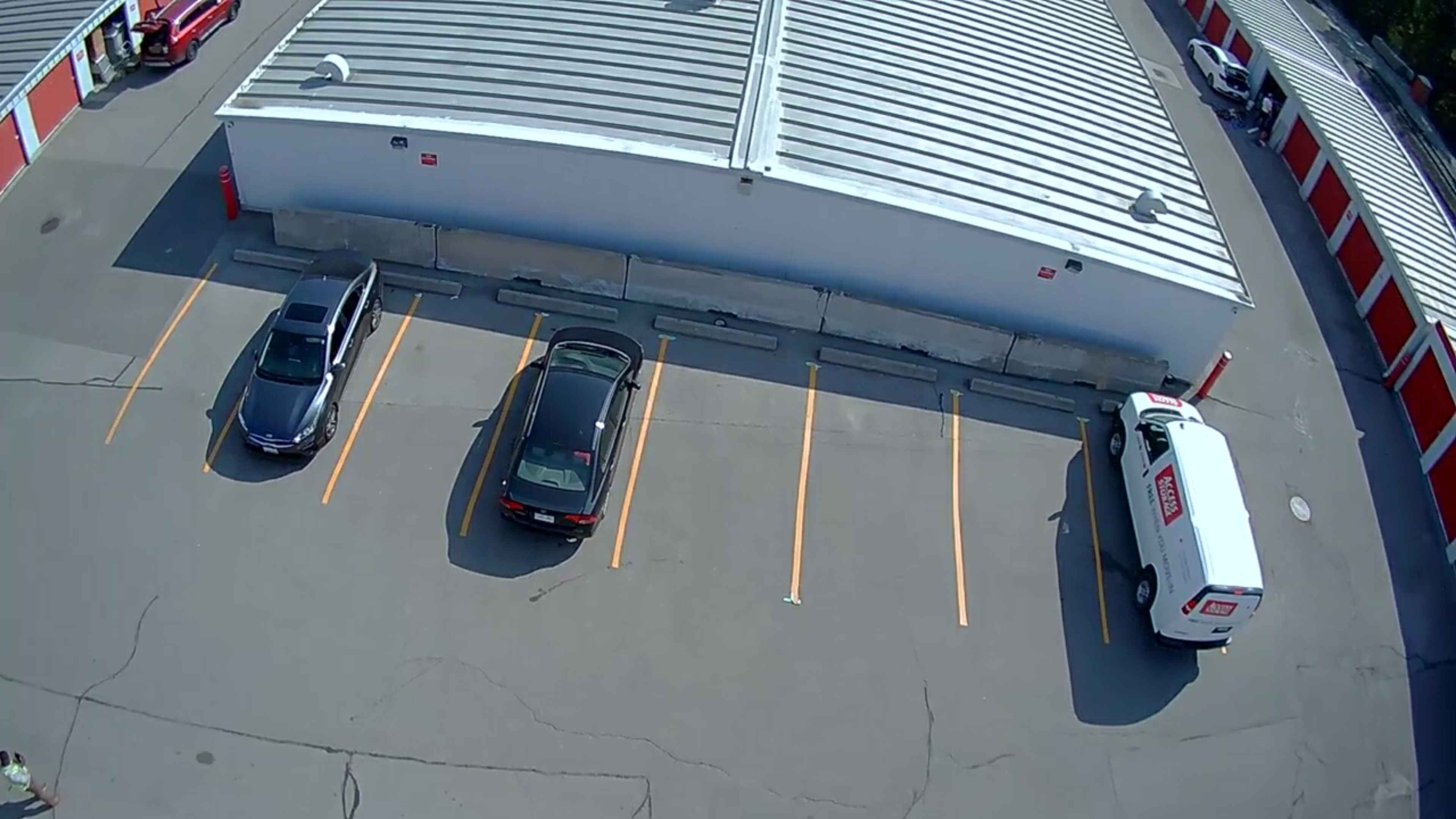
Maintaining a professional appearance is just as important as maintaining structural integrity. A parking lot with faded, peeling, or non-existent lines looks neglected, regardless of how smooth the asphalt is. High-quality line marking ensures that traffic flows smoothly, pedestrians stay safe, and your property maintains a high curb appeal.
At Capital Parking Lot Line Painting, we emphasize that maintenance is a multi-layered approach. It isn't just about fixing holes; it's about ensuring the entire visual and structural system works together. Combining timely crack repair with fresh line painting can extend the life of your pavement by years.
Don't Wait for the Breakdown
The difference between a routine maintenance visit and a full surface replacement is often just a matter of timing. By partnering with Capital Parking Lot Line Painting, you ensure that your property receives the expert attention required to stop small cracks from becoming catastrophic failures.
Summary of Proactive Steps
To avoid the high cost of full replacement, follow this simple maintenance checklist:
- Perform annual visual inspections for new cracks or depressions.
- Schedule professional crack filling every 1-2 years.
- Refresh line painting to maintain safety and organization.
- Apply a high-quality sealcoat every 3-5 years to protect against UV rays.