Why Ignoring Small Cracks Can Lead to Full Surface Replacement
Small imperfections today often become massive liabilities tomorrow. Understanding the lifecycle of your asphalt is key to long-term property management.

The Deceptive Nature of Asphalt Cracks
To the untrained eye, a thin, hair-line crack in a parking lot might seem like a minor cosmetic nuisance. You might think, "It’s just a small gap; it won't affect the driving experience or the look of my property." However, in the world of pavement management, these small cracks are early warning signs of structural failure. At Capital Parking Lot Line Painting, we have seen firsthand how a neglected crack can evolve from a tiny fissure into a deep pothole in a matter of months.
Asphalt is a flexible pavement, meaning it is designed to expand and contract with temperature changes. In a city like Kingston, where seasonal shifts can be dramatic, this movement is constant. When a crack forms, it breaks the protective seal of the surface, allowing the elements to penetrate the foundation of your parking lot.
The Domino Effect: How Cracks Become Failures
Once a crack is present, a destructive cycle begins. This process is often referred to as the "domino effect" of pavement degradation. Here is how the damage progresses:
1. Water Infiltration
Rainwater, melting snow, and even humidity seep into the cracks. This water travels deep into the sub-base—the layers of stone and soil that support the asphalt.
2. Sub-base Erosion
As water sits in the sub-base, it washes away the fine particles that provide stability. This creates hollow pockets beneath your surface.
3. Freeze-Thaw Cycles
In Ontario, water trapped in cracks freezes during the winter. When water freezes, it expands, exerting massive internal pressure that pushes the asphalt apart, making the crack wider.
4. Structural Collapse
With the sub-base weakened and the asphalt fractured, the surface can no longer support the weight of vehicles, leading to potholes and eventually total surface failure.
Common Mistakes in Parking Lot Management
- Waiting for visible potholes: By the time a pothole appears, the damage is already deep and expensive to fix.
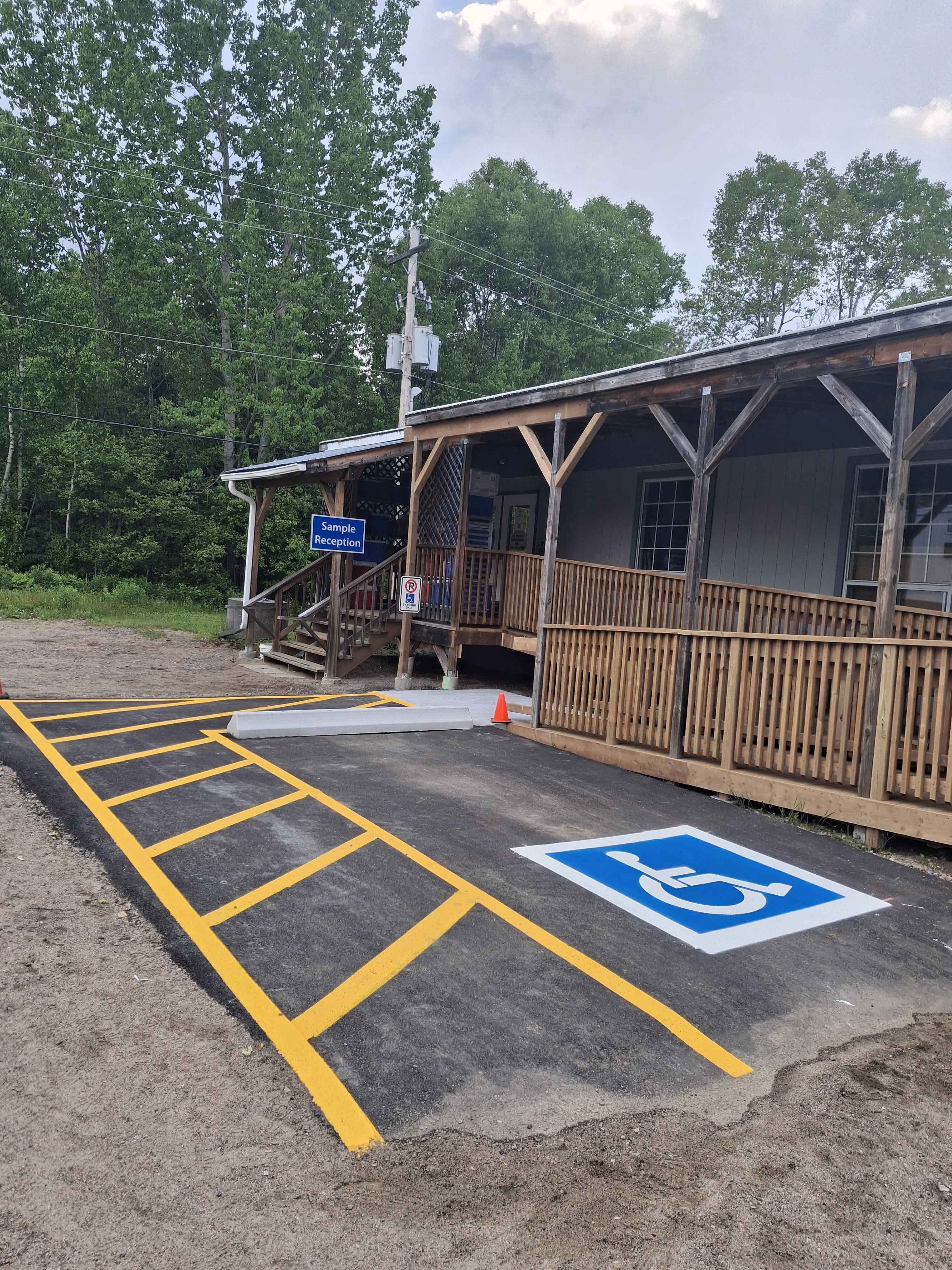
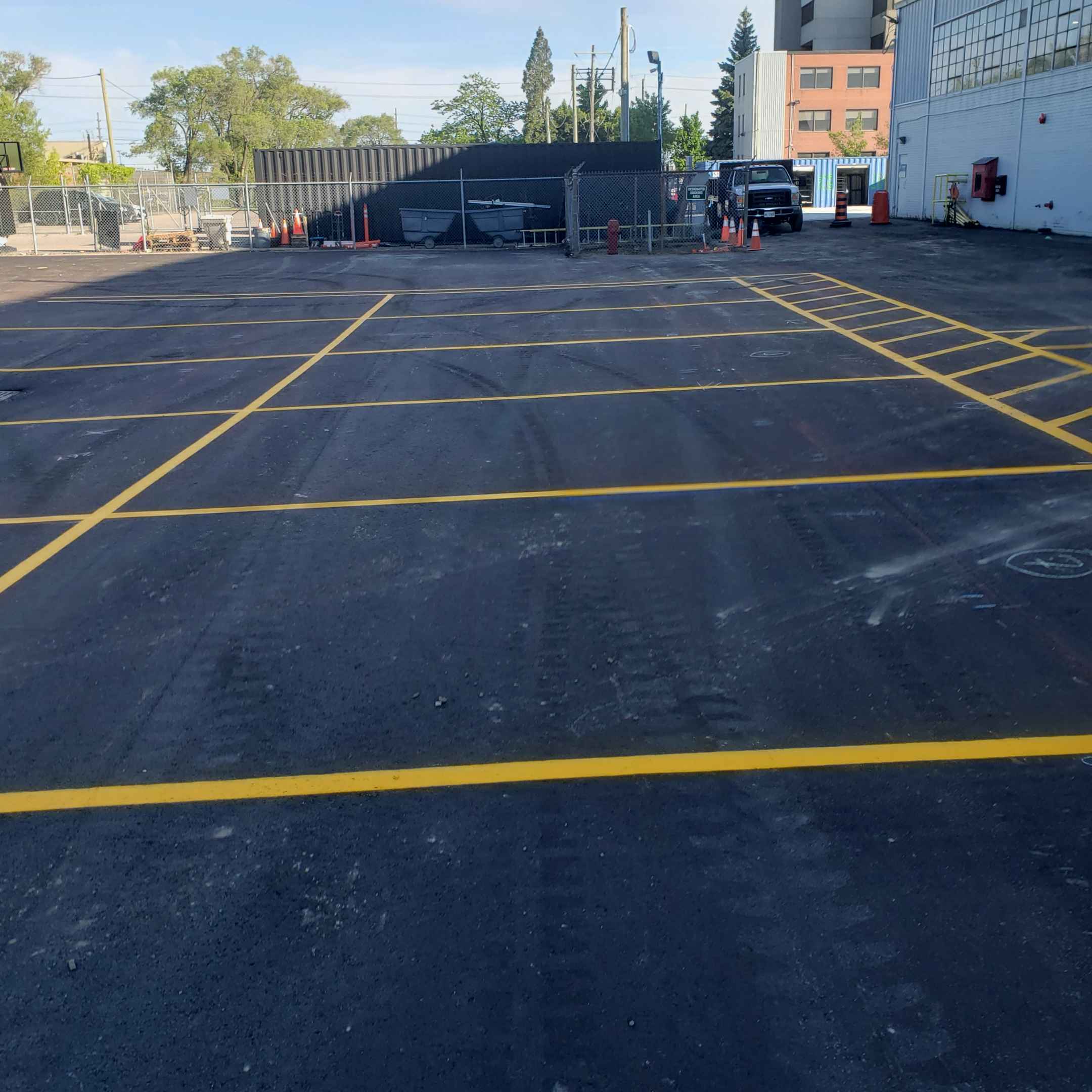
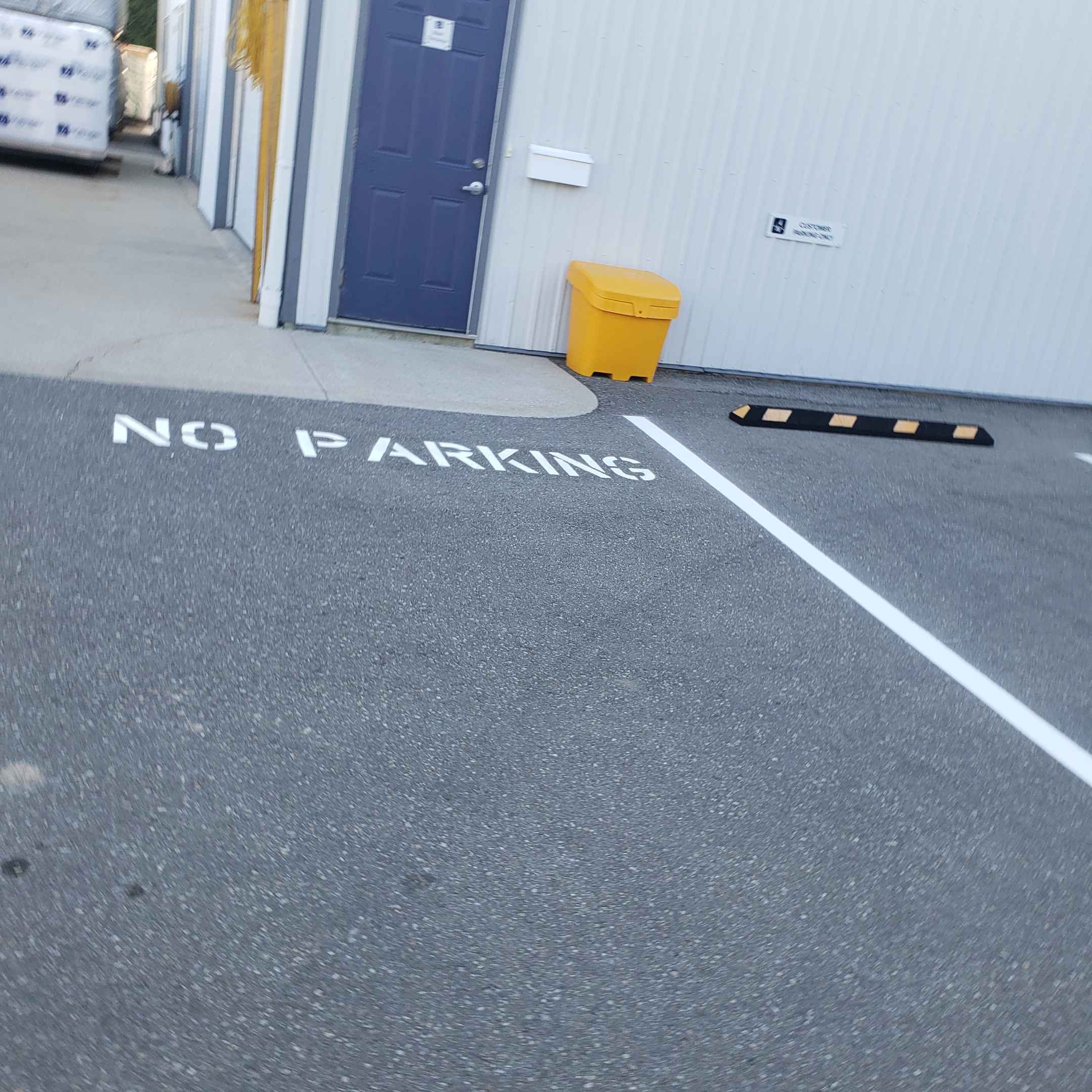
- Ignoring Line Marking: Faded or missing line marking can cause traffic confusion, leading to vehicle accidents that further damage the surface.
- DIY Patching: Using improper sealants can trap moisture inside the crack, actually accelerating the decay.
- Neglecting Drainage: Allowing water to pool on the surface increases the speed at which cracks expand.
The Role of Professional Line Marking and Maintenance
Maintaining a professional appearance and structural integrity requires a two-pronged approach: structural repair and visual clarity. Capital Parking Lot Line Painting specializes in ensuring your facility remains safe and navigable. Regular line painting is not just about aesthetics; it is about safety and traffic flow management.
When your line marking is crisp and well-defined, drivers follow the intended paths, reducing the stress on specific areas of the asphalt. Furthermore, combining crack filling with fresh line painting provides a comprehensive rejuvenation that can extend the life of your pavement by years.
Why Proactive Care is Essential for Kingston Businesses
For business owners in Kingston, a well-maintained parking lot is the first impression a customer receives. A cracked, poorly marked lot signals neglect, which can deter potential clients. More importantly, the cost of proactive maintenance is a fraction of the cost of a full surface replacement. By addressing small cracks early, you are investing in the longevity of your property rather than waiting for an emergency repair.
Capital Parking Lot Line Painting recommends a seasonal inspection to catch these issues before they escalate. Whether you need heavy-duty line painting or structural crack sealing, catching it early is the smartest financial move you can make.
Don't Wait for the Collapse
Protect your investment today. Contact the experts to assess your parking lot's health and ensure your line marking is up to standard.