Why Sealcoating Is Essential After Winter Freeze-Thaw Cycles
As the snow melts and the spring sun begins to warm the pavement, property owners in Ontario face a critical decision: how to protect their asphalt from the damage left behind by a harsh winter.
The Science of the Freeze-Thaw Cycle
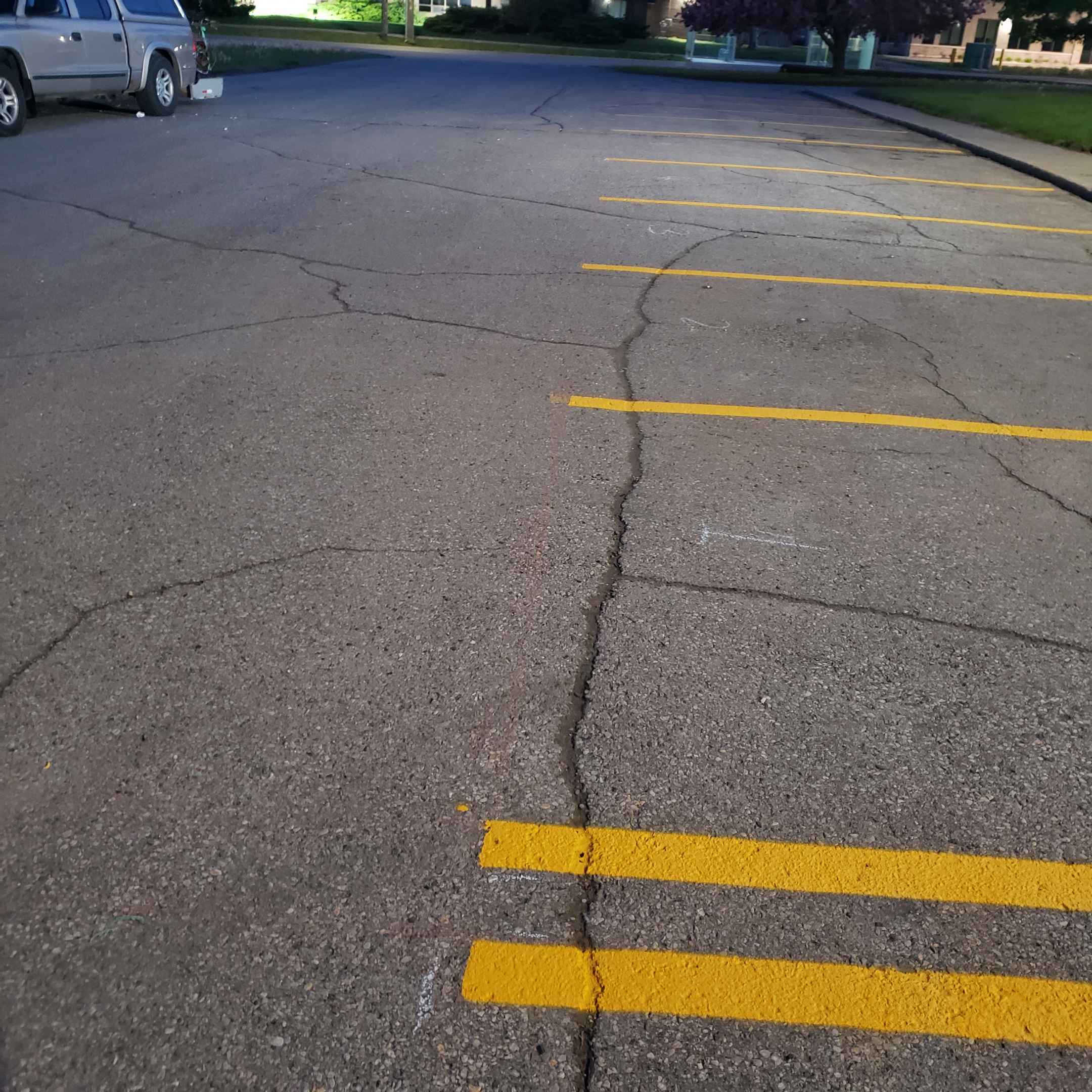
If you own a commercial property in Cambridge, you are intimately familiar with the seasonal shift. The phenomenon known as the 'freeze-thaw cycle' is one of the most destructive forces acting upon asphalt surfaces. During the winter, water seeps into the microscopic pores and small cracks of your parking lot. When temperatures drop, this water freezes and expands, exerting immense pressure from within the asphalt structure.
As the weather warms up, the ice melts, leaving behind larger voids and weakened structural integrity. This cycle repeats dozens of times throughout an Ontario winter, essentially acting like a slow-motion jackhammer on your pavement. By the time spring arrives, your asphalt is often more vulnerable to oxidation and chemical breakdown than it was the previous autumn.
Why Sealcoating is Your First Line of Defense
Sealcoating is not merely an aesthetic upgrade; it is a vital preventative maintenance measure. When Capital Parking Lot Line Painting recommends sealcoating, we are focusing on the long-term structural health of your surface. A high-quality sealcoat acts as a protective barrier against several key elements:
- UV Radiation Protection: Sunlight breaks down the bitumen (the "glue" that holds asphalt together), causing it to become brittle and gray.
- Waterproofing: By filling in micro-cracks, sealcoating prevents water from entering the sub-base, which is the primary cause of potholes.
- Chemical Resistance: It protects against oil, gasoline, and salt spills that can dissolve the asphalt binder.
- Oxidation Prevention: It keeps the asphalt flexible, allowing it to withstand temperature fluctuations without cracking.
The Connection Between Sealcoating and Line Marking
A common mistake property managers make is waiting too long to refresh their pavement markings. For the best results, sealcoating should be integrated into a broader maintenance plan that includes professional Line Marking.
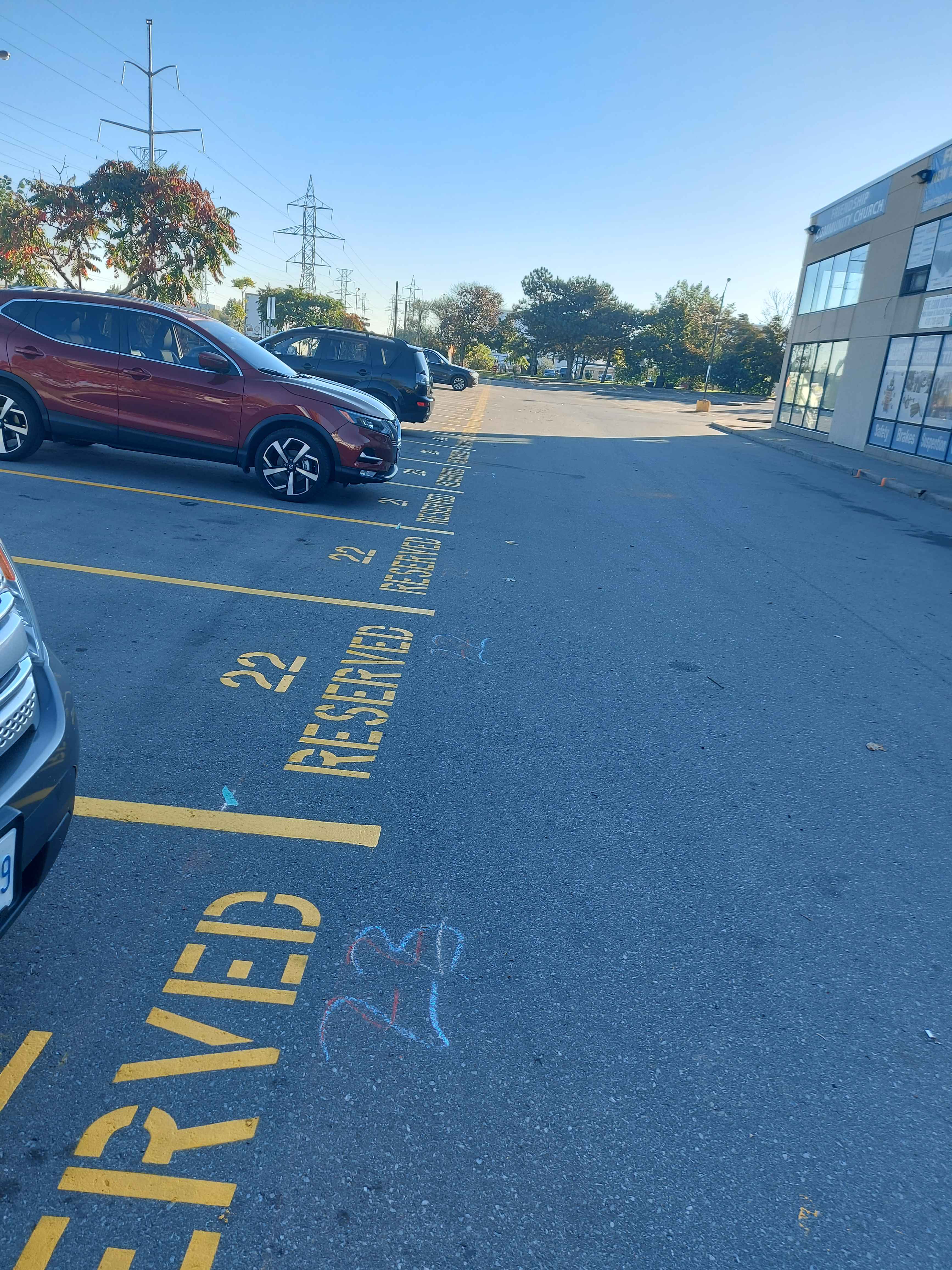
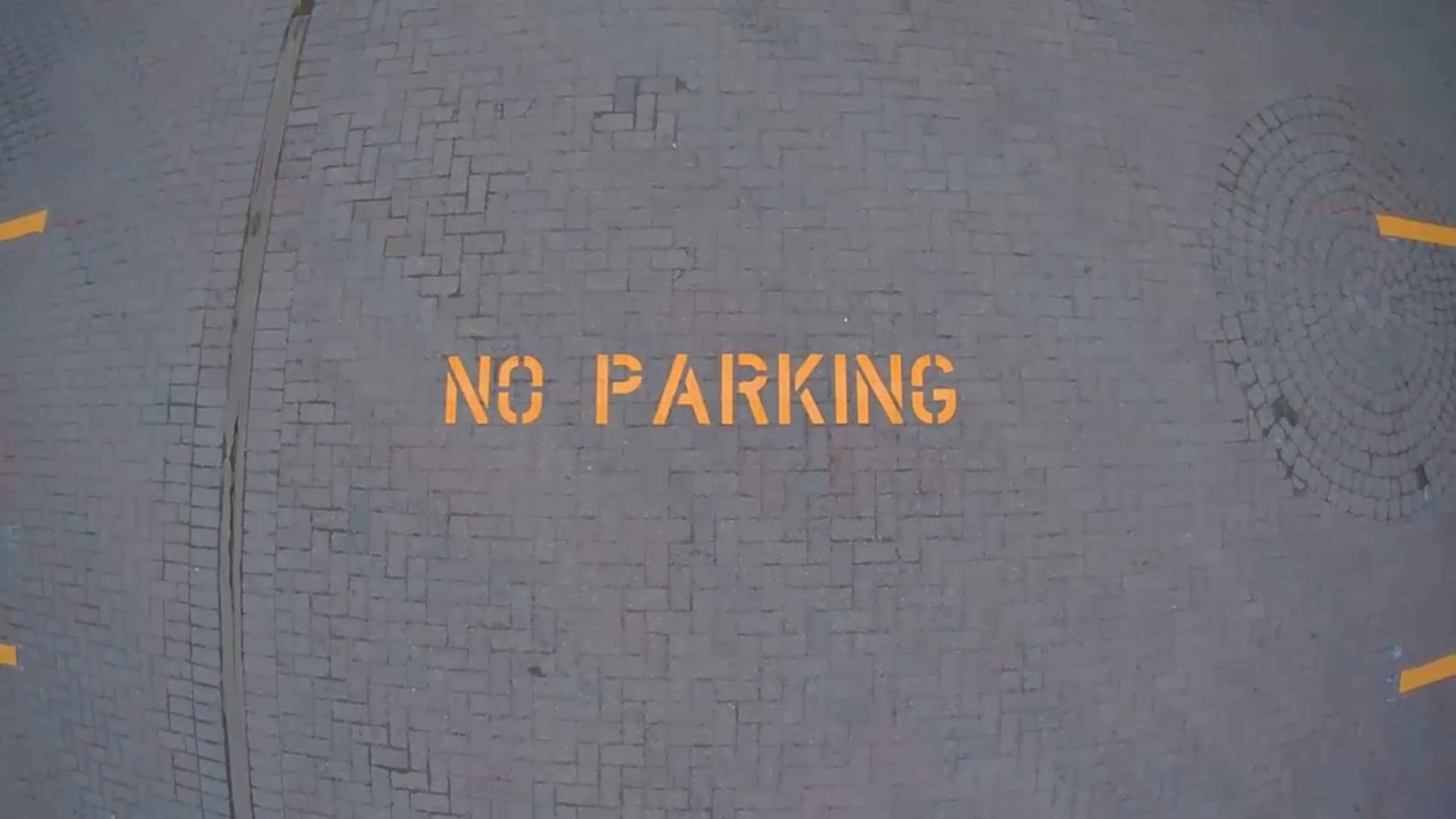
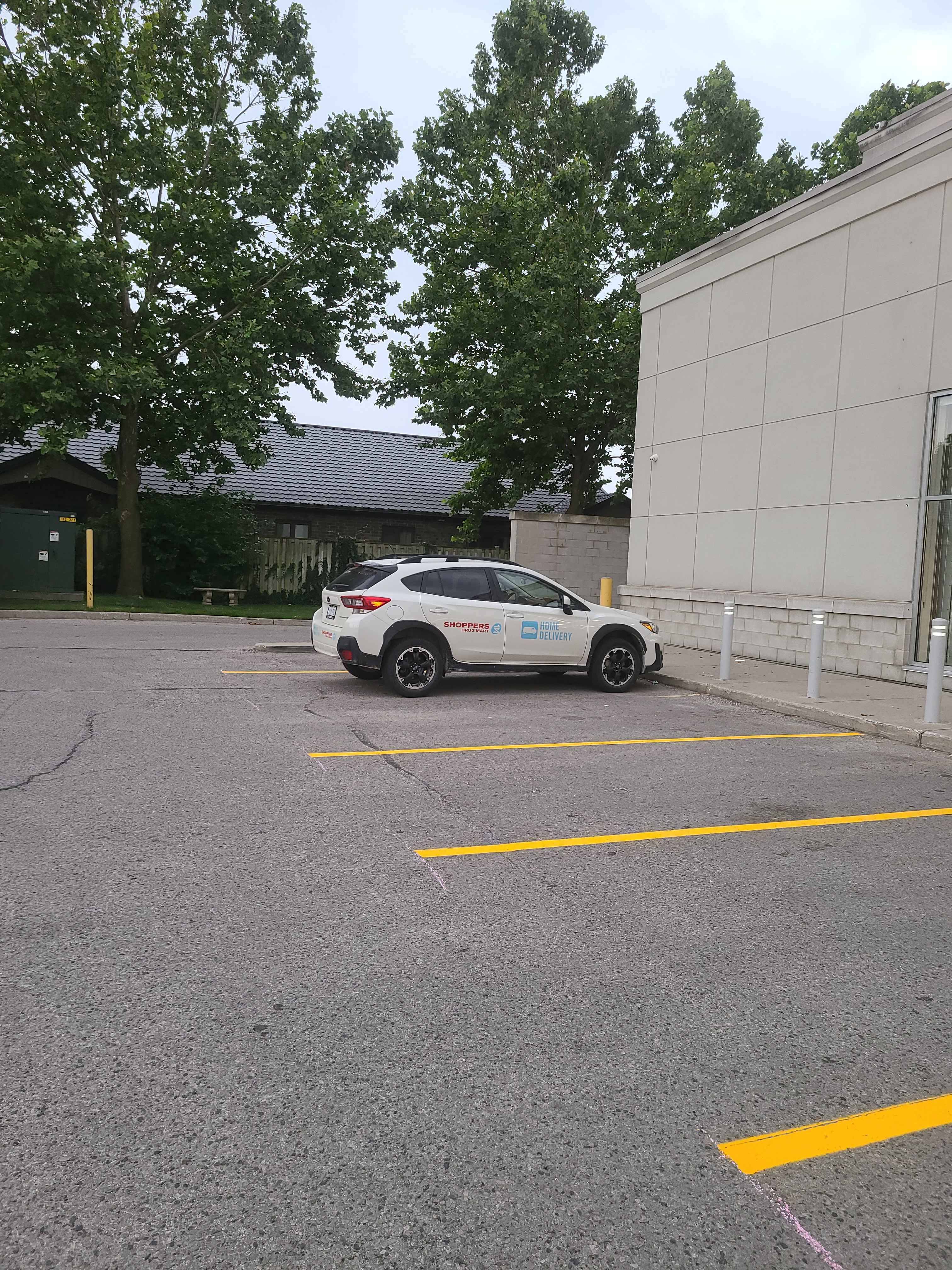
When you apply a fresh layer of sealcoat, you create a dark, uniform canvas. This makes subsequent Line Painting much more effective. High-contrast lines—whether for parking stalls, handicap accessibility, or directional arrows—are significantly more visible on a freshly sealed surface. At Capital Parking Lot Line Painting, we suggest that owners evaluate their pavement condition holistically: seal the surface to protect the foundation, then follow up with precision Line Painting to ensure safety and compliance.
Common Mistakes to Avoid Post-Winter
Many property owners in Cambridge attempt to manage their asphalt with DIY solutions or delay maintenance until a major failure occurs. Avoid these common pitfalls:
1. Ignoring Small Cracks
Small fissures are the precursors to massive potholes. If you see cracks after the winter thaw, they need to be addressed before the next freeze-thaw cycle begins.
2. Applying Sealcoat Over Dirt or Debris
For a sealcoat to bond correctly, the surface must be pristine. Professional crews like those at Capital Parking Lot Line Painting ensure thorough cleaning to prevent premature peeling.
3. Delaying Maintenance Until Summer Heat
While you shouldn't sealcoat in freezing temperatures, waiting until the peak heat of summer can lead to scheduling conflicts and higher demand. Spring is the ideal window.
Maximizing Your ROI
Investing in sealcoating is a fraction of the cost of a full asphalt resurfacing or replacement. By maintaining the integrity of the top layer, you prevent the structural degradation that necessitates heavy machinery and massive capital expenditures. It is the most cost-effective way to ensure your property remains professional, safe, and visually appealing for years to come.
Maintenance Preview
Protect your investment with professional care.