Why Sealcoating Should Be Part of Your Annual Maintenance Routine
Asphalt is the backbone of your commercial property's curb appeal and functionality, but it is also highly susceptible to the elements. Regular maintenance is the difference between a long-lasting surface and a crumbling, expensive nightmare.
The Hidden Battle: Asphalt vs. The Elements
For property owners in Barrie, one of the top 30 cities in Ontario, the battle against the elements is a constant struggle. Our local climate presents a unique set of challenges for asphalt surfaces. From the intense UV rays of the summer sun to the brutal freeze-thaw cycles of our Canadian winters, your parking lot is under constant attack.
UV radiation breaks down the chemical bonds in the asphalt binder, causing it to become brittle and gray. Meanwhile, water penetrates small cracks, freezes, expands, and widens those cracks from the inside out. Without a protective barrier, these small issues quickly escalate into potholes and structural failures. This is where professional sealcoating becomes your first line of defense.
At Capital Parking Lot Line Painting, we have seen firsthand how a proactive approach can save property owners from the massive headaches associated with total asphalt replacement.
What Exactly is Sealcoating?
Sealcoating is not just a cosmetic upgrade; it is a functional protective layer applied to the surface of your asphalt. Think of it like sunscreen for your parking lot. It fills in microscopic pores and creates a waterproof, UV-resistant shield that prevents oxidation and moisture penetration.
When you invest in sealcoating, you aren't just making the lot look black and new; you are chemically reinforcing the surface to withstand the heavy traffic and environmental stressors common in busy commercial zones.
The Top Benefits of Annual Maintenance
Why make this an annual routine? Consistency is key to long-term pavement health. Here are the primary reasons to schedule your service regularly:
- Extended Asphalt Lifespan: Regular applications can double or even triple the life of your asphalt surface.
- Waterproofing: It prevents water from seeping into the sub-base, which is the leading cause of structural failure.
- Oxidation Prevention: It stops the sun from turning your dark, flexible asphalt into a light gray, brittle surface.
- Enhanced Aesthetics: A freshly sealed lot provides a clean, professional look that welcomes customers.
- Improved Safety: By filling small cracks and smoothing the surface, you reduce trip hazards and minor pooling.
The Perfect Pairing: Sealcoating and Line Marking
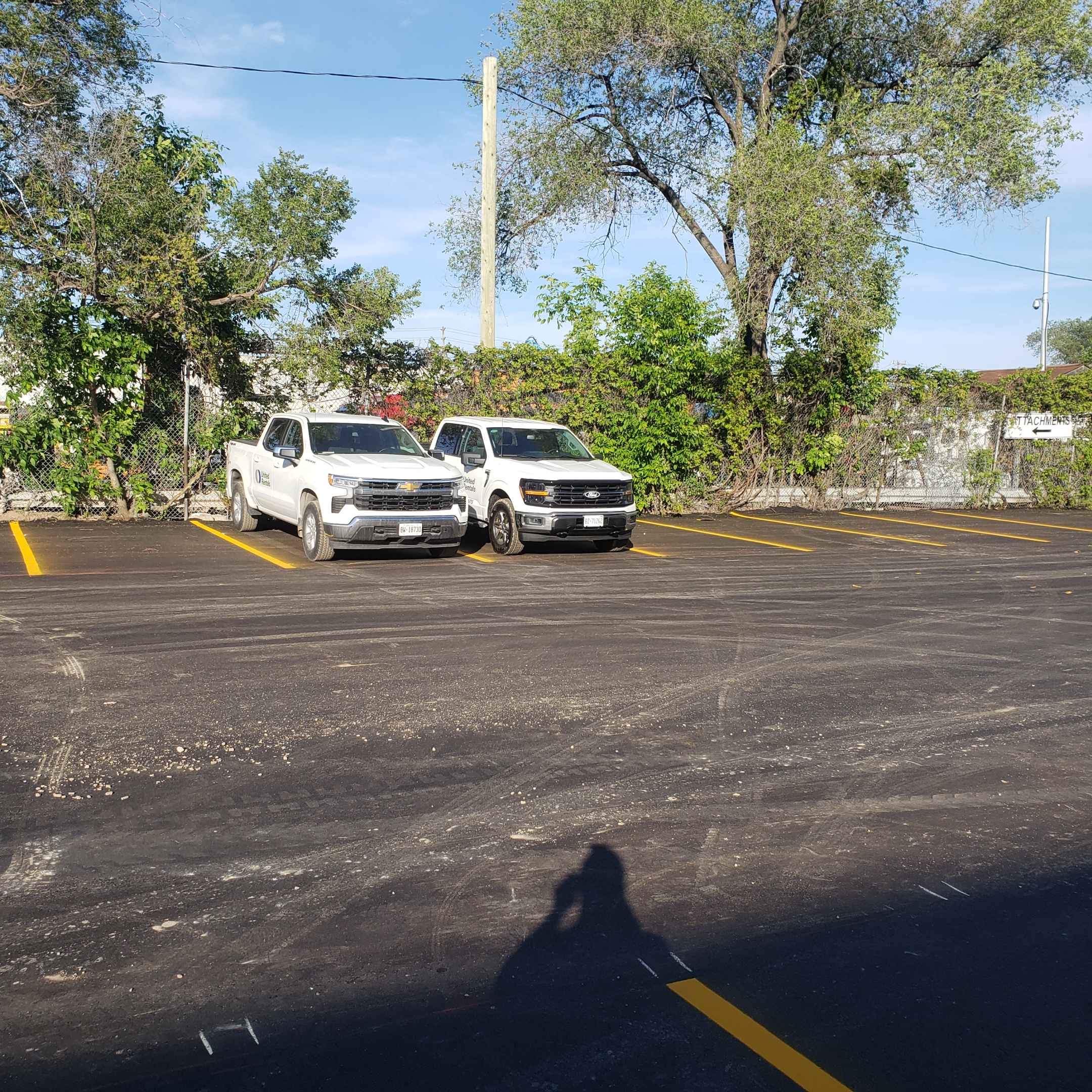
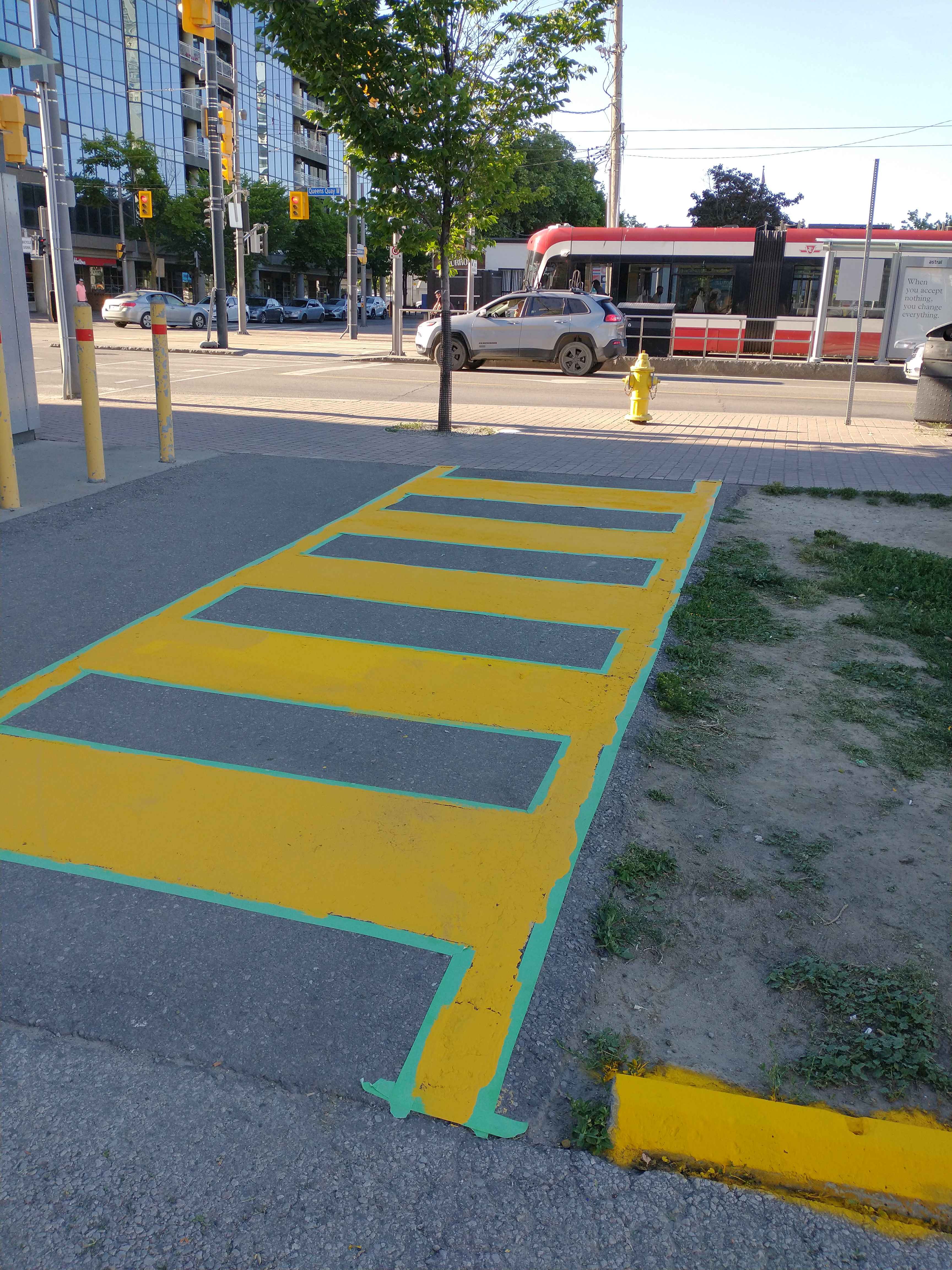
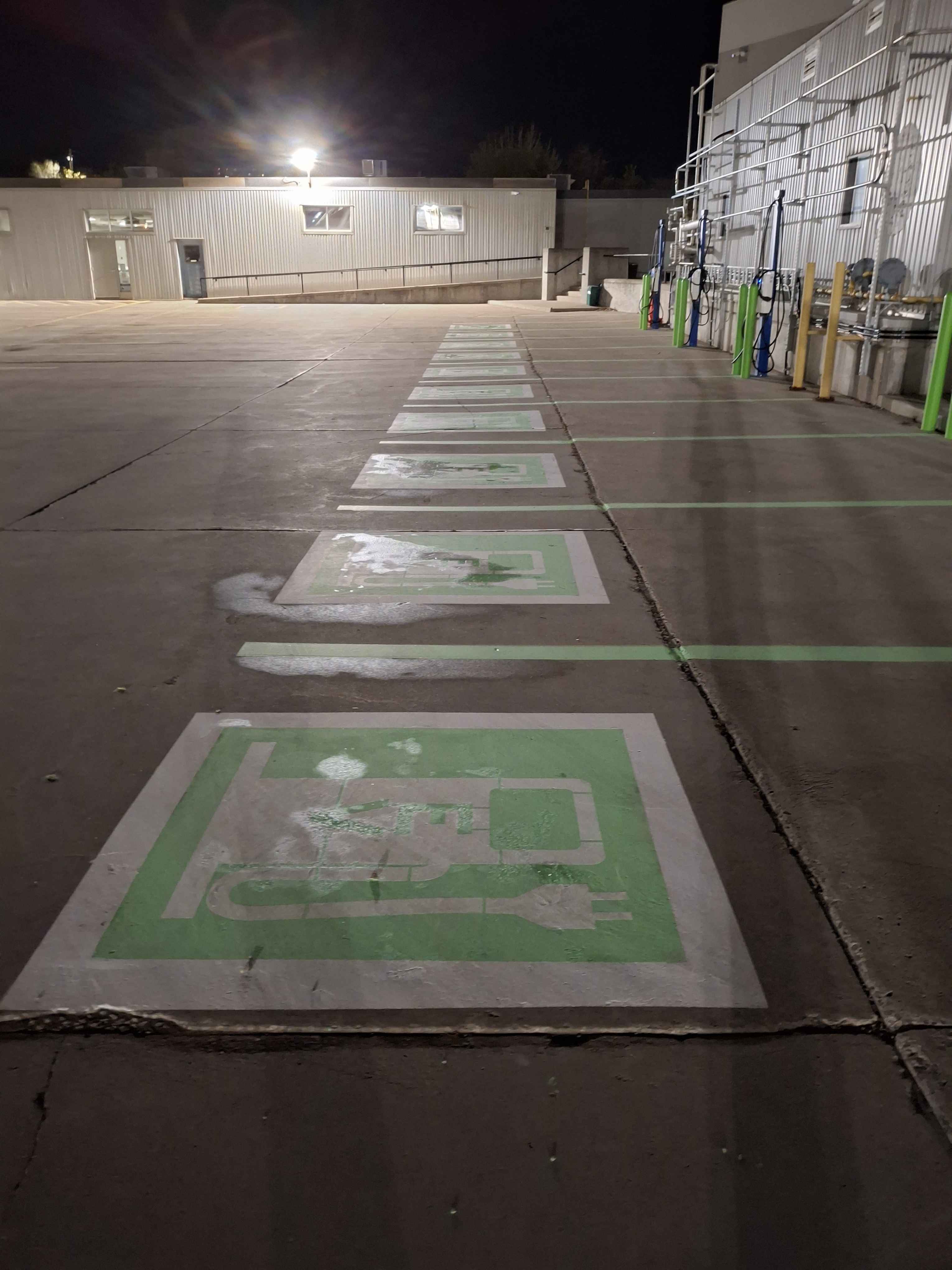
To achieve a truly professional and safe parking facility, sealcoating should be paired with high-quality Line Marking. Once your surface is sealed and protected, applying fresh, crisp lines is essential for directing traffic flow and designating parking stalls correctly.
A dark, freshly sealed lot provides the perfect high-contrast background for new Line Painting. This combination ensures that your lot is not only durable but also highly organized and compliant with safety regulations. Capital Parking Lot Line Painting specializes in this dual approach, ensuring your facility looks its absolute best from the moment a customer pulls in.
Ready to Protect Your Investment?
Don't wait for a pothole to appear before you call for help. By the time you see visible damage, the underlying structure may already be compromised. Proactive maintenance is the smartest way to manage your property's lifecycle.
Trust the experts at Capital Parking Lot Line Painting to provide the professional care your asphalt deserves.
Common Mistakes to Avoid
Many property managers in Barrie make the mistake of waiting too long between applications. Here is what to watch out for:
- Ignoring Small Cracks: A small crack today is a major pothole tomorrow.
- Using Low-Quality Sealants: Not all sealants are created equal; ensure you are using professional-grade materials.
- Skipping Line Painting: Faded lines lead to chaotic traffic and potential liability issues.
- Applying During Poor Weather: Sealcoating requires specific temperature and moisture conditions to cure correctly.