ADA-Compliant Line Marking: Meeting Canadian Accessibility Standards
Ensuring your parking facility is accessible is not just a legal necessity; it is a fundamental aspect of community inclusivity and safety.
Understanding Accessibility in the Canadian Context
When discussing accessibility, many people immediately think of the Americans with Disabilities Act (ADA). However, for property owners in Canada, it is essential to understand the local frameworks, such as the Accessibility for Ontarians with Disabilities Act (AODA). While the terminology may differ, the core objective remains the same: creating an environment where individuals with mobility challenges can navigate safely and independently.
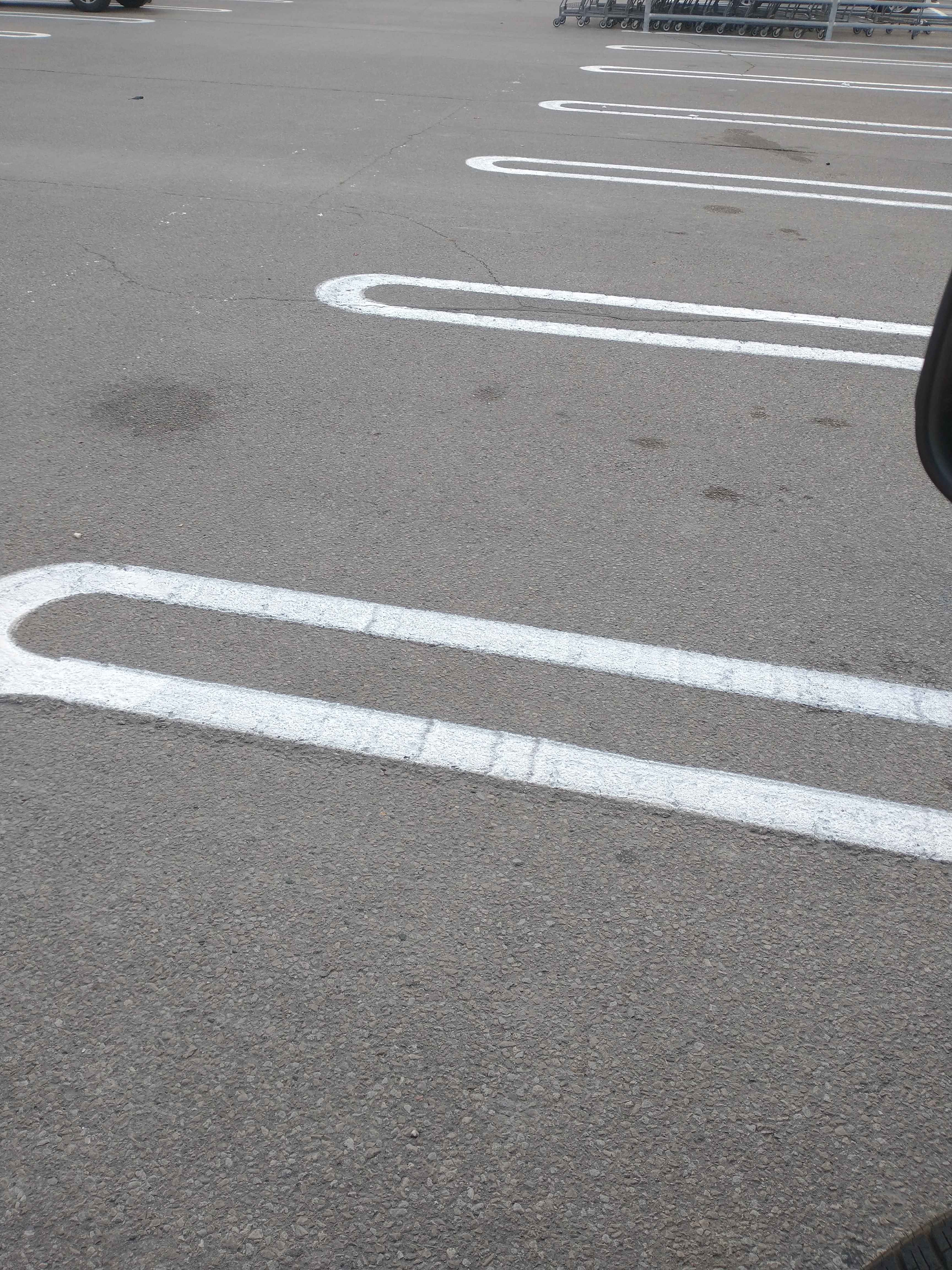
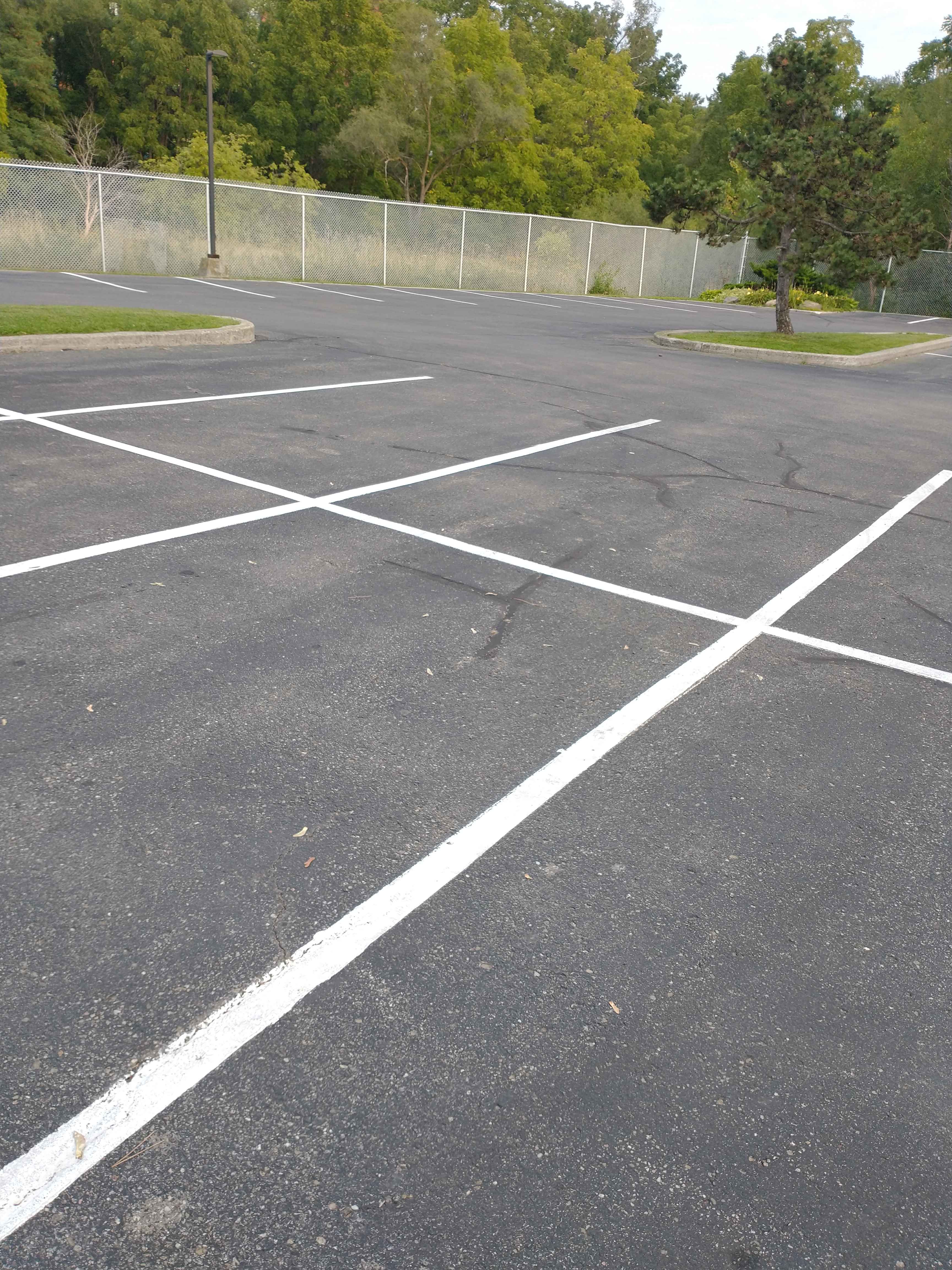
Proper line marking plays a pivotal role in this mission. It isn't just about aesthetics; it is about providing clear, high-contrast visual cues that guide users to designated accessible stalls, loading zones, and pedestrian walkways. Capital Parking Lot Line Painting specializes in ensuring these markings are precise and compliant with all local regulations.
The Importance of High-Visibility Line Marking
For many users, particularly those with visual impairments, the clarity of line marking is the difference between a safe arrival and a hazardous situation. In a bustling city like Hamilton, where traffic patterns can be complex, clear markings are vital for directing flow and protecting vulnerable pedestrians.
Effective line marking provides several critical benefits:
- Enhanced Safety: Clearly defined boundaries prevent accidental encroachment into accessible zones.
- Legal Compliance: Adhering to provincial and municipal standards protects property owners from potential litigation.
- Improved Traffic Flow: Well-marked lanes and exits reduce confusion and congestion in high-traffic areas.
- Professional Appearance: Clean, crisp lines reflect a well-maintained and welcoming property.
Key Components of Compliant Accessible Markings
Creating an accessible parking lot requires more than just painting a blue box. It requires a strategic approach to layout and material selection. At Capital Parking Lot Line Painting, we focus on the specific details that make a difference.
1. Accessible Parking Stalls
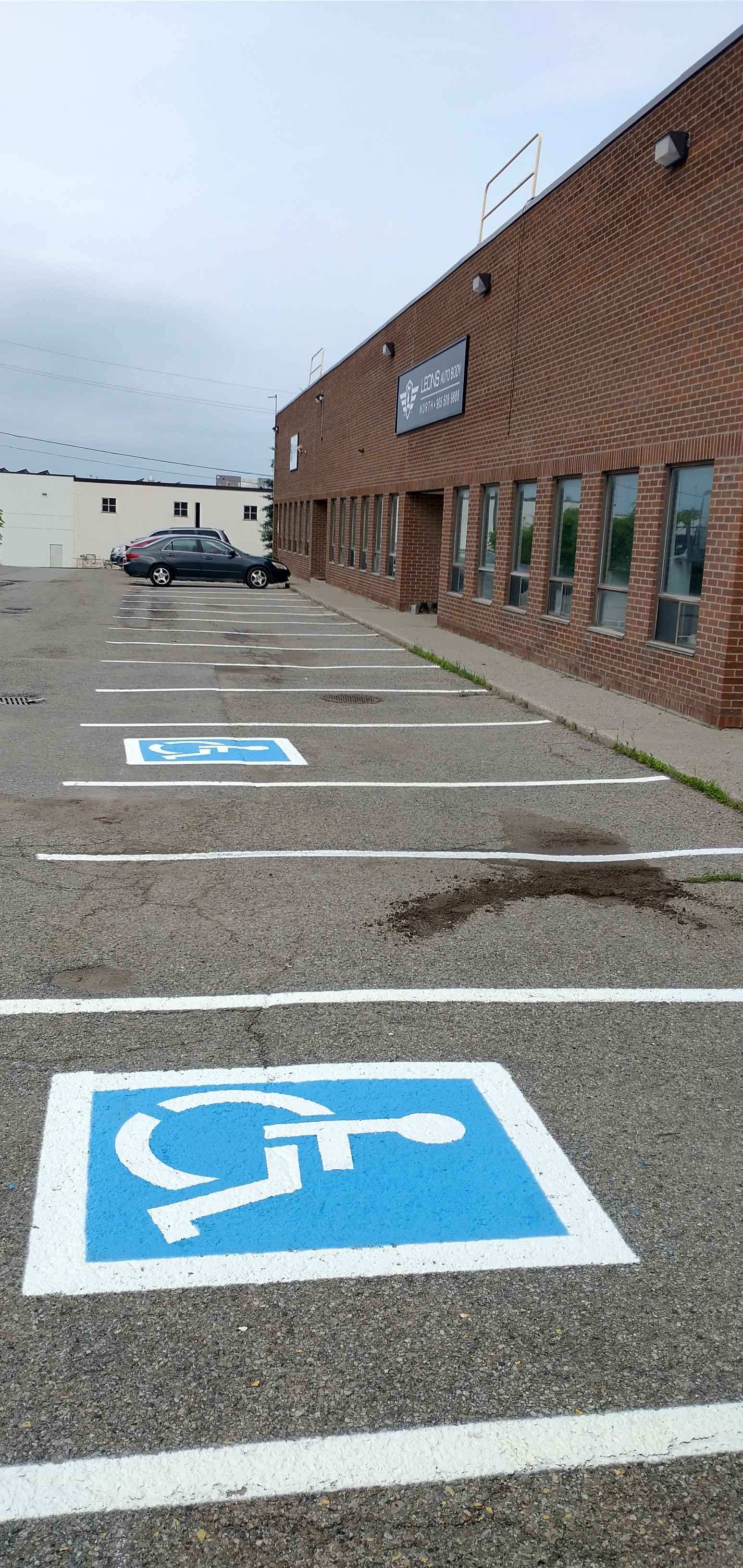
Standard accessible stalls must be clearly marked with the international symbol of accessibility. These stalls often require an adjacent access aisle, which must be wide enough to accommodate wheelchairs and mobility aids. The line marking for these aisles must be unmistakable to prevent unauthorized vehicles from blocking access.
2. Loading Zones
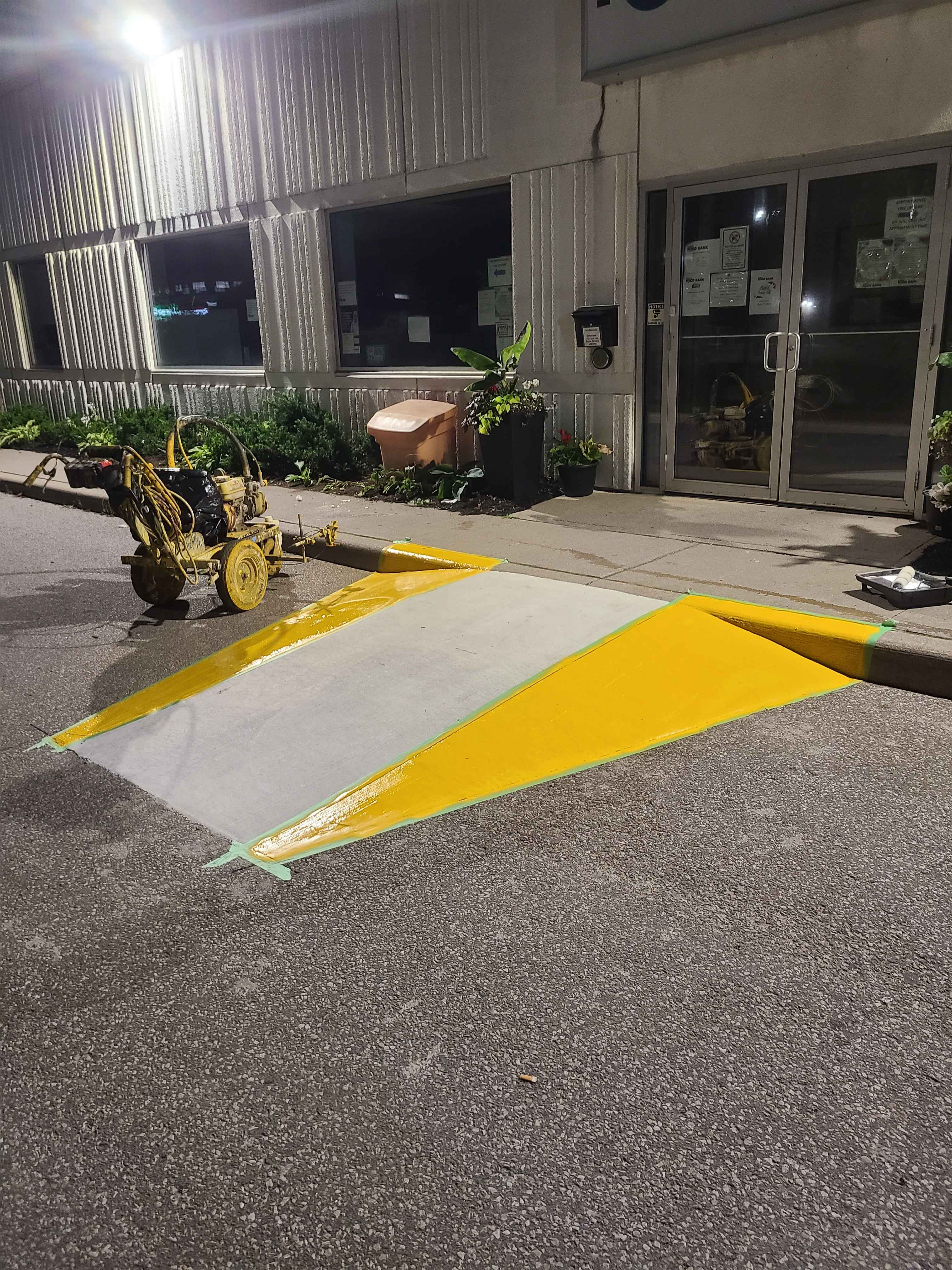
Loading zones are essential for individuals who require assistance when entering or exiting a vehicle. These zones must be marked with specific line marking patterns that distinguish them from standard parking or driving lanes.
3. Pedestrian Walkways and Crosswalks
Connectivity is key. A parking stall is only useful if the user can safely reach the building. This requires continuous, high-contrast line marking for walkways that connect accessible spaces to building entrances.
Common Mistakes in Parking Lot Maintenance
Many property managers in Hamilton and across Ontario overlook the nuances of accessibility, leading to non-compliance. Some common errors include:
- Using faded or low-contrast paint that becomes invisible during heavy rain or at night.
- Incorrectly measuring the width of access aisles.
- Failing to update markings when the parking lot layout changes.
- Neglecting the maintenance of the international symbol of accessibility.
To avoid these pitfalls, it is best to partner with experts like Capital Parking Lot Line Painting, who understand the specific requirements for durable and compliant markings.
Visualizing Quality
High-quality line marking is an investment in your property's longevity and inclusivity. Ensure your next project is handled by professionals who prioritize precision and compliance.
Conclusion
Accessibility is a cornerstone of modern urban design. By investing in professional line marking, you are ensuring that your facility is welcoming to everyone, regardless of their physical abilities. Whether you are managing a commercial complex or a retail center, staying compliant with Canadian standards is a responsibility that pays dividends in safety and reputation.