Crackfilling vs. Patching: Which Should You Do First?
Understanding the critical differences between crackfilling and patching is the key to extending the lifespan of your asphalt pavement and avoiding costly premature failures.
The Dilemma of Asphalt Maintenance
Every property owner in Niagara Falls knows that asphalt is a living, breathing material. It expands with the summer heat and contracts during the harsh Ontario winters. This constant movement inevitably leads to structural issues that, if left unaddressed, can turn a minor nuisance into a massive liability. When you inspect your parking lot, you likely see two distinct types of damage: thin, wandering lines and deep, jagged holes. This is where the confusion begins: should you focus on crackfilling or patching first?
At Capital Parking Lot Line Painting, we believe that preventative maintenance is much more effective than reactive repair. Knowing whether you need a sealant or a structural fix can save you thousands in the long run. In this guide, we will break down the technical differences, the timing, and the strategic approach to maintaining a professional-grade surface.
What is Crackfilling?
Crackfilling is a preventative maintenance technique designed to seal small fissures in the asphalt before they become deep voids. Think of it as applying a waterproof sealant to the "skin" of your parking lot. When water enters a small crack, it seeps into the subbase. During the winter months in Niagara Falls, that water freezes, expands, and pushes the asphalt apart, making the crack wider and deeper.
The Benefits of Timely Crackfilling:
- Prevents Water Infiltration: Keeps moisture from reaching the sensitive subbase layers.
- Extends Pavement Life: Acts as a barrier against the freeze-thaw cycle.
- Cost-Effective: Much cheaper to seal a crack than to replace a section of pavement.
- Maintains Aesthetics: Keeps the lot looking uniform and well-maintained.
What is Asphalt Patching?
Patching, often referred to as "cut and patch," is a corrective measure. Unlike crackfilling, which addresses surface-level issues, patching is used when the structural integrity of the asphalt has already failed. You will recognize a need for patching when you see potholes, alligator cracking (cracks that look like reptile skin), or areas where the base has completely collapsed.
Patching involves removing the damaged section of asphalt, preparing the base, and installing new hot-mix asphalt to fill the void. This is a structural repair intended to restore the load-bearing capacity of the surface. Capital Parking Lot Line Painting recommends patching whenever the depth of the damage exceeds the capability of a standard crack filler.
The Golden Rule: Which One First?
The answer depends entirely on the current state of your pavement. However, there is a logical hierarchy to follow to ensure you aren't wasting resources.
The Maintenance Hierarchy:
1. Assess the Damage: Is it a surface crack or a structural hole?
2. Patch First if Necessary: If you have potholes or deep depressions, crackfilling will not work. You cannot "fill" a hole with a crack sealant; you must repair the foundation first.
3. Crackfill Second: Once the structural holes are patched and level, you should immediately perform crackfilling across the entire lot to seal the remaining fissures and prevent new holes from forming.
In short: Patch the holes, then fill the cracks. If you try to crackfill a lot that has active potholes, the sealant will simply fall into the void, wasting material and leaving the structural issue unaddressed.
Beyond Repair: The Role of Line Marking
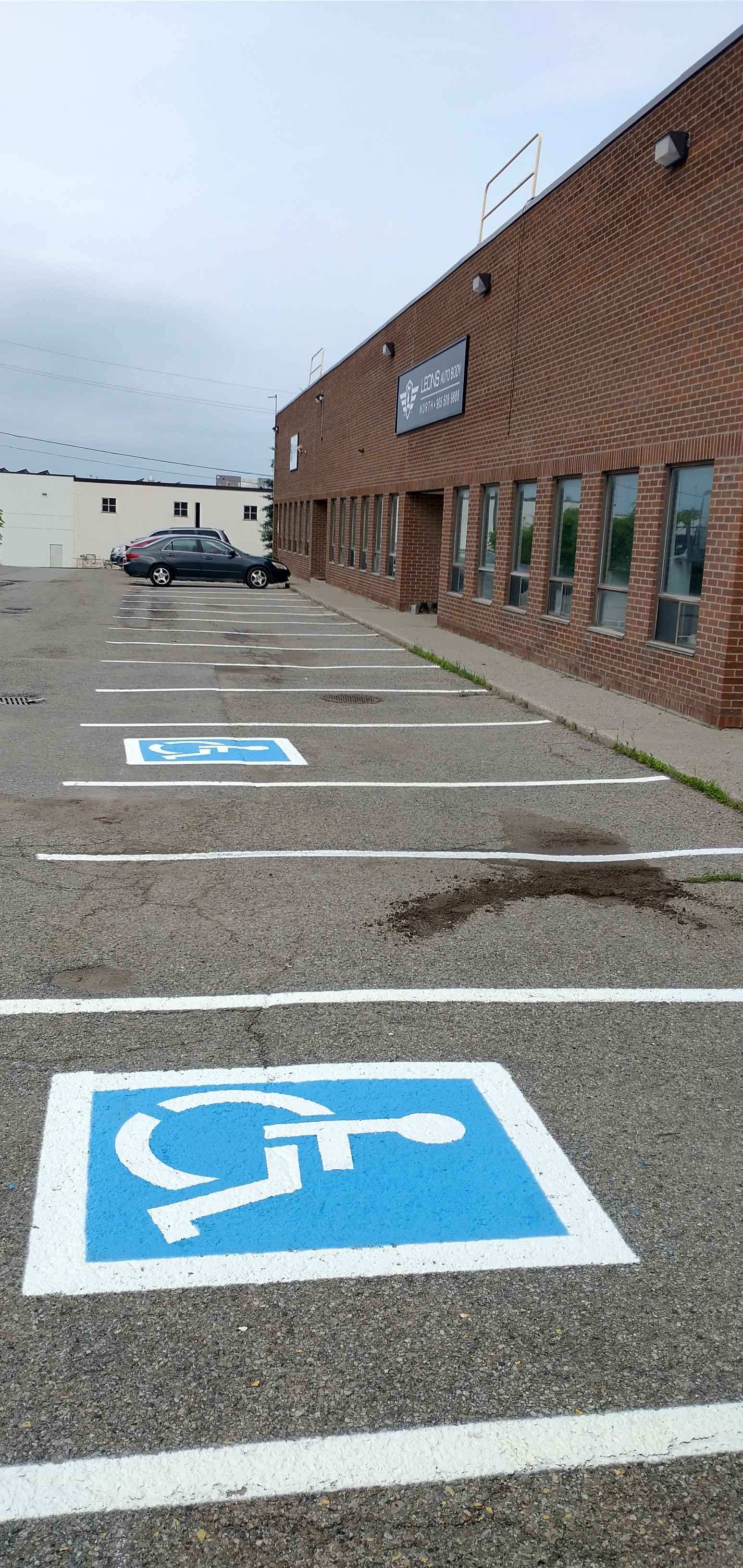
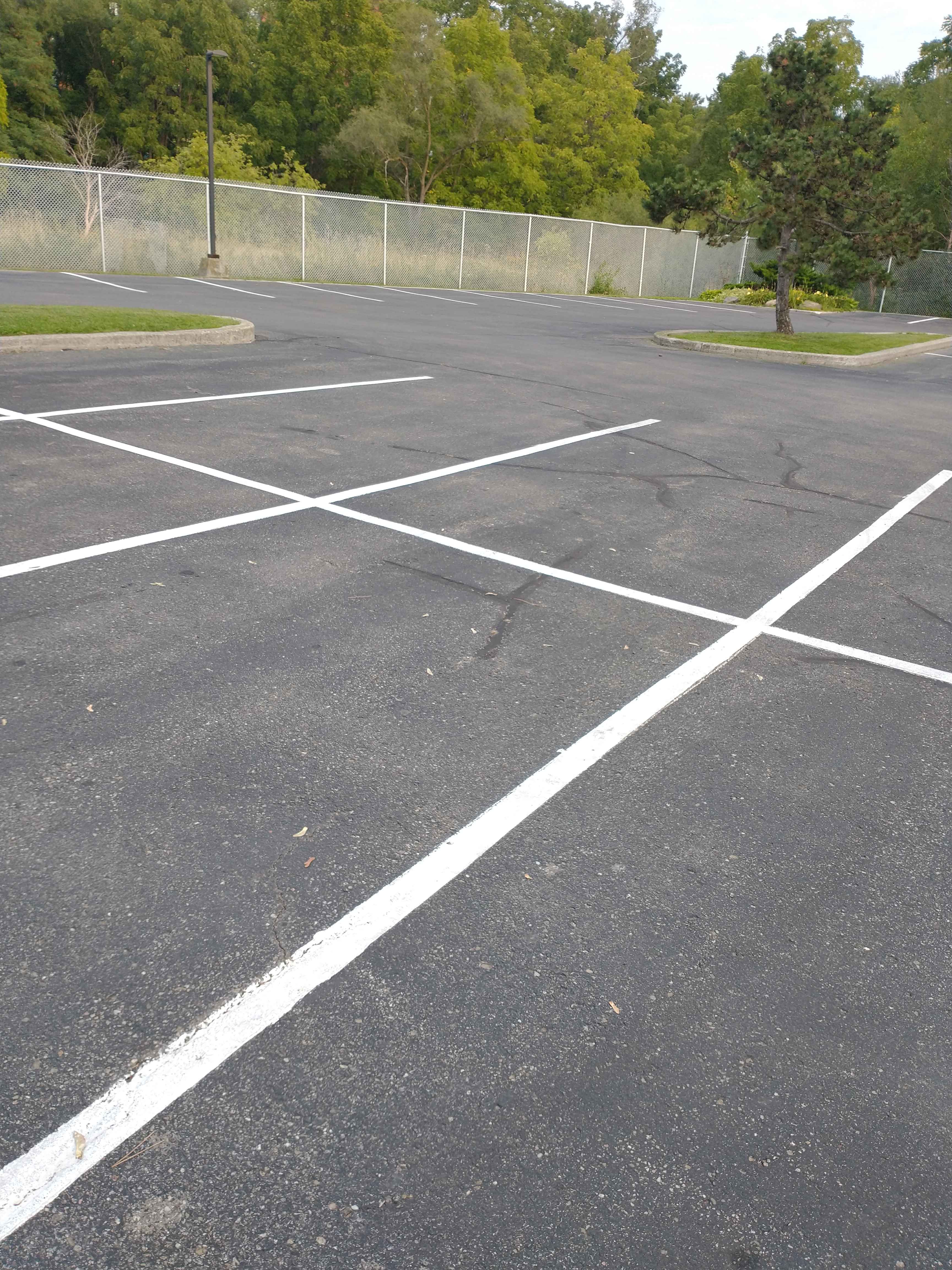
Once your asphalt is structurally sound through proper patching and sealed through crackfilling, the final step in professional lot management is visibility. A well-maintained surface looks incomplete without crisp, clear Line Marking. High-quality Line Painting not only directs traffic flow and ensures safety but also provides that "brand new" look that signals to customers that your business is professional and attentive to detail.
Capital Parking Lot Line Painting specializes in ensuring that once your repairs are done, your parking lot is functional, safe, and visually striking through professional Line Marking services.
Ready to Restore Your Surface?
Don't wait for a small crack to become a massive pothole. Regular maintenance is the most effective way to protect your investment. Whether you need structural patching, preventative crackfilling, or fresh Line Painting, our team is ready to help.