ADA-Compliant Line Marking: Meeting Canadian Accessibility Standards
Navigating the complexities of accessibility regulations is essential for property owners looking to foster an inclusive environment while maintaining legal compliance.
Understanding Accessibility in the Canadian Context
While the term "ADA" (Americans with Disabilities Act) is often used colloquially to refer to accessibility, property owners in Canada must adhere to the specific standards set forth by the Accessibility for Ontarians with Disabilities Act (AODA) and the National Building Code of Canada. These regulations dictate how parking spaces, access aisles, and directional markings must be designed and maintained.
Proper line marking is not just about aesthetics; it is about safety, clarity, and dignity. When a visitor arrives at your facility in a city like Sarnia, they should be able to immediately identify where they can safely park and how to navigate toward the entrance without confusion or physical barriers.
At Capital Parking Lot Line Painting, we specialize in ensuring that every stripe and symbol we apply meets these rigorous standards, helping you avoid potential liability and promote universal access.
The Importance of Precise Line Marking
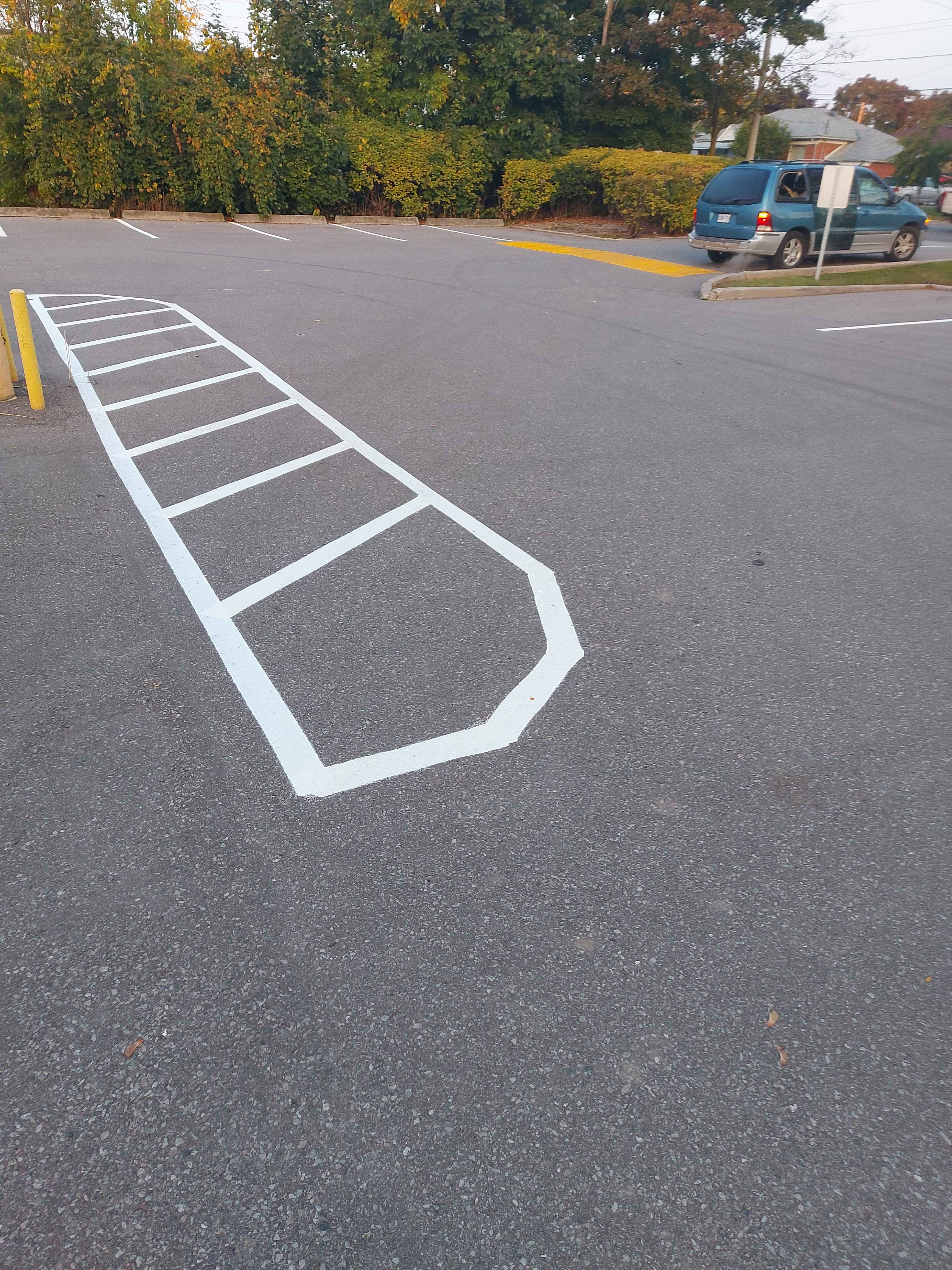
Precision is the cornerstone of effective accessibility. A parking stall that is slightly off-center or an access aisle that is too narrow can render a space useless for someone using a wheelchair or a walker. This is where professional line marking becomes indispensable.
In a bustling top 30 Ontario city like Sarnia, commercial properties face high traffic volumes. This wear and tear can fade markings, making them difficult to see during inclement weather or at night. Regular maintenance through professional line painting ensures that your facility remains compliant and welcoming year-round.
Key Components of Accessible Parking Design
- Van Accessible Spaces: These require larger access aisles to accommodate side-loading ramps.
- High-Contrast Colors: Using bright, contrasting colors (such as white or yellow) ensures markings are visible to those with visual impairments.
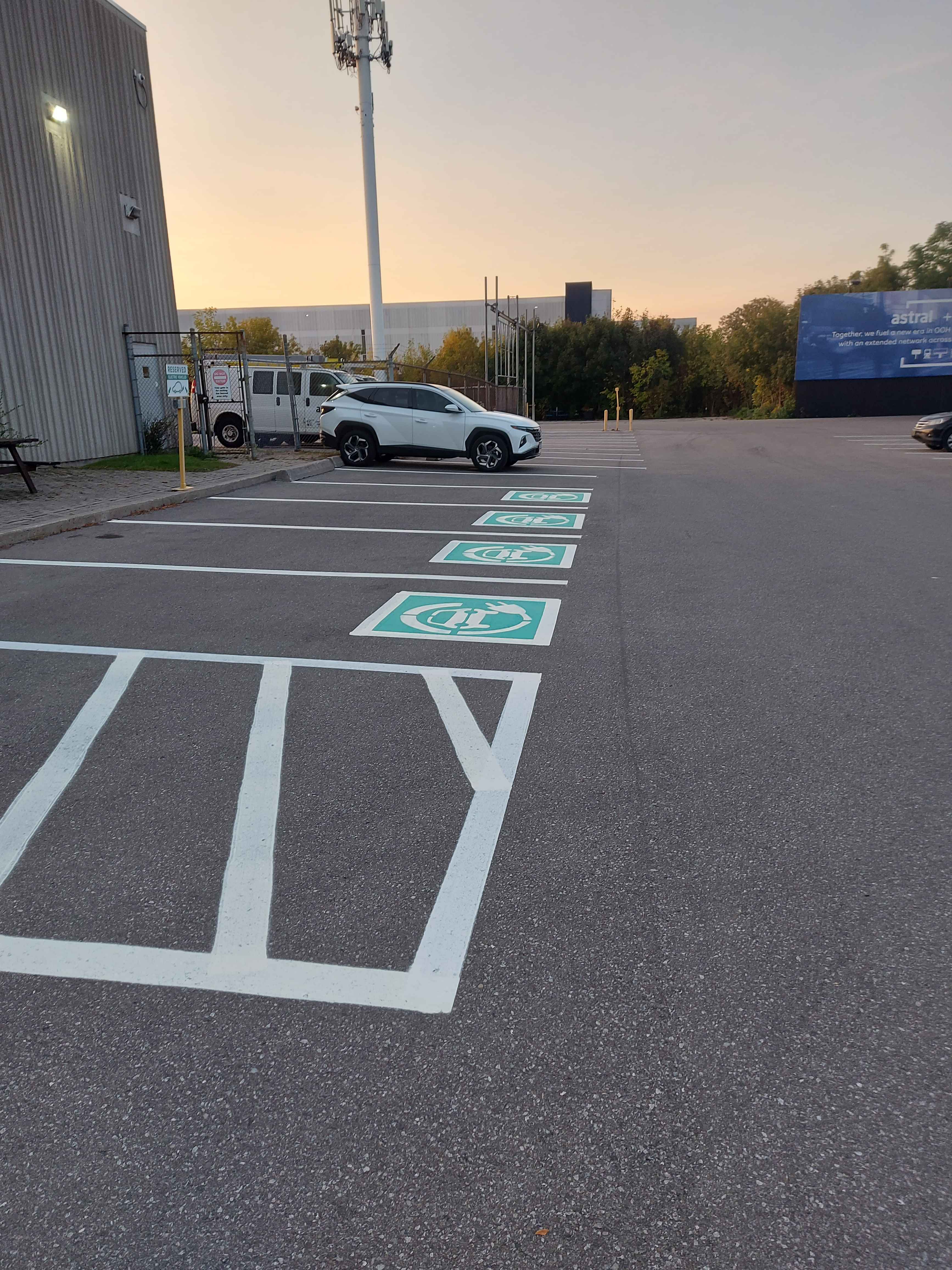
- Standardized Symbols: The International Symbol of Access must be clearly painted within the designated stall.
- Correct Dimensions: Every stall and aisle must meet the exact width and length requirements mandated by local bylaws.
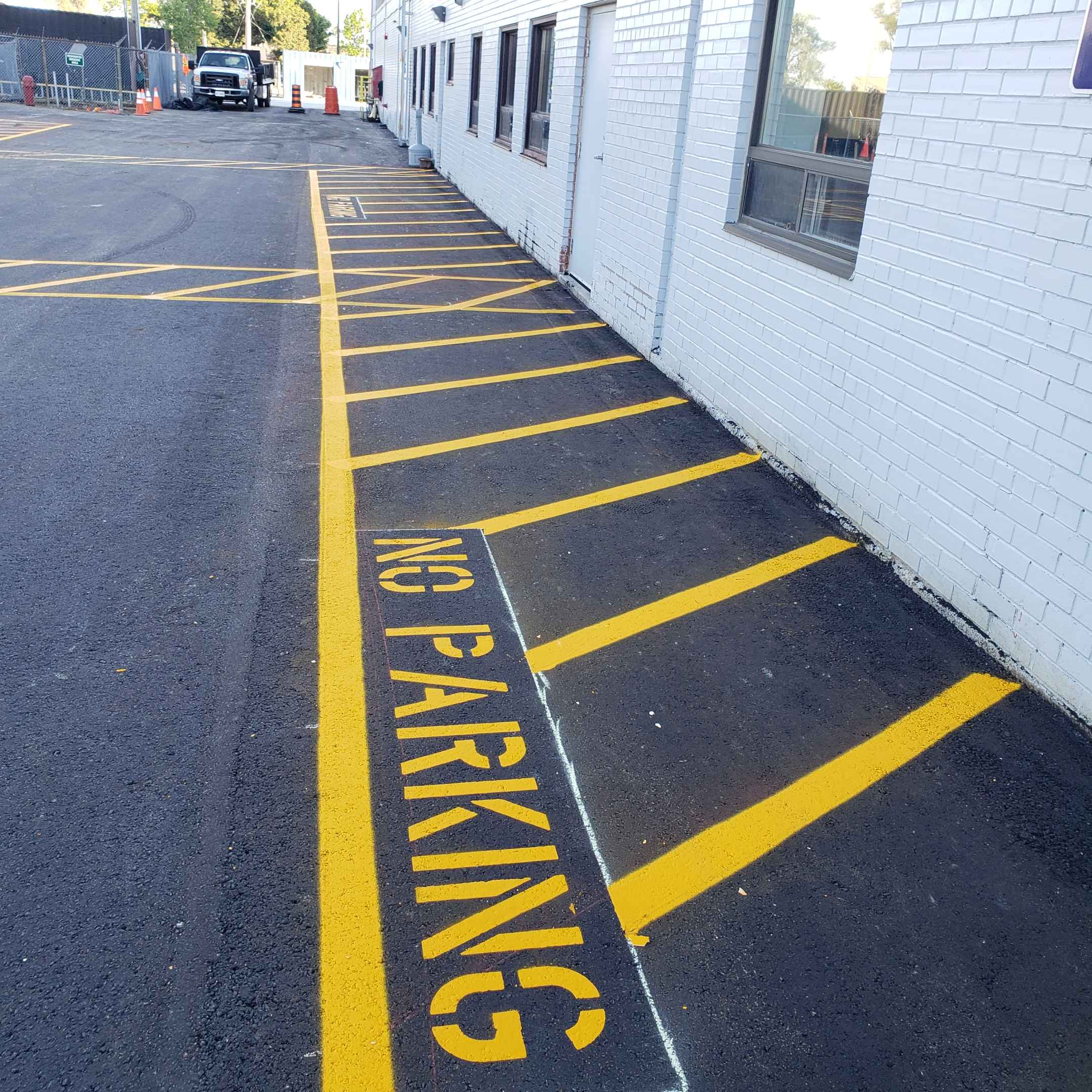
- Directional Cues: Arrows and pedestrian walkways help guide individuals from their vehicles to the building safely.
Common Mistakes in Parking Lot Maintenance
Many property managers inadvertently fall into traps that lead to non-compliance. Avoiding these common pitfalls can save significant time and stress during inspections.
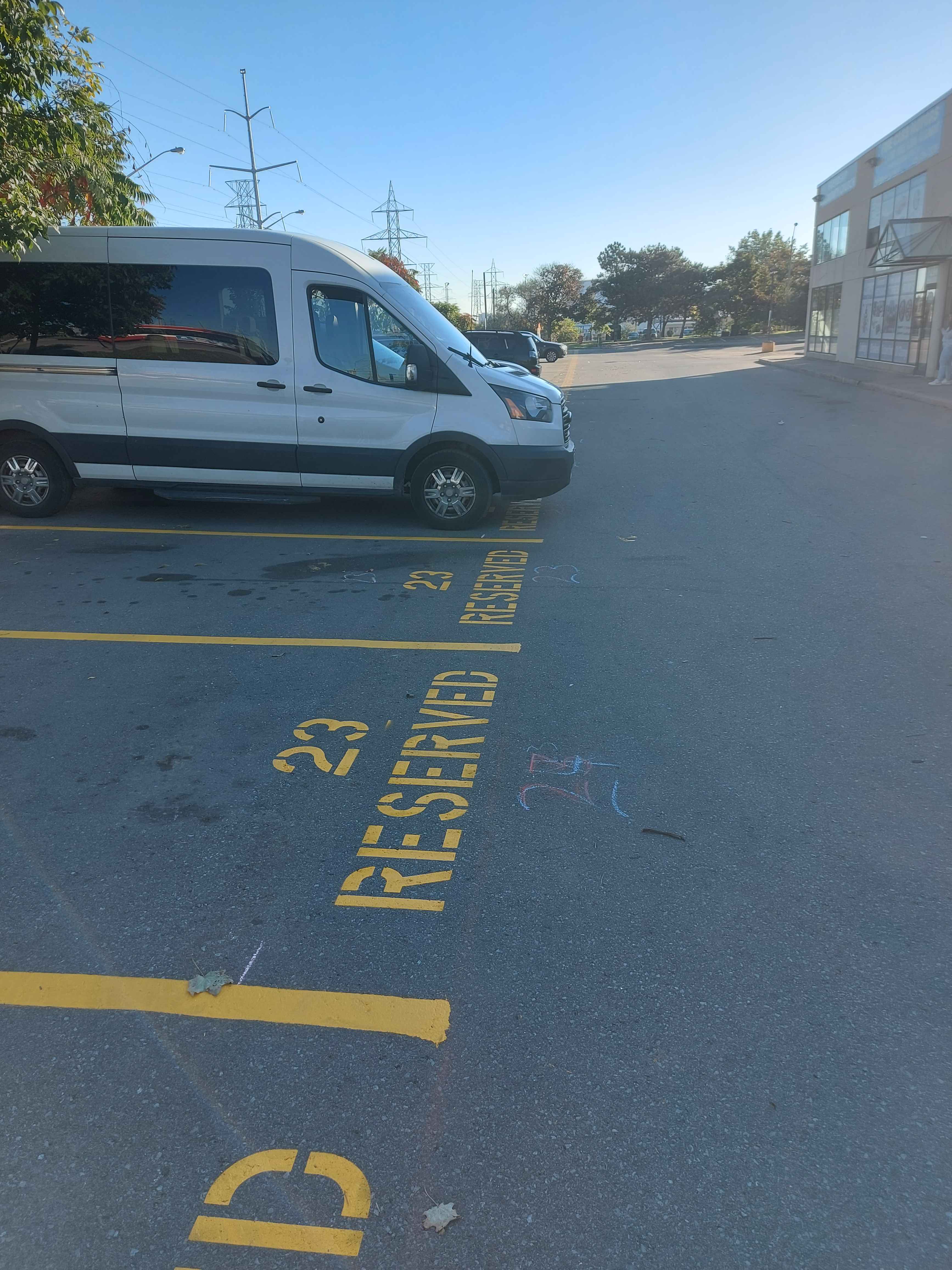
1. Faded Markings: Over time, UV rays and heavy vehicle traffic erode paint. Faded lines are essentially non-existent lines in the eyes of accessibility inspectors.
2. Incorrect Symbol Placement: Placing the accessibility symbol in the wrong part of the stall can impede the ability to use the access aisle correctly.
By partnering with Capital Parking Lot Line Painting, you ensure that these errors are mitigated through expert measurement and high-quality materials designed for longevity.
Why Professional Line Painting Matters
While it may be tempting to attempt DIY line marking, the risks of non-compliance are high. Professional services offer more than just a fresh coat of paint; they offer peace of mind. A professional team understands the nuances of local Ontario regulations and the technical requirements of different paint types.
Capital Parking Lot Line Painting utilizes advanced equipment to deliver crisp, straight lines that withstand the Canadian climate. Whether it is extreme heat in the summer or freezing temperatures in the winter, our line marking solutions are built to last.
Ready to Upgrade Your Facility?
Don't wait for an inspection to find out your parking lot is non-compliant. Ensure your property is accessible, safe, and professional with expert line marking services.