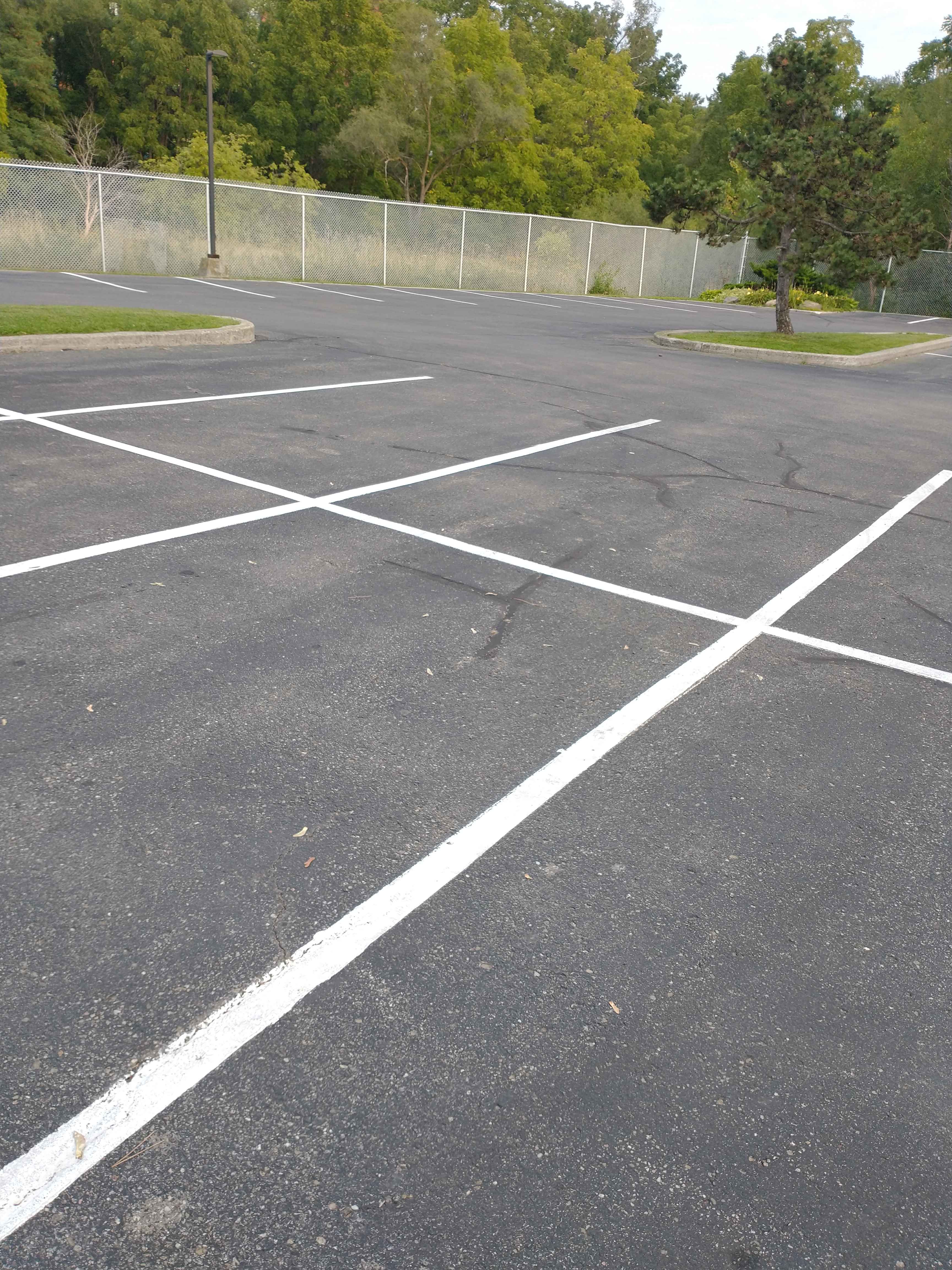
What Causes Asphalt Cracks and How to Prevent Them
Understanding the science behind pavement deterioration is the first step toward protecting your commercial investment.
For property owners in Sarnia, maintaining a pristine parking lot is more than just a matter of aesthetics; it is a fundamental aspect of safety, liability management, and curb appeal. However, one of the most common and frustrating challenges faced by pavement owners is the appearance of cracks. While a few small fissures might seem minor, left unaddressed, they can quickly escalate into costly structural failures.
At Capital Parking Lot Line Painting, we see firsthand how neglect can turn a manageable surface into a crumbling hazard. Understanding why these cracks occur is essential for implementing a proactive maintenance strategy that saves time and resources in the long run.
The Primary Causes of Asphalt Cracking
Asphalt is a flexible pavement, meaning it is designed to move slightly under pressure. However, when the environmental or physical stresses exceed its design capacity, the material begins to fracture. Here are the most common culprits:
1. Thermal Expansion and Contraction
In regions like Ontario, the extreme temperature swings between blistering summers and freezing winters are brutal on asphalt. As the sun heats the surface, the asphalt expands. When temperatures plummet, it contracts. This constant movement creates internal stress, eventually leading to "thermal cracking." Over time, these cracks can weave through the entire surface.
2. Moisture Infiltration
Water is perhaps the greatest enemy of asphalt. When cracks form—even microscopic ones—water seeps into the sub-base. In a city like Sarnia, where freeze-thaw cycles are frequent, that trapped water turns to ice, expands, and pushes the asphalt apart from the inside out. This process, known as frost heaving, can turn a small crack into a massive pothole in a single season.
3. Heavy Traffic and Load Stress
Parking lots are designed to handle specific weight limits. When heavy delivery trucks or oversized vehicles frequently traverse the same paths, they create "alligator cracking." This pattern resembles the scales of an alligator and indicates that the sub-grade underneath the asphalt has failed due to excessive weight or poor compaction.
Common Types of Cracks to Watch For
- Transverse Cracks: Cracks that run perpendicular to the direction of travel, often caused by temperature changes.
- Longitudinal Cracks: Cracks that run parallel to the direction of travel, often indicating sub-grade issues.
- Alligator Cracking: Interconnected cracks caused by structural fatigue and heavy loads.
- Block Cracking: Large, rectangular cracks caused by the aging and oxidation of the asphalt binder.
How to Prevent Asphalt Failure
The good news is that you don't have to wait for your parking lot to fall apart before taking action. Prevention is significantly more effective than total reconstruction. Capital Parking Lot Line Painting recommends a multi-tiered approach to pavement longevity.
Sealcoating: Your First Line of Defense
Sealcoating creates a protective barrier that shields the asphalt from UV rays, water, and oil spills. By applying a high-quality sealant, you prevent the oxidation process that makes asphalt brittle. Regular sealcoating is one of the most cost-effective ways to keep your surface flexible and dark.
Timely Crack Filling
Once a crack appears, it must be filled immediately. Using professional-grade crack fillers prevents water from reaching the sub-base. This simple step halts the freeze-thaw cycle damage before it becomes a structural problem. If you notice cracks, contact Capital Parking Lot Line Painting to ensure they are treated with the correct materials for your specific surface type.
Professional Line Marking and Maintenance
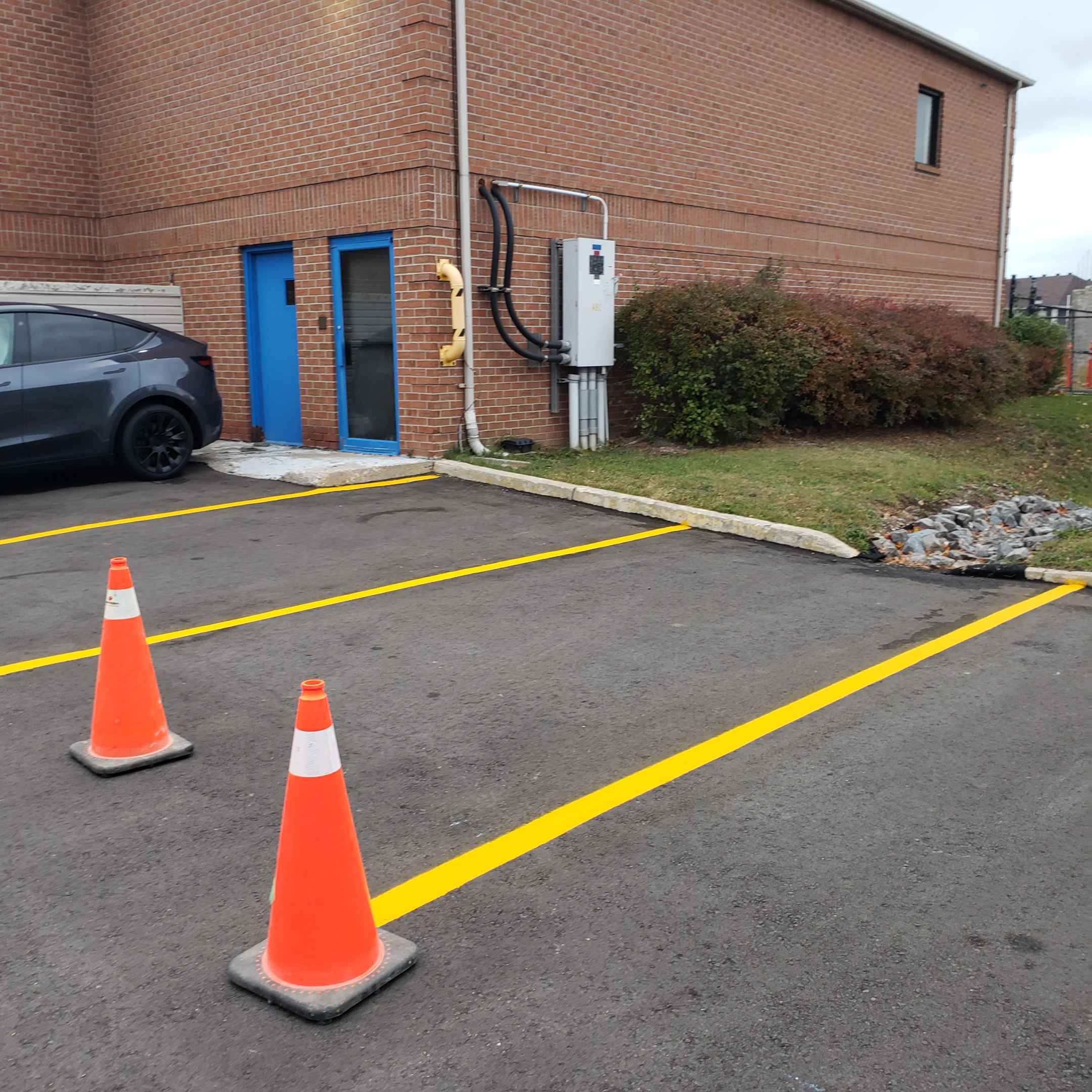
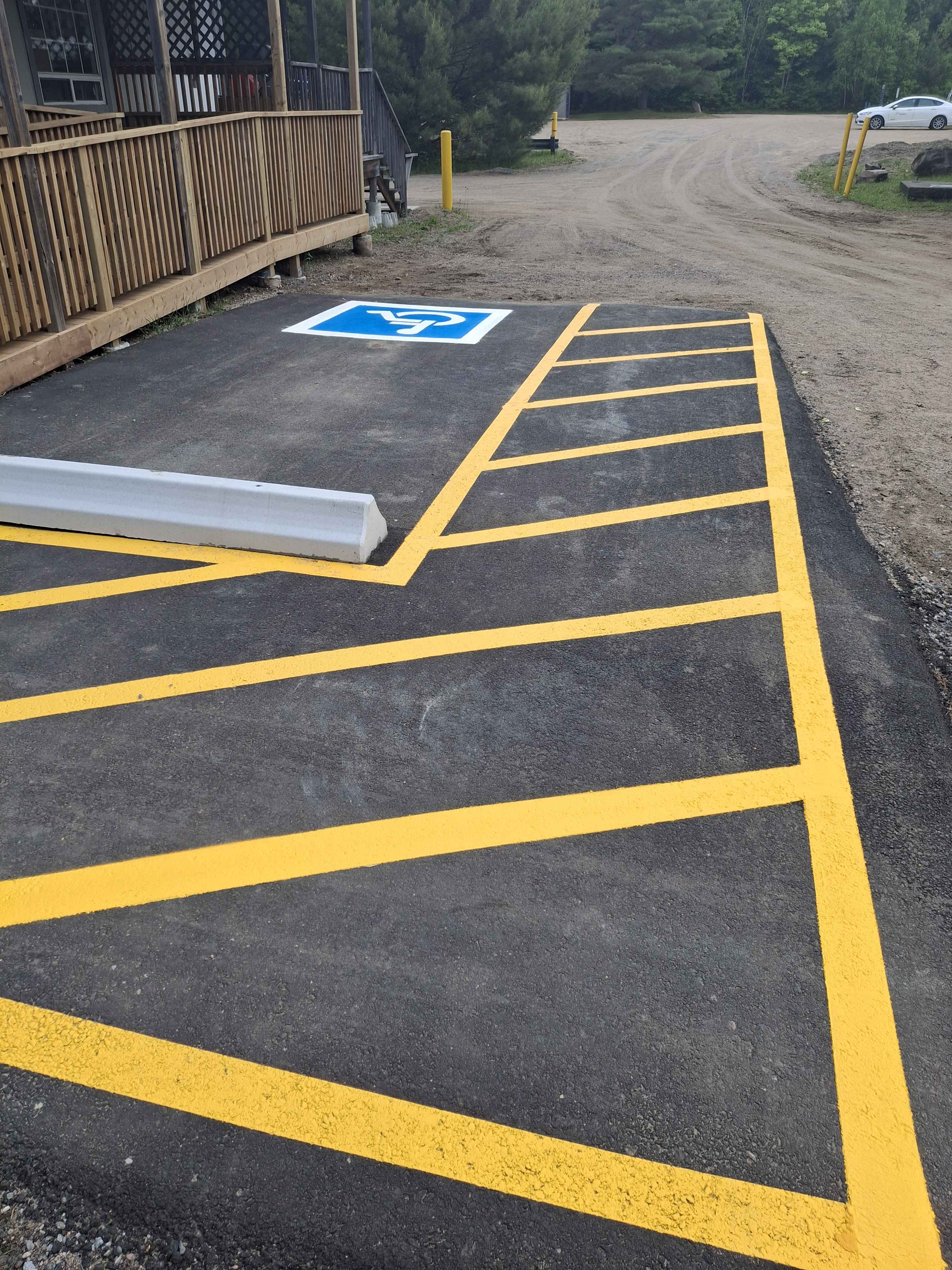
A well-maintained parking lot isn't just about the blacktop; it's about visibility and organization. Regular Line Marking ensures that traffic flow is orderly, which reduces the likelihood of vehicles driving over curbs or sensitive areas, thereby reducing uneven wear. Clear, bright Line Painting also signals to customers that the property is well-managed and safe.
Summary Checklist for Property Managers
To keep your asphalt in peak condition, follow these best practices:
- ✅ Inspect surface quarterly for new fissures.
- ✅ Schedule sealcoating every 3-5 years.
- ✅ Ensure drainage systems are clear to prevent pooling.
- ✅ Refresh Line Painting to maintain safety standards.
- ✅ Address potholes immediately upon discovery.
- ✅ Avoid heavy vehicle traffic on non-load-bearing areas.
Protect Your Investment Today
Don't let small cracks turn into massive headaches. From professional sealcoating to expert Line Marking, our team is here to ensure your pavement remains durable and visually appealing for years to come.