How Water and Salt Damage Asphalt Through Cracks
Understanding the silent destruction beneath your feet and how to protect your investment.
For property owners in Cambridge, maintaining a pristine parking lot is more than just a matter of aesthetics; it is a critical component of safety and long-term asset management. However, even the most well-constructed asphalt surfaces are under constant siege from the elements. Two of the most formidable enemies of your pavement are water and road salt. When these two forces interact with existing cracks in your asphalt, they trigger a cycle of decay that can transform a minor nuisance into a major structural failure.
At Capital Parking Lot Line Painting, we see firsthand how neglect in the early stages of cracking can lead to significant deterioration. Understanding the science behind this damage is the first step toward effective prevention.
The Role of Water: The Freeze-Thaw Cycle
Water is the primary catalyst for asphalt degradation. While asphalt is designed to be water-resistant, it is not waterproof. Asphalt is a semi-flexible material, and over time, thermal expansion and contraction, heavy vehicle loads, and UV exposure cause small fissures to appear. These cracks serve as entry points for moisture.
The Mechanics of Expansion
In a city like Cambridge, which experiences distinct seasonal shifts, the freeze-thaw cycle is particularly aggressive. When water enters a crack and the temperature drops below freezing, that water turns into ice. Because water expands by approximately 9% when it freezes, it exerts immense internal pressure against the walls of the crack. This pressure widently the fissure, pushing the asphalt particles further apart.
When the ice melts in the spring, it leaves behind a larger void, allowing even more water to penetrate deeper into the sub-base. This process repeats every time the temperature fluctuates, effectively "prying" your pavement apart from the inside out.
The Salt Factor: Chemical and Physical Aggression
While water provides the physical force, road salt provides the chemical and structural reinforcement for destruction. During Ontario winters, salt is applied liberally to prevent ice buildup. While necessary for safety, salt is a silent killer for asphalt surfaces.
Chemical Erosion and Sub-base Weakening
Saltwater solutions are highly corrosive. When salt-laden water seeps into cracks, it doesn't just stay in the asphalt; it travels down to the aggregate and the sub-base. The salt can begin to dissolve the binding agents that hold the base material together. Once the sub-base is compromised, the asphalt loses its foundation, leading to potholes and deep depressions.
Increased Freeze-Thaw Intensity
Interestingly, salt can actually exacerbate the freeze-thaw cycle. While salt lowers the freezing point of water, the chemical reaction can alter the way moisture behaves within the pavement structure, often leading to more rapid structural shifts during temperature swings.
Common Signs of Asphalt Deterioration
Don't wait for a pothole to appear. Watch for these early warning signs:
- Hairline Cracks: The very first sign of aging and UV damage.
- Alligator Cracking: A pattern of interconnected cracks resembling reptile skin, indicating sub-base failure.
- Edge Cracking: Cracks occurring along the edges of the pavement, often due to poor drainage.
- Potholes: The final stage of water and salt damage where the surface has completely collapsed.
- Depressions: Areas that feel soft or uneven, signaling moisture in the sub-base.
Preventative Maintenance: A Proactive Approach
The most cost-effective way to manage your parking lot is to address issues before they become structural. Capital Parking Lot Line Painting recommends a multi-tiered approach to maintenance.
Crack Sealing and Filling
The most effective defense against water and salt is to seal the entry points. Professional crack sealing involves cleaning out the debris from the crack and filling it with a flexible, rubberized sealant that can move with the pavement during temperature changes. This creates a waterproof barrier that prevents the freeze-thaw cycle from starting.
Proper Drainage and Line Marking
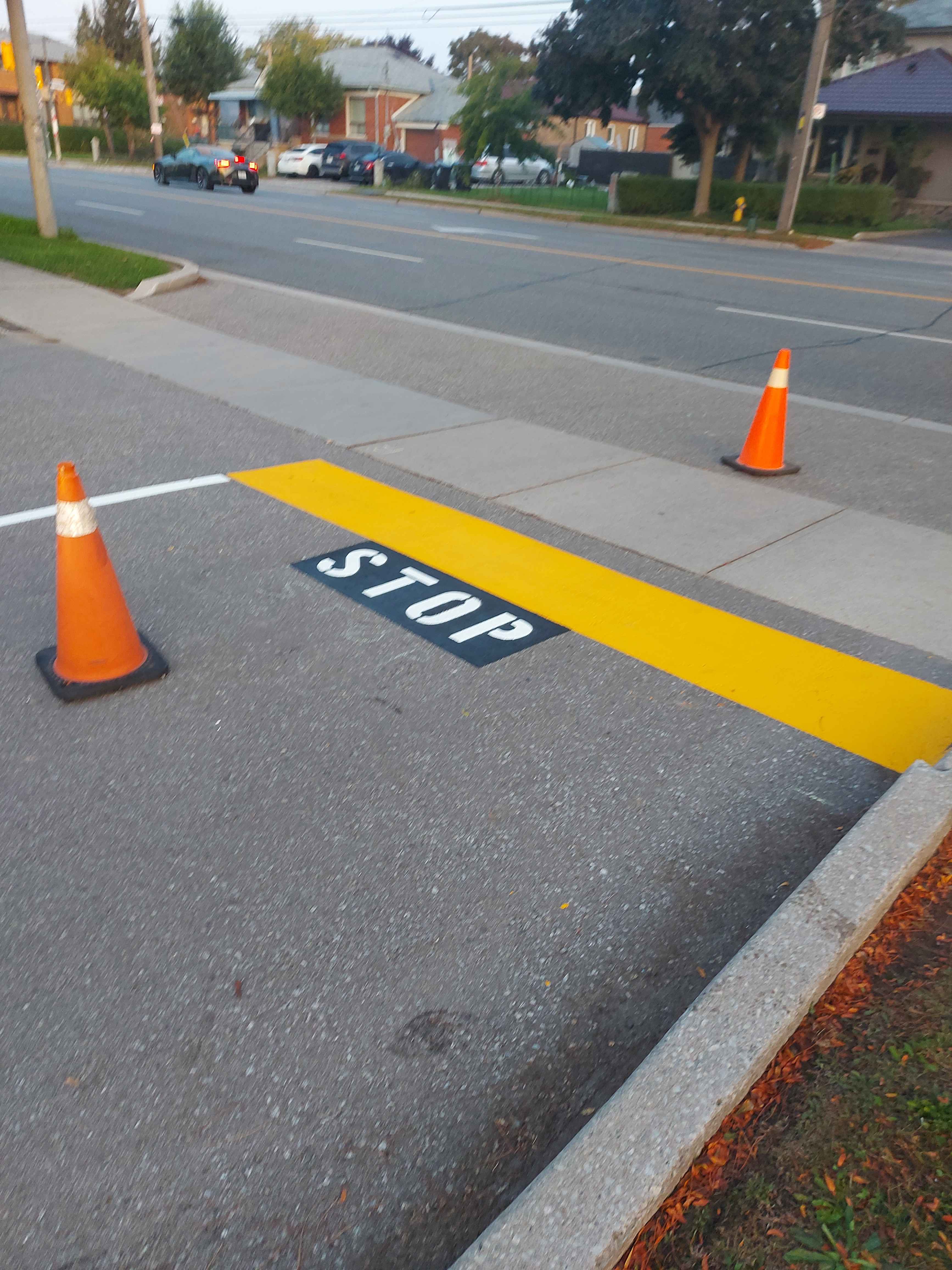
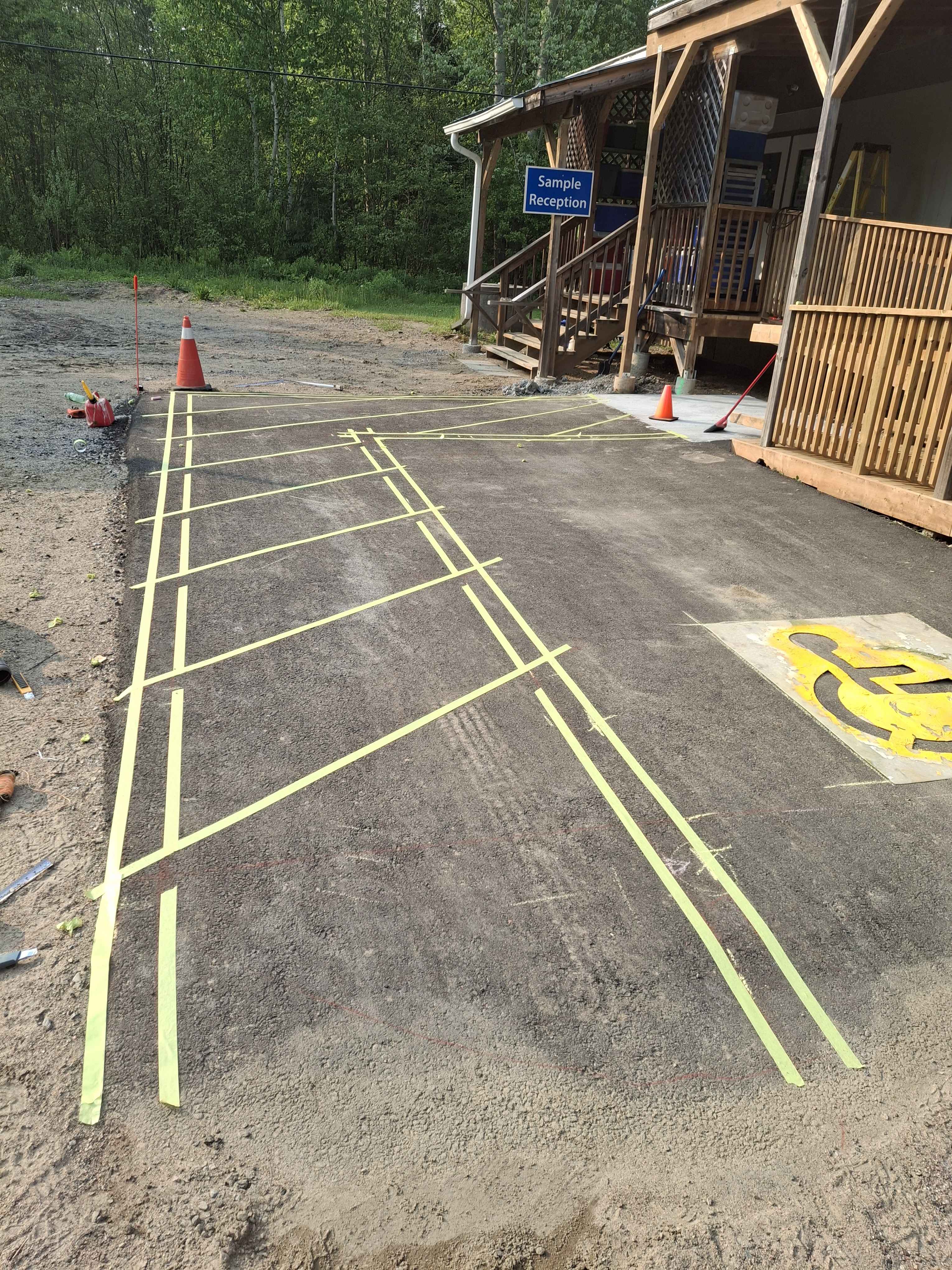
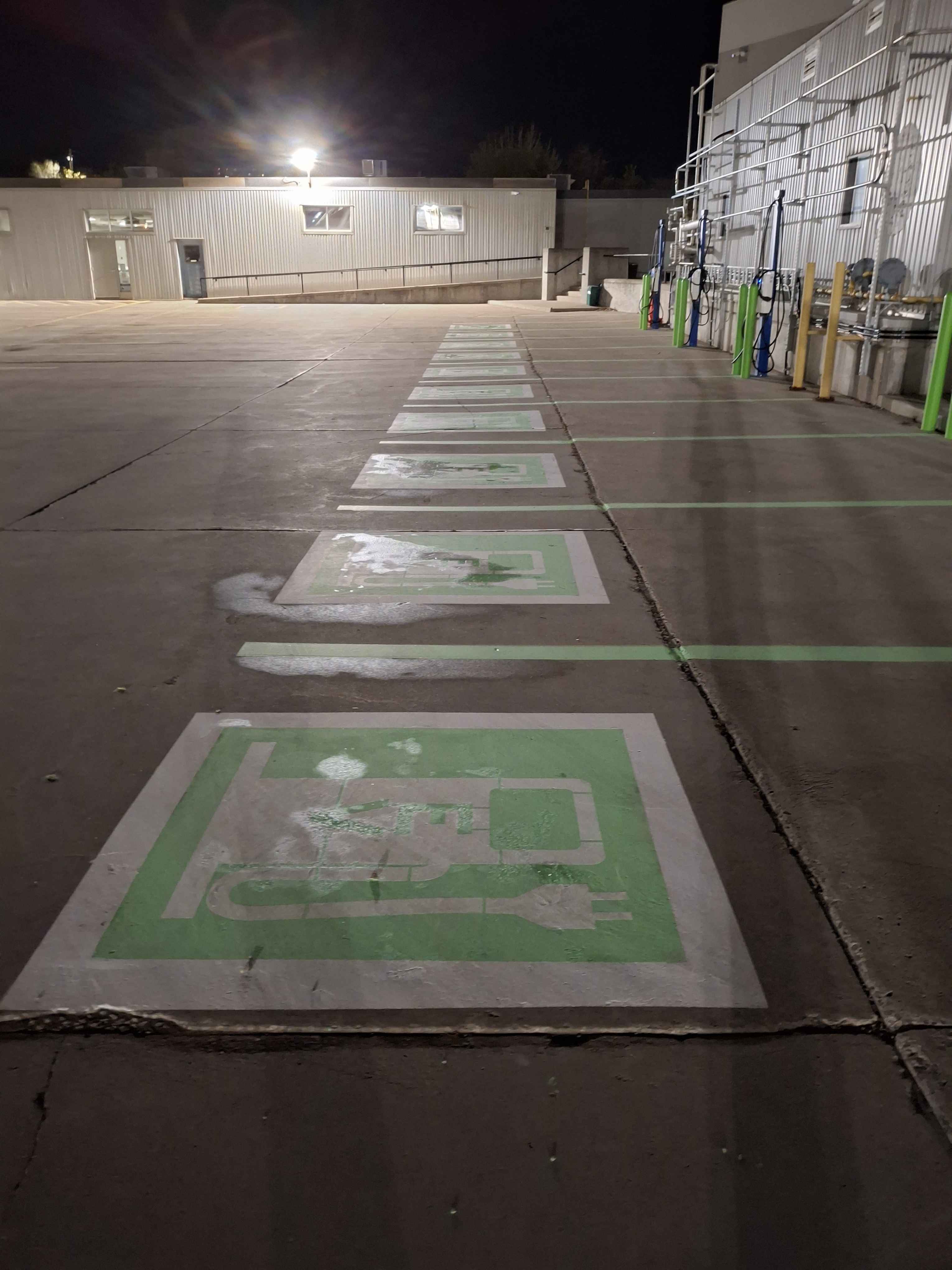
Water management is key. Ensuring that your lot is graded correctly so water flows away from cracks is essential. Furthermore, maintaining clear visibility with professional Line Marking helps guide traffic away from damaged or weakened areas of the lot, preventing heavy vehicles from further stressing compromised sections.
Regularly scheduled Line Painting also serves as a visual inspection tool; as you refresh your markings, your team can more easily spot new cracks or signs of erosion that need attention.
Why Professional Care Matters
Attempting to "patch" cracks with DIY materials often provides a false sense of security. These temporary fixes rarely bond correctly with the existing asphalt and can actually trap moisture inside the crack, accelerating the damage. By partnering with experts like Capital Parking Lot Line Painting, you ensure that the materials used are specifically designed for the harsh Ontario climate.
Whether you are managing a commercial complex or a retail center in Cambridge, investing in professional maintenance today prevents the massive expense of a full asphalt overlay tomorrow.
Protect Your Assets
Don't let the seasons destroy your pavement. Contact the professionals at Capital Parking Lot Line Painting to schedule an inspection and keep your parking lot safe and durable.