What Causes Asphalt Cracks and How to Prevent Them
Maintaining a smooth, crack-free parking lot is essential for safety, aesthetics, and long-term structural integrity.
For property owners in Whitby, a top 30 city in Ontario, maintaining asphalt surfaces is a constant battle against the elements. Whether it is a commercial parking lot or a residential driveway, cracks are almost inevitable over time. However, understanding why these cracks occur is the first step in preventing costly full-scale replacements. At Capital Parking Lot Line Painting, we see firsthand how neglected cracks can quickly escalate into major structural failures.
Understanding the Root Causes of Asphalt Cracking
Asphalt is a flexible pavement, meaning it is designed to move slightly under weight and temperature changes. However, when the stress exceeds its capacity, cracks appear. Here are the most common culprits:
1. Thermal Expansion and Contraction
In Ontario, our seasons are extreme. During the summer, the sun heats the asphalt, causing it to expand. In the winter, the drop in temperature causes it to contract. This constant cycle of movement puts immense stress on the bitumen binder, eventually leading to cracks.
2. Water Penetration and the Freeze-Thaw Cycle
Water is the greatest enemy of asphalt. When tiny fissures form, water seeps into the base layer. When that water freezes, it expands, pushing the asphalt apart from the inside. This is particularly prevalent in Whitby, where winter cycles are harsh. Once the base is compromised, the surface will begin to sink or crack significantly.
3. Heavy Traffic Loads and Structural Fatigue
If a parking lot is designed for passenger vehicles but is frequently used by heavy delivery trucks, the weight can exceed the pavement's load-bearing capacity. This leads to "alligator cracking," which looks like the scales of a reptile and indicates a failure in the sub-base.
How to Prevent Asphalt Damage
The key to longevity is proactive maintenance. It is far more effective to seal a small crack today than to repave an entire lot tomorrow. Capital Parking Lot Line Painting recommends several key strategies to keep your pavement in top shape.
Routine Sealcoating
Sealcoating acts as a protective barrier against UV rays, water, and oil spills. By applying a high-quality sealant, you fill in micro-cracks before they become visible, preventing water from reaching the sub-base.
Timely Crack Filling
Once a crack becomes visible, it must be filled immediately. Professional crack filling involves cleaning the crack and injecting a hot-poured rubberized sealant that expands and contracts with the temperature, keeping the water out.
Essential Maintenance Checklist
- Perform an annual visual inspection of the entire lot.
- Sealcoat your asphalt every 2–3 years depending on usage.
- Address cracks as soon as they appear to prevent water ingress.
- Ensure proper drainage to prevent standing water on the surface.
- Refresh Line Marking regularly to maintain safety and visibility.
The Role of Visibility and Safety
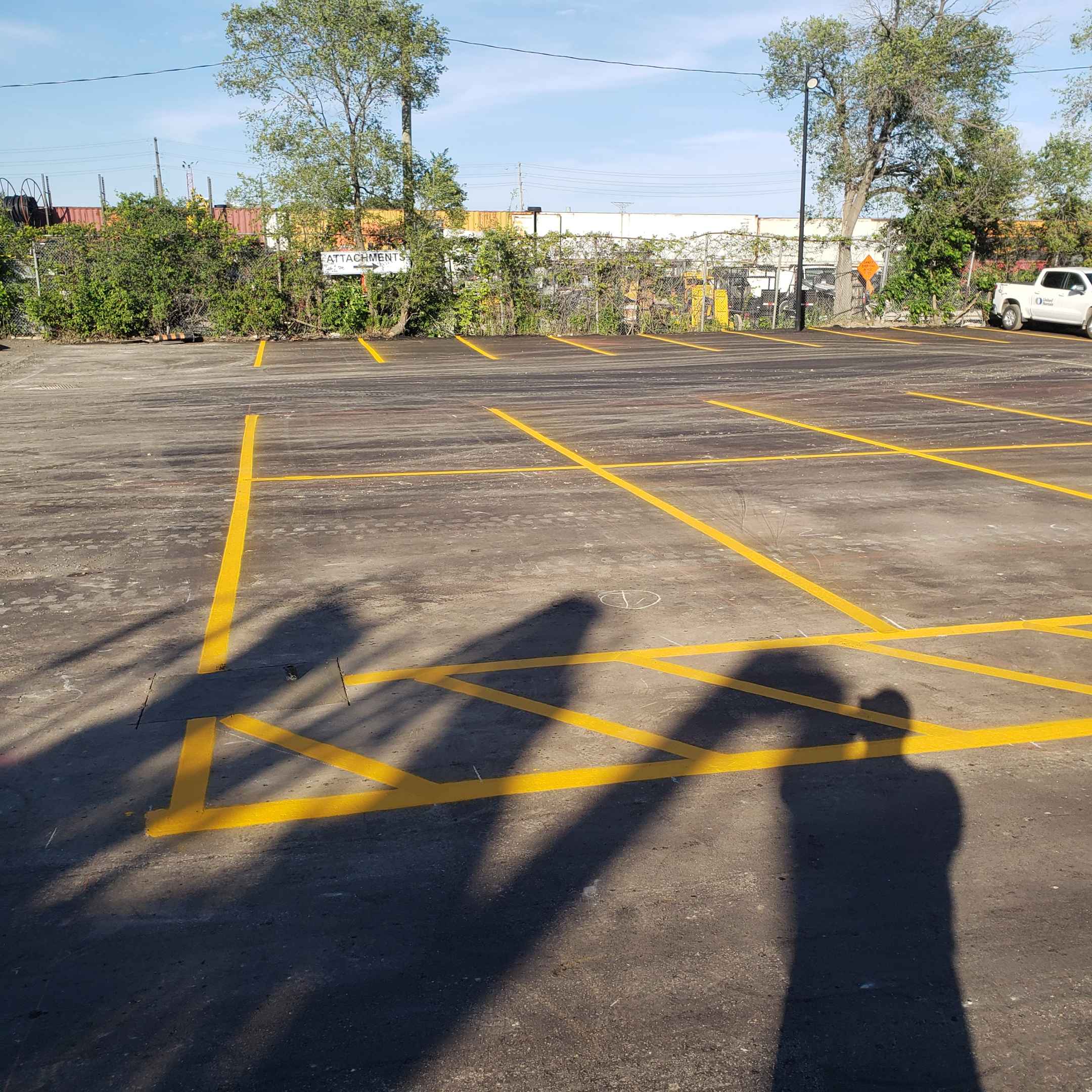
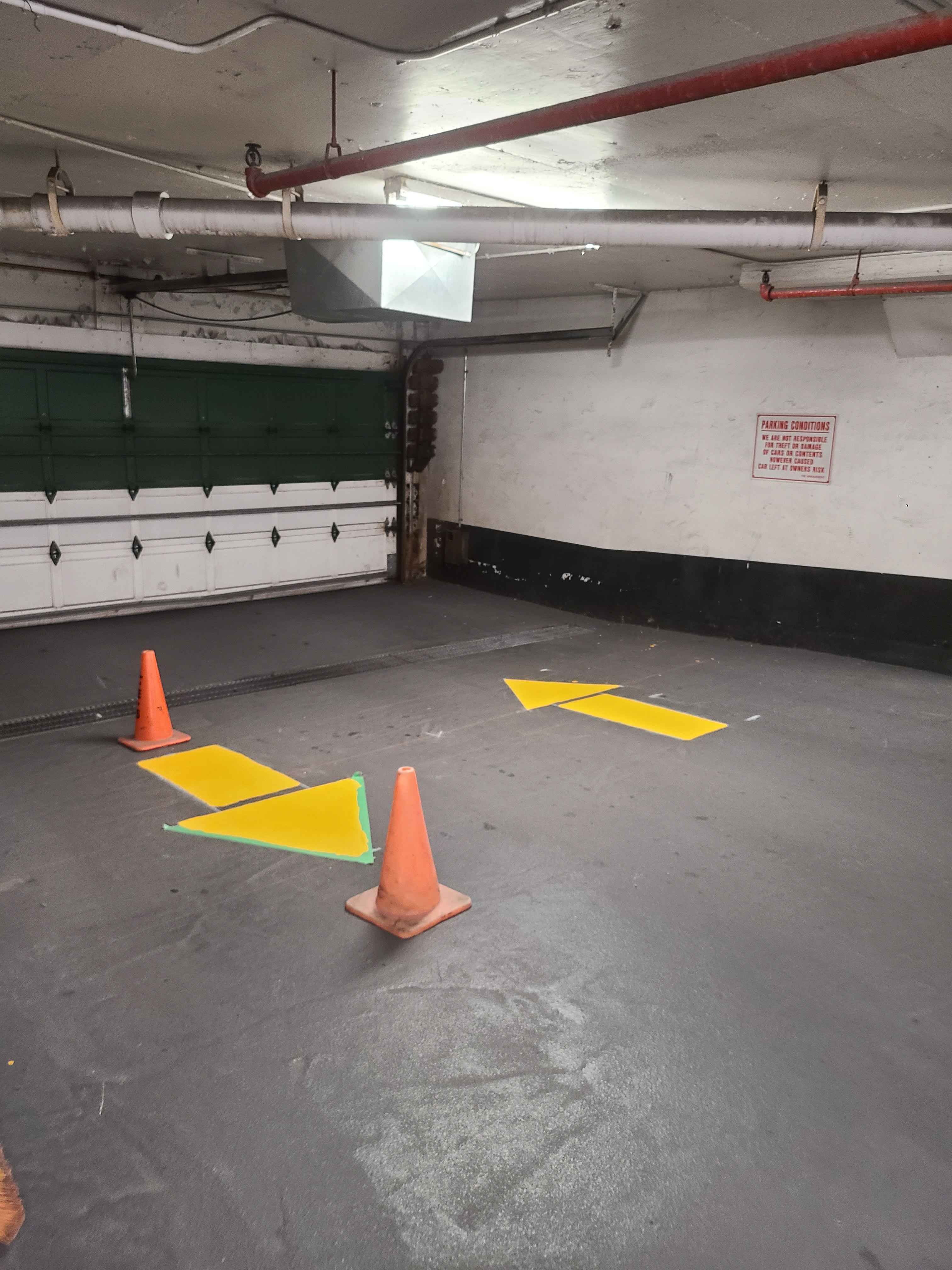
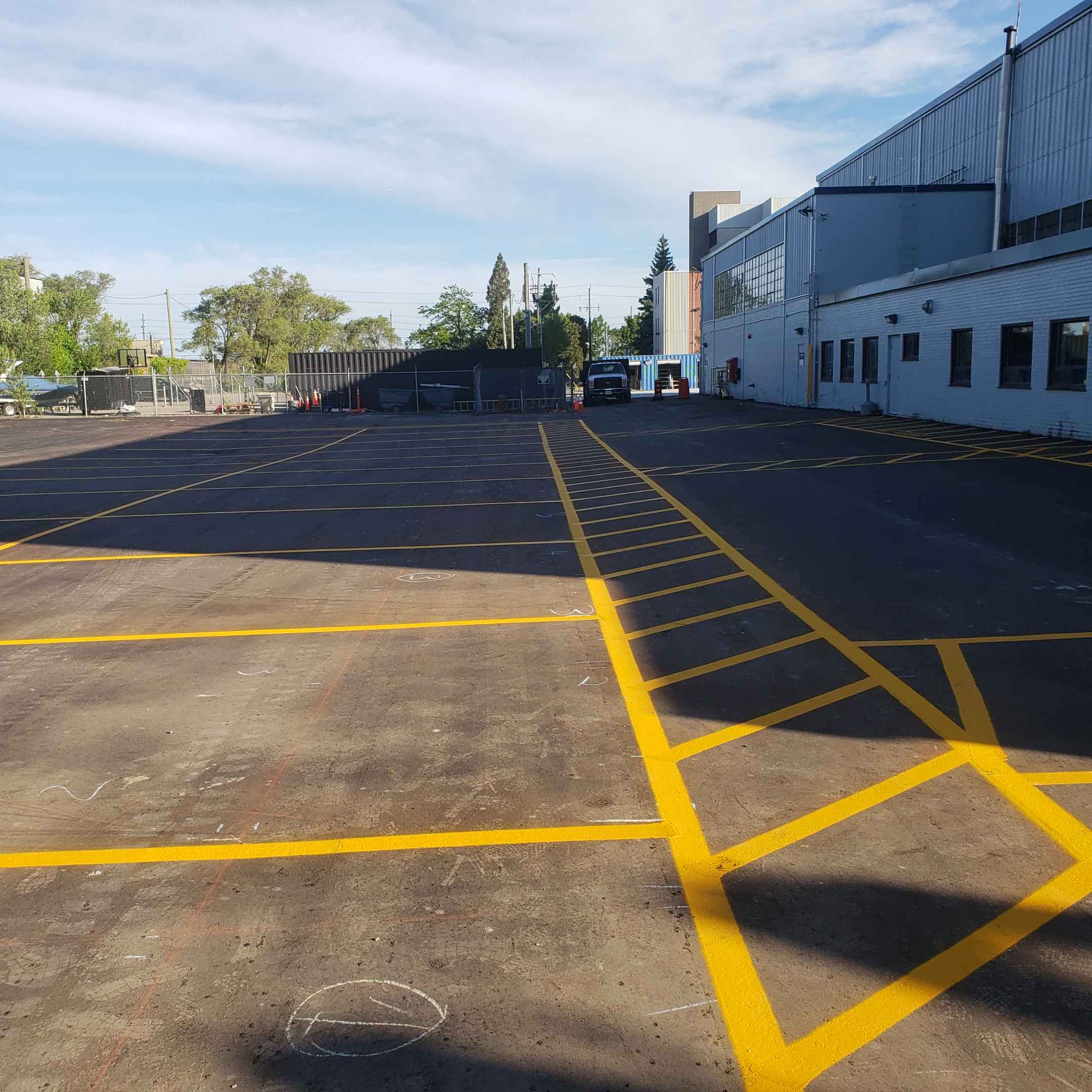
While structural integrity is vital, the visual aspect of your parking lot also dictates safety and professionalism. Cracks can create tripping hazards, but faded markings can lead to accidents. This is where professional Line Painting becomes crucial. Clear, bright lines guide traffic flow and ensure that parking stalls are used correctly, reducing the likelihood of vehicles driving over weakened or cracked sections of the pavement.
Conclusion
Preventing asphalt cracks requires a combination of environmental awareness and consistent maintenance. By addressing small issues early through sealcoating, crack filling, and professional Line Marking, you can significantly extend the life of your investment. If you are looking for expert care, Capital Parking Lot Line Painting is here to help you maintain a safe and durable surface.
Need Professional Maintenance?
Don't wait for the cracks to become a crisis. Contact the experts at Capital Parking Lot Line Painting to schedule your inspection and maintenance plan today.