The Science Behind Asphalt Cracking and How to Stop It
Understanding the structural integrity of your pavement is the first step toward long-term durability and professional aesthetics.
The Anatomy of Asphalt
Asphalt is not a solid, unchanging slab of rock; it is a complex, viscoelastic material. It consists of mineral aggregates (stones, sand, and gravel) bound together by a sticky, black substance known as bitumen. This mixture is designed to be flexible, allowing it to absorb the weight of vehicles and the shifting of the earth beneath it. However, this very flexibility is what makes it susceptible to specific types of structural failure.
When we talk about pavement longevity in a major hub like Brampton, we have to account for the intense environmental stressors that the local climate provides. From freezing winters to sweltering summers, the molecular structure of the bitumen is constantly under siege.
Why Does Asphalt Crack? The Scientific Drivers
Cracking is rarely the result of a single event. Instead, it is usually the culmination of several scientific processes working in tandem. Understanding these can help you work with experts like Capital Parking Lot Line Painting to implement the right preventative measures.
1. Thermal Expansion and Contraction
Temperature fluctuations are perhaps the most significant enemy of asphalt. As temperatures rise, the bitumen expands; as they drop, it contracts. This constant movement creates internal tension. Over time, if the material cannot accommodate this movement, it reaches a breaking point, resulting in 'thermal cracking.'
2. Oxidation and UV Degradation
Sunlight contains ultraviolet (UV) radiation, which acts as a catalyst for oxidation. When bitumen is exposed to oxygen and UV rays, it undergoes a chemical change that makes it brittle. Brittle asphalt loses its ability to flex, making it much more likely to snap under pressure rather than bend.
3. Load Stress and Fatigue
Every time a vehicle rolls over a parking lot, the pavement undergoes a cycle of loading and unloading. This is known as fatigue. If the weight exceeds the structural capacity of the subgrade or the asphalt layer itself, 'alligator cracking' occurs—a pattern that looks like the scales of a reptile.
Common Types of Asphalt Cracks
- Alligator Cracking: Small, interconnected cracks caused by fatigue and structural failure.
- Longitudinal Cracking: Cracks that run parallel to the direction of travel, often caused by poor joint construction.
- Transverse Cracking: Cracks that run perpendicular to the direction of travel, usually due to thermal stress.
- Block Cracking: Large, rectangular cracks caused by the aging and oxidation of the bitumen.
Preventative Strategies: How to Stop the Spread
The goal of any property manager should be proactive maintenance rather than reactive repair. Once a crack becomes a pothole, the repair process becomes significantly more complex and intensive. Capital Parking Lot Line Painting recommends a multi-tiered approach to preservation.
Sealcoating: The First Line of Defense
Sealcoating is more than just a cosmetic upgrade. It acts as a sacrificial layer that protects the asphalt from oxidation and water penetration. By applying a high-quality sealant, you are essentially providing a new 'skin' that absorbs the UV damage so your actual pavement doesn't have to.
Crack Filling and Sealing
Water is the ultimate destroyer of asphalt. When water enters a small crack and freezes, it expands, forcing the crack to grow wider (the freeze-thaw cycle). Filling these cracks early prevents water from reaching the subgrade, which is vital for maintaining stability in cities like Brampton where winter weather is a certainty.
Professional Line Marking
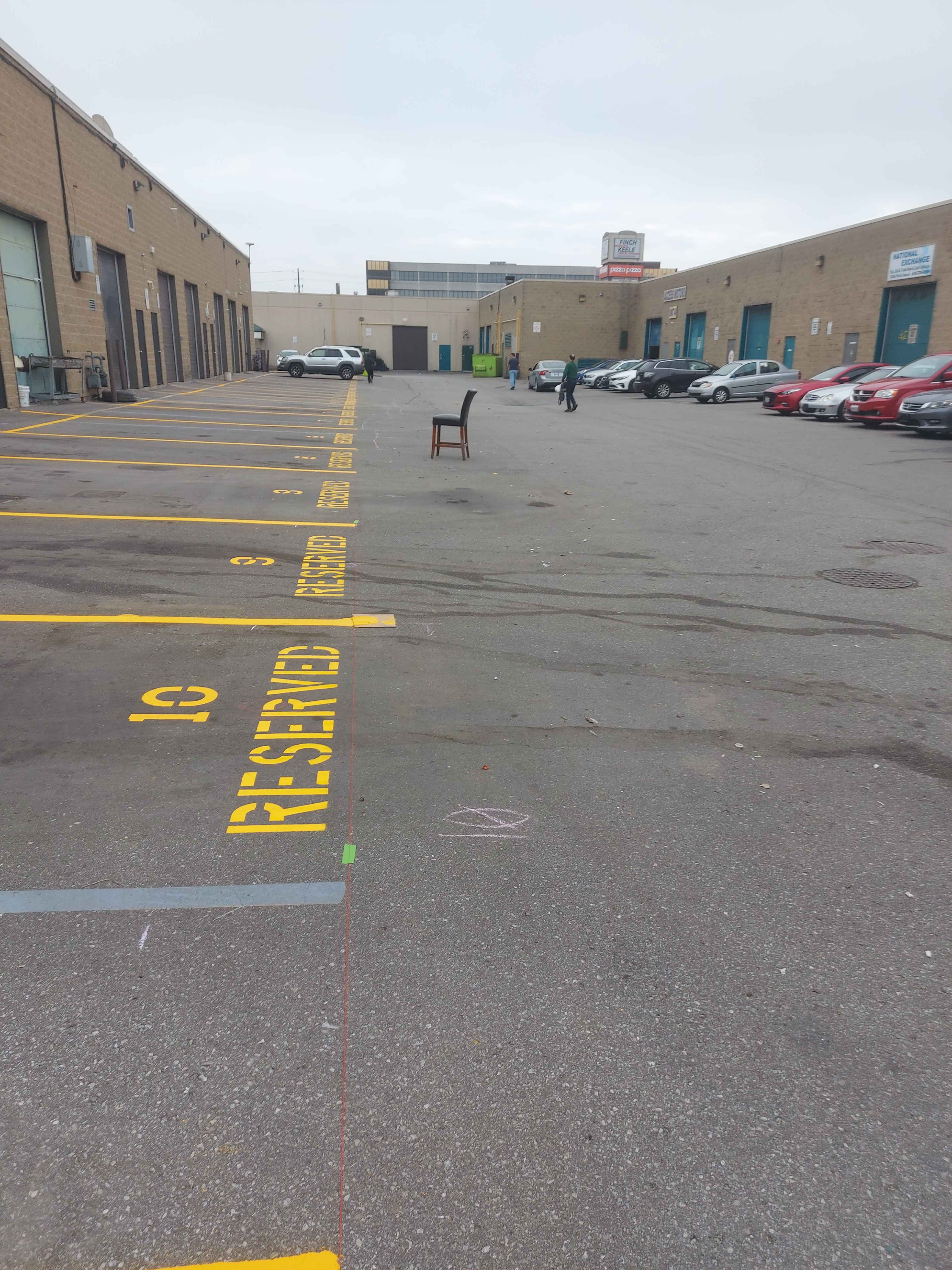
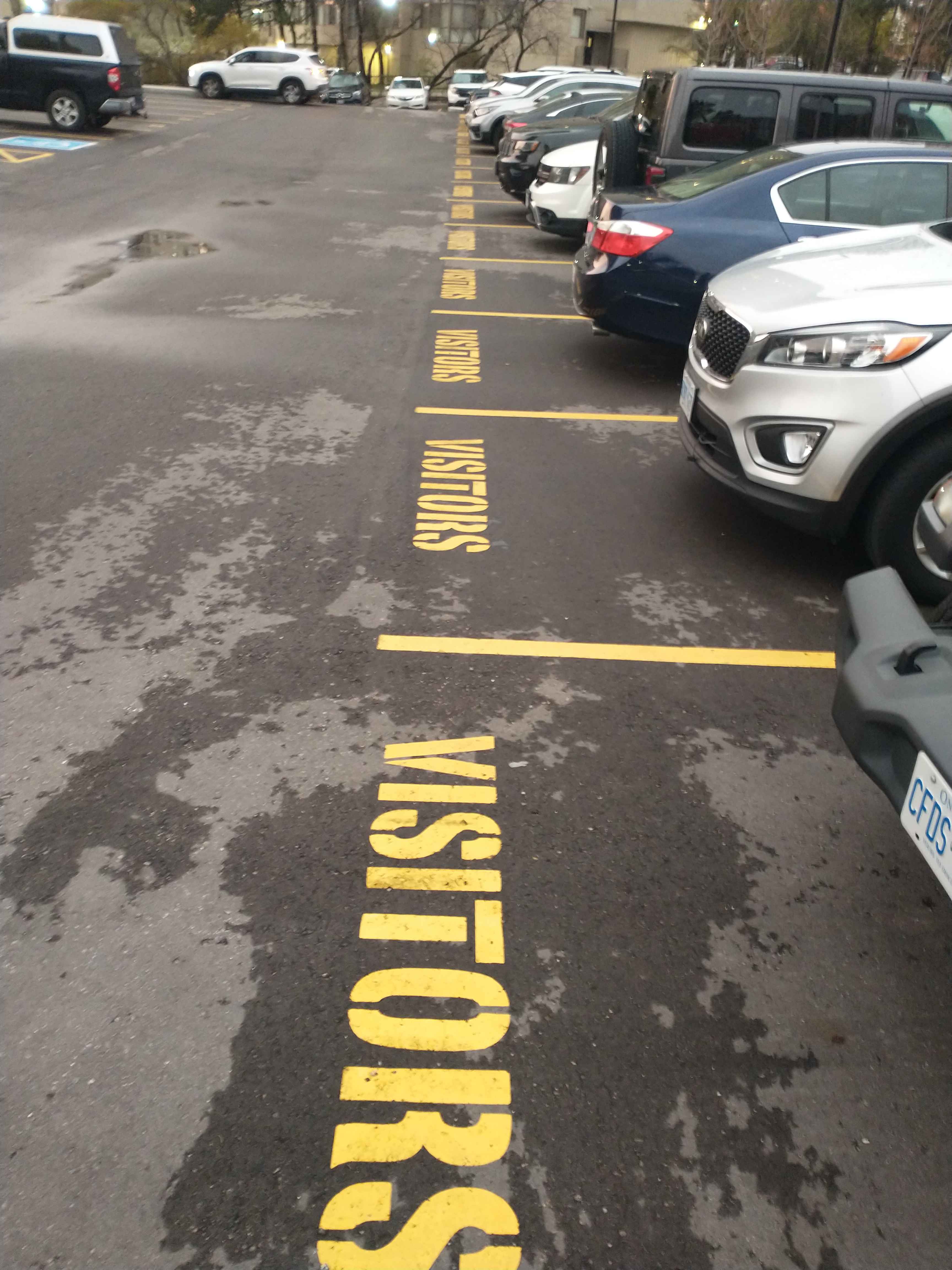
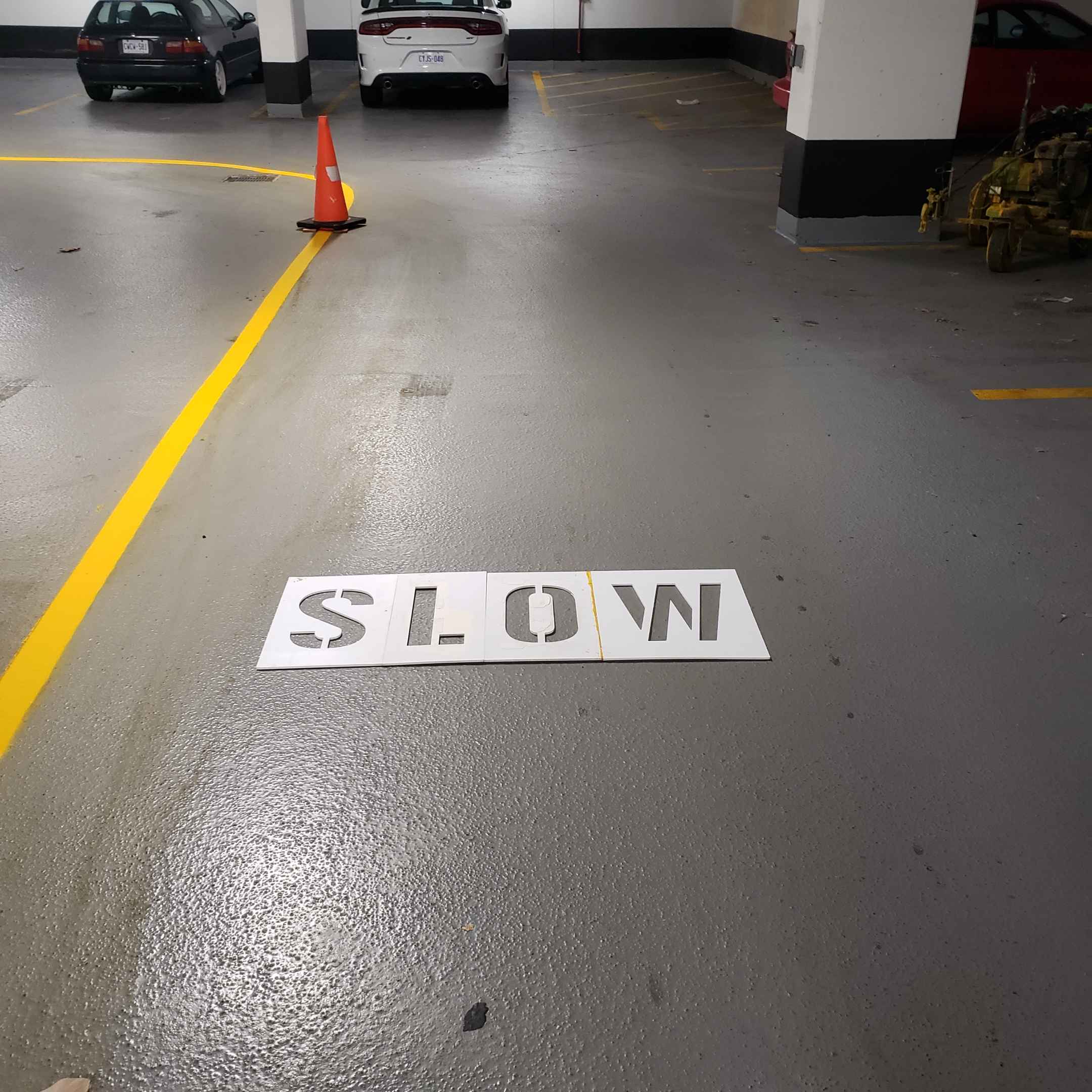
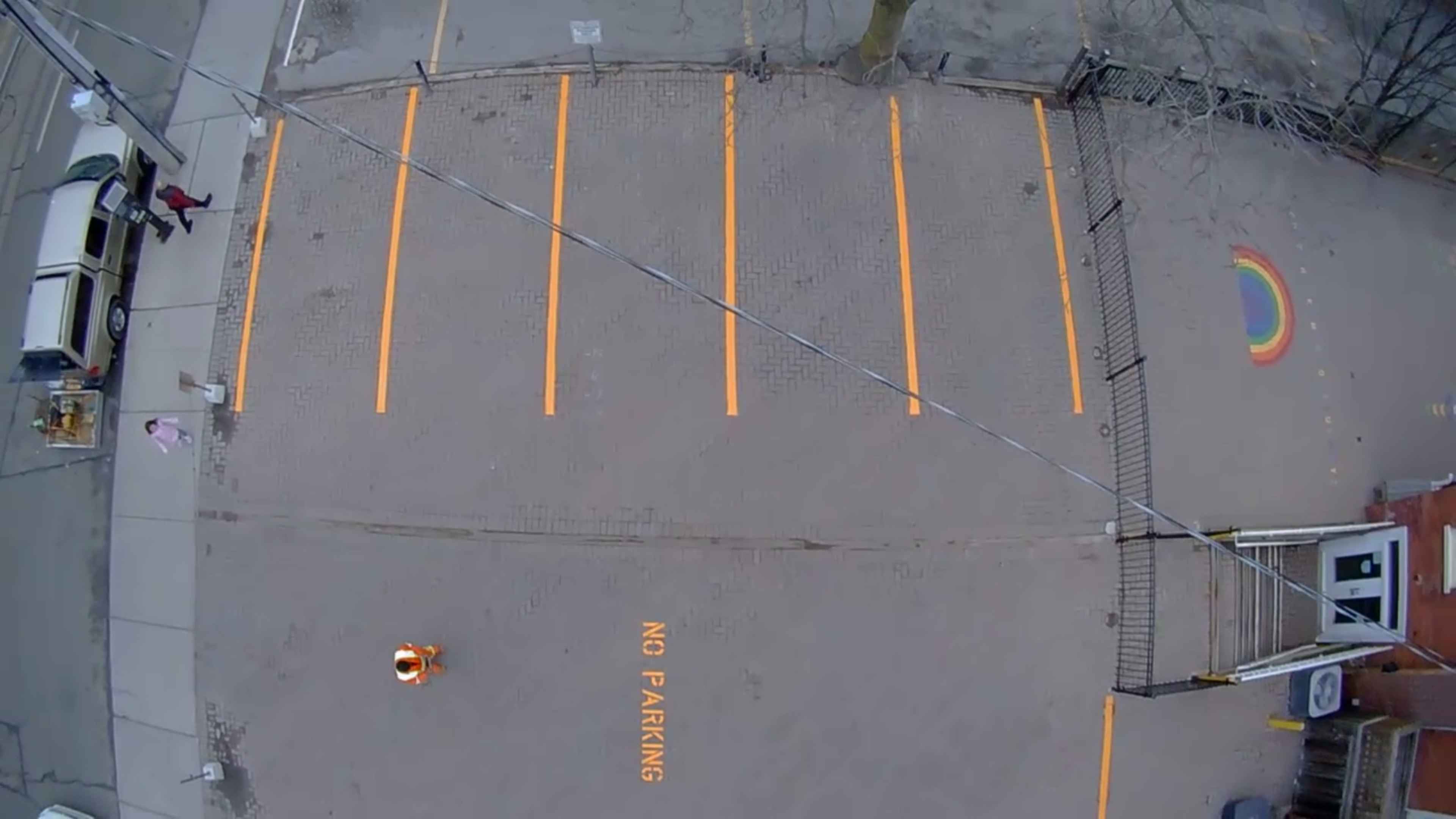
While it might seem unrelated to structural integrity, professional Line Marking plays a psychological role in maintenance. Clear, bright lines encourage drivers to stay within designated lanes, reducing the 'wandering' of vehicles that can cause uneven wear and tear on the edges of the pavement. Capital Parking Lot Line Painting ensures that your markings are crisp, enhancing both safety and the overall professional appearance of your facility.
Regular maintenance is the key to a long-lasting parking lot.
Conclusion
Asphalt cracking is a natural scientific process, but it doesn't have to be a catastrophic one. By understanding the roles of oxidation, thermal stress, and load fatigue, property owners can make informed decisions about their maintenance schedules. From sealcoating to precision Line Painting, taking action early saves time, effort, and structural integrity. Trust the experts at Capital Parking Lot Line Painting to keep your surfaces smooth, safe, and professional for years to come.