How Sealcoating Shields Against UV and Oxidation
Asphalt is the backbone of commercial property accessibility, but it is constantly under siege from invisible environmental forces. Understanding the science of sealcoating is the first step in long-term pavement preservation.
The Silent Killers: UV Radiation and Oxidation
To the untrained eye, an asphalt parking lot might look fine until it suddenly begins to crack and crumble. However, the degradation process is slow, silent, and driven by two primary culprits: Ultraviolet (UV) radiation and oxidation. For property owners in a major hub like Ottawa, these elements can be particularly aggressive due to the intense seasonal shifts.
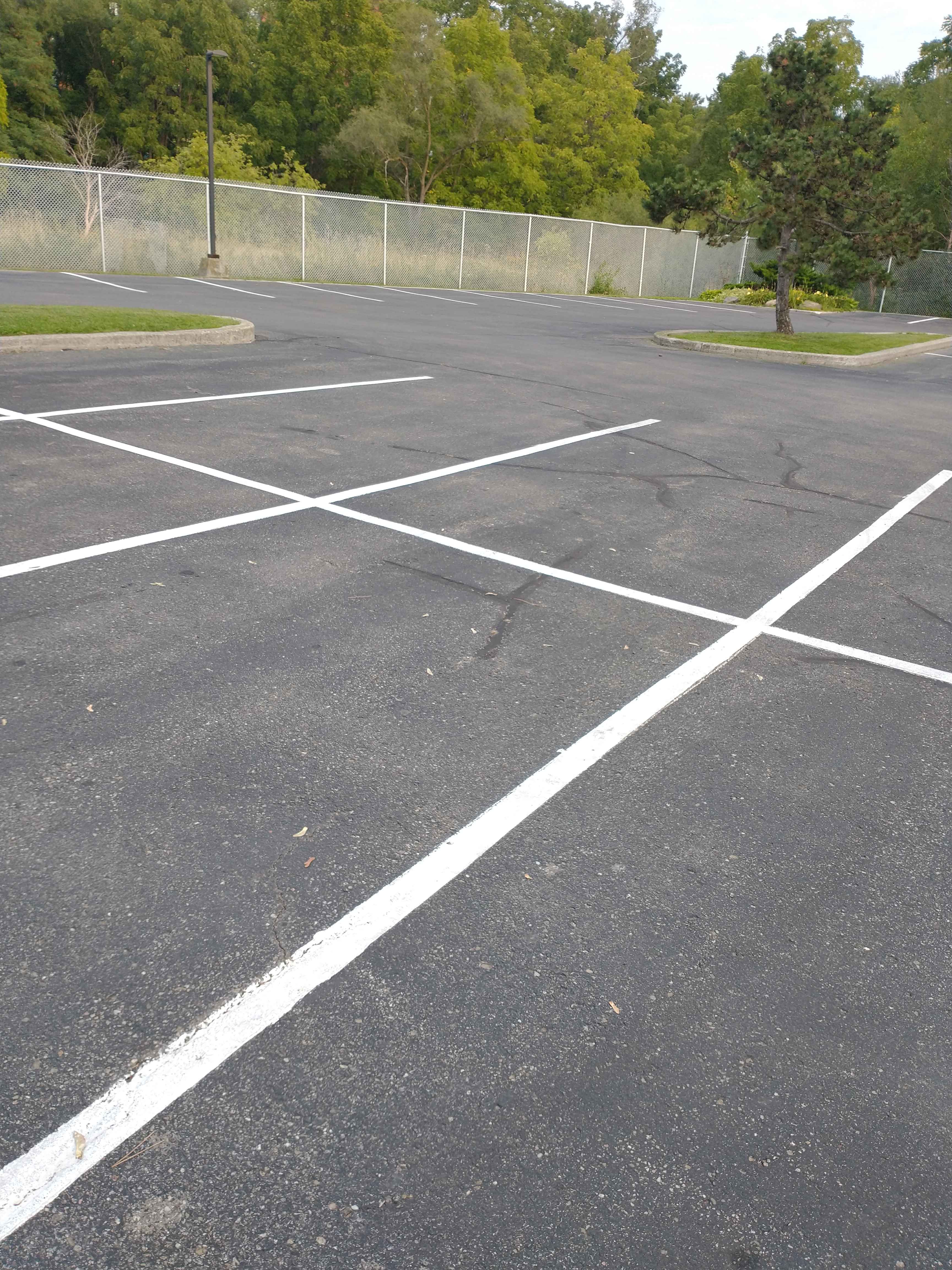
UV radiation from the sun acts much like it does on human skin. It breaks down the chemical bonds in the bitumen—the "glue" that holds your asphalt together. As these bonds weaken, the asphalt loses its flexibility and its deep black color, turning a brittle, chalky gray. This process is known as oxidation.
Understanding the Oxidation Process
Oxidation is a chemical reaction that occurs when asphalt is exposed to oxygen and heat. As the bitumen oxidizes, it loses its ability to remain pliable. In a climate like Ottawa, where temperatures can swing from freezing winters to scorching summers, this loss of flexibility is catastrophic. Brittle asphalt cannot expand and contract with temperature changes, leading to surface cracks, raveling, and eventually, potholes.
Capital Parking Lot Line Painting specializes in identifying these early signs of oxidation before they evolve into expensive structural repairs. By applying a high-quality sealant, you create a sacrificial barrier that takes the brunt of the chemical attack, leaving the underlying asphalt untouched.
How Sealcoating Provides a Protective Shield
Sealcoating is not merely an aesthetic upgrade; it is a vital maintenance procedure. A professional sealant application works in several ways to defend your investment:
- UV Absorption: Modern sealants contain pigments that absorb UV rays, preventing them from penetrating deep into the asphalt binder.
- Oxygen Barrier: The sealant creates a dense film that significantly reduces the amount of oxygen reaching the bitumen, slowing the oxidation rate.
- Moisture Resistance: It seals small surface cracks, preventing water from seeping into the base layers, which is crucial for preventing freeze-thaw damage.
- Chemical Defense: It provides a layer of protection against oil, gas, and salt spills that can dissolve asphalt binders.
The Importance of Professional Application
While it may be tempting to look for DIY solutions, the complexity of asphalt chemistry requires expertise. Capital Parking Lot Line Painting utilizes industrial-grade materials designed specifically to withstand heavy traffic and harsh weather. A poorly applied sealant can actually trap moisture or peel prematurely, causing more harm than good.
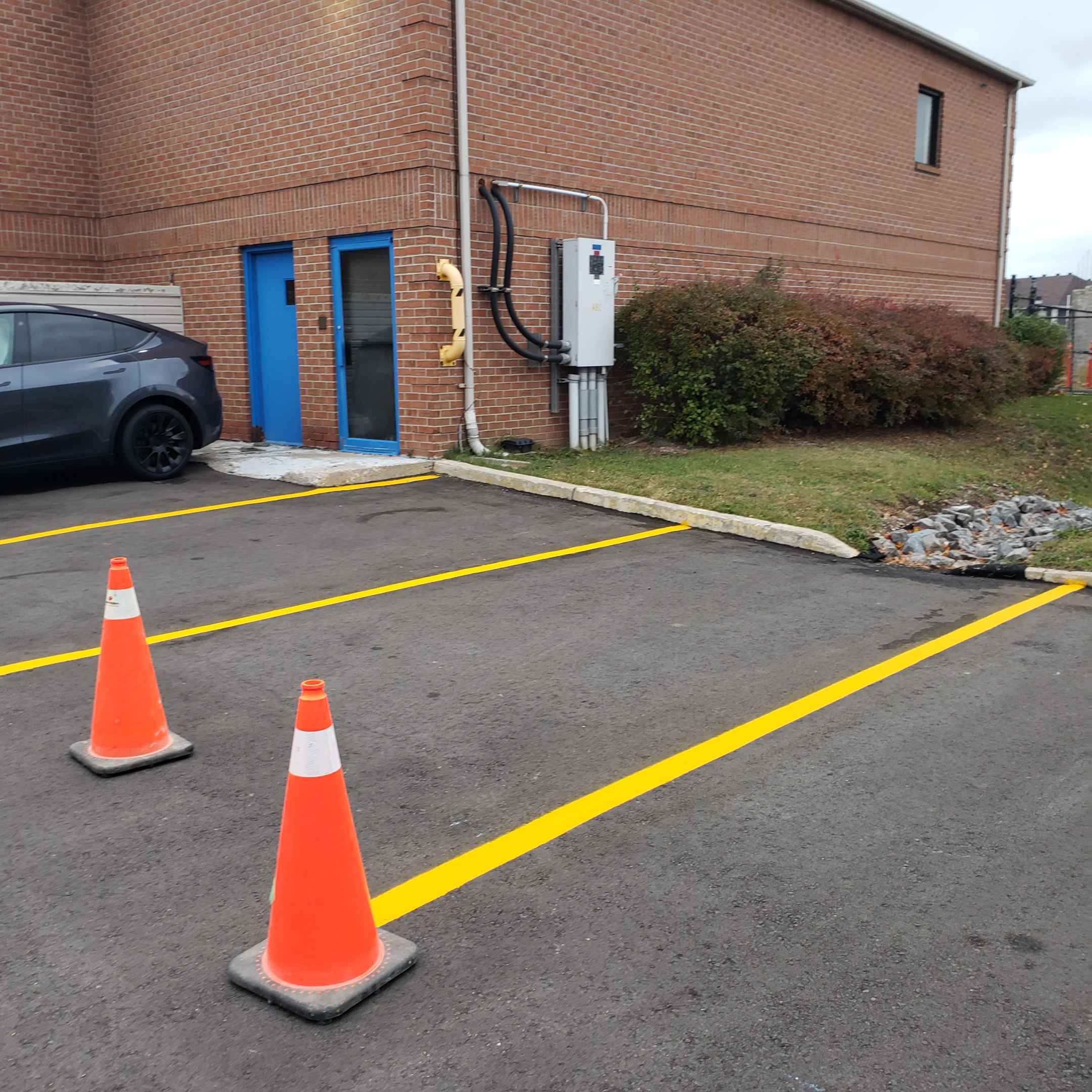
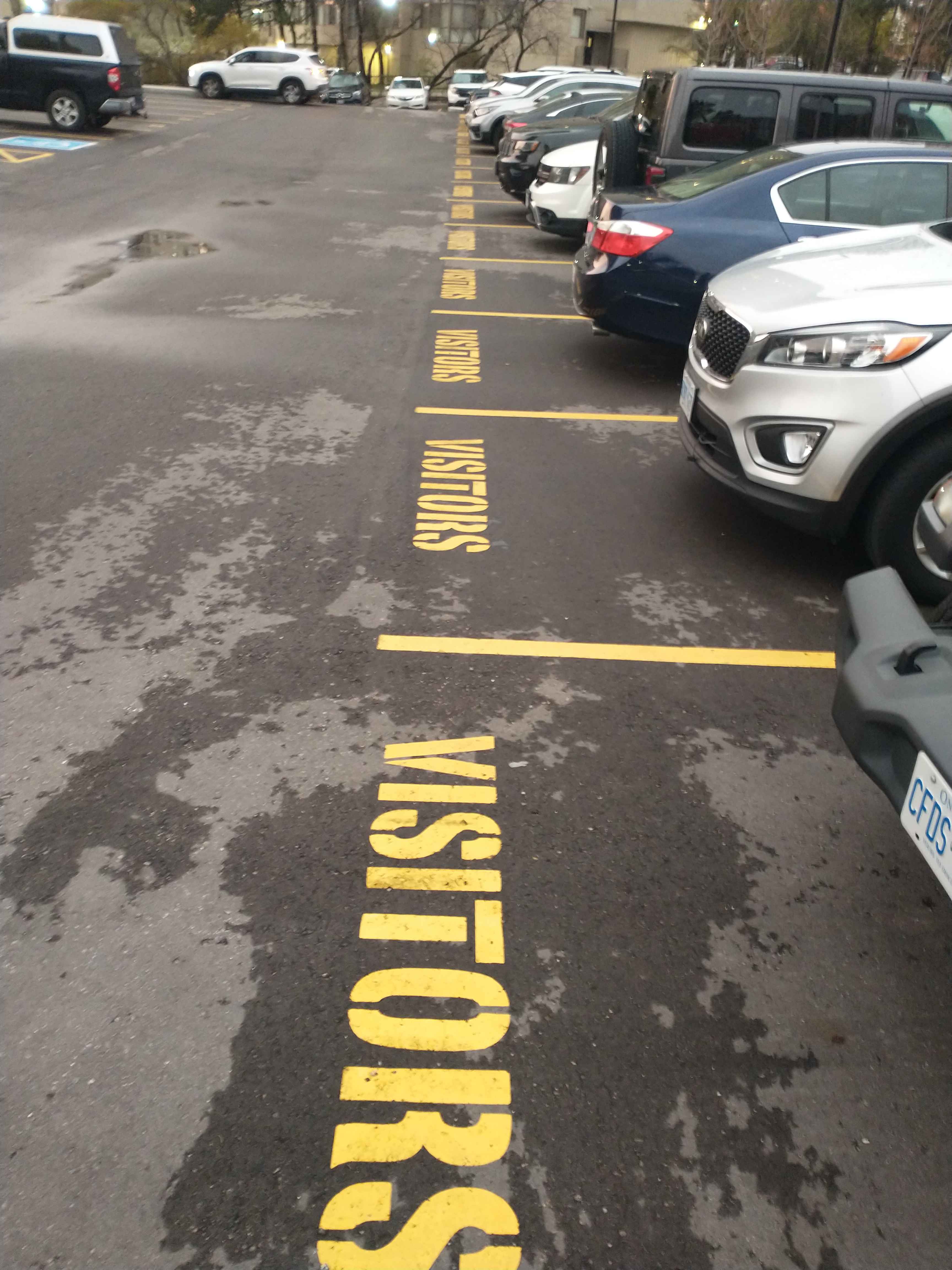
Furthermore, a complete maintenance cycle involves more than just protection. Once the sealcoating has cured, the visual clarity of your lot is enhanced through professional Line Marking. This ensures that your parking stalls, fire lanes, and ADA-compliant spaces are highly visible and compliant with local regulations.
Maximizing Your Pavement Lifecycle
Investing in regular maintenance is significantly more cost-effective than total resurfacing. By scheduling routine sealcoating, you are effectively resetting the "aging clock" of your pavement. When combined with periodic Line Painting, your lot remains safe, professional, and structurally sound for years longer than untreated asphalt.
At Capital Parking Lot Line Painting, we understand that your parking lot is the first impression your customers receive. We help you maintain that impression by fighting the invisible battles of UV and oxidation on your behalf.
Protect your assets with professional sealcoating services.