The Science Behind Asphalt Cracking and How to Stop It
Understanding the structural mechanics of your pavement is the first step toward long-term durability and cost-effective maintenance.
Every property owner in Cambridge knows the frustration of seeing those first tiny fissures appear in a parking lot. What starts as a hairline fracture can quickly evolve into a network of deep cracks that compromise the integrity of your entire pavement system. But why does this happen? It isn't just bad luck; it is a complex interplay of chemistry, physics, and environmental stress.
At Capital Parking Lot Line Painting, we believe that a proactive approach to pavement management is far superior to reactive repairs. By understanding the science of asphalt, you can extend the life of your surface and ensure it remains safe and aesthetically pleasing for years to come.
The Anatomy of Asphalt
To understand why asphalt cracks, we must first understand what it is. Asphalt is a composite material consisting of mineral aggregate (stones, sand, and gravel) bound together by bitumen—a viscous, black, petroleum-based substance. This mixture is designed to be flexible, allowing it to distribute the weight of vehicles across its surface.
However, this flexibility is a double-edged sword. The bitumen acts as a glue, but it is also subject to oxidation and temperature fluctuations. When the chemical bond of the bitumen weakens, the aggregate loses its cohesion, leading to the structural failures we recognize as cracks.
Common Types of Asphalt Cracking
Not all cracks are created equal. Identifying the type of cracking occurring on your lot can help you determine the severity of the issue and the necessary corrective action.
1. Thermal Cracking
In regions like Cambridge, where seasonal temperature swings can be extreme, thermal cracking is a major concern. As temperatures drop, asphalt contracts. If the contraction is too rapid or too intense, the material snaps, creating transverse cracks (cracks that run perpendicular to the direction of travel).
2. Fatigue (Alligator) Cracking
This is perhaps the most serious form of damage. Named for its resemblance to the scales of an alligator, fatigue cracking occurs due to repeated heavy loading. When the subgrade (the soil beneath the asphalt) begins to fail or the asphalt layer becomes too thin, the surface develops a web-like pattern of interconnected cracks.
3. Oxidation and Age Cracking
Over time, exposure to UV rays and oxygen causes the bitumen to harden and become brittle. This process, known as oxidation, strips the asphalt of its ability to flex. Once the material becomes brittle, even minor stresses cause it to fracture.
How to Stop the Spread: Prevention Strategies
The good news is that cracking is not inevitable. With consistent maintenance, you can significantly delay the onset of structural failure. Capital Parking Lot Line Painting recommends the following preventative measures:
- Crack Sealing: Filling small cracks with specialized rubberized sealant prevents water from seeping into the subgrade.
- Sealcoating: Applying a protective layer of coal or asphalt emulsion shields the surface from UV oxidation and water penetration.
- Proper Drainage: Ensuring water flows away from the pavement prevents the subgrade saturation that leads to fatigue cracking.
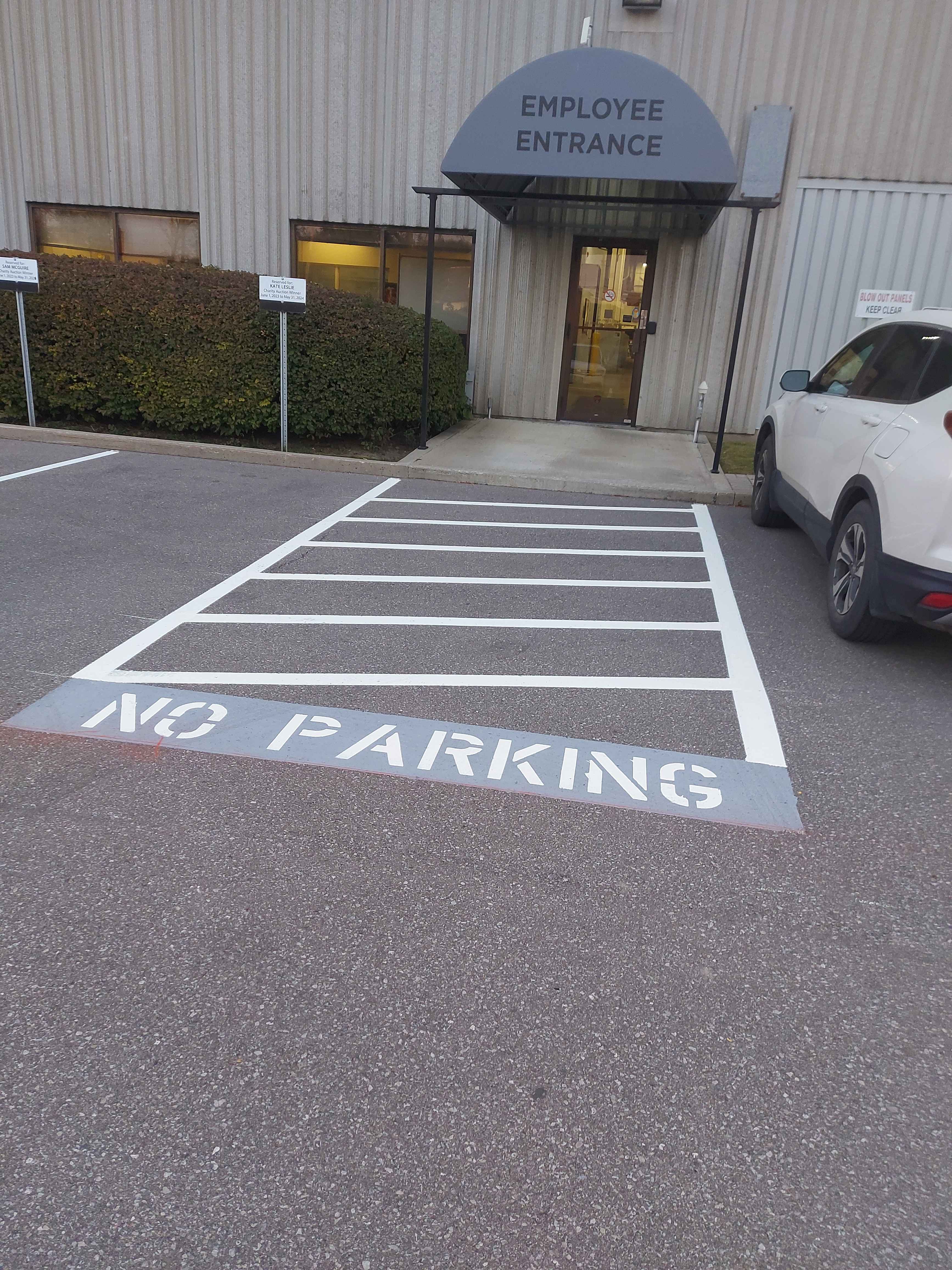
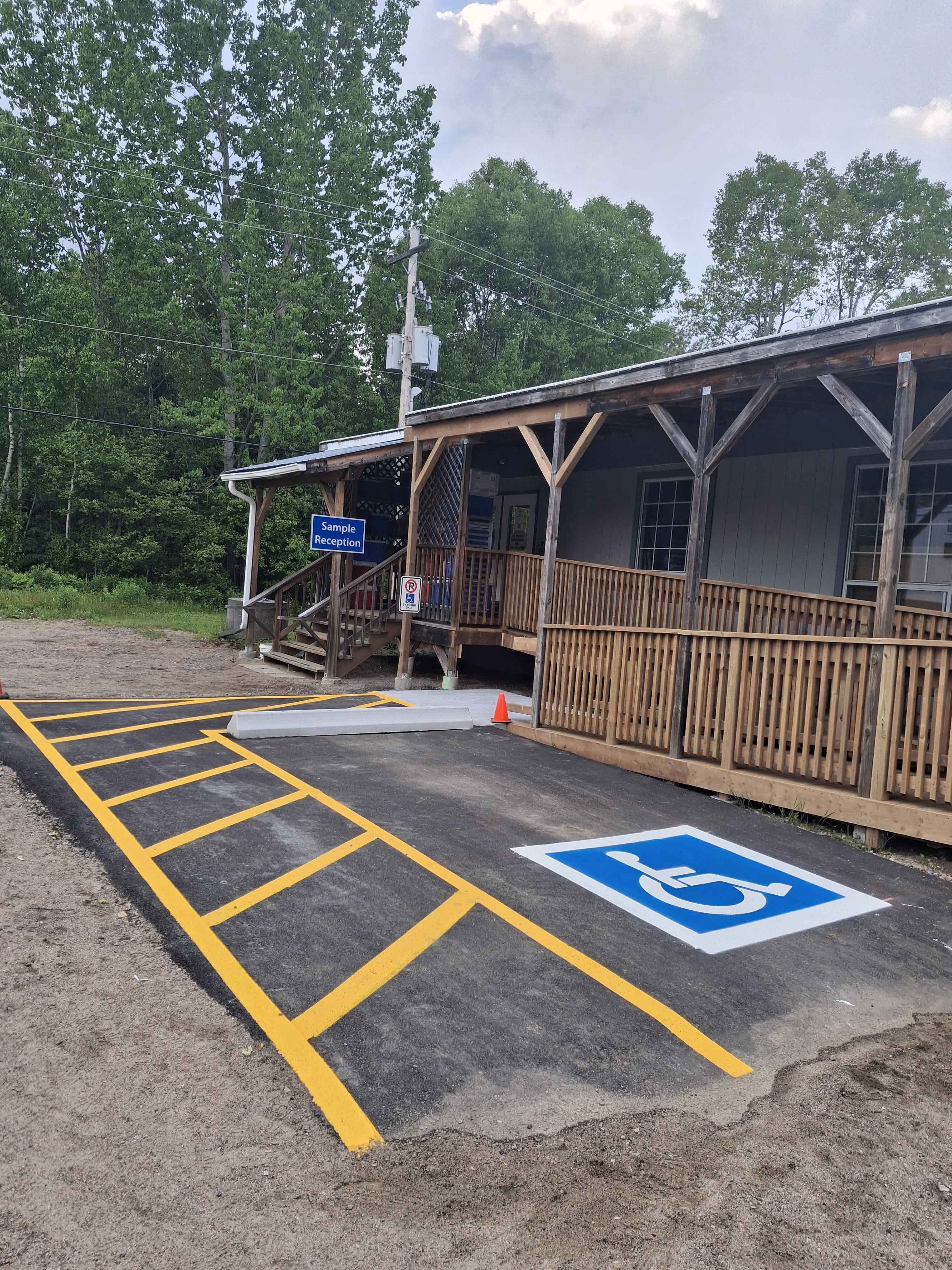
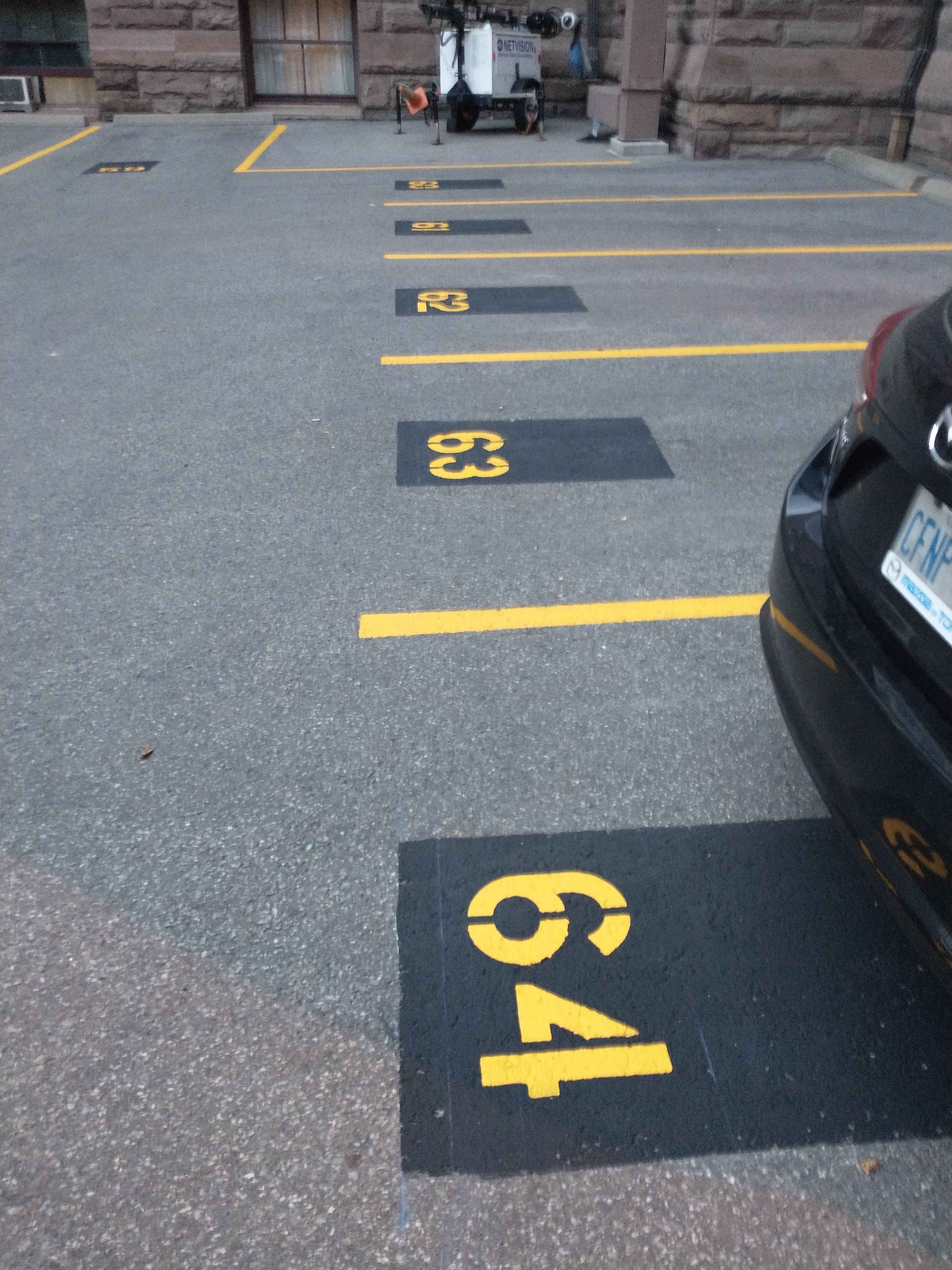
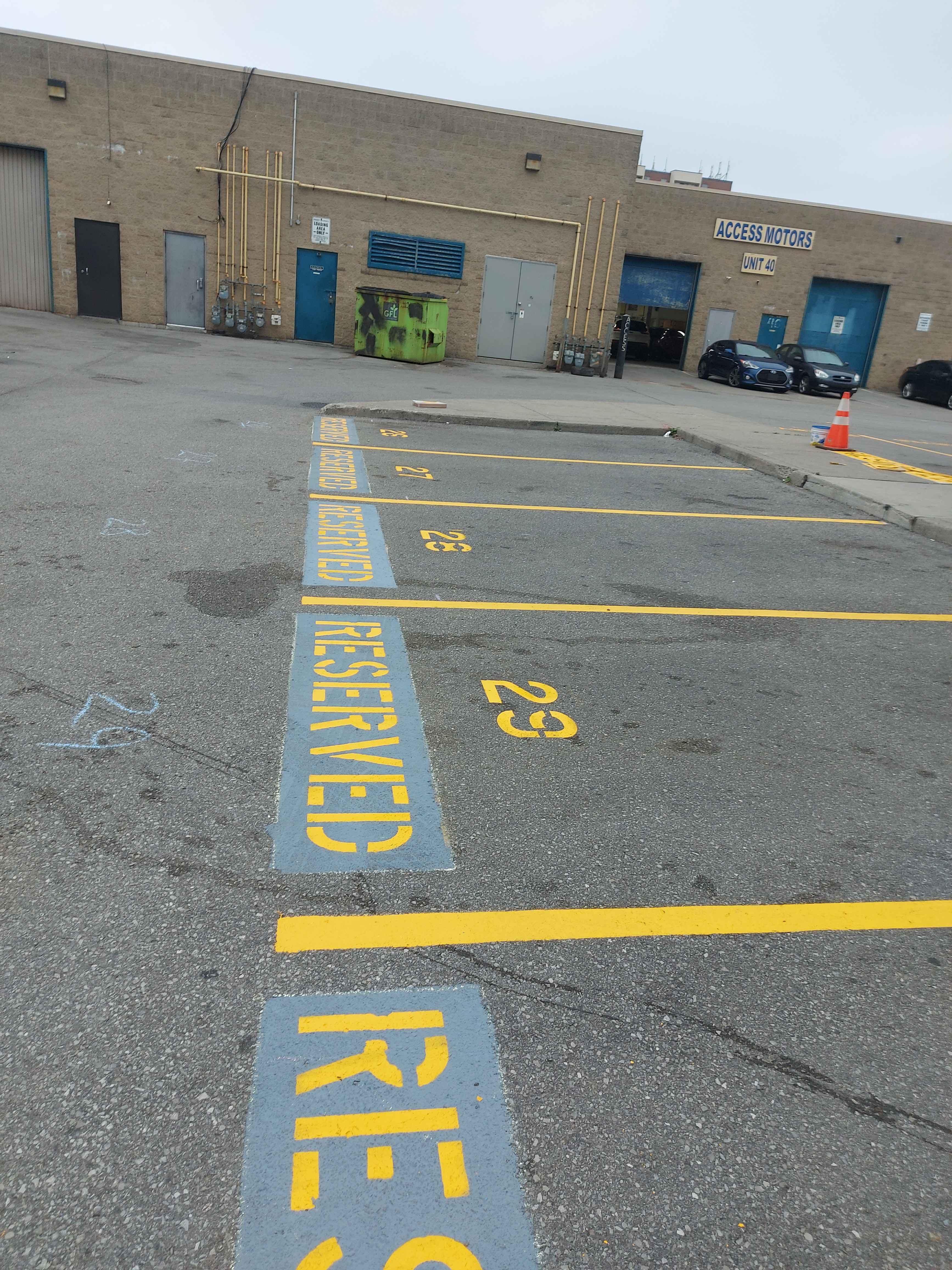
- Regular Line Marking: While primarily for safety and organization, fresh Line Marking helps define traffic patterns, reducing unnecessary stress on specific areas of the pavement.
The Role of Professional Maintenance
Attempting DIY repairs on large-scale commercial lots often leads to subpar results that can actually accelerate damage. Professional services ensure that the materials used are chemically compatible with your existing asphalt and that the application methods meet industry standards.
Whether you need comprehensive sealcoating or precise Line Painting to restore order to your parking facility, working with experts like Capital Parking Lot Line Painting ensures the job is done right the first time. We focus on the details that matter, from the depth of the crack fill to the crispness of the Line Marking.
Protect Your Investment Today
Don't wait for a small crack to become a massive pothole. Regular inspections and timely maintenance are the keys to a long-lasting, professional-looking parking lot.