How Moisture Infiltration Worsens Unsealed Cracks
Understanding the silent destroyer of asphalt surfaces and how to protect your investment.
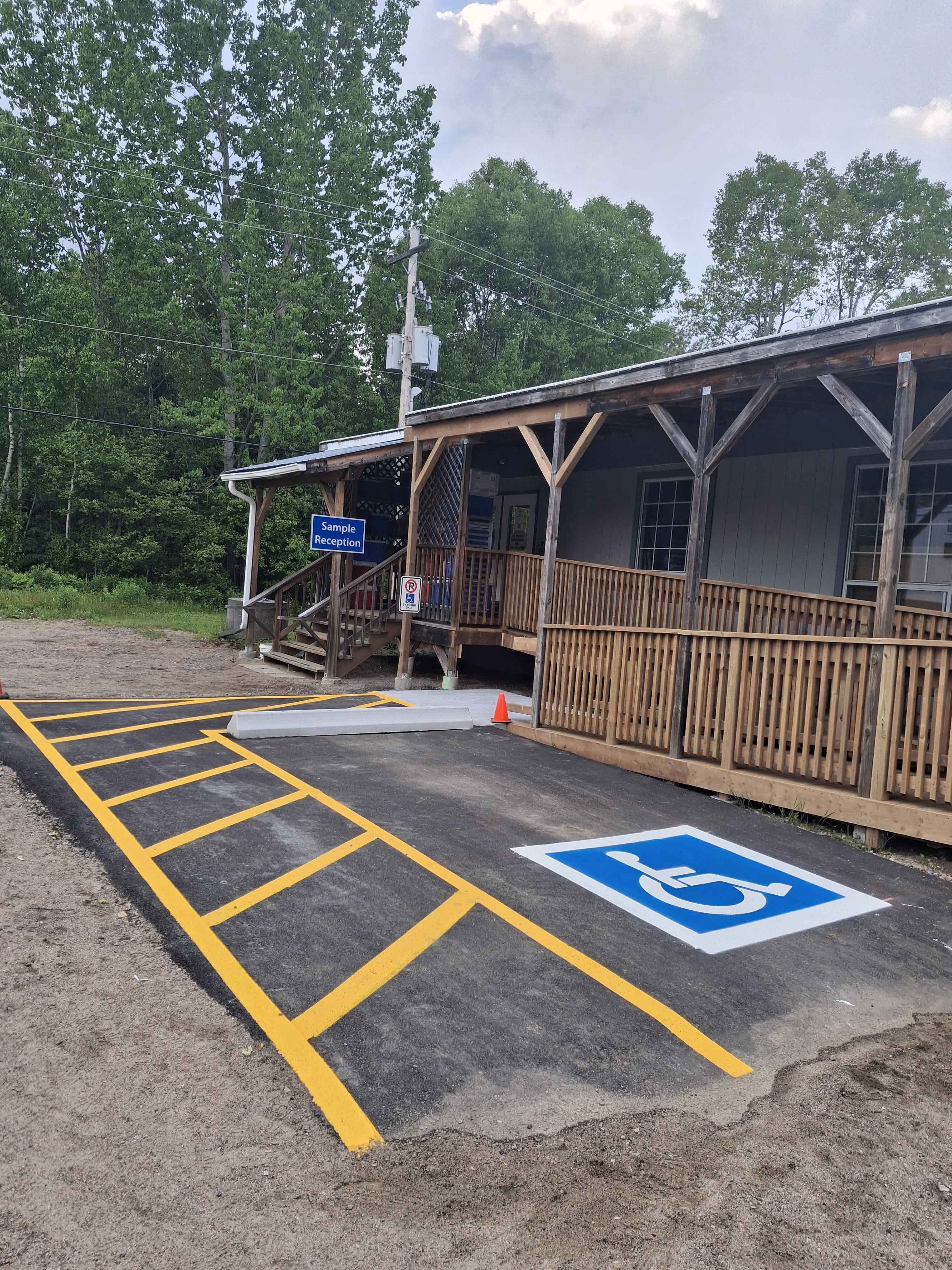
For property owners in Greater Sudbury, maintaining a professional and safe parking lot is a constant battle against the elements. While many focus on the aesthetics of Line Painting to keep their facility looking sharp, there is a much more fundamental issue happening beneath the surface: the degradation of the asphalt substrate due to moisture infiltration. When cracks go unsealed, they act as open gateways for water, leading to a cycle of destruction that can compromise the structural integrity of your entire pavement.
At Capital Parking Lot Line Painting, we see firsthand how minor fissures can evolve into massive potholes if not addressed with professional crack sealing and maintenance strategies.
The Science of Destruction: How Water Attacks Asphalt
Asphalt is not a solid, impenetrable slab; it is a semi-flexible material designed to withstand weight and temperature fluctuations. However, it relies heavily on its seal to keep moisture out. When cracks appear—whether through thermal expansion, heavy vehicle loads, or age—the protective barrier is broken.
1. The Freeze-Thaw Cycle
In a top 30 Ontario city like Greater Sudbury, the freeze-thaw cycle is one of the most aggressive environmental factors. When moisture enters an unsealed crack, it settles deep into the base layer. As temperatures drop, that water freezes and expands by approximately 9%. This expansion exerts massive internal pressure against the walls of the crack, forcing it wider and deeper.
2. Sub-Base Erosion
Once water bypasses the surface, it begins to seep into the aggregate and soil base beneath the asphalt. This leads to the washing away of fine particles, creating voids or "hollow spots" under the pavement. Eventually, the asphalt loses its support, causing it to collapse under the weight of a vehicle, resulting in a pothole.
Common Mistakes in Parking Lot Maintenance
Many property managers wait too long to perform maintenance, thinking a small crack is merely a cosmetic issue. Avoid these common pitfalls:
- Ignoring hairline cracks: Small cracks are the precursors to major structural failures.
- Using improper fillers: Using DIY sand or low-grade fillers that don't bond with the asphalt.
- Neglecting Line Marking visibility: While Line Marking is vital for safety, it cannot hide the underlying structural issues caused by water.
- Delaying seasonal maintenance: Waiting until spring to fix cracks that formed in the fall ensures the freeze-thaw cycle has already done its damage.
The Role of Professional Maintenance
Professional intervention from a company like Capital Parking Lot Line Painting ensures that the materials used are specifically engineered to bond with the existing asphalt and remain flexible during temperature shifts. Effective maintenance isn't just about filling a gap; it's about creating a watertight seal that moves with the pavement.
Comprehensive Care Includes:
A holistic approach to pavement longevity involves more than just patching. It requires a strategic combination of services:
- Crack Sealing: Injecting hot-poured rubberized sealant into cracks to prevent water ingress.
- Sealcoating: Applying a protective layer over the entire surface to prevent oxidation and UV damage.
- Line Painting: Ensuring traffic flow is organized and safe through high-visibility markings.
- Patching: Repairing areas where the sub-base has already been compromised.
Protect Your Asset Today
Don't let moisture turn a simple repair into a total reconstruction. By addressing cracks early, you save significantly on long-term capital expenditures. Capital Parking Lot Line Painting provides the expertise needed to keep your surfaces durable, safe, and visually appealing.