The Science Behind Asphalt Cracking and How to Stop It
Asphalt is the backbone of modern infrastructure, providing smooth surfaces for vehicles and pedestrians alike. However, even the most robust parking lots eventually succumb to the relentless forces of nature and usage. Understanding why this happens is the first step toward prevention.
The Physics of Pavement Failure
To the untrained eye, a crack in the asphalt looks like a simple surface flaw. In reality, cracking is often the result of complex chemical and physical processes occurring deep within the pavement structure. Asphalt is a viscoelastic material, meaning it possesses both viscous and elastic characteristics. It behaves like a liquid over very long periods and like a solid under quick loads. When this balance is disrupted, cracks emerge.
1. Thermal Expansion and Contraction
In regions like Guelph, where seasonal temperature swings can be extreme, thermal stress is a primary culprit. During the heat of summer, asphalt expands. In the freezing winters of Ontario, it contracts. This constant movement creates internal tension. If the asphalt lacks sufficient flexibility, it will snap, leading to what experts call 'thermal cracking.'
2. Oxidation and UV Degradation
Asphalt is held together by a substance called bitumen. Bitumen is an organic binder that is highly susceptible to oxidation. When exposed to oxygen and ultraviolet (UV) radiation from the sun, the bitumen becomes brittle. As the binder loses its ability to flex, the asphalt surface turns grey and begins to flake and crack. This is why regular maintenance from professionals like Capital Parking Lot Line Painting is vital to seal the surface and prevent oxidation.
Common Types of Asphalt Cracks
Not all cracks are created equal. Identifying the type of crack can help determine whether you need a simple sealcoat or a complete resurfacing. Here are the most common patterns seen in commercial properties:
- Alligator Cracking: Also known as fatigue cracking, these look like the scales of an alligator. This usually indicates a structural failure in the base layer beneath the asphalt.
- Longitudinal Cracks: These run parallel to the direction of driving. They are often caused by poor joint construction or temperature changes.
- Transverse Cracks: These run perpendicular to the direction of travel and are almost always the result of thermal contraction.
- Block Cracking: Large, rectangular cracks that suggest the asphalt has become too brittle due to age and oxidation.
Proactive Maintenance is Key
Waiting until your parking lot looks like a jigsaw puzzle is a costly mistake. By the time large cracks appear, the sub-base may already be compromised. Regular inspections and preventative measures can save your property owners significant headaches.
How to Stop the Spread: Prevention Strategies
Stopping cracks requires a multi-faceted approach that addresses both the surface and the structure. Capital Parking Lot Line Painting recommends a proactive schedule to ensure your pavement remains functional and aesthetically pleasing.
Crack Sealing and Filling
The most effective way to stop a small crack from becoming a pothole is to seal it immediately. High-quality crack fillers act as a waterproof barrier, preventing water from seeping into the base layer. Once water enters the base, it freezes and expands, creating a cycle of destruction that can destroy a parking lot in a single season.
Sealcoating
Sealcoating provides a protective layer that shields the asphalt from UV rays and oxidation. It is the "sunscreen" for your pavement. A fresh sealcoat not only makes the lot look brand new but also restores the dark, rich color that helps reduce heat absorption.
Professional Line Marking
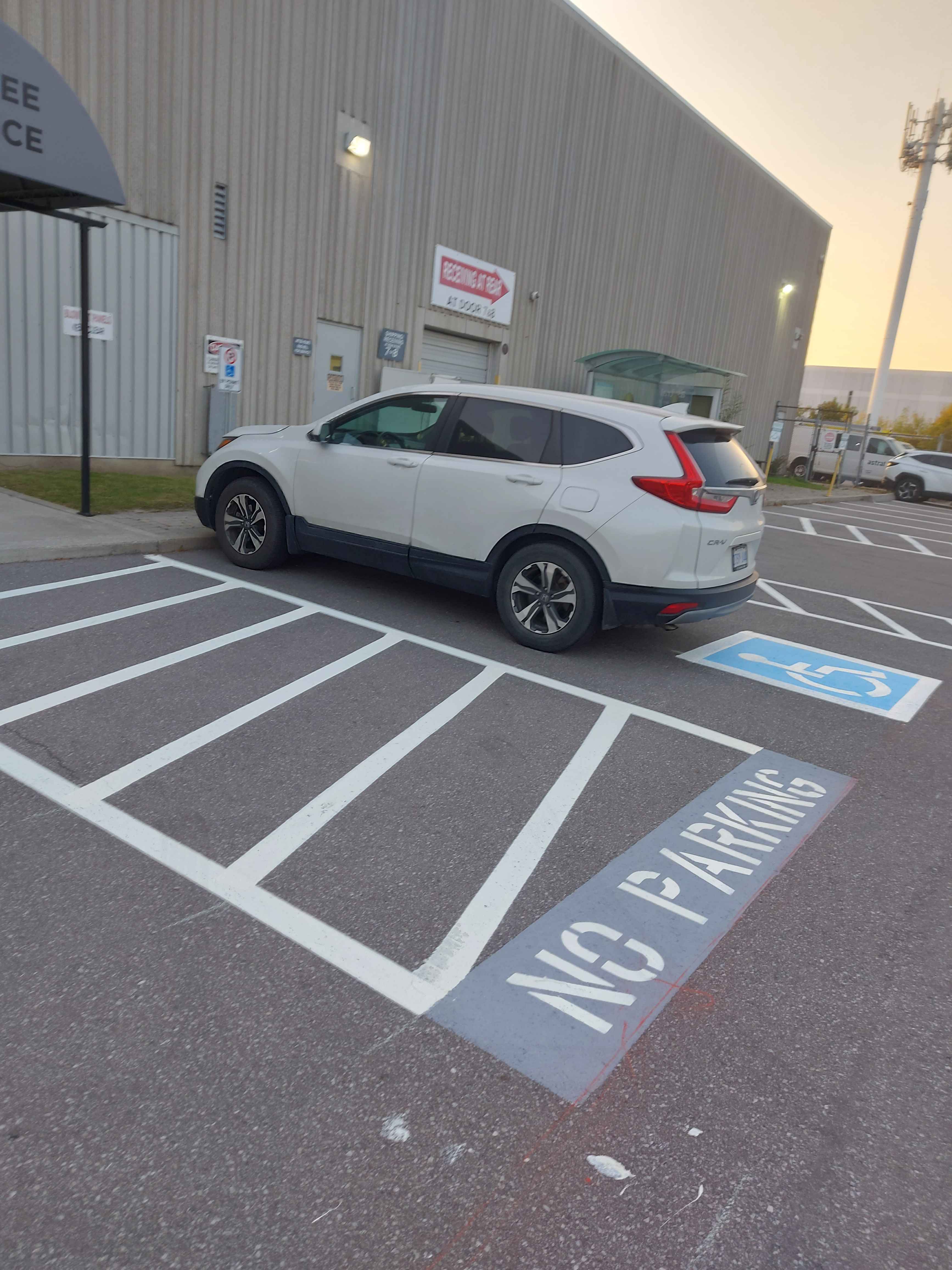
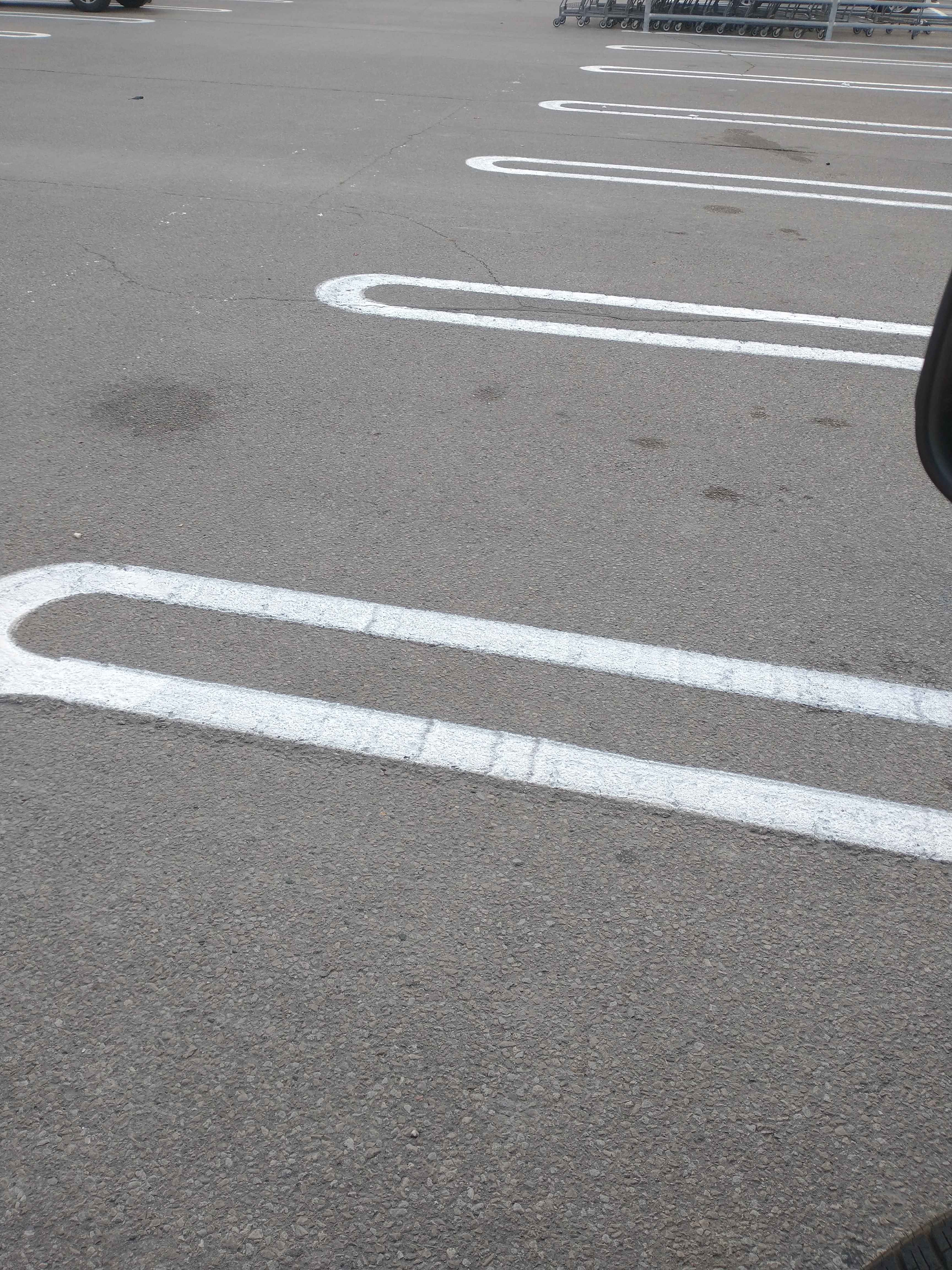
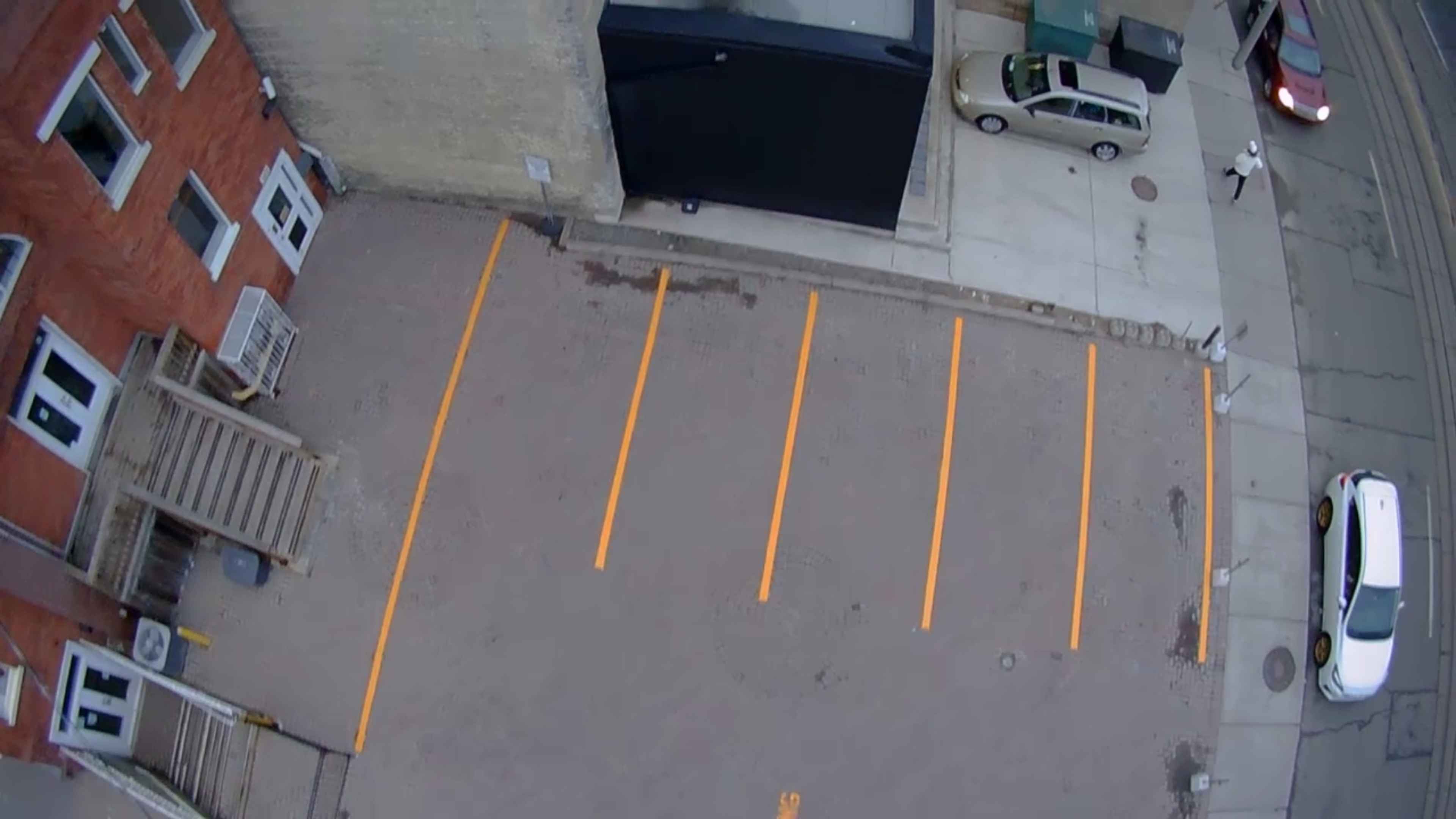
While not directly related to the structural integrity of the asphalt, clear Line Marking is essential for safety and organization. When your pavement is being serviced, it is the perfect time to refresh your parking stalls, ADA compliance markings, and directional arrows. Capital Parking Lot Line Painting specializes in high-visibility Line Painting that ensures your lot is both safe and professional-looking.
Conclusion
Maintaining an asphalt surface in a top 30 Ontario city like Guelph requires an understanding of the local climate and the science of materials. By addressing oxidation, thermal stress, and structural fatigue early, you can extend the life of your pavement by years. Don't wait for the cracks to take over—consult with the experts at Capital Parking Lot Line Painting to develop a maintenance plan that works for your property.