The Science Behind Asphalt Oxidation and How Sealcoating Helps
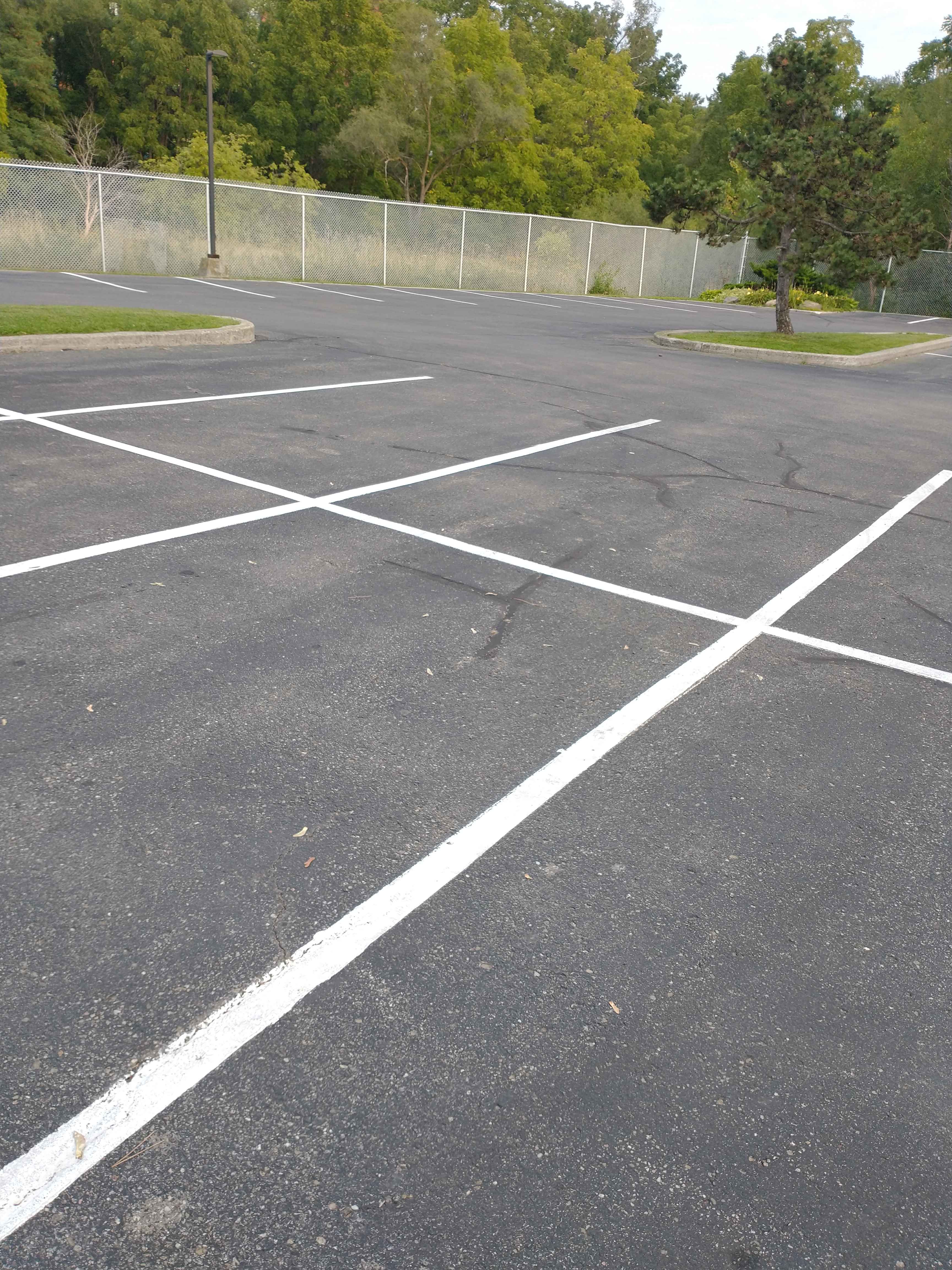
If you have ever noticed your asphalt transitioning from a rich, deep black to a dull, brittle grey, you aren't just seeing age—you are witnessing a complex chemical reaction known as oxidation.
Understanding the Chemical Breakdown
Asphalt is a composite material consisting of mineral aggregate bound together by bitumen. Bitumen is a hydrocarbon-based substance that acts as the "glue" holding the entire structure together. This glue is what provides the flexibility and waterproofing necessary for a durable parking lot or driveway.
Oxidation occurs when the bitumen is exposed to oxygen, ultraviolet (UV) radiation from the sun, and moisture. As these elements interact with the surface, the chemical structure of the bitumen changes. It loses its volatile oils, causing it to harden and become brittle. This process is irreversible and leads to the characteristic grey appearance that signals the beginning of structural decline.
The Environmental Impact in Sarnia and Beyond
In a top 30 city like Sarnia, the weather patterns can be particularly aggressive toward asphalt surfaces. The cycle of freezing and thawing, combined with intense summer UV exposure, accelerates the oxidation process. When the bitumen becomes brittle, it can no longer expand and contract with temperature changes without cracking.
Once these micro-cracks form, water penetrates the sub-base, leading to potholes and more significant structural failures. This is why proactive maintenance from experts like Capital Parking Lot Line Painting is essential for property owners looking to avoid costly reconstructions.
How Sealcoating Acts as a Protective Shield
Sealcoating is not merely a cosmetic upgrade; it is a scientific preventative measure. A high-quality sealer creates a sacrificial barrier between the asphalt and the elements. By applying a layer of sealer, you are effectively providing a new surface for the oxygen and UV rays to attack, leaving the underlying bitumen untouched.
When you choose Capital Parking Lot Line Painting for your maintenance needs, you are ensuring that the barrier is applied correctly to fill micro-cracks and seal the pores of the asphalt. This prevents water from entering the structure and slows the rate of oxidation significantly.
Key Benefits of Regular Sealcoating:
- UV Protection: Blocks harmful solar radiation from breaking down bitumen oils.
- Moisture Barrier: Prevents water penetration that leads to freeze-thaw damage.
- Chemical Resistance: Protects against oil, gas, and salt spills common in Sarnia winters.
- Enhanced Aesthetics: Restores the deep black color, increasing curb appeal.
- Structural Integrity: Delays the formation of cracks and potholes.
The Importance of Professional Finishing
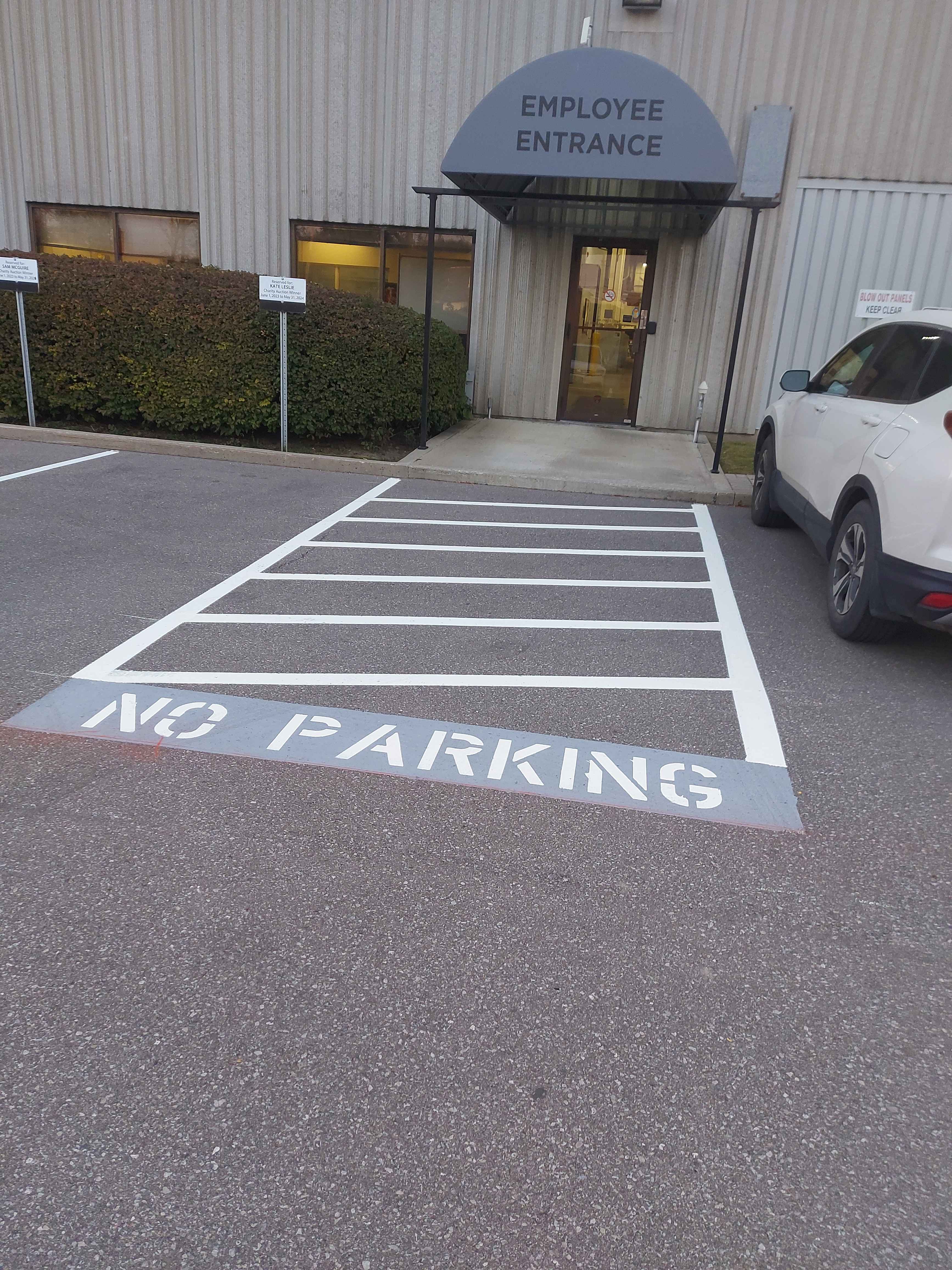
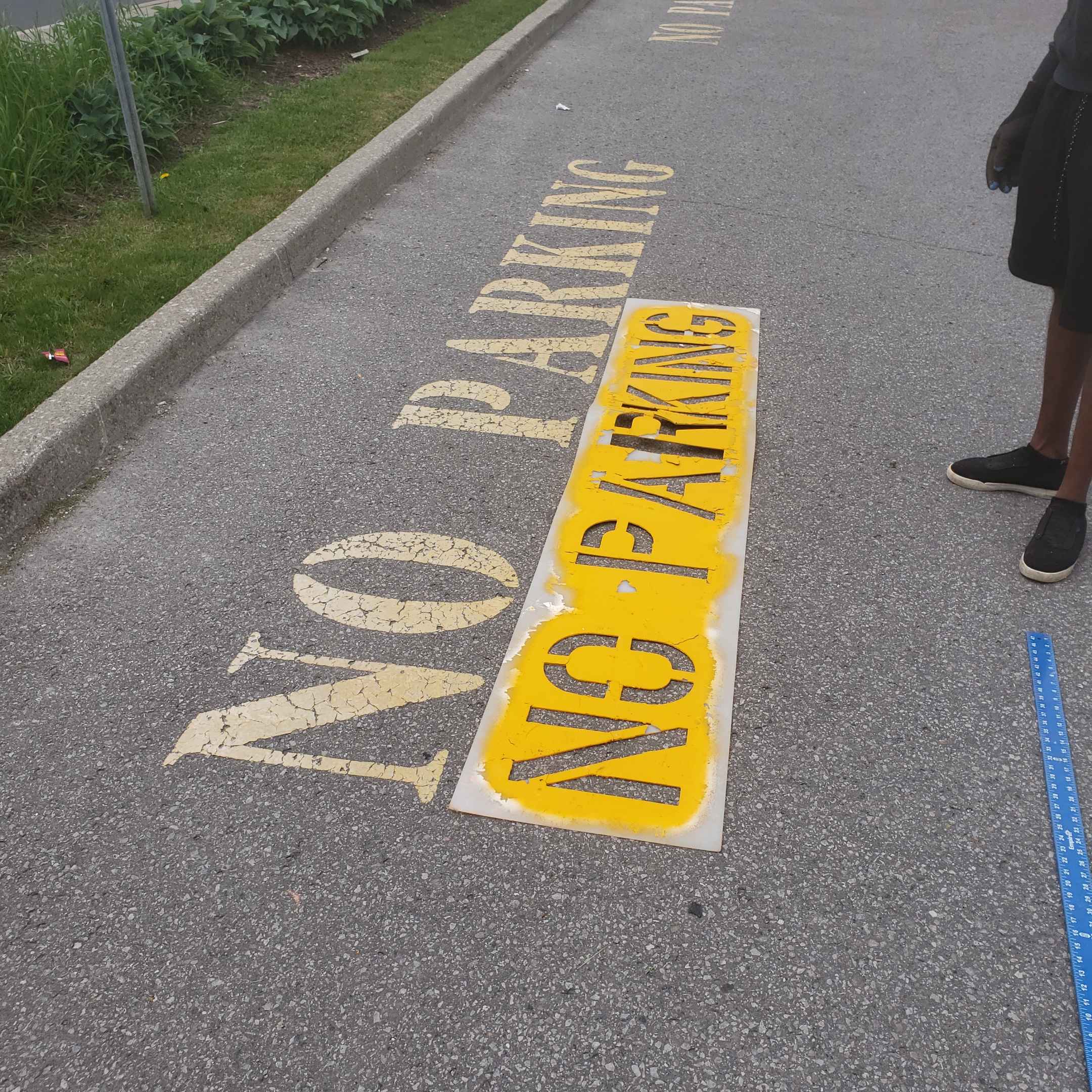
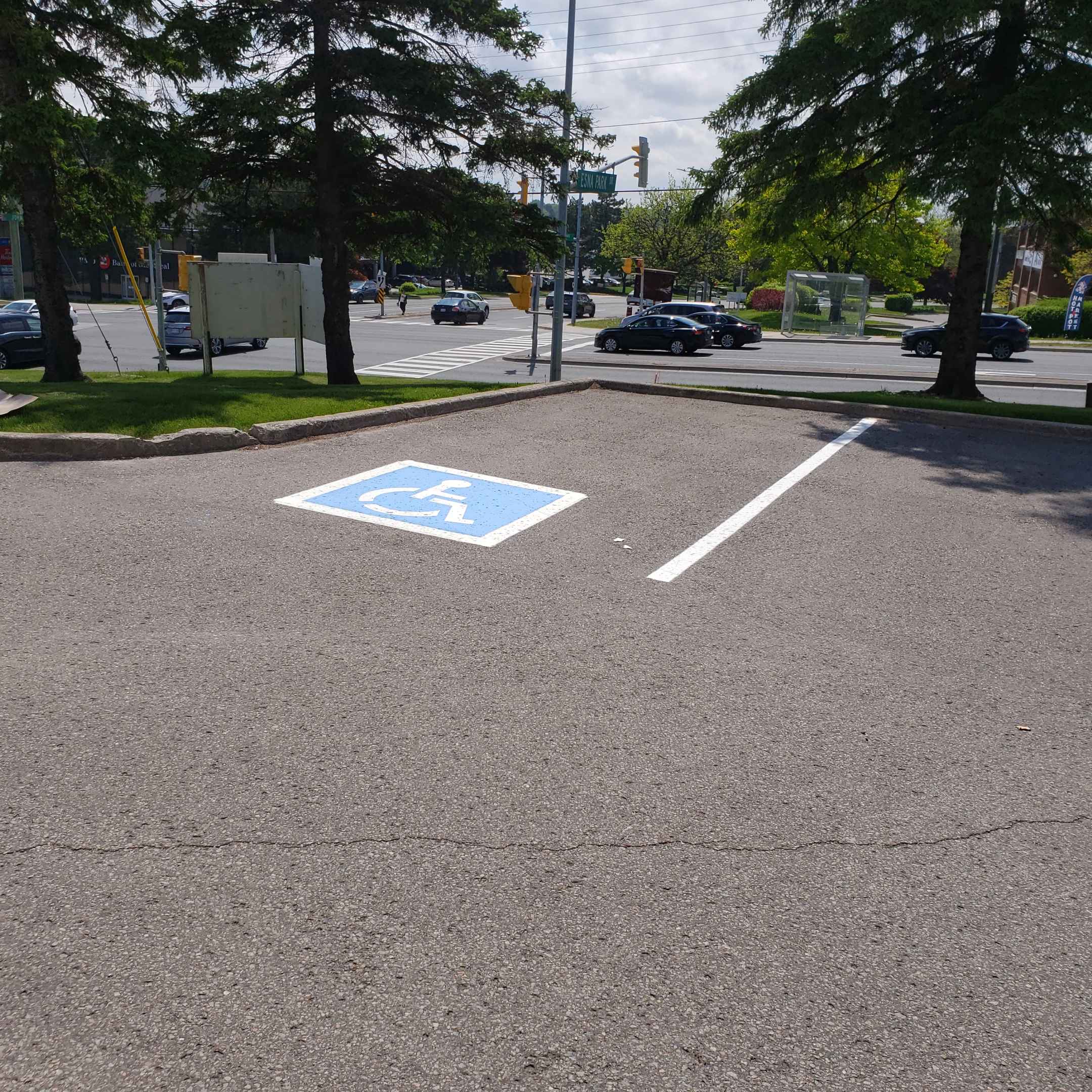
A well-sealed lot looks its best when paired with crisp, clean markings. After the sealcoating process has cured, professional Line Marking is required to ensure safety and organization. High-visibility Line Painting helps direct traffic flow and ensures compliance with local regulations.
At Capital Parking Lot Line Painting, we understand that a complete pavement management strategy involves both protection and precision. A beautiful, black surface is only effective if the boundaries and stalls are clearly defined through expert Line Marking.
Visualizing the Difference
Don't wait until your asphalt turns grey and brittle. Regular maintenance and professional Line Painting can extend the life of your pavement by years, saving you significant time and effort in the long run.