The Science Behind Asphalt Cracking and How to Stop It
Understanding the molecular and environmental stressors that compromise your pavement is the first step toward long-term durability.
To the untrained eye, a crack in a parking lot is simply a nuisance. However, to an asphalt specialist, a crack is a symptom of a complex chemical and physical process. Whether you own a commercial complex in Hamilton or manage a residential community, understanding why asphalt fails is essential for protecting your investment. At Capital Parking Lot Line Painting, we see the results of neglect and the triumphs of proactive maintenance every day.
The Chemistry of Asphalt: Why It Cracks
Asphalt is a composite material consisting of mineral aggregate bound together by bitumen. Bitumen is a viscoelastic material, meaning it possesses both viscous (liquid-like) and elastic (solid-like) properties. This duality is what allows asphalt to flex under the weight of a vehicle and return to its original shape. However, when this balance is disrupted, cracking occurs.
1. Oxidative Hardening (Aging)
The primary enemy of asphalt is oxygen. Over time, exposure to air causes the bitumen to undergo a process called oxidation. As the oils within the bitumen evaporate or chemically change, the binder becomes brittle. Once the binder loses its elasticity, it can no longer accommodate the natural movement of the ground, leading to "alligator cracking" or thermal cracks.
2. Thermal Expansion and Contraction
In cities like Hamilton, where seasonal temperature swings are dramatic, asphalt undergoes constant thermal stress. During the heat of summer, the pavement expands; during the freezing winters, it contracts. This repetitive motion creates fatigue in the material, eventually manifesting as longitudinal or transverse cracks.
Common Types of Asphalt Cracks
Identifying the type of crack can tell you a lot about the underlying cause of the damage:
- Alligator Cracking: Small, interconnected cracks that resemble the scales of an alligator. This usually indicates structural failure due to a weak base layer.
- Longitudinal Cracking: Cracks that run parallel to the direction of the road or parking aisle. These are often caused by poor joint construction.
- Transverse Cracking: Cracks that run perpendicular to the direction of travel, typically caused by temperature changes.
- Block Cracking: Large, rectangular blocks of cracks, often a sign of significant oxidative aging.
How to Stop the Damage Before It Spreads
Prevention is significantly more effective than reconstruction. Once water penetrates a crack, it reaches the sub-base, weakens the foundation, and accelerates the destruction. Capital Parking Lot Line Painting recommends a multi-tiered approach to pavement preservation.
Sealcoating: The First Line of Defense
Sealcoating is not just about aesthetics. A high-quality sealant acts as a sacrificial barrier against UV rays and oxygen. By applying a sealant, you are effectively "rejuvenating" the surface and preventing the bitumen from becoming brittle. This is the most cost-effective way to extend the life of your lot.
Crack Sealing and Filling
For existing cracks, simple surface treatments aren't enough. You must use specialized hot-applied rubberized crack sealants that can expand and contract with the pavement. This prevents water from infiltrating the base layer.
Visual Clarity through Line Marking
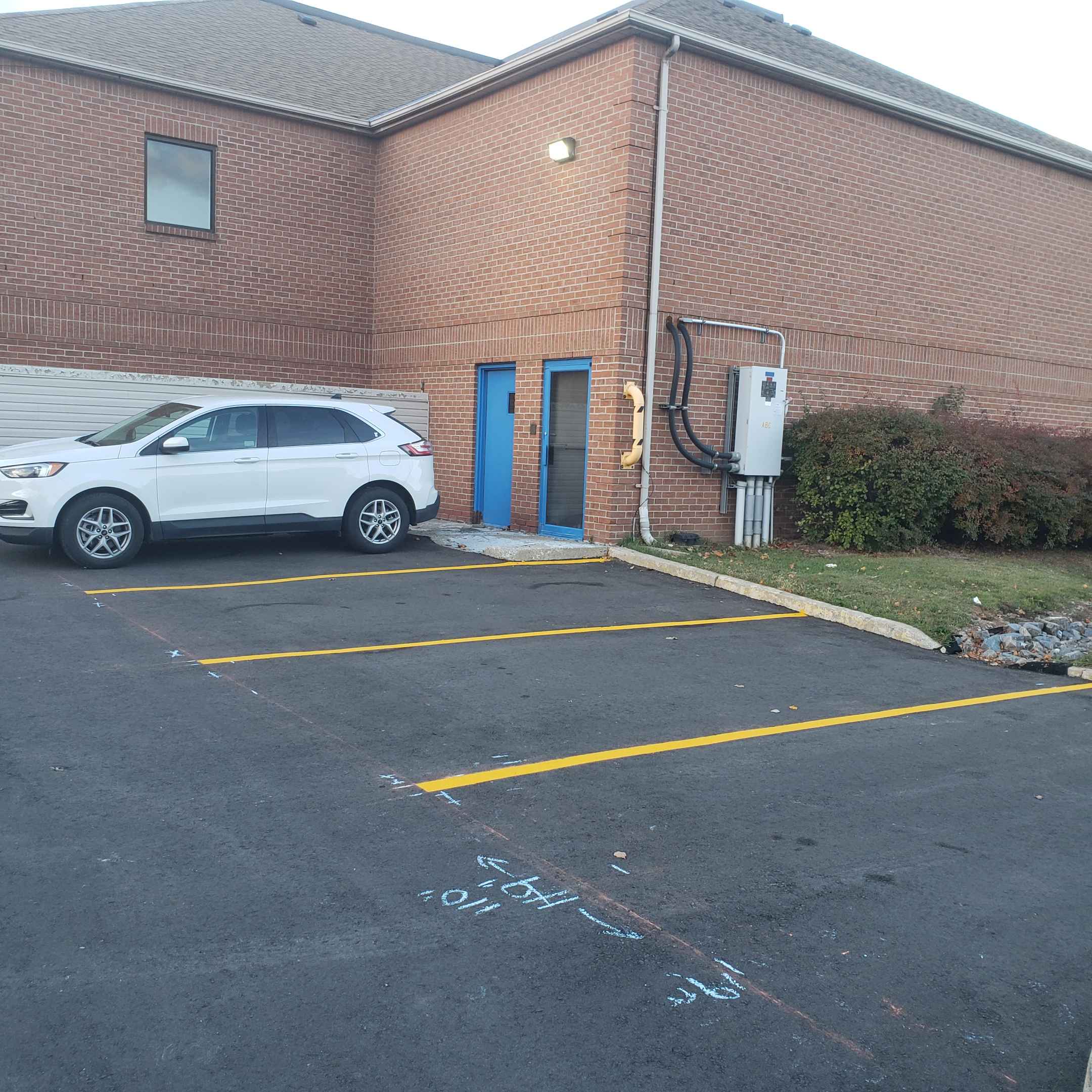
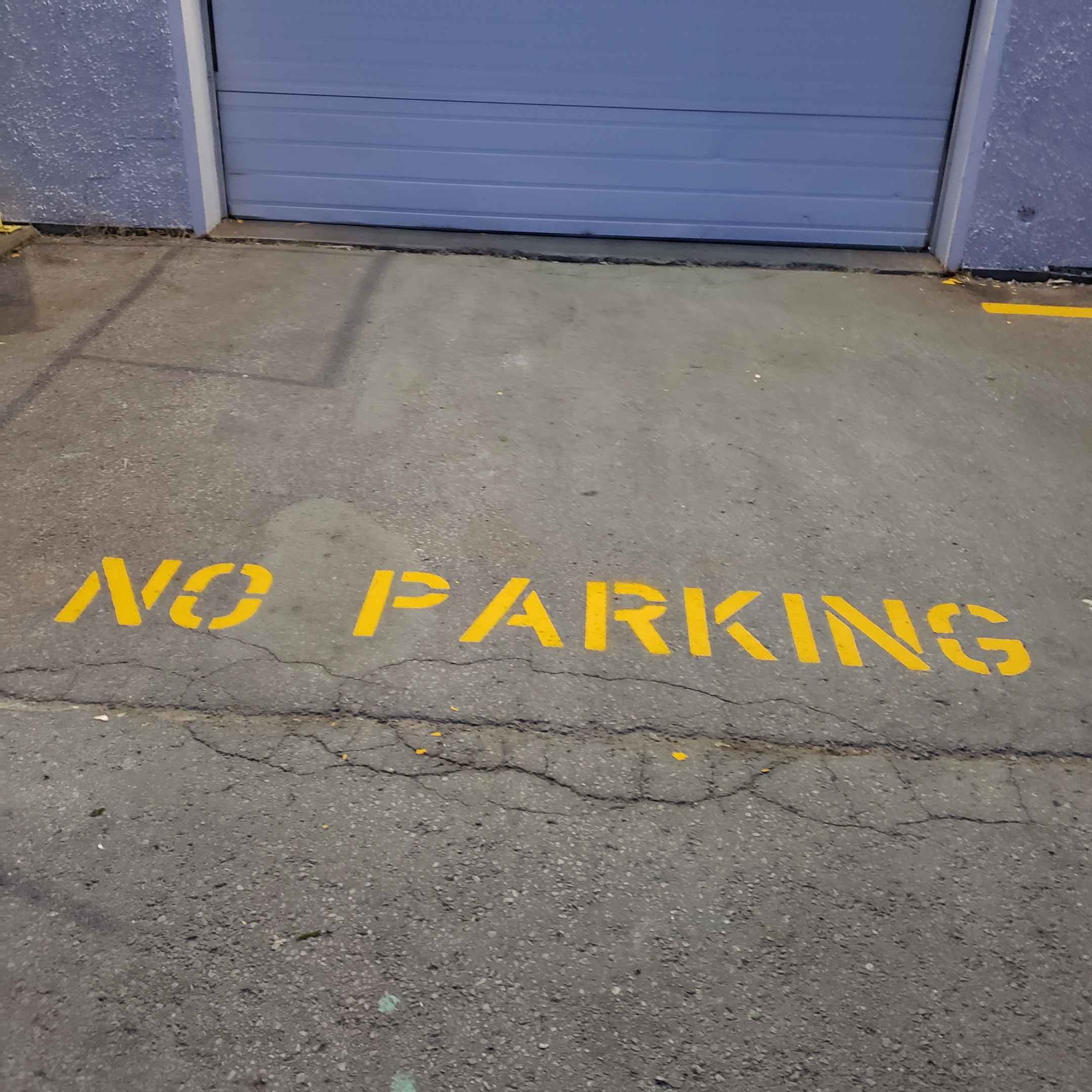
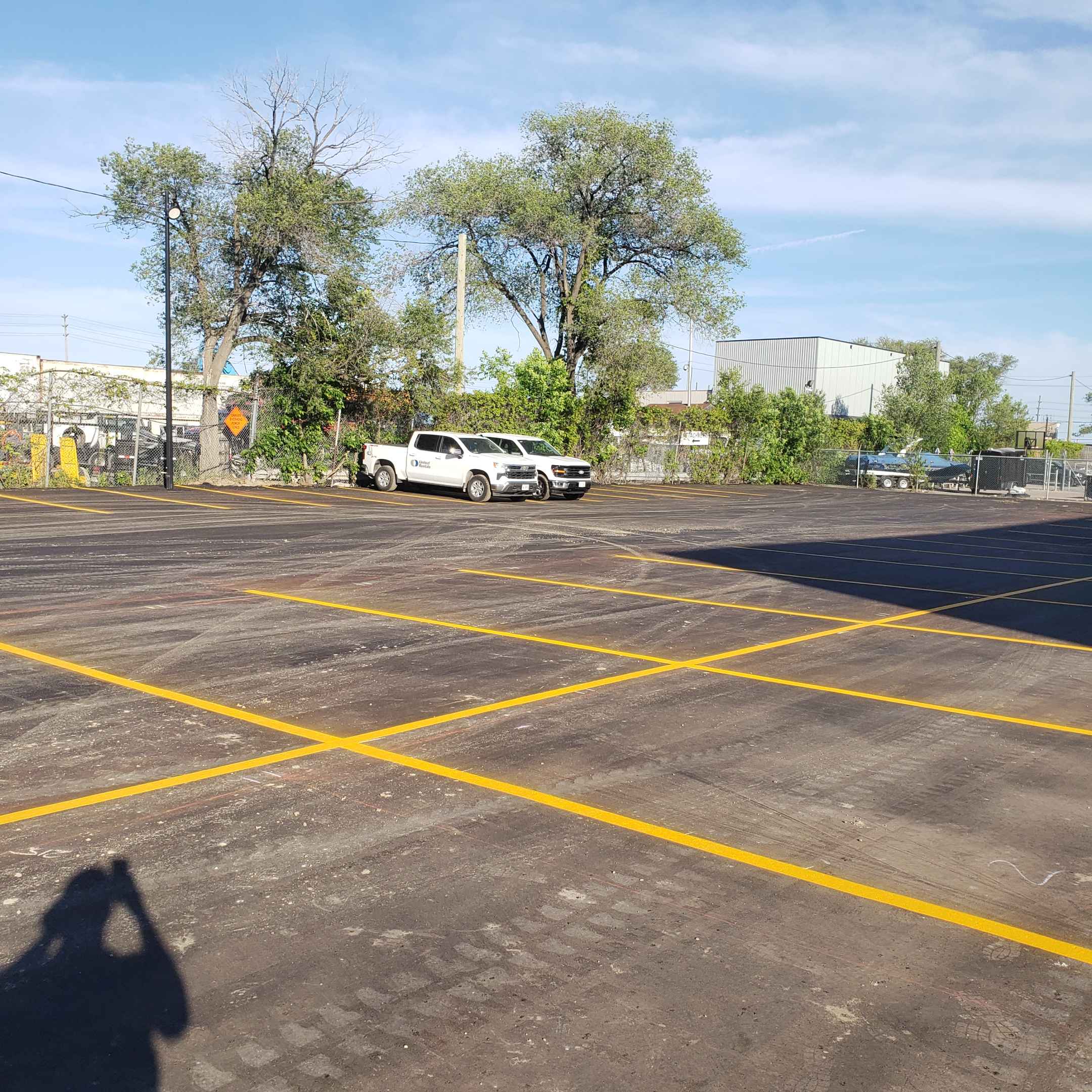
While not directly related to the structural integrity of the asphalt, maintaining clear Line Marking is vital for safety and traffic flow. As the asphalt ages and changes color, high-contrast Line Painting ensures that your parking lot remains functional and professional-looking.
The Professional Advantage
Managing a large-scale asphalt surface requires technical expertise. Capital Parking Lot Line Painting specializes in assessing the specific needs of your pavement, from structural repairs to aesthetic enhancements. We understand the local climate challenges and provide solutions that stand the test of time.
Ready to Protect Your Pavement?
Don't wait for small cracks to become expensive structural failures. Contact the experts at Capital Parking Lot Line Painting today to schedule a professional assessment.