The Science Behind Asphalt Cracking and How to Stop It
Understanding the molecular and environmental forces that compromise your pavement is the first step toward long-term durability.
The Anatomy of Asphalt: More Than Just Black Rock
To the untrained eye, asphalt looks like a solid, monolithic slab of black stone. However, from a scientific perspective, asphalt is a complex composite material consisting of mineral aggregates bound together by bitumen—a viscoelastic petroleum-based binder. This binder is the "glue" that provides flexibility and cohesion.
The very properties that make asphalt useful—its ability to flex under load—are also what make it susceptible to cracking. When the balance between the aggregate structure and the bitumen binder is disrupted, the pavement begins to fail. For property owners in Markham, a top 30 city in Ontario with significant seasonal temperature shifts, understanding this balance is crucial for maintaining property value.
The Primary Drivers of Asphalt Degradation
Cracking doesn't happen overnight; it is the result of cumulative stressors. Here are the scientific mechanisms at play:
1. Thermal Expansion and Contraction
In regions like Ontario, asphalt undergoes extreme temperature swings. During hot summer days, the bitumen expands. In the freezing winter months, it contracts. This constant movement creates internal tension. Over time, if the material cannot accommodate this movement, "thermal cracking" occurs, often appearing as transverse cracks perpendicular to the direction of travel.
2. Oxidation and UV Degradation
Sunlight is a silent killer of pavement. Ultraviolet (UV) radiation triggers a chemical reaction called oxidation in the bitumen. As the bitumen oxidizes, it loses its oily, flexible properties and becomes brittle. Brittle asphalt cannot flex under the weight of vehicles, leading to surface cracks that eventually turn into deep potholes.
3. Moisture Infiltration and Freeze-Thaw Cycles
Once a microscopic crack forms, water enters the sub-base. In Markham, where winters are harsh, this water freezes and expands, exerting massive upward pressure on the asphalt layer. This cycle, known as the freeze-thaw effect, rapidly widens cracks and compromises the structural integrity of the entire parking lot.
Common Types of Cracks to Watch For
Identifying the type of crack can help you determine the severity of the issue. Capital Parking Lot Line Painting recommends regular inspections to catch these early:
- Alligator Cracking: Small, interconnected cracks that resemble reptile skin. This usually indicates a structural failure of the base layer.
- Longitudinal Cracking: Cracks that run parallel to the direction of travel, often caused by poor joint construction or subgrade issues.
- Transverse Cracking: Cracks that run perpendicular to the direction of travel, typically caused by temperature changes.
- Block Cracking: Large, rectangular cracks caused by the aging and oxidation of the binder.
Proactive Strategies to Stop the Spread
Prevention is significantly more effective than reactive repair. By implementing a maintenance schedule, you can significantly extend the life of your asphalt surface. Capital Parking Lot Line Painting suggests the following preventative steps:
Crack Sealing
The most effective way to stop moisture infiltration is to seal cracks as soon as they appear. Using high-quality rubberized asphalt sealants fills the void and prevents water from reaching the sub-base, effectively halting the freeze-thaw cycle.
Sealcoating
Sealcoating acts as a sacrificial layer. It protects the asphalt from UV oxidation and prevents the bitumen from drying out. Think of it as "sunscreen" for your parking lot.
Professional Line Marking
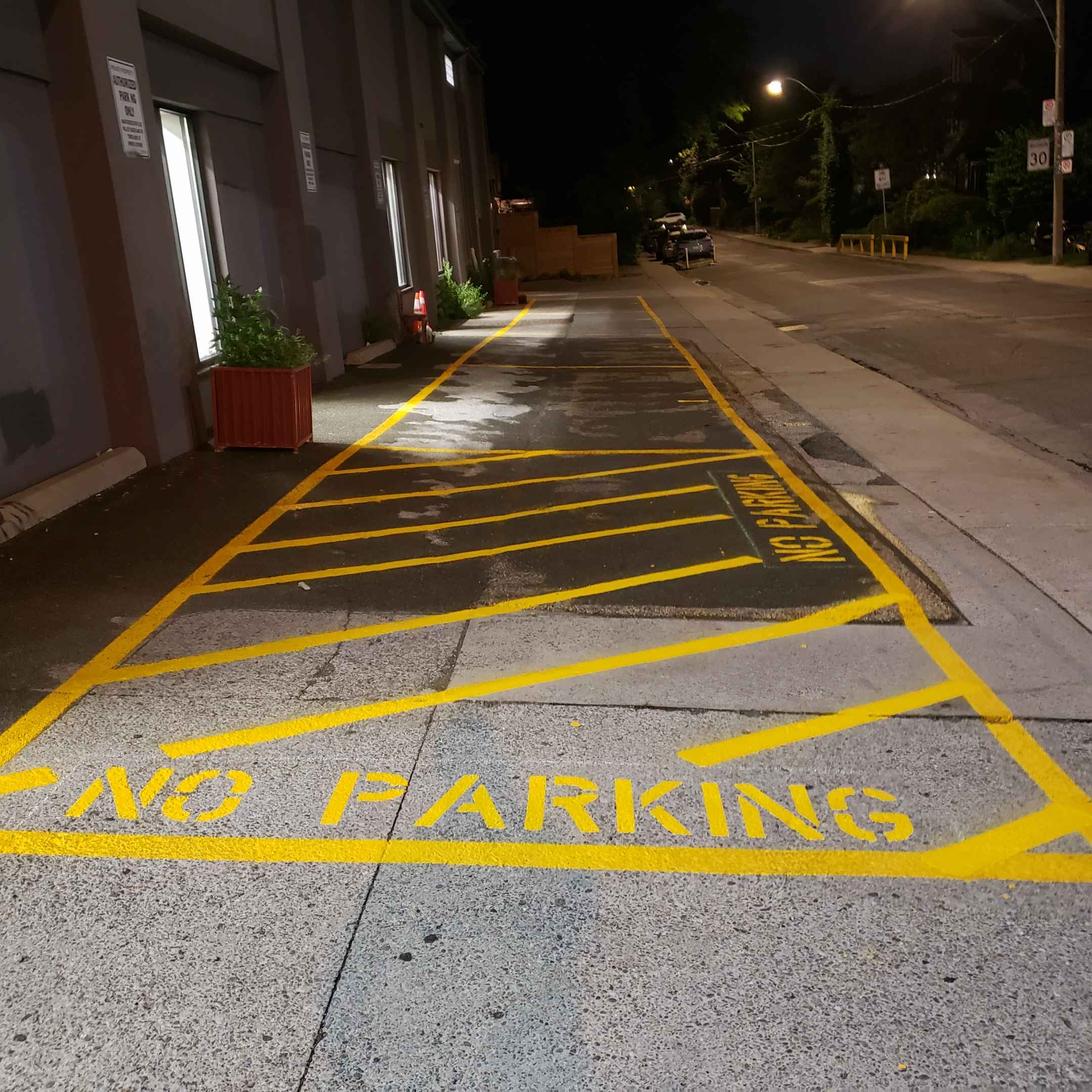
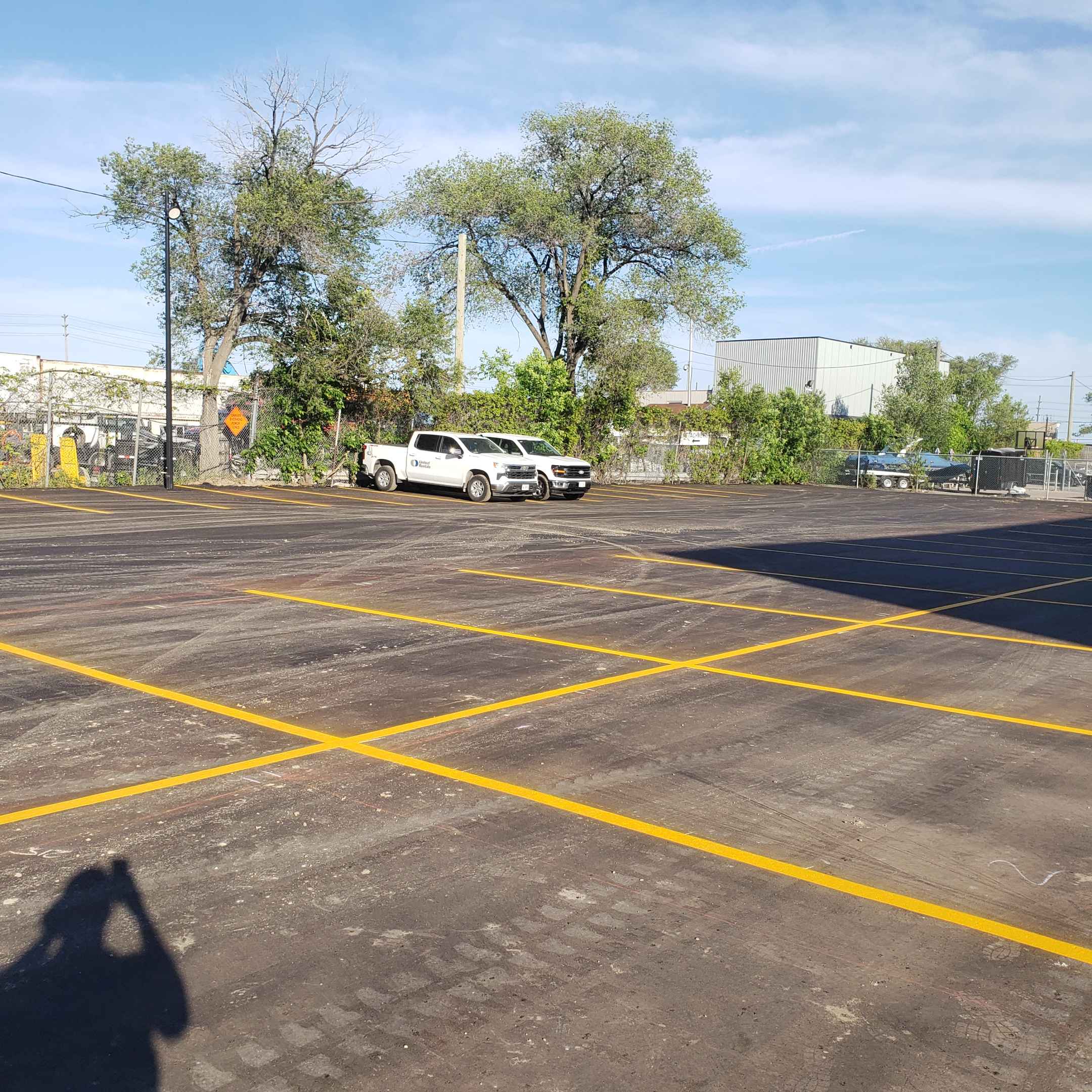
While it may seem aesthetic, regular Line Marking is part of a holistic maintenance plan. Clear, well-maintained lines ensure traffic flows correctly, reducing the amount of unnecessary turning and heavy braking in sensitive areas of the lot, which can cause localized cracking.
Regular maintenance keeps your pavement looking new.
Conclusion: Protect Your Investment
Asphalt cracking is an inevitable scientific process, but it doesn't have to be a catastrophe. By understanding the environmental stressors and acting early with sealing and protective coatings, you can avoid the massive costs of full resurfacing. For expert guidance and professional services, trust Capital Parking Lot Line Painting to keep your surfaces smooth, safe, and visually appealing.