The Science Behind Asphalt Oxidation and How Sealcoating Helps
Understanding the chemical breakdown of your pavement is the first step toward long-term durability and cost-effective maintenance.
What is Asphalt Oxidation?
If you have ever noticed that a brand-new asphalt driveway or parking lot looks jet black, only to turn a dusty, light grey within a year or two, you have witnessed a chemical phenomenon known as oxidation. Oxidation is a natural process that occurs when the bitumen—the "glue" that holds your asphalt together—is exposed to oxygen, ultraviolet (UV) radiation, and moisture.
In a city like North Bay, where seasonal temperature swings are extreme, this process is often accelerated. As the sun beats down on the dark surface, it triggers a reaction that causes the volatile oils within the asphalt to evaporate. Once these oils are gone, the asphalt loses its flexibility and its ability to bind the aggregate together.
The Chemical Breakdown: Why It Matters
Asphalt is a complex mixture of mineral aggregates and a bituminous binder. The binder is what provides the pavement with its waterproof and elastic qualities. When oxidation takes hold, the following chain reaction occurs:
- Loss of Flexibility: As oils evaporate, the binder becomes brittle. Instead of flexing under the weight of vehicles, the surface cracks.
- Increased Permeability: Brittle asphalt develops micro-cracks. These cracks allow water to seep into the sub-base, leading to potholes and structural failure.
- Surface Ravelling: As the binder weakens, the small stones (aggregate) begin to loosen and pop out of the surface, creating a rough, uneven texture.
- Aesthetic Decline: The transition from black to grey makes a property look aged and neglected, which can impact the perceived value of a commercial site.
At Capital Parking Lot Line Painting, we see the results of unchecked oxidation every day. Without intervention, a minor surface issue can quickly evolve into a major structural repair.
How Sealcoating Acts as a Protective Shield
Sealcoating is not just about making your pavement look new again; it is a vital preventative maintenance step. A high-quality sealer acts as a sacrificial barrier between your asphalt and the elements.
By applying a professional-grade sealant, you are essentially replenishing the protective layer that the sun and oxygen try to strip away. The sealer blocks UV rays from penetrating deep into the bitumen and provides a waterproof membrane that prevents moisture from entering existing micro-cracks.
For property owners in North Bay, sealcoating is particularly crucial to combat the freeze-thaw cycles that wreak havoc on unprotected surfaces. When water enters cracks and freezes, it expands, widening the cracks further. Sealcoating mitigates this risk significantly.
Proactive Maintenance is Key
Don't wait for the cracks to appear. Regular sealcoating schedules can extend the life of your pavement by years. Once the structural integrity is compromised, simple sealing is no longer an option, and expensive resurfacing becomes necessary.
The Complete Package: Sealing and Line Marking
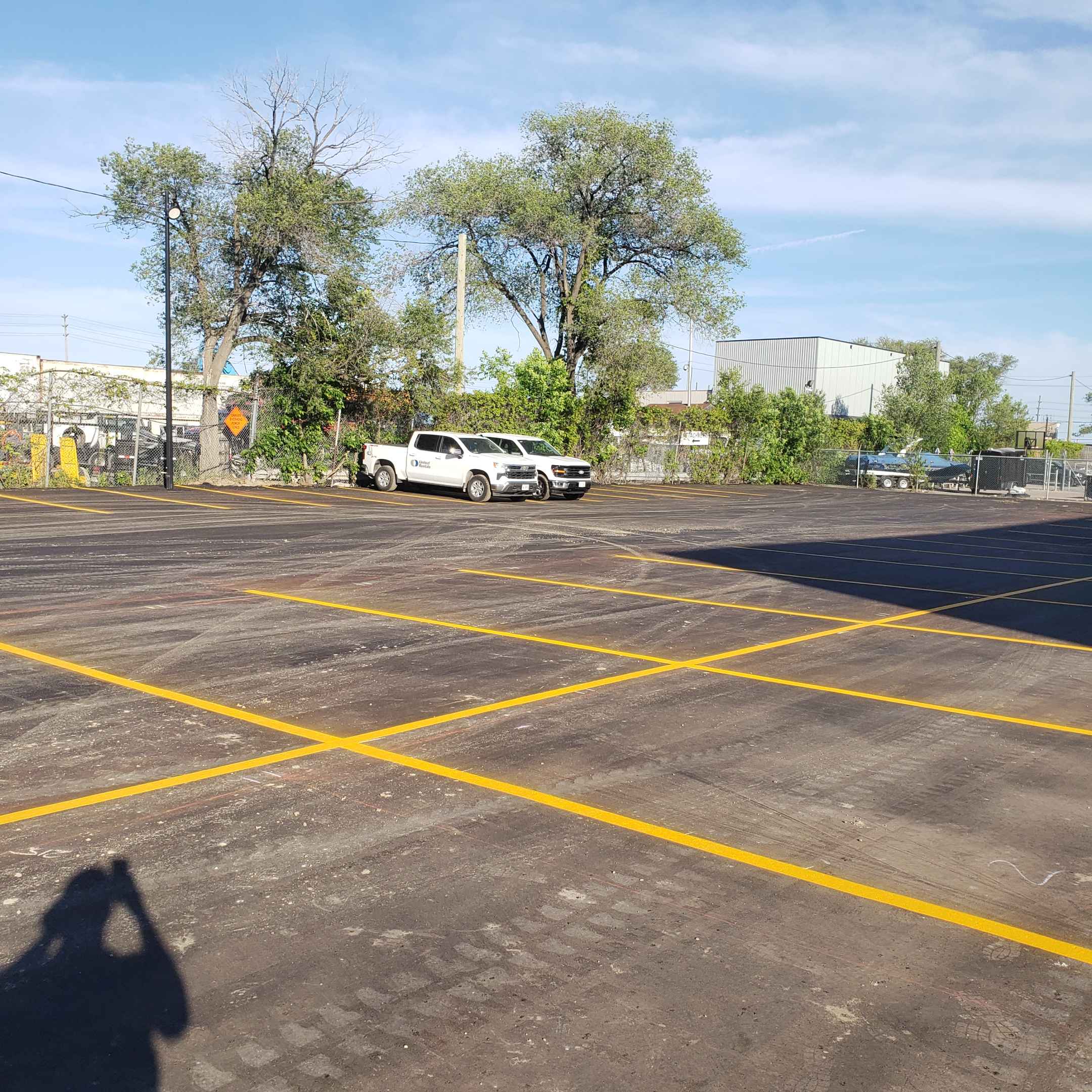
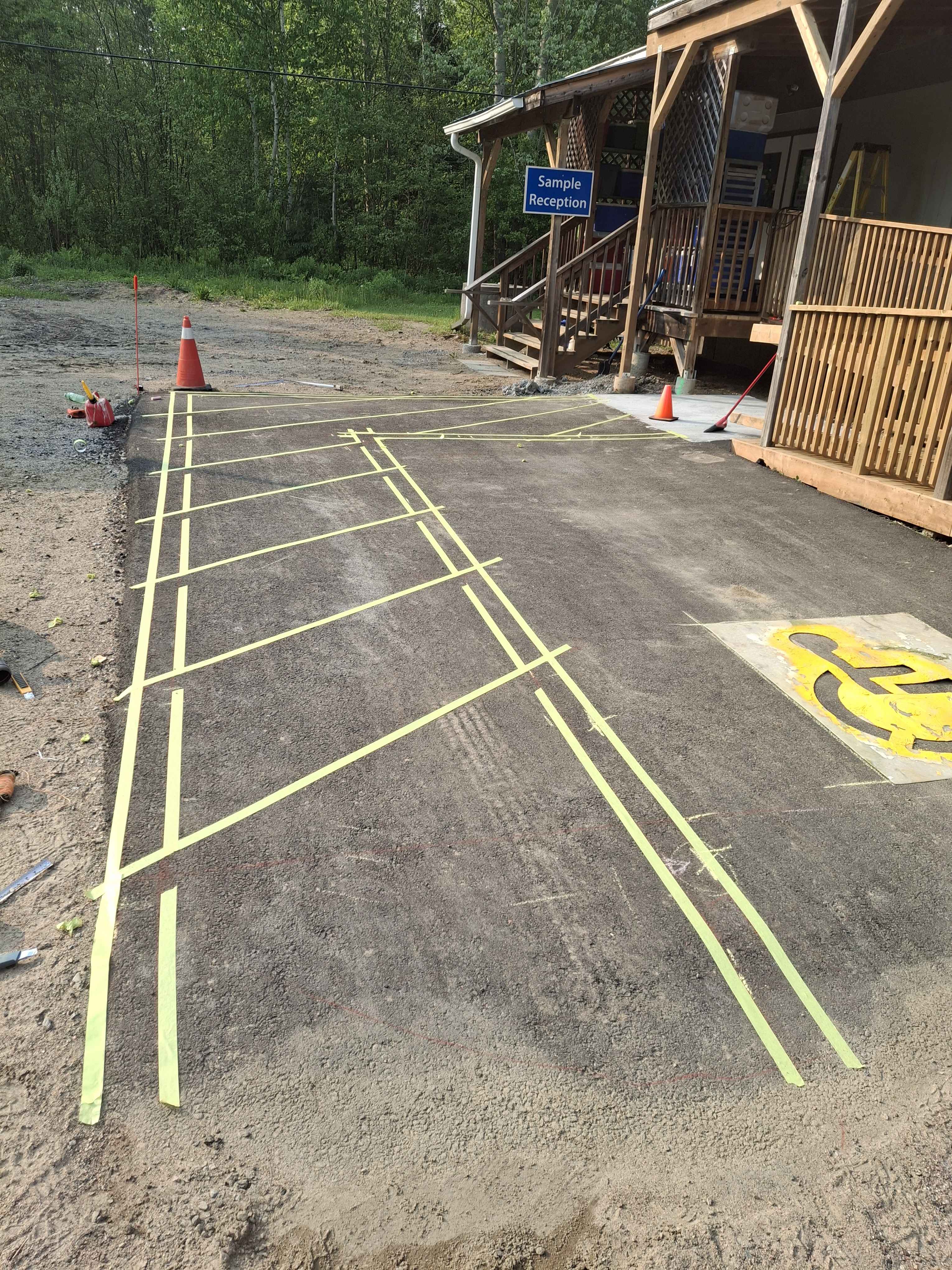
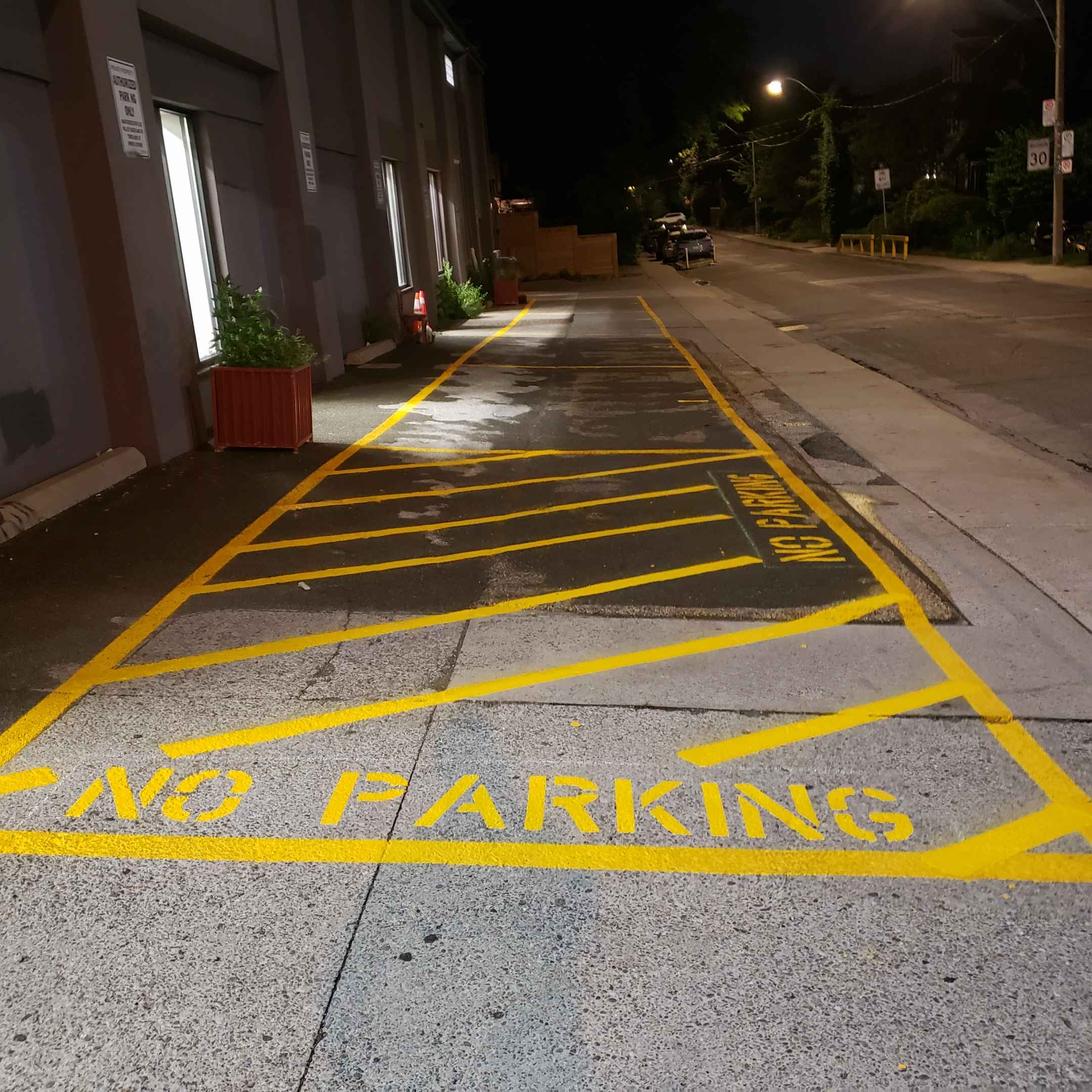
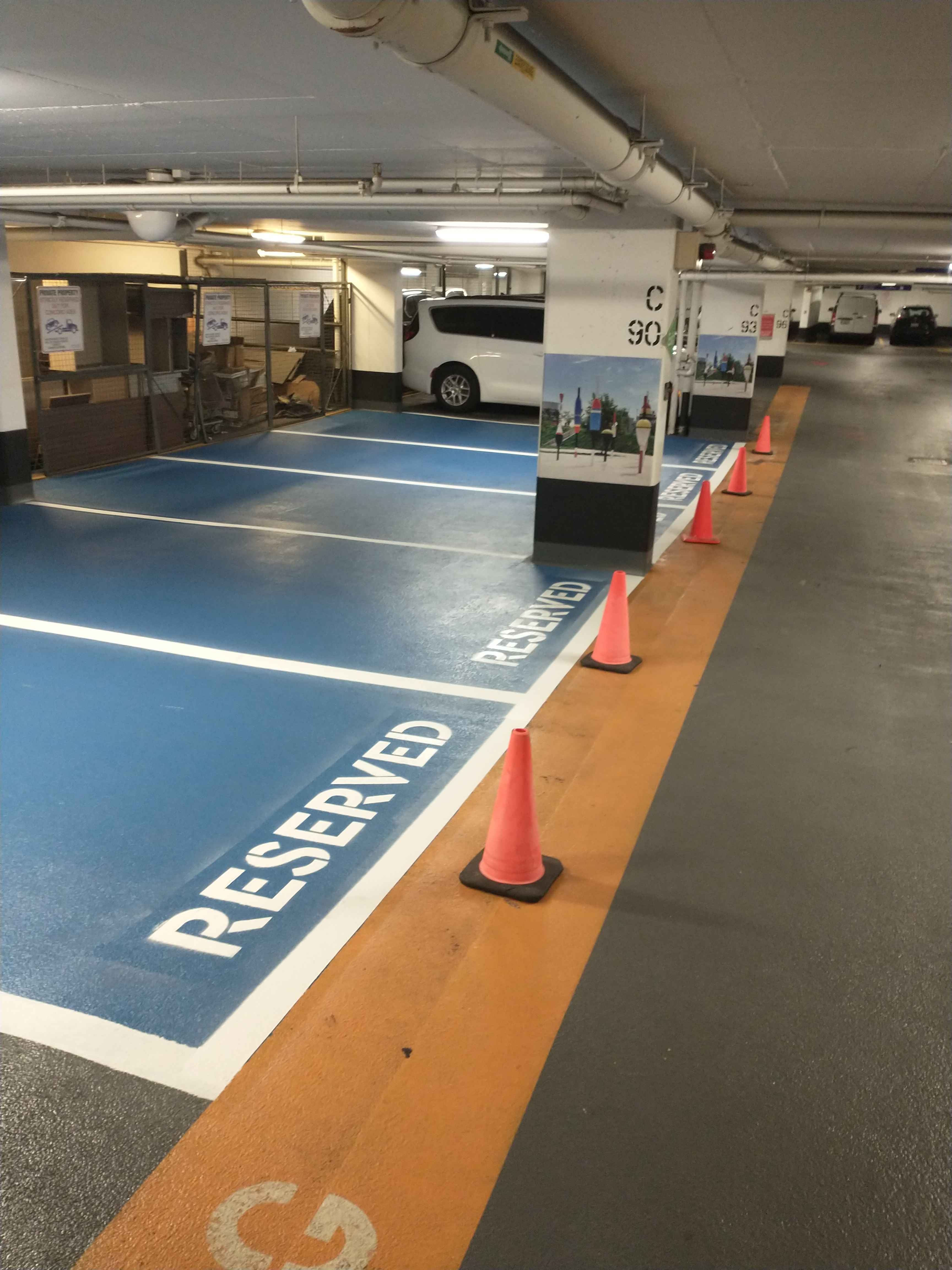
A well-maintained parking lot requires more than just a fresh coat of sealer. To ensure safety, compliance, and professional aesthetics, your pavement needs clear, visible markings. After the sealcoating process is complete and cured, professional Line Marking is essential to define parking stalls, pedestrian walkways, and directional arrows.
Capital Parking Lot Line Painting specializes in providing comprehensive services. We don't just stop at protecting the surface; we ensure your lot is functional and safe through precise Line Painting services that meet all local regulations.
Summary of Benefits
Investing in professional maintenance from Capital Parking Lot Line Painting provides several key advantages:
- Prevents oxidation and UV damage.
- Reduces the risk of water penetration and potholes.
- Enhances curb appeal and property value.
- Provides a clean, high-contrast canvas for professional Line Marking.
- Saves significant money on long-term reconstruction costs.