Cold vs. Hot Crack Fill: Which Is Best for Ontario Winters?
As the frost settles over the GTA and the temperatures begin to plummet, property owners across Ontario face a common enemy: the freeze-thaw cycle. Understanding how to protect your asphalt is crucial for long-term durability.
The Battle Against the Freeze-Thaw Cycle
In cities like Markham, the winter season isn't just about snow; it's about the constant expansion and contraction of water trapped within asphalt crevices. When water enters a small crack and freezes, it expands, widening the gap. When it thaws, it leaves behind a larger void ready to be filled by more water. This cycle is the primary cause of potholes and structural asphalt failure.
At Capital Parking Lot Line Painting, we see firsthand how neglected cracks can turn into expensive resurfacing projects if not addressed before the heavy snow hits. Choosing the right crack filling method is your first line of defense.
What is Cold Crack Filling?
Cold crack filling involves using a liquid or semi-liquid rubberized material that can be applied at ambient temperatures. This method is often favored for its ease of use and ability to be applied during shorter windows of good weather.
Pros and Cons of Cold Fill
- Ease of Application: Can be applied quickly without the need for heavy heating equipment.
- Accessibility: Ideal for minor repairs and smaller cracks.
- Temporary Nature: Generally considered a short-term solution compared to hot methods.
- Weather Sensitivity: While easier to apply, it may not bond as deeply into the substrate as heated materials.
What is Hot Crack Filling?
Hot crack filling is the industry standard for heavy-duty commercial applications. This process involves heating a specialized rubberized asphalt compound until it reaches a molten state. The heat allows the material to flow deep into the very bottom of the crack, creating a much more permanent bond.
For property managers in Markham looking for a long-term solution, hot filling provides a seamless seal that resists the aggressive salt and ice usage typical of Ontario winters. Capital Parking Lot Line Painting recommends this method for high-traffic areas where durability is non-negotiable.
Comparison Summary
| Feature | Cold Crack Fill | Hot Crack Fill |
|---|---|---|
| Durability | Moderate/Short-term | High/Long-term |
| Bond Strength | Surface level | Deep penetration |
| Best Use Case | Residential/Minor cracks | Commercial/Heavy traffic |
| Application Temp | Ambient | Heated/Molten |
Why Professional Maintenance Matters
It isn't just about filling the cracks; it's about the preparation. A professional team ensures that the cracks are cleaned of debris, dirt, and moisture before any sealant is applied. Without proper cleaning, even the best hot rubberized filler will fail prematurely.
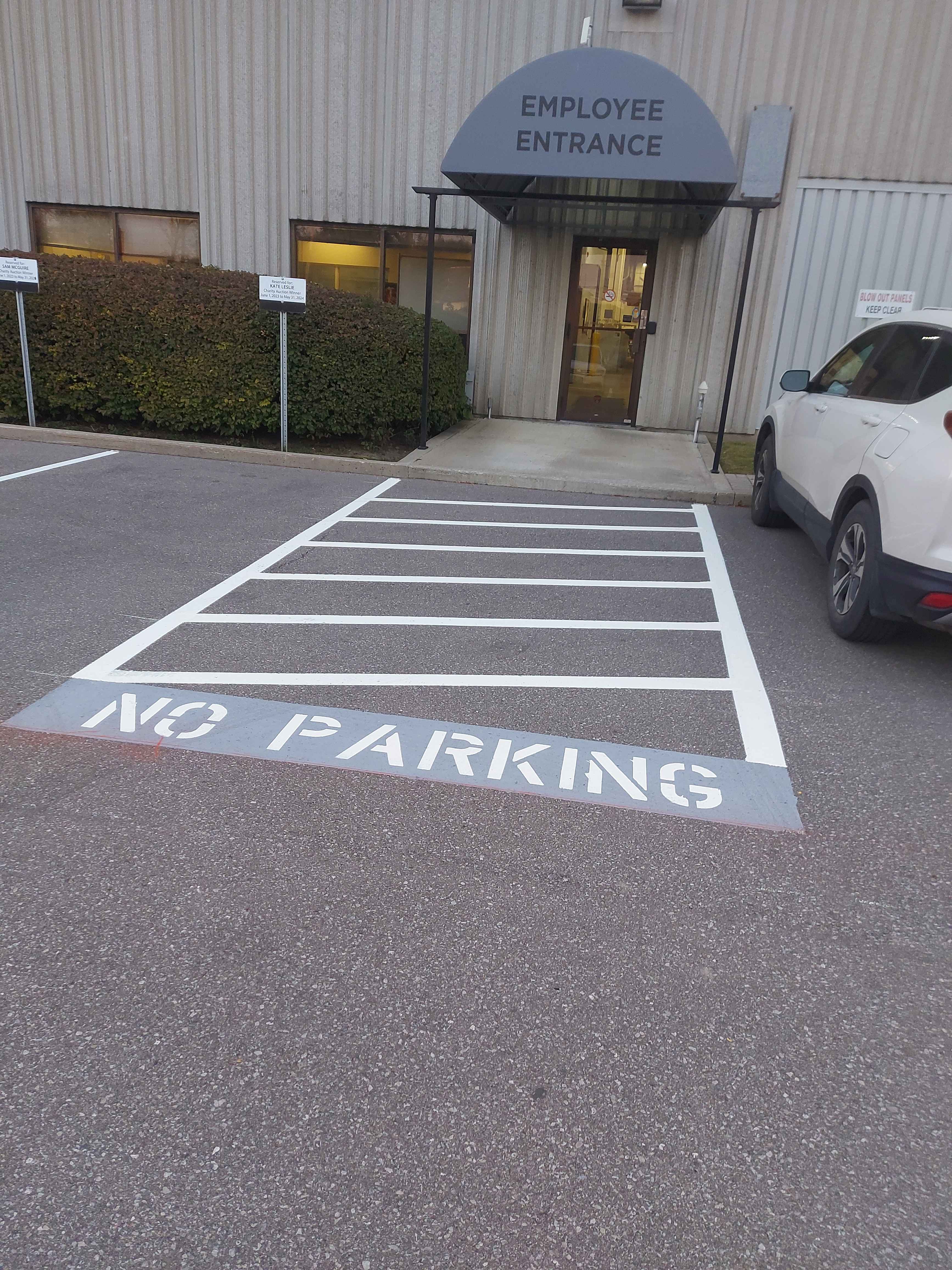
Furthermore, once your cracks are sealed, maintaining the visual clarity of your parking lot is essential for safety and organization. This is where professional Line Painting becomes vital. Clear markings ensure that traffic flows correctly and that your property looks well-maintained and professional.
Capital Parking Lot Line Painting specializes in comprehensive lot care, ensuring that your asphalt is both structurally sound and visually striking through expert Line Marking services.
Expert maintenance ensures longevity.
Common Mistakes to Avoid
Many property owners attempt DIY repairs, which often leads to wasted effort and more damage. Avoid these common pitfalls:
- Filling cracks that are too wide (these require patching, not just filling).
- Applying sealant over wet or dirty cracks.
- Using low-quality materials that cannot withstand Ontario's salt levels.
- Neglecting Line Painting updates, which can lead to confusion and accidents.