The Science Behind Asphalt Oxidation and How Sealcoating Helps
Understanding the chemical degradation of your pavement is the first step toward long-term durability and cost-effective maintenance.
What is Asphalt Oxidation?
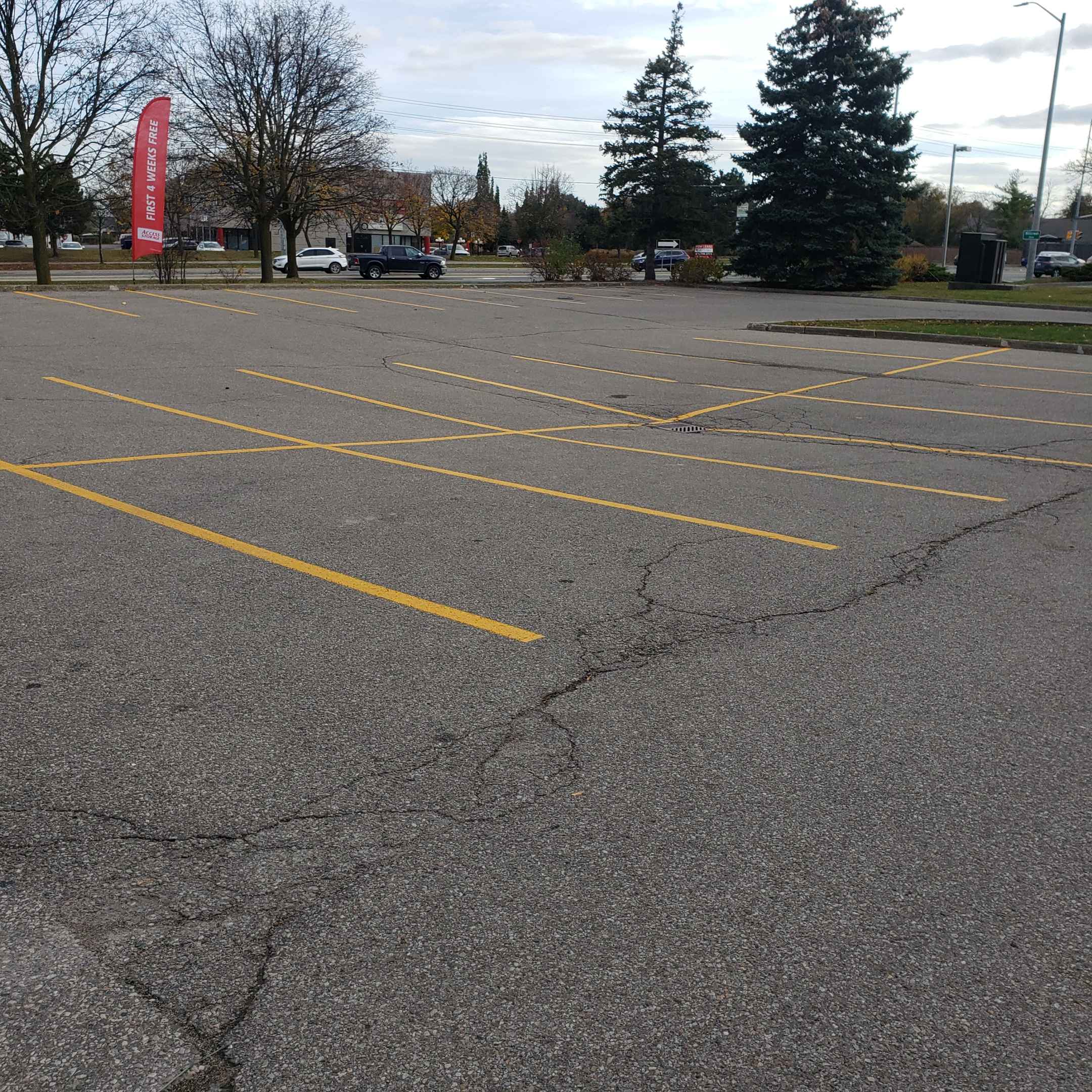
To the untrained eye, an aging parking lot simply looks "gray." However, that color change is more than just a cosmetic issue; it is a visible symptom of a complex chemical process known as oxidation. For property managers in Waterloo, recognizing this transition early can mean the difference between a simple maintenance task and a complete, expensive reconstruction.
Asphalt is a composite material consisting of mineral aggregate bound together by bitumen. Bitumen is a viscous, black, petroleum-based substance that provides the flexibility and waterproofing necessary to keep the pavement intact. Oxidation occurs when the bitumen is exposed to oxygen, ultraviolet (UV) radiation from the sun, and extreme temperature fluctuations.
The Chemical Breakdown: How It Happens
When UV rays hit the surface of your asphalt, they trigger a photochemical reaction. This reaction causes the lighter, more volatile molecules within the bitumen to evaporate or break down. As these molecules escape, the remaining bitumen becomes harder, more brittle, and loses its ability to flex under the weight of vehicles.
The Cycle of Decay
As the bitumen loses its elasticity, the pavement can no longer accommodate the natural expansion and contraction caused by Ontario's harsh seasonal shifts. This leads to several progressive stages of damage:
- Color Fading: The transition from deep black to light gray indicates the initial loss of oils.
- Surface Brittleness: The binder becomes prone to cracking under pressure.
- Micro-cracking: Small fissures appear on the surface, allowing water to penetrate.
- Alligator Cracking: Large, interconnected cracks that signal deep structural failure.
At Capital Parking Lot Line Painting, we frequently see properties in Waterloo that have ignored these early signs, leading to much more significant repair needs down the road.
The Role of Sealcoating in Pavement Longevity
Sealcoating acts as a sacrificial barrier. By applying a high-quality sealant over the asphalt, you are essentially providing a new "skin" for the pavement. This layer absorbs the brunt of the UV radiation and oxygen exposure, shielding the underlying bitumen from the oxidation process.
Effective sealcoating provides several critical advantages:
- UV Protection: It blocks the harmful rays that break down the chemical bonds of the bitumen.
- Waterproofing: It fills micro-cracks, preventing water from seeping into the sub-base, which is vital during the freeze-thaw cycles common in Ontario.
- Oil Resistance: It protects the surface from automotive fluids like oil and gasoline, which can dissolve bitumen rapidly.
- Aesthetic Renewal: It restores the rich, black appearance of the lot, making the property look well-maintained.
Complementing Maintenance with Professional Line Marking
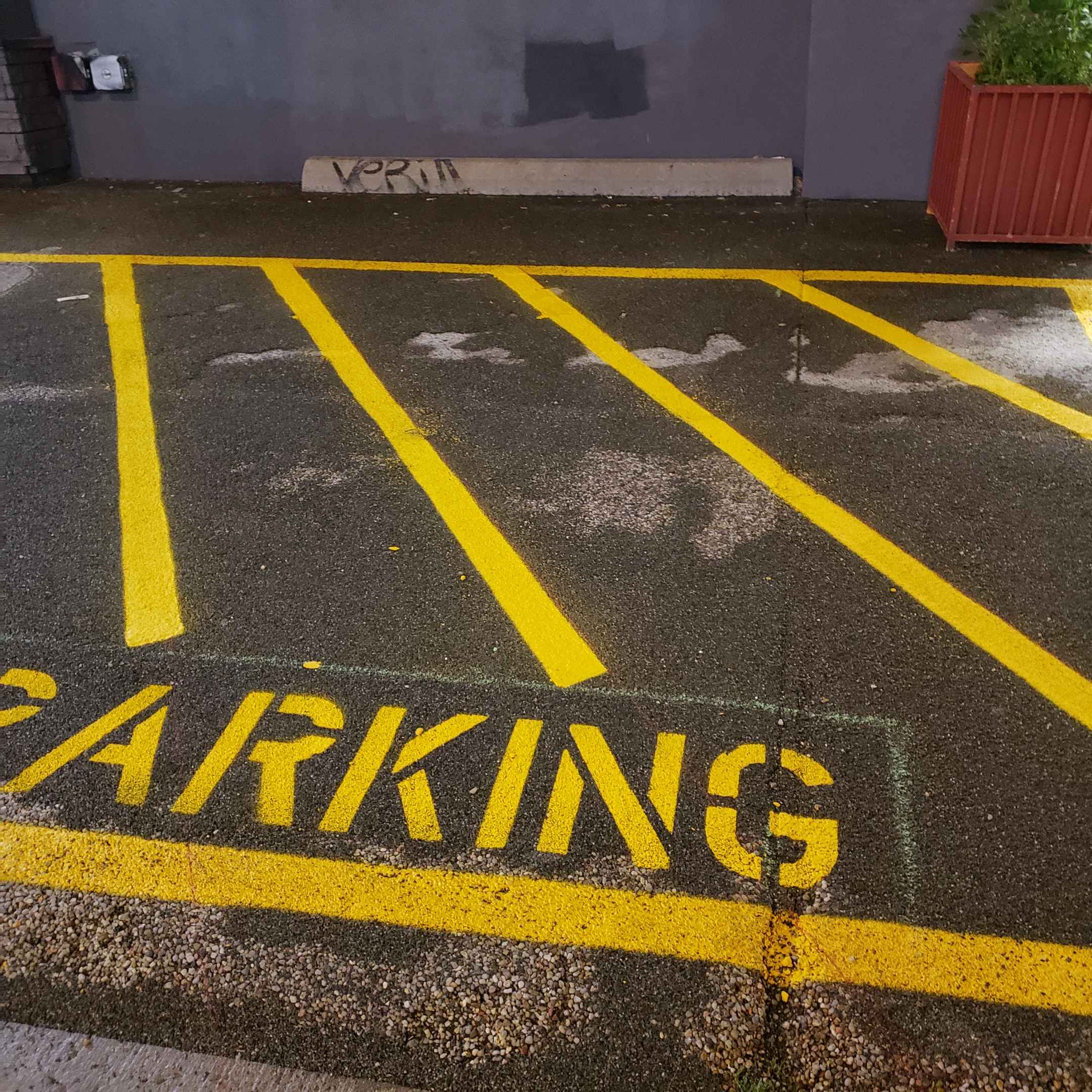
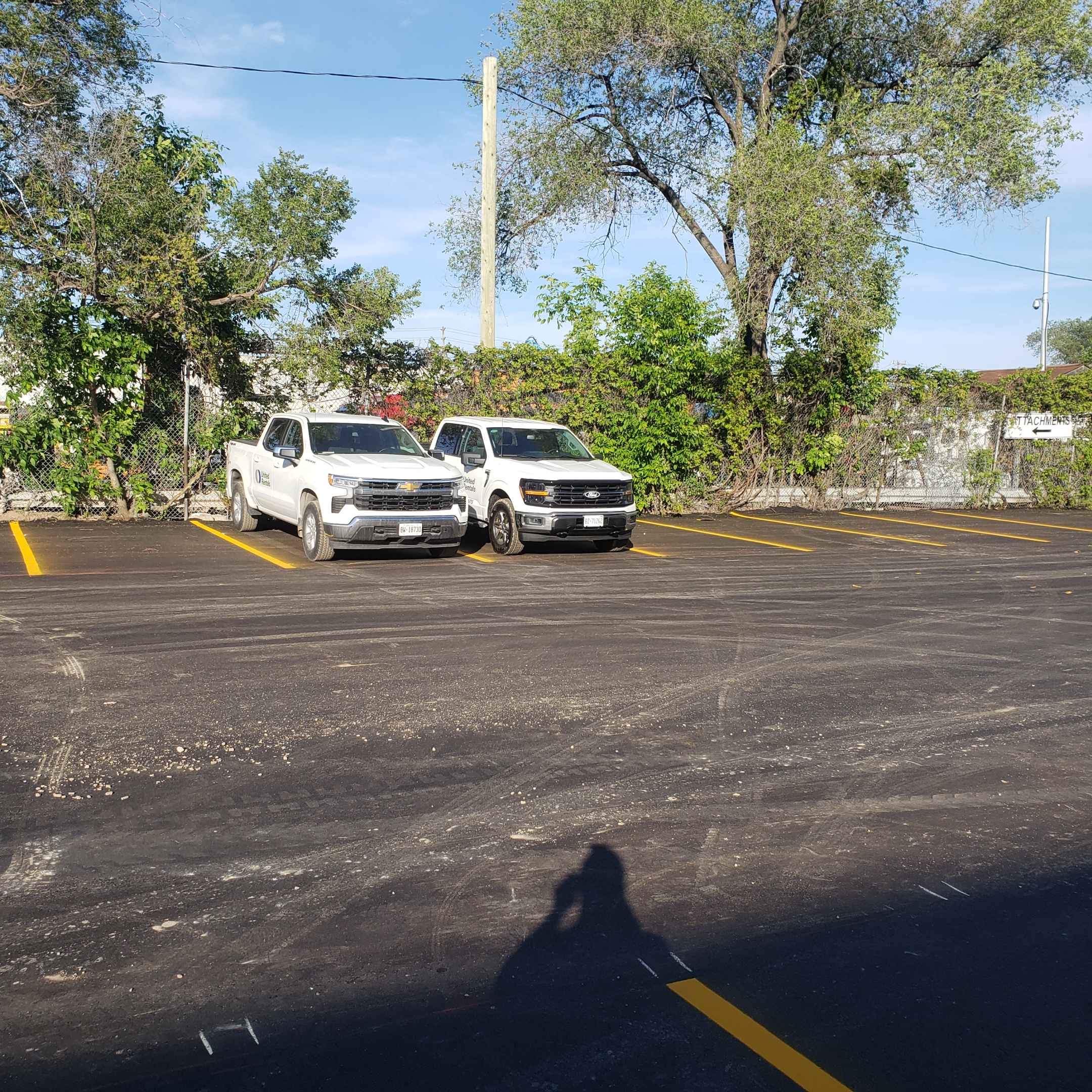
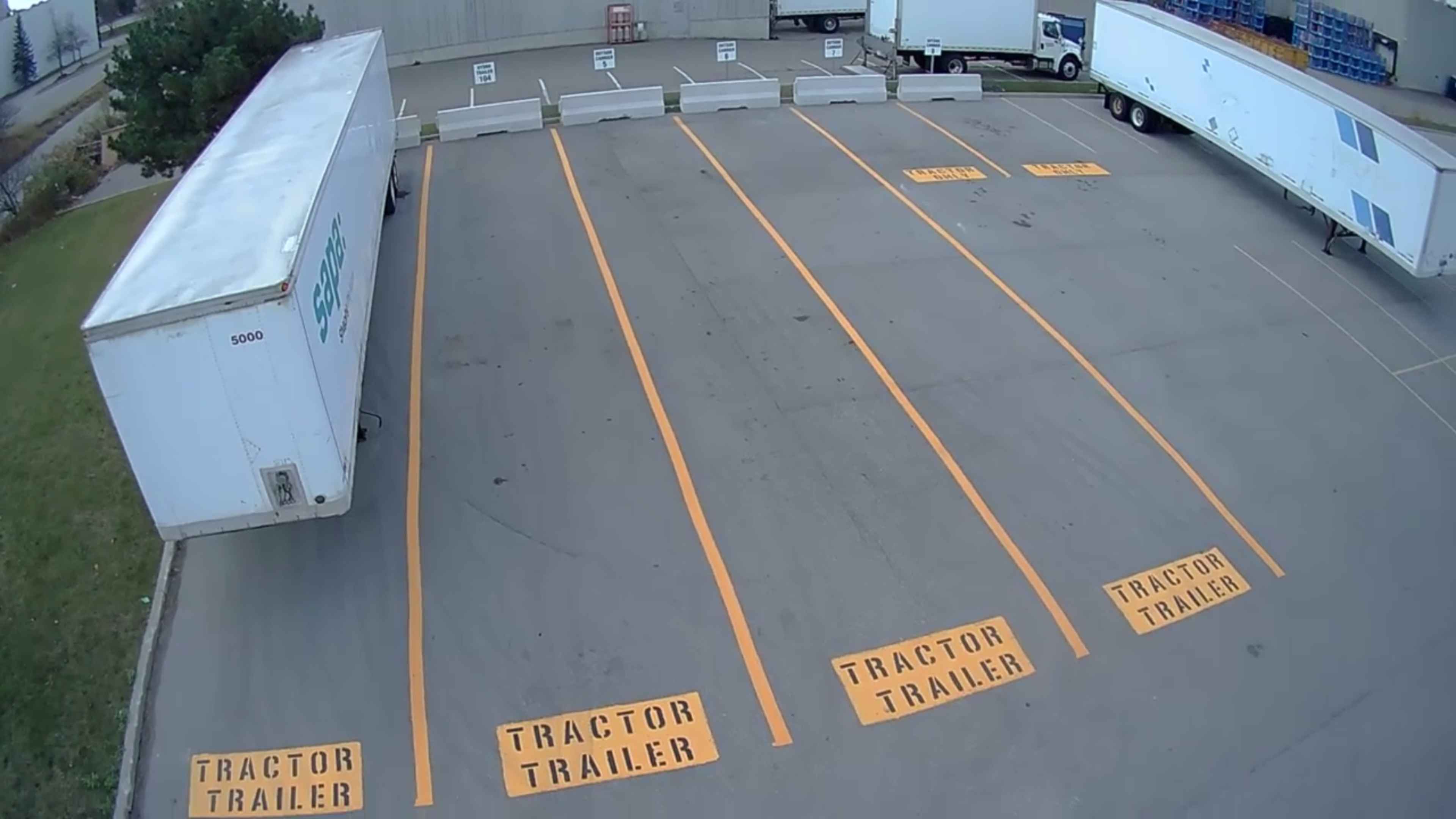
A freshly sealcoated lot looks exceptional, but to truly maximize the professional appearance and safety of your facility, you must pair your surface protection with high-visibility Line Marking. Once the sealant has cured, professional Line Painting ensures that parking stalls, handicap symbols, and directional arrows are crisp and compliant with local regulations.
Capital Parking Lot Line Painting specializes in integrating these services, ensuring that your surface protection and your Line Painting work together to create a safe, navigable, and visually appealing environment for your customers and tenants.
Summary of Maintenance Benefits
Regular maintenance through sealcoating and professional Line Marking is the most effective way to extend the lifecycle of your asphalt. Don't wait for the cracks to appear—proactive care is the smartest investment for your property.
Trust the experts at Capital Parking Lot Line Painting to keep your surfaces in peak condition.