Best Pavement Marking Layouts for Industrial Facilities
Maximizing safety and operational efficiency through strategic line marking and spatial organization.
In the fast-paced environment of an industrial facility, clarity is the foundation of safety. Whether you are managing a massive distribution center or a specialized manufacturing plant, the way you organize your floor space dictates the flow of traffic, the safety of your workers, and the overall efficiency of your operations. Professional line marking is not merely an aesthetic choice; it is a critical component of risk management and logistical precision.
At Capital Parking Lot Line Painting, we understand that every facility has unique spatial challenges. From high-traffic forklift lanes to designated pedestrian walkways, a well-thought-out layout can prevent accidents before they happen. For businesses operating in growing hubs like Niagara Falls, maintaining a high standard of facility organization is essential to meeting modern industrial demands.
The Core Components of Industrial Line Marking
An effective industrial layout is built on several layers of visual communication. You aren't just drawing lines; you are creating a silent language that guides employees and machinery through the facility.
1. Traffic Flow and Vehicle Lanes
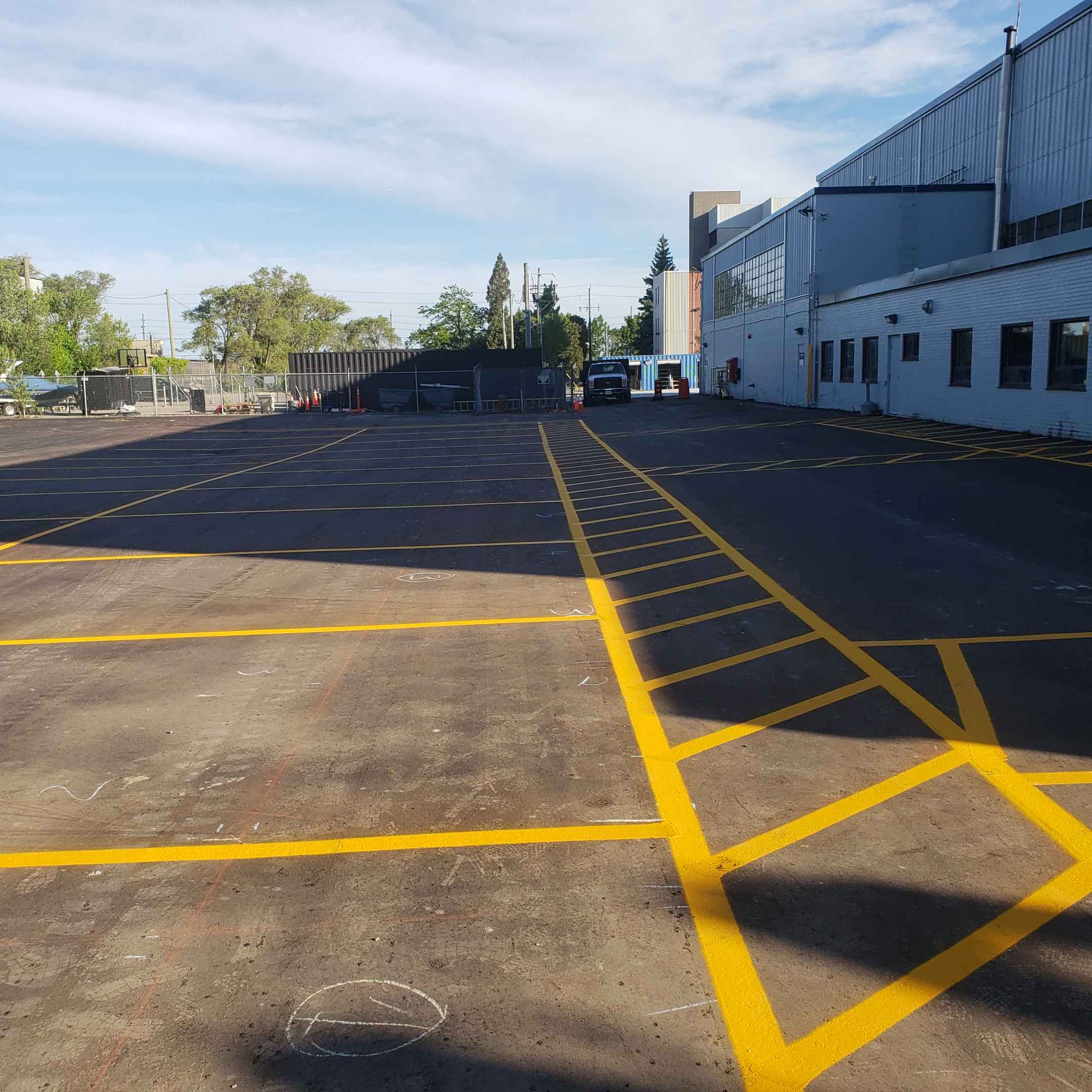
Forklifts, pallet jacks, and heavy machinery require dedicated lanes to prevent collisions. These lanes should be clearly defined with continuous line marking to ensure operators stay within designated zones. In high-density facilities, one-way traffic patterns are often the most efficient way to reduce congestion and the risk of head-on encounters.
2. Pedestrian Safety Zones
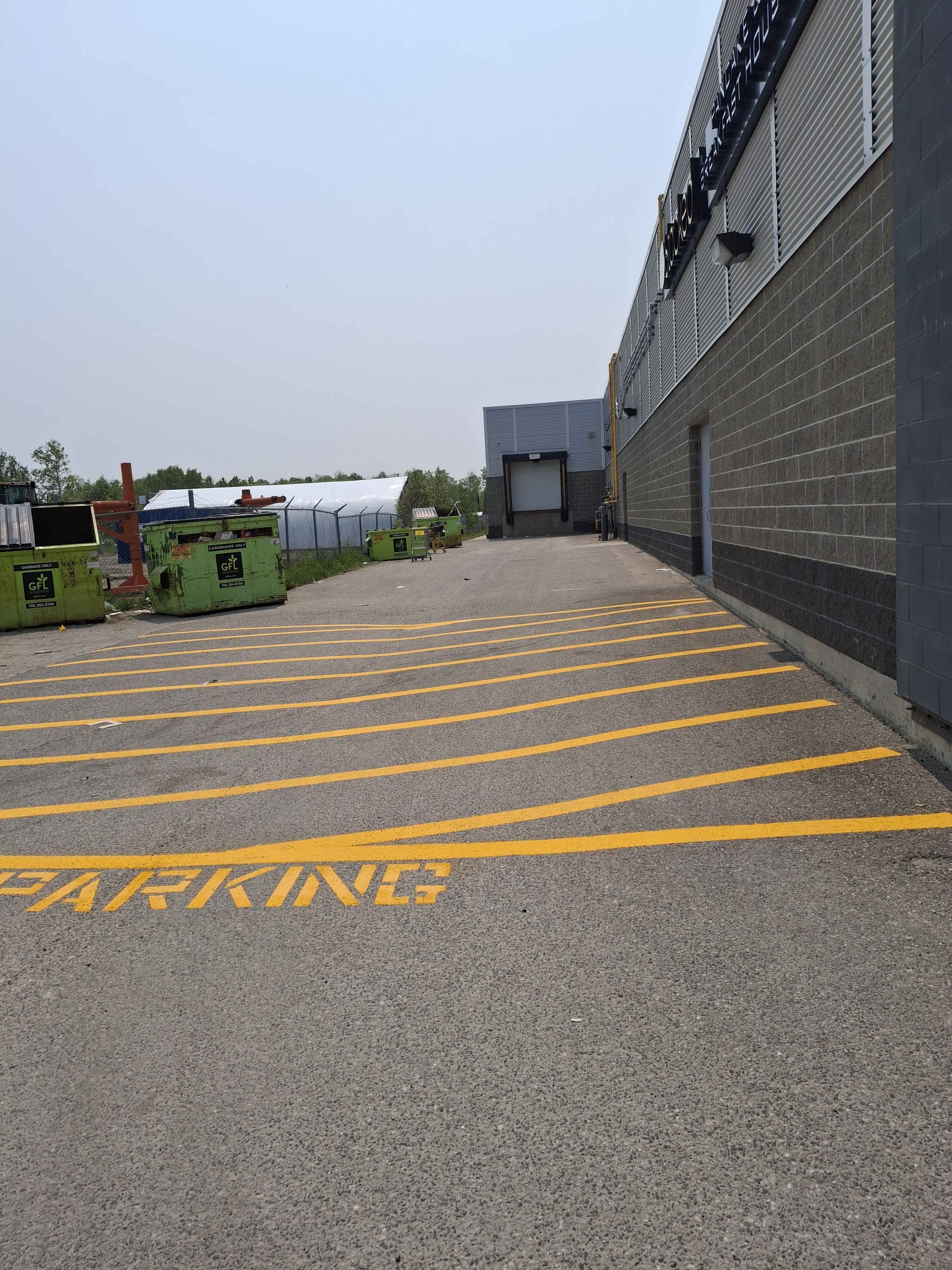
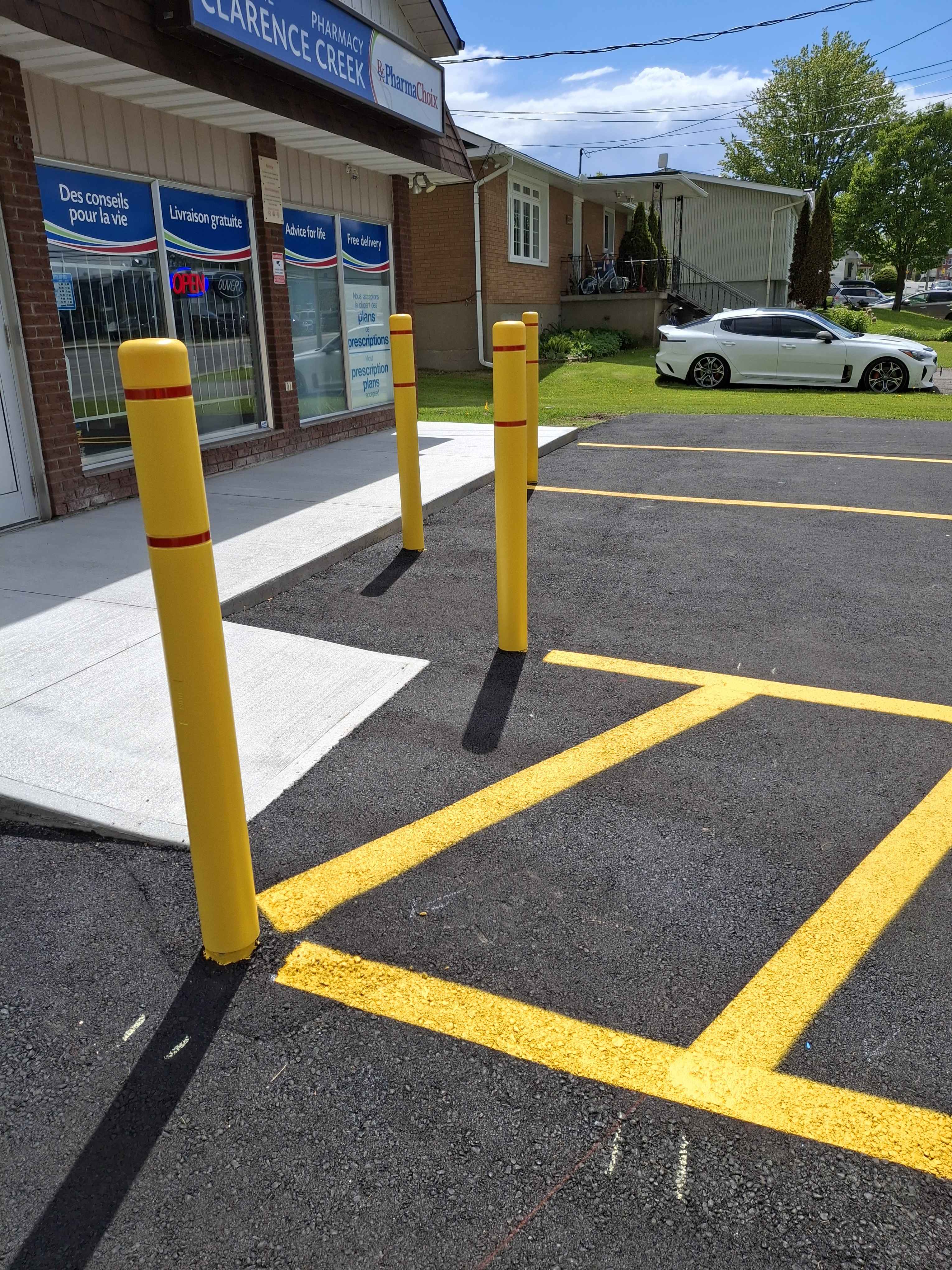
One of the most critical aspects of industrial safety is the separation of people from heavy machinery. Pedestrian walkways should be clearly demarcated, often using high-visibility colors like yellow or white. Crosswalks at intersection points are vital to ensure that workers know exactly where it is safe to traverse active vehicle paths.
3. Storage and Staging Areas
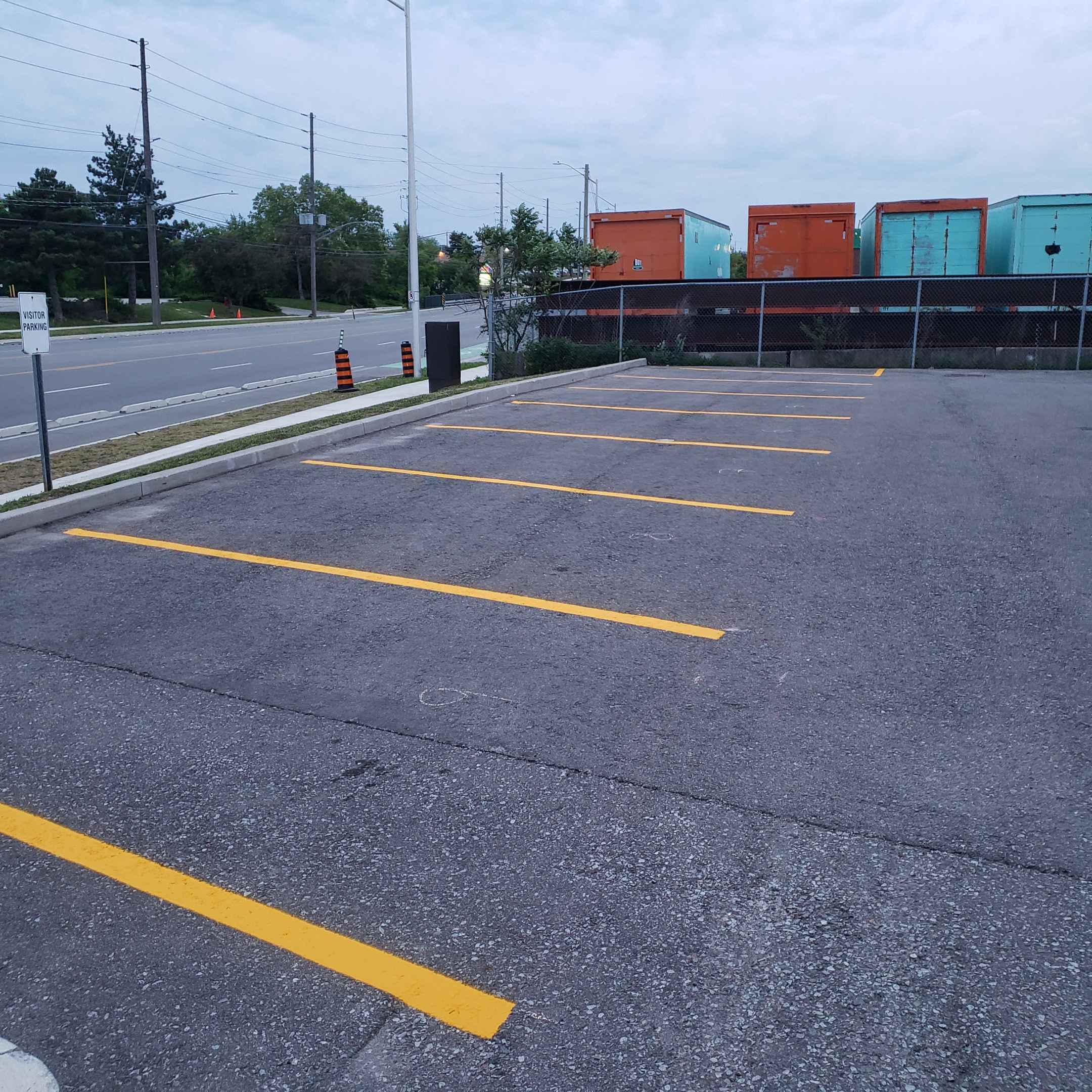
Unorganized storage leads to chaos. By using precise line painting to define pallet positions, rack boundaries, and staging areas, you can maximize your square footage and ensure that aisles remain clear for emergency access and daily operations.
Key Benefits of Professional Layout Design
Investing in a professional layout strategy provides long-term advantages that extend far beyond simple organization. When you partner with experts like Capital Parking Lot Line Painting, you gain several key benefits:
- Enhanced Safety: Reduced risk of accidents involving pedestrians and mobile equipment.
- Regulatory Compliance: Meeting OSHA and local safety standards regarding walkway and exit markings.
- Increased Efficiency: Streamlined traffic flow reduces downtime and optimizes movement.
- Improved Organization: Clear boundaries prevent clutter and ensure optimal use of space.
- Professionalism: A clean, well-marked facility demonstrates high standards to clients and inspectors.
Common Mistakes in Industrial Line Marking
Even with the best intentions, many facilities fall into common traps that can compromise safety. Avoiding these errors is crucial for maintaining a functional workspace.
Inconsistent Color Coding
Using different colors for different purposes without a standardized legend can confuse workers. For example, if yellow is used for both walkways and forklift lanes, the visual distinction is lost. Consistency is key to effective visual communication.
Neglecting Maintenance
Lines that are faded, chipped, or obscured by debris lose their effectiveness. In a busy industrial hub like Niagara Falls, where facilities deal with heavy daily wear, regular inspections and touch-ups are necessary to keep the layout functional.
Poor Visibility at Intersections
Intersections are the highest-risk areas in any facility. Failing to use bold markings or warning symbols at these points can lead to catastrophic errors. Capital Parking Lot Line Painting recommends high-contrast marking at every junction to ensure maximum visibility.
Choosing the Right Materials and Methods
Not all line painting is created equal. The durability of your markings depends heavily on the substrate (concrete vs. asphalt) and the type of paint or coating used. For indoor industrial environments, epoxy-based coatings are often preferred for their extreme durability and resistance to heavy chemical spills and constant forklift traffic. For outdoor loading docks, heavy-duty traffic paints are required to withstand the elements.
When planning your layout, consider the frequency of movement in specific areas. High-traffic zones require more robust materials than low-use storage corners. A strategic approach ensures that your investment lasts as long as possible.
Ready to Optimize Your Facility?
Don't leave your facility's safety to chance. Whether you need a complete redesign or a refresh of your existing lines, professional line marking is the answer to a safer, more productive workplace.