Is Sealcoating Suitable for Older Asphalt Surfaces?
Understanding the threshold between routine maintenance and necessary reconstruction is critical for preserving your asphalt investment.
As asphalt ages, it undergoes a series of chemical and physical changes. Exposure to UV rays, water penetration, and heavy vehicular traffic causes the bitumen—the "glue" that holds the asphalt together—to oxidize and harden. For property owners in Sarnia, navigating the harsh Ontario seasonal shifts makes this process even more aggressive. One of the most common questions we receive at Capital Parking Lot Line Painting is: "Can I still sealcoat my old asphalt, or is it too late?"
The answer isn't a simple yes or no; it depends entirely on the current structural integrity and surface condition of your pavement. Sealcoating is a preventative maintenance tool, not a magic fix for structural failure.
The Role of Sealcoating in Asphalt Longevity
Sealcoating involves applying a protective liquid coating over the asphalt surface. This layer acts as a shield against environmental stressors. When applied to healthy, relatively young asphalt, it can extend the life of the surface by several years. However, when applied to older, degraded surfaces, the results can be underwhelming or even detrimental if the underlying issues aren't addressed first.
When Sealcoating is a Great Idea
Sealcoating is highly effective when the asphalt is still structurally sound. You should consider it if:
- The surface is mostly smooth with minimal cracking.
- There are no significant depressions or "potholes."
- The color has begun to fade from deep black to a lighter gray.
- The surface is intact and doesn't show signs of crumbling (raveling).
The Red Flags: When Sealcoating Isn't Enough
If your parking lot in Sarnia has reached a certain level of decay, simply slapping a layer of sealer on top is akin to putting a bandage on a deep wound. If you ignore the structural issues, the sealer will crack along with the asphalt, wasting both time and resources. At Capital Parking Lot Line Painting, we recommend a professional inspection if you notice the following:
Critical Issues to Watch For
- Alligator Cracking: This looks like the scales of an alligator. It is a sign of base failure and means the asphalt can no longer support weight.
- Deep Potholes: These indicate that water has penetrated the sub-base, causing the foundation to shift.
- Significant Depressions: Large areas that have sunk suggest that the soil underneath has settled or washed away.
- Extensive Raveling: This occurs when the aggregate (the stones) starts coming loose from the bitumen.
Expert Maintenance Services
The Proper Sequence of Maintenance
To get the best results, maintenance should follow a logical order. You cannot jump straight to aesthetics without ensuring the foundation is solid. For a professional-grade finish, the process usually follows this hierarchy:
- Structural Repair: Filling deep cracks and patching potholes to stabilize the surface.
- Surface Preparation: Cleaning the area thoroughly to ensure adhesion.
- Sealcoating: Applying the protective barrier.
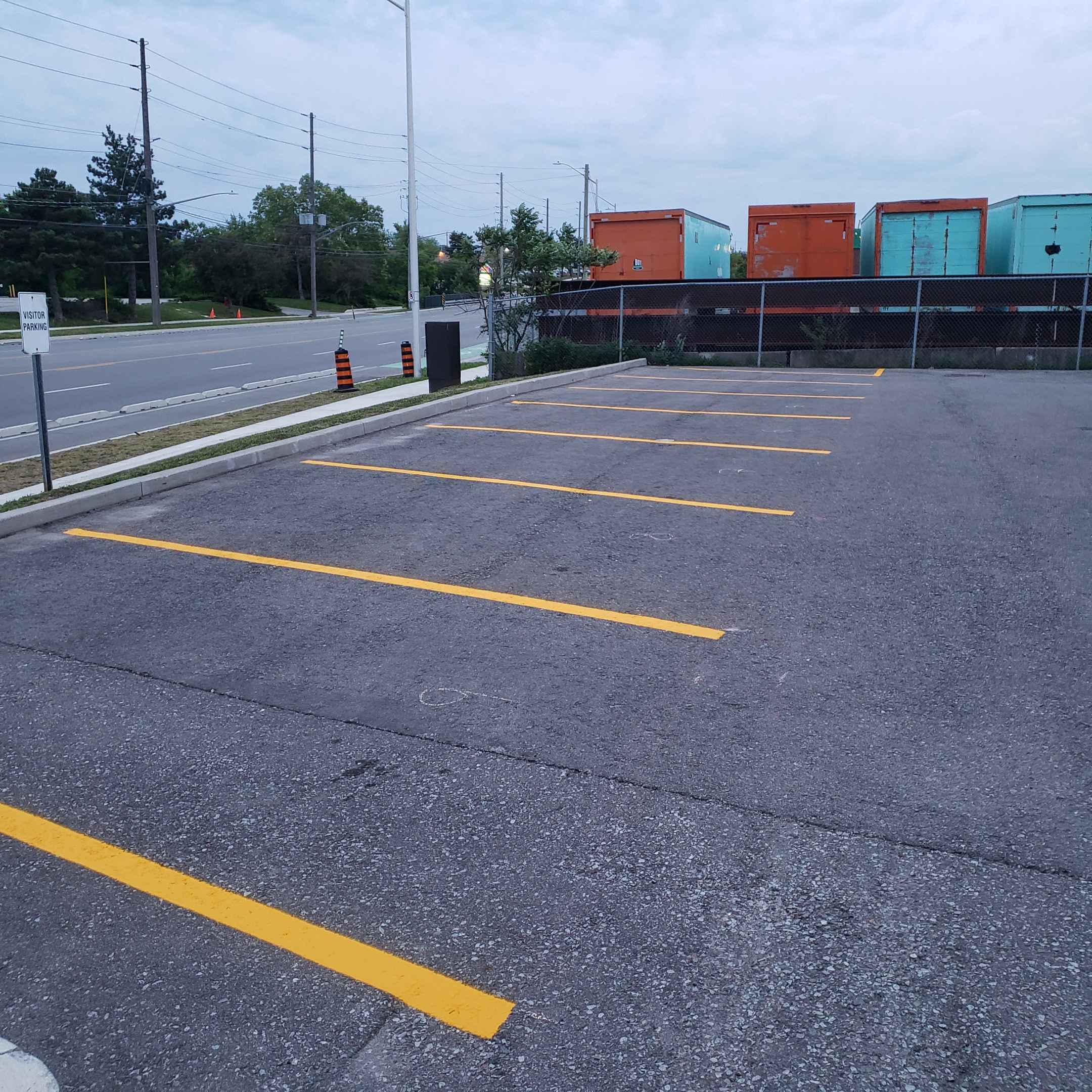
- Line Marking: Once the sealer has cured, applying fresh Line Marking to restore safety and organization.
By following this sequence, Capital Parking Lot Line Painting ensures that the aesthetic improvements, such as fresh Line Painting, are applied to a stable and protected surface.
Conclusion: Assess Before You Invest
In summary, sealcoating is a wonderful tool for maintaining mid-life asphalt, but it is not a restorative treatment for end-of-life pavement. If your surface is showing signs of structural fatigue, your priority should be repair and stabilization rather than just surface coating. Investing in the right type of maintenance at the right time will save you significant costs in the long run.