Best Practices for Painting Loading Zones and Fire Lanes
Maintaining clear access for emergency services and efficient logistics is critical for any commercial property owner.
In the world of commercial property management, visibility is everything. Whether you are managing a retail complex, an industrial warehouse, or a multi-unit residential building, the way you organize your asphalt can make or break your daily operations. Two of the most critical areas requiring precise attention are loading zones and fire lanes.
Improperly marked zones lead to more than just minor inconveniences; they can result in blocked emergency access, logistical bottlenecks, and significant liability issues. At Capital Parking Lot Line Painting, we understand that professional line marking is not just about aesthetics—it is about safety, compliance, and efficiency.
The Critical Importance of Fire Lanes
Fire lanes are non-negotiable. These zones are designated paths that must remain unobstructed at all times to allow fire trucks, ambulances, and other emergency vehicles to reach a building quickly. In a bustling city like Peterborough, where commercial density is increasing, ensuring these lanes are clearly defined is a legal and ethical necessity.
When performing line marking for fire lanes, the standard usually involves high-visibility colors—often red—and specific lettering. The goal is to eliminate any ambiguity. A driver should be able to glance at the pavement and immediately understand that the area is restricted.
Optimizing Loading Zones for Efficiency
Loading zones are the lifeblood of retail and industrial operations. If delivery trucks cannot find a designated spot, they often end up double-parking or blocking traffic flow, which creates a ripple effect of delays throughout the property. Effective line painting for loading zones involves:
- Clear Delineation: Using bold, contrasting colors to separate the loading area from standard parking stalls.
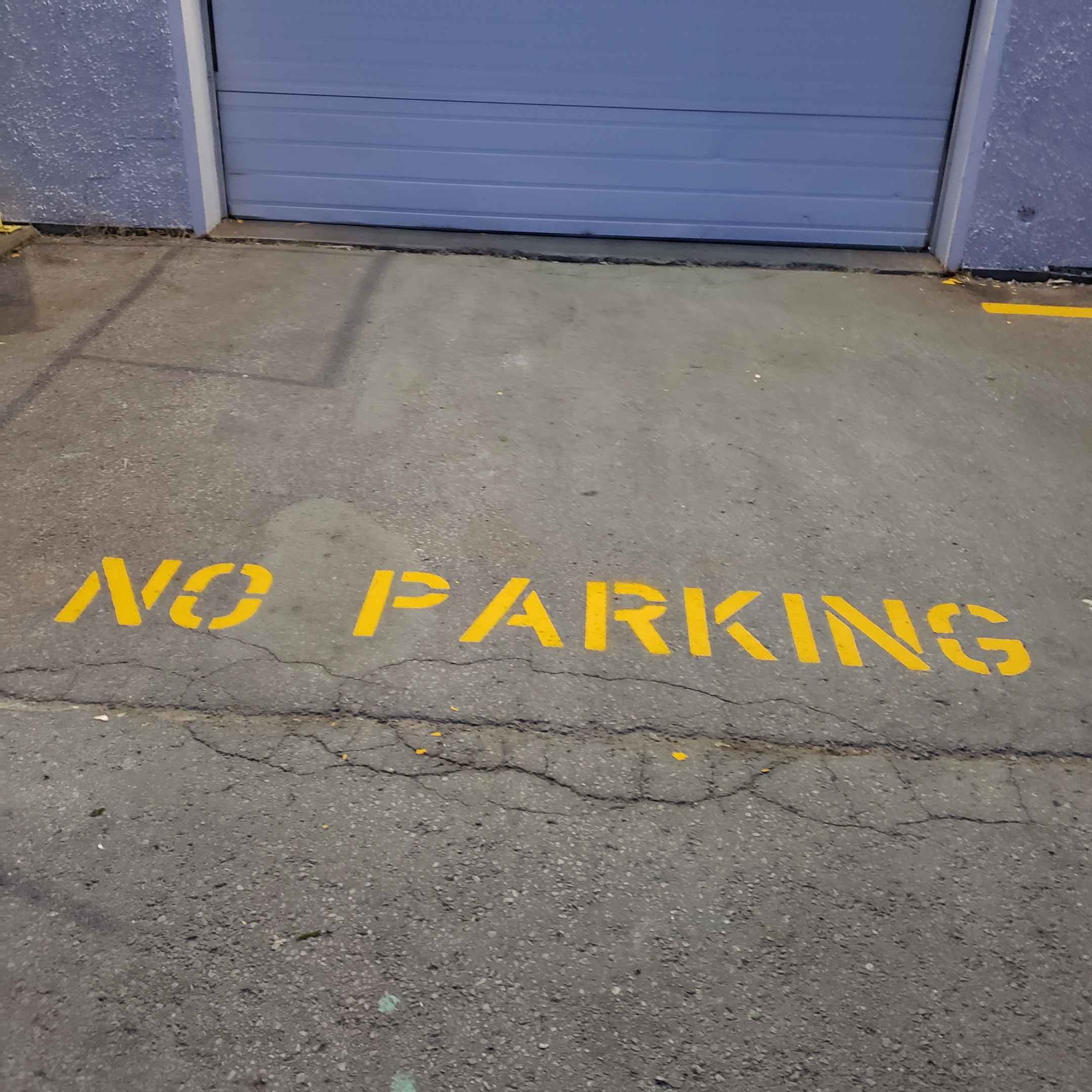
- Textual Cues: Incorporating words like "LOADING ZONE" or "NO PARKING" directly into the marking design.
- Strategic Sizing: Ensuring the marked area is large enough to accommodate the specific types of vehicles (e.g., semi-trucks vs. delivery vans) that frequent the site.
- Directional Arrows: Using line marking to guide vehicles into and out of the zone safely.
Professional Standards and Materials
Not all paint is created equal. When you hire a professional service like Capital Parking Lot Line Painting, you are investing in durability. Because loading zones and fire lanes endure heavy vehicle weight and constant friction, the materials used must be industrial-grade.
Color Selection and Visibility
Standardization is key. While white is common for general parking, fire lanes typically demand a vibrant red to signal danger and restriction. Loading zones might use yellow or a combination of colors to distinguish them from standard stalls. Using high-reflectivity additives can also ensure these markings are visible at night or during heavy rainfall.
Surface Preparation
The longevity of your line marking depends heavily on what happens before the paint hits the ground. Any oil spills, loose gravel, or dust must be thoroughly cleaned. If the surface isn't prepared, even the highest quality paint will peel prematurely, leading to frequent maintenance costs.
Common Mistakes to Avoid
Many property owners in Peterborough attempt to DIY their markings or hire uncertified contractors to save on costs, only to face issues later. Here are the most common pitfalls:
1. Faded or Thin Application
Using low-quality paint that lacks sufficient pigment makes the markings difficult to see, which can lead to compliance failures during fire inspections.
2. Inconsistent Widths
Lines that vary in thickness look unprofessional and can confuse drivers, especially in complex parking environments.
Expert Advice
Always consult local municipal codes before beginning a project. What is required for a commercial lot in one jurisdiction may differ slightly in another. Capital Parking Lot Line Painting recommends a regular inspection schedule to ensure your markings remain crisp and compliant year-round.
Quick Preview