Best Practices for Painting Loading Zones and Fire Lanes
Maintaining clear access for emergency services and efficient logistics is critical for any commercial property owner.
In high-traffic commercial areas, particularly in a growing hub like Waterloo, the organization of asphalt surfaces is more than just an aesthetic choice; it is a matter of safety, legal compliance, and operational flow. Whether you manage a retail complex, a warehouse, or a multi-unit residential building, the clarity of your markings dictates how vehicles interact with your space.
Two of the most critical areas requiring precision are loading zones and fire lanes. Improperly marked zones lead to blocked delivery routes, frustrated tenants, and, most dangerously, obstructed access for first responders. At Capital Parking Lot Line Painting, we understand that professional line marking is a vital component of property management.
The Critical Importance of Fire Lane Marking
Fire lanes are non-negotiable. These areas must remain unobstructed at all times to allow fire trucks, ambulances, and police vehicles to reach their destinations without delay. In a top 30 Ontario city like Waterloo, where urban density is increasing, the importance of these clear paths cannot be overstated.
Compliance and Visibility
Fire lanes are governed by strict municipal fire codes. To meet these standards, line marking must be highly visible and use specific color coding—typically red. The paint used must be durable enough to withstand heavy emergency vehicle weight without fading quickly. Capital Parking Lot Line Painting recommends using high-quality, reflective materials to ensure visibility during night-time emergencies or inclement weather.
Optimizing Logistics with Loading Zone Painting
Loading zones are the lifeblood of retail and industrial properties. When these zones are poorly defined, delivery drivers often park in unauthorized spots, causing traffic congestion and blocking customer access. Effective line marking creates a structured environment where logistics can thrive.
Best Practices for Loading Zones
- Clear Boundaries: Use bold, continuous lines to define the exact footprint of the zone.
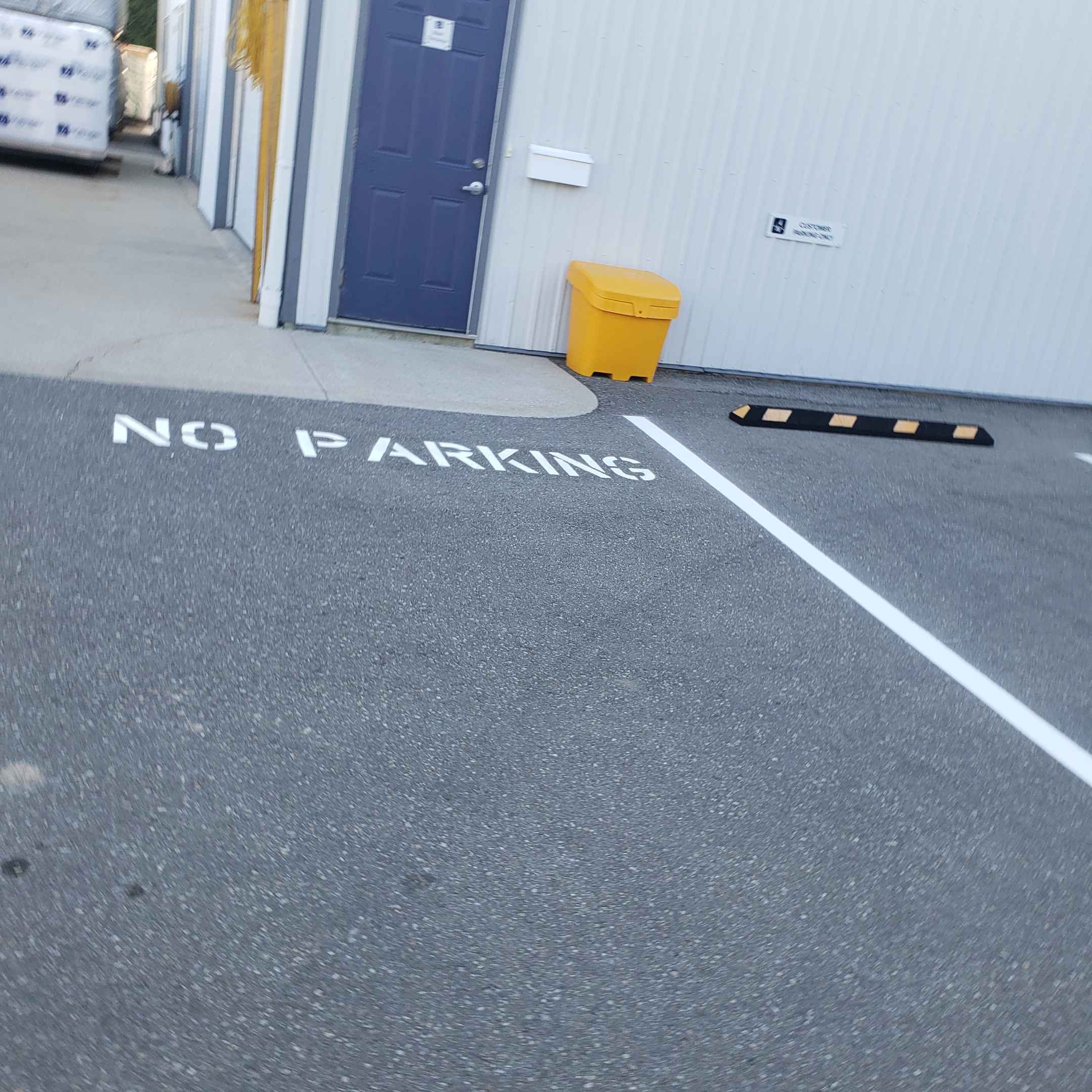
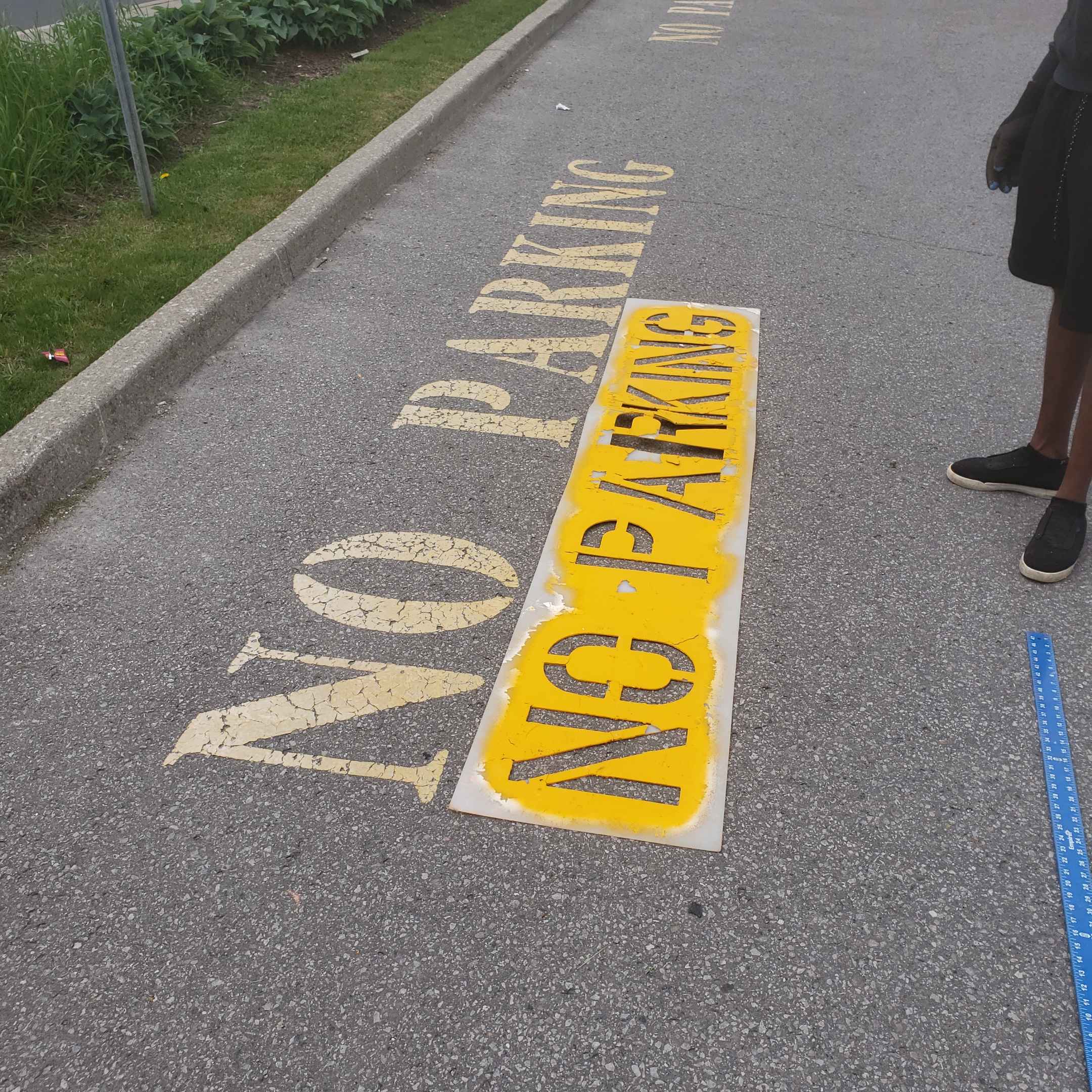
- Textual Clarity: Incorporating words like "LOADING ZONE" directly into the line painting helps prevent confusion.
- Strategic Placement: Ensure zones are located near service entrances but do not impede the flow of general traffic.
- Contrast: Use high-contrast colors (such as yellow or white) against the dark asphalt to ensure drivers see the markings from a distance.
Common Mistakes to Avoid
When property managers attempt to handle line marking in-house or hire inexperienced contractors, several common errors occur. Avoiding these pitfalls will save you from the need for frequent re-application.
1. Using Low-Quality Paint
Standard hardware store paint is often not designed for the high-friction environment of a parking lot. It will peel and crack within months.
2. Poor Surface Preparation
Applying new paint over dirt, oil, or loose gravel is a recipe for failure. The surface must be cleaned and dried thoroughly.
3. Inaccurate Measurements
Crooked lines or uneven widths can make a professional lot look amateurish and can lead to confusion in tight maneuvering areas.
4. Ignoring Weather Conditions
Painting in high humidity or near rain can prevent the coating from curing correctly, leading to premature degradation.
Professional Results with Capital Parking Lot Line Painting
For property owners who require precision, durability, and compliance, professional line marking is the only way to go. Our team specializes in high-traffic environments, ensuring your loading zones and fire lanes are marked to the highest industry standards.
Thumbnail Summary
Properly maintained markings protect your liability, ensure emergency access, and streamline your daily operations. Don't wait for a violation or an accident to occur before updating your lot.