Top Mistakes Facility Managers Make When Overlooking Cracks
Small fissures today can lead to massive structural failures tomorrow. Is your maintenance strategy reactive or proactive?
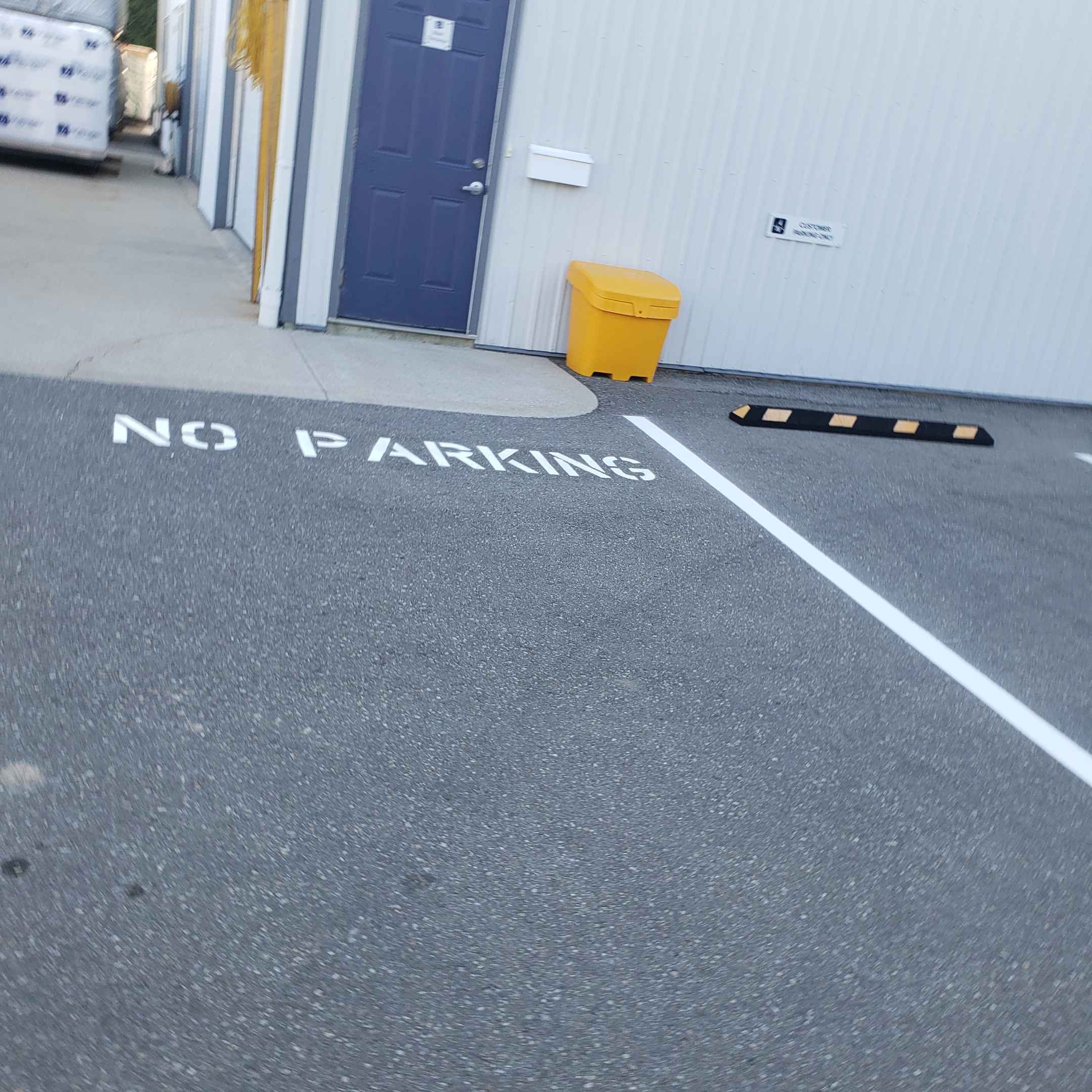
For facility managers overseeing large commercial properties, the sheer scale of a parking lot can make detailed inspections feel overwhelming. It is easy to walk past a hairline fracture or a small spiderweb crack, assuming it is merely a cosmetic issue. However, in the demanding climate of Ontario, these small imperfections are often the harbingers of significant structural decay. Whether you are managing a retail complex in Cambridge or an industrial site, ignoring the integrity of your asphalt is a gamble that rarely pays off.
At Capital Parking Lot Line Painting, we see firsthand how neglected cracks evolve into potholes that damage vehicles and create significant liability risks. Understanding the nuances of pavement distress is the first step toward effective asset management.
1. Mistaking Cosmetic Issues for Structural Warnings
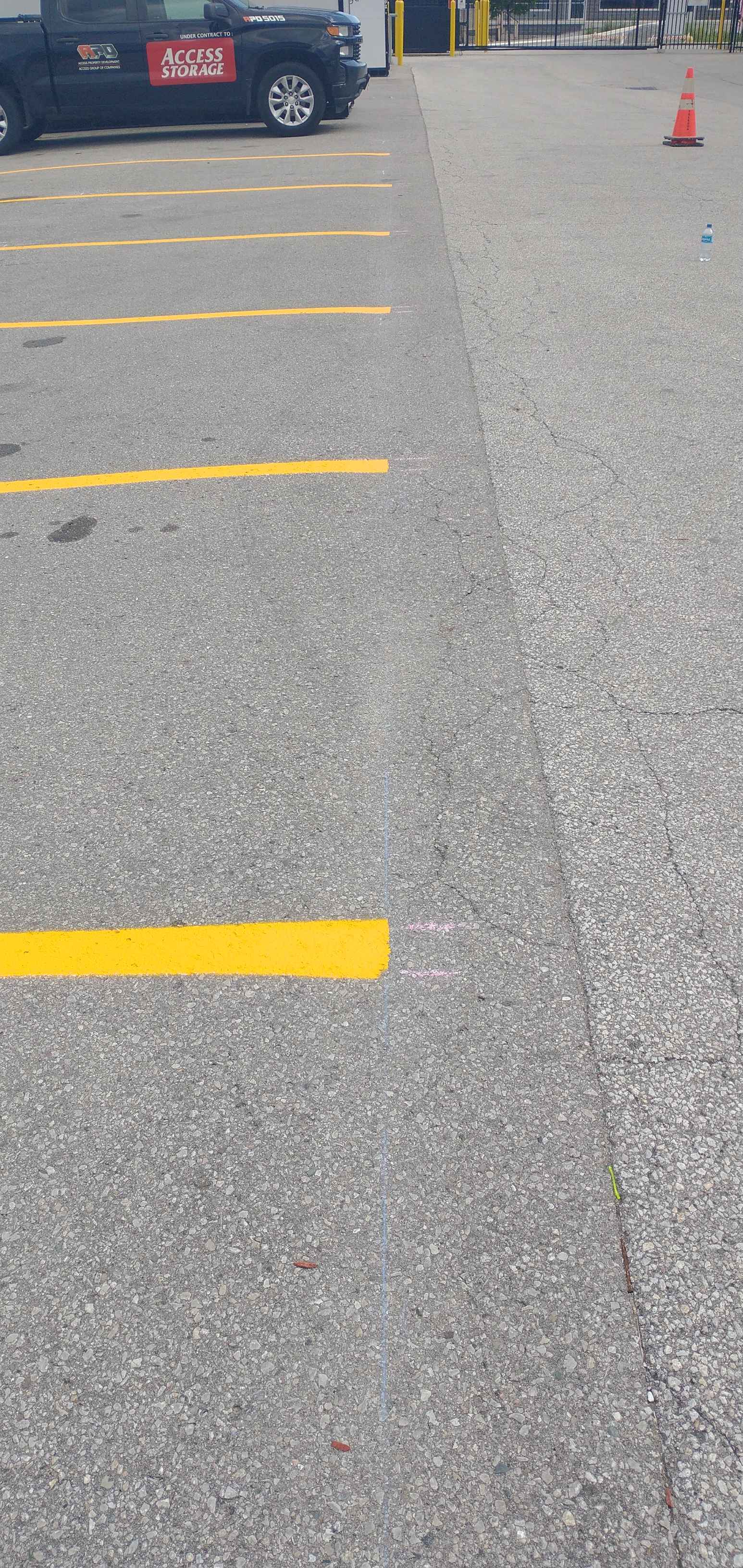
The most common mistake is the assumption that if a crack doesn't trip someone, it doesn't need attention. In reality, cracks serve as entry points for water. In a top 30 city like Cambridge, where seasonal temperature swings are extreme, water enters these cracks, freezes, and expands. This process, known as the freeze-thaw cycle, aggressively pushes the asphalt apart, turning a minor crack into a major crater within a single season.
When you overlook these early signs, you aren't just ignoring a crack; you are inviting water to undermine your entire sub-base. Once the foundation is compromised, simple crack sealing is no longer an option, and you may be looking at a full resurfacing project.
2. The "Patchwork" Trap: Using Improper Materials
When facility managers do decide to act, they often fall into the trap of using temporary, DIY-style patches. Using low-grade fillers or cold-patch materials that aren't designed for your specific climate is a recipe for failure. These patches often fail to bond with the existing asphalt, creating uneven surfaces that actually trap more water.
Professional intervention from Capital Parking Lot Line Painting ensures that the correct sealants and temperatures are used to create a permanent bond. A professional approach involves cleaning the crack thoroughly before application, ensuring the filler penetrates deep into the fissure rather than just sitting on the surface.
Common Mistakes in Pavement Maintenance
To help you audit your current maintenance plan, we have compiled a list of the most frequent errors we see in the field:
- Delayed Response: Waiting for a pothole to form before addressing a crack.
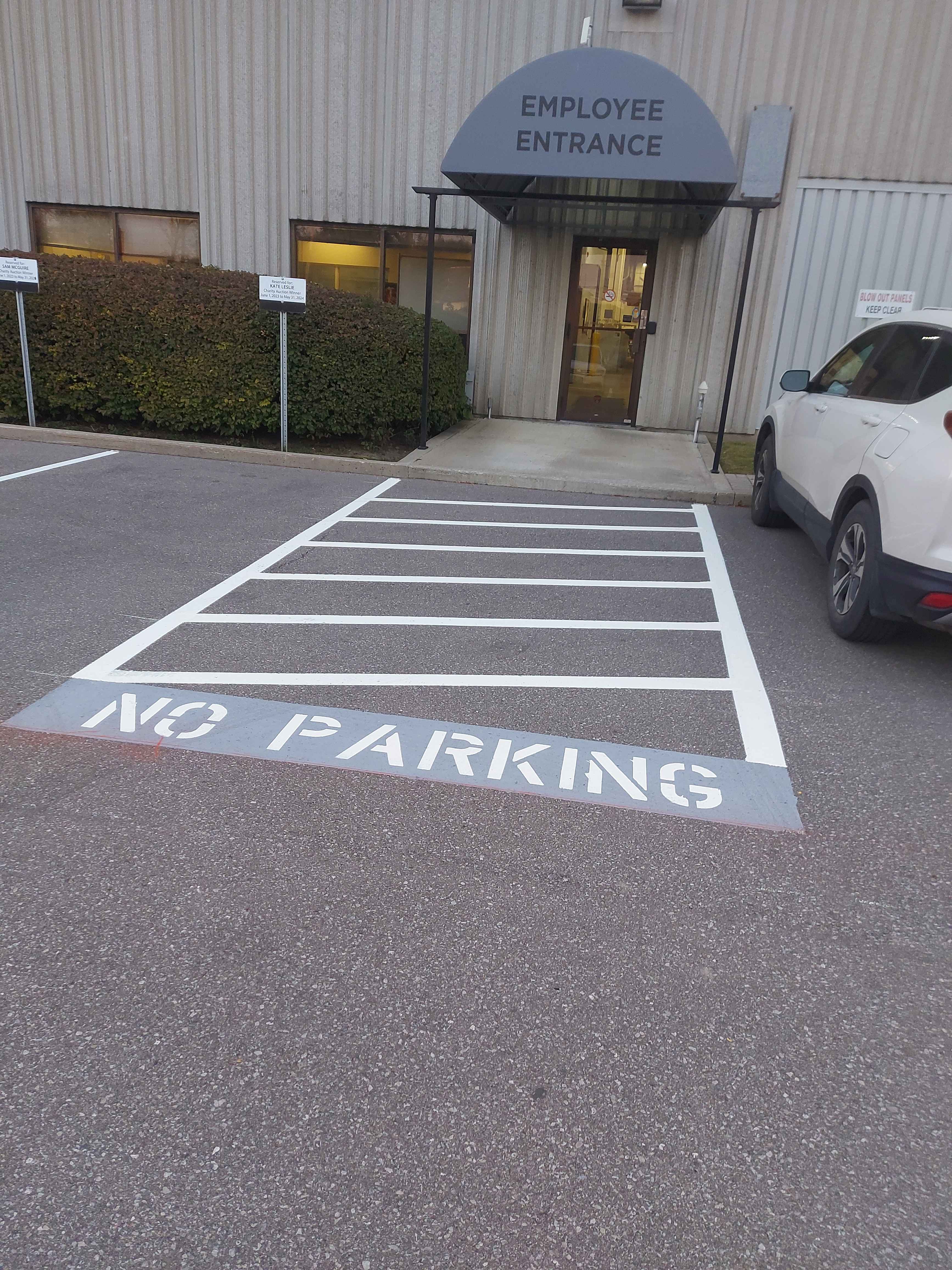
- Neglecting Line Marking: Allowing faded line marking to coincide with cracked pavement, which reduces visibility and safety.
- Inadequate Cleaning: Applying sealants over dirt, oil, or debris, which prevents proper adhesion.
- Ignoring Drainage: Failing to realize that cracks are often caused by poor water runoff patterns.
- Lack of Documentation: Not keeping a log of annual inspections to track the progression of cracks.
3. Forgetting the Synergy Between Cracks and Visibility
A parking lot is more than just a slab of asphalt; it is a complex traffic management system. Many managers focus solely on the surface texture and forget that pavement health and line painting go hand-in-hand. When cracks are left unaddressed, they can cause the surface to heave or shift, which in turn distorts your line marking.
If your lines are wavy or broken due to shifting pavement, you are increasing the risk of low-speed collisions and pedestrian accidents. Maintaining a cohesive appearance—where the cracks are sealed and the line painting is crisp and bright—is essential for professional property presentation.
Proactive Maintenance is Key
Don't wait for the damage to become visible to the naked eye. Regular inspections and professional sealing can extend the life of your asphalt by years.
The Path to Longevity
Preventative maintenance is significantly more effective than reactive repair. By scheduling regular assessments, you can catch the small issues before they become liabilities. Capital Parking Lot Line Painting specializes in helping facility managers implement these long-term strategies, ensuring that your pavement remains smooth, your line marking remains visible, and your property remains safe for all users.
In conclusion, stop viewing cracks as minor inconveniences. View them as critical data points in the lifecycle of your facility. Addressing them early with the right expertise is the smartest financial and operational decision a facility manager can make.