When Is the Right Time of Year to Fill Cracks in Asphalt?
Understanding the seasonal nuances of pavement maintenance is the key to long-term durability and preventing expensive structural failures.
If you own a commercial property or manage a large residential complex, you know that asphalt is a living, breathing surface. It expands and contracts with the temperature, reacts to moisture, and bears the weight of constant traffic. One of the most critical aspects of maintaining this surface is crack filling. However, many property managers ask the same question: "When is the best time to do this?"
In a climate like ours, where seasons shift dramatically, timing isn't just a matter of convenience—it is a matter of structural integrity. At Capital Parking Lot Line Painting, we have seen firsthand how improper timing can lead to premature pavement failure.
The Science of Seasonal Asphalt Maintenance
To understand the timing, you first have to understand why cracks form. Most cracks are caused by the freeze-thaw cycle. When water enters a small fissure and freezes, it expands, widening the crack. When it thaws, it leaves a larger void for more water to enter. This cycle repeats until the foundation of your asphalt is compromised.
The Spring Window: Assessment and Cleanup
As the snow melts in Hamilton, the first thing you will notice is the damage caused by the winter frost. Spring is an excellent time for an initial assessment. While you might not want to perform heavy sealing immediately if the ground is still saturated with moisture, spring is the perfect time to identify which cracks need immediate attention before the summer heat sets in.
The Summer Sweet Spot: The Ideal Window
For most professionals, late spring through late summer is the gold standard for crack filling. During this period, the ambient temperature is consistently high, and the asphalt surface is dry. This is crucial because the crack filler (often a hot-poured rubberized material) needs to bond effectively with the edges of the existing asphalt. If the surface is too cold or damp, the filler won't adhere, leaving you with a temporary fix that will fail by the next frost.
Why Timing Matters for Your Bottom Line
Waiting too long can turn a simple maintenance task into a full-scale reconstruction project. By scheduling your maintenance during the optimal summer months, you ensure that Capital Parking Lot Line Painting can provide a seal that actually lasts.
Benefits of Proactive Crack Filling
Many property owners view crack filling as an optional expense, but it is actually one of the most cost-effective ways to protect your investment. When you maintain your lot during the right season, you reap several benefits:
- Waterproofing: Prevents water from reaching the sub-base, which is the primary cause of potholes.
- Structural Integrity: Maintains the flexibility of the asphalt mat.
- Aesthetic Appeal: A well-maintained lot looks professional and increases curb appeal.
- Cost Savings: Prevents the need for expensive full-depth repairs or complete repaving.
- Safety: Reduces the risk of trip hazards and vehicle damage caused by uneven surfaces.
Common Mistakes to Avoid
Even if you decide to act, doing it incorrectly can be just as bad as doing nothing at all. Here are a few pitfalls to watch out for:
1. Filling in Wet Weather
Never attempt to fill cracks if rain is in the forecast. Moisture trapped under the sealant will cause it to bubble and peel almost immediately.
2. Neglecting Line Marking
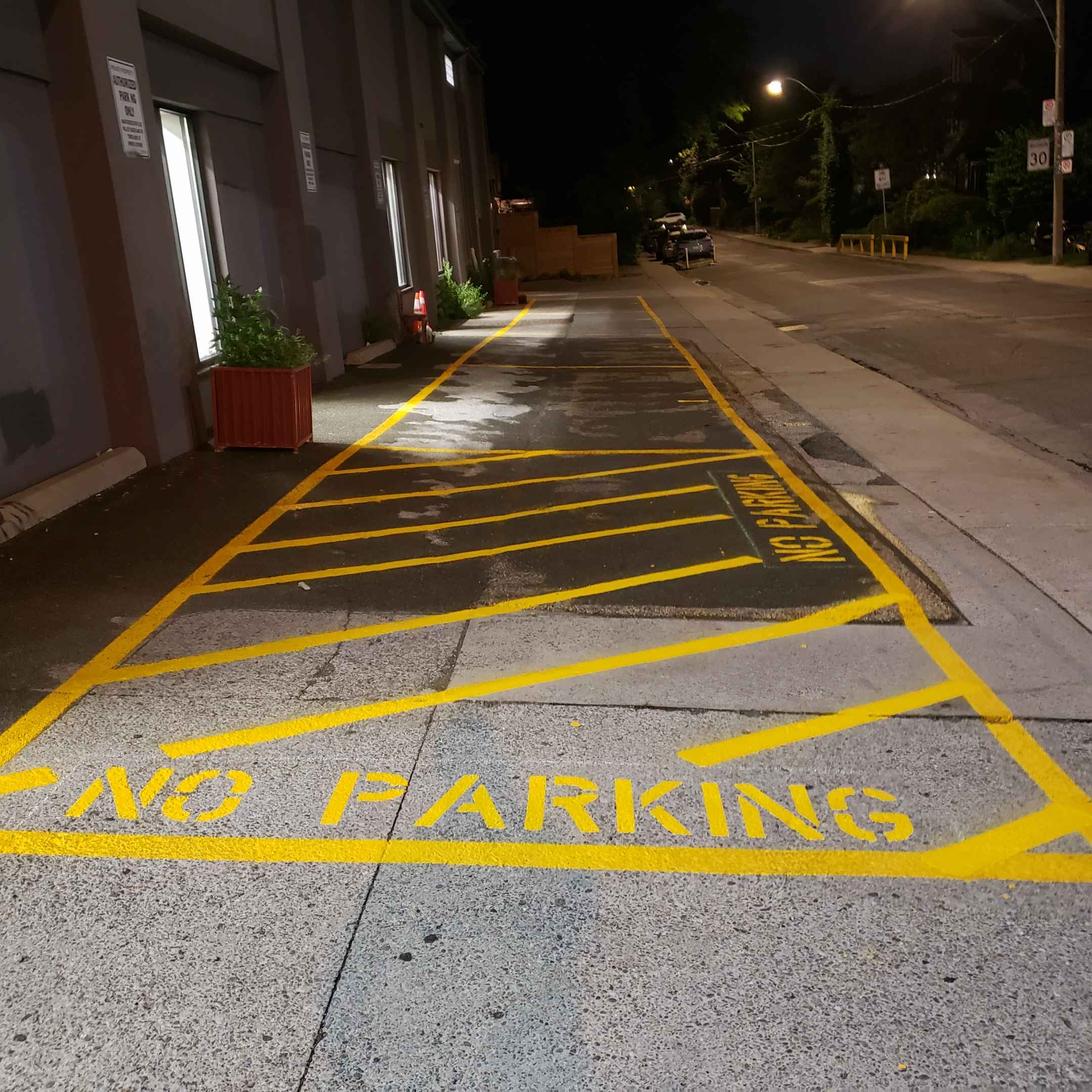
While you are addressing the surface, don't forget the visibility of your lot. Once the cracks are sealed, it is the perfect time to refresh your Line Marking to ensure parking stalls and fire lanes are clearly defined.
3. Ignoring Small Cracks
A hairline crack today is a pothole tomorrow. Small cracks are much easier and cheaper to fill than large fissures.
For residents in Hamilton and the surrounding GTA, staying ahead of the weather is the only way to manage asphalt effectively. Capital Parking Lot Line Painting recommends a proactive approach rather than a reactive one.
Conclusion
In summary, the best time to fill cracks in your asphalt is during the warm, dry months of late spring, summer, and early autumn. This ensures the material bonds correctly and provides a durable barrier against the upcoming winter. By working with experts like Capital Parking Lot Line Painting, you can ensure that your maintenance is performed at the right time, with the right materials, to provide the longest possible life for your pavement.