Can You Sealcoat in Early Spring? Pros and Cons
As the snow melts and the ground begins to thaw, property owners in Kingston often find themselves looking at their asphalt surfaces, wondering if it is time to invest in maintenance. One of the most common questions we receive at Capital Parking Lot Line Painting is: "Can I sealcoat my parking lot in early spring?"
The Dilemma of Early Spring Maintenance
Spring is a transitional season, and for asphalt maintenance, transitions can be tricky. While the urge to repair winter damage immediately is understandable, sealcoating is a chemical process that relies heavily on specific environmental conditions. If you rush the process too early, you might end up wasting resources or, worse, damaging the very surface you are trying to protect.
In a top 30 Ontario city like Kingston, our weather patterns can be unpredictable. We might have a beautiful sunny week followed by a sudden frost or a heavy rainstorm. Understanding these nuances is key to a successful application.
The Pros of Spring Sealcoating
There are several advantages to getting a head start on your maintenance schedule before the heat of summer hits.
- Preventing Summer Heat Damage: Applying a sealant early helps protect the asphalt from the intense UV rays and high temperatures that arrive in mid-summer.
- Addressing Winter Cracks: Early spring is the ideal time to identify cracks caused by the freeze-thaw cycle and address them before they expand.
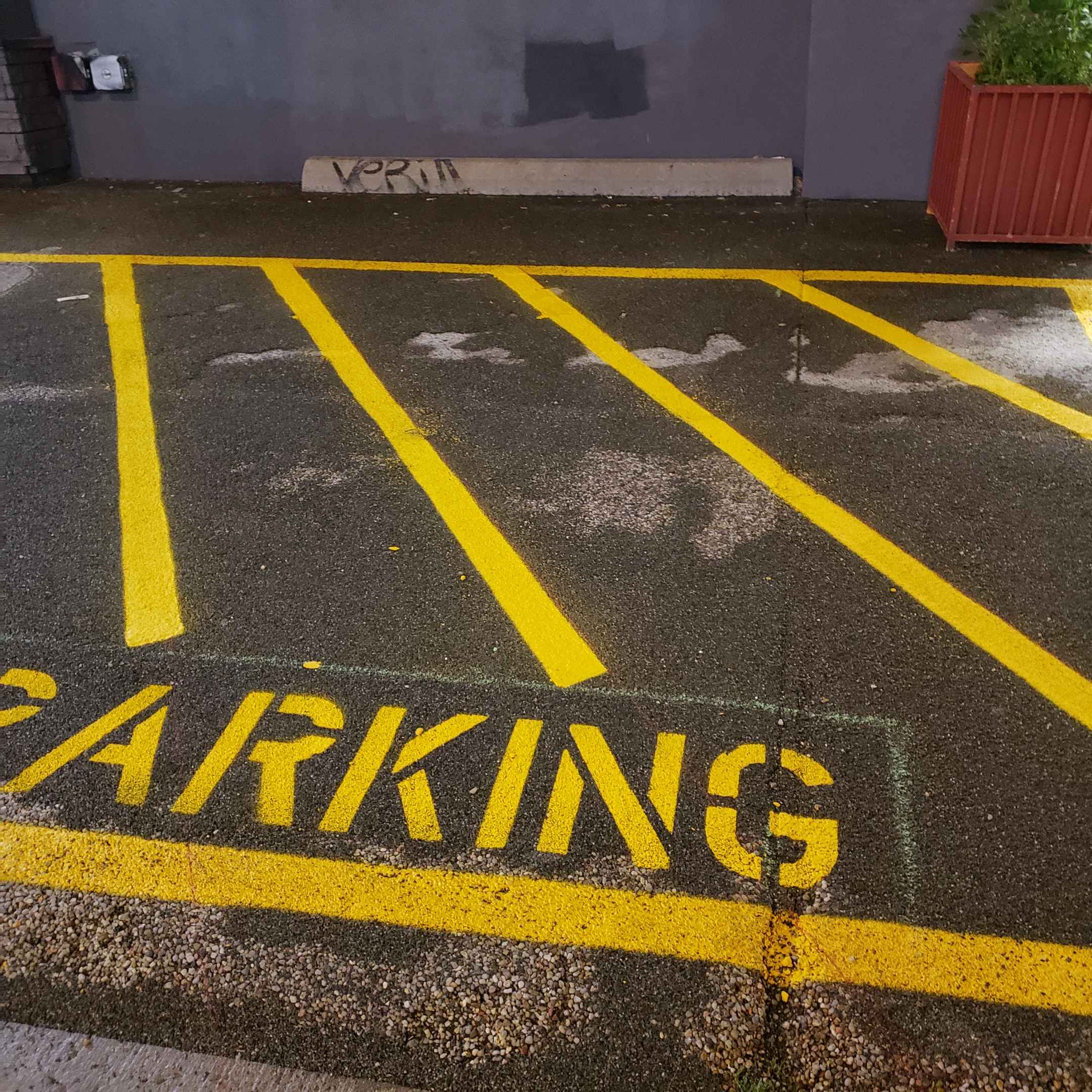
- Increased Visibility: Fresh sealcoating provides a dark, clean backdrop that makes your recent Line Painting much more visible and professional.
- Scheduling Availability: By booking early, you avoid the mid-summer rush when demand for services is at its peak.
The Cons and Risks of Rushing the Season
Despite the benefits, there are significant technical risks associated with sealcoating too early in the year. At Capital Parking Lot Line Painting, we prioritize the longevity of your surface over a quick fix.
1. Moisture and Humidity Issues
Sealant requires a dry substrate to bond correctly. In early spring, the ground often retains moisture from melting snow and spring rains. If you apply sealant over damp asphalt, the moisture can become trapped, leading to bubbling, peeling, or a failure of the sealant to adhere to the surface entirely.
2. Temperature Requirements
Most professional-grade sealants require the ambient temperature to remain above a certain threshold (usually above 10°C/50°F) for several consecutive days. If a sudden cold snap occurs, the sealant may not cure properly, leaving it soft and susceptible to being damaged by vehicle traffic.
3. Sub-Surface Instability
In Kingston, the ground can remain soft long after the snow has disappeared. If the sub-base is still saturated with water, the asphalt may shift under heavy loads, causing your brand-new sealcoat to crack almost immediately.
Professional Advice for Property Managers
Don't guess when it comes to your pavement. A professional assessment can determine if your asphalt is ready for a fresh coat. We recommend waiting until the ground is consistently dry and temperatures are stable. This ensures that your investment lasts for years rather than months.
Preparation Checklist for a Successful Application
When the weather finally permits, ensure you follow these steps for the best results:
- Deep cleaning of the surface to remove sand, salt, and debris.
- Comprehensive crack filling to prevent water penetration.
- Ensuring the surface is completely dry and free of oil spots.
- Coordinating with Line Marking services to ensure your markings are refreshed after the sealant cures.
At Capital Parking Lot Line Painting, we specialize in helping property owners navigate these seasonal challenges. Whether you need a complete refresh or simple Line Painting to improve safety and aesthetics, we are here to help your Kingston property look its best.