How to Use Color Coding in Line Marking for Better Organization
Unlock the power of visual communication through strategic color application in your facility or parking area.
When managing a high-traffic commercial property or an expansive industrial warehouse, organization is not just a luxury—it is a necessity for safety and efficiency. One of the most effective, yet often overlooked, tools for achieving this is color coding through professional line marking. While standard white or yellow lines serve the primary purpose of defining boundaries, the strategic use of diverse colors can act as a silent language, guiding drivers, pedestrians, and employees without the need for excessive signage.
At Capital Parking Lot Line Painting, we have seen firsthand how a well-planned color scheme can reduce accidents and streamline the movement of vehicles and people. Whether you are managing a retail center in Niagara Falls or a massive logistics hub, understanding the psychology and utility of color in line marking can significantly upgrade your property management strategy.
The Psychology of Color in Line Marking
Colors trigger immediate psychological responses. In the context of line marking, these responses can be leveraged to dictate behavior. For instance, while yellow is universally recognized as a warning or a boundary, other colors can be used to denote specific zones or permissions.
Commonly Used Colors and Their Meanings
- White: Typically used for standard parking stalls, directional arrows, and general lane markings.
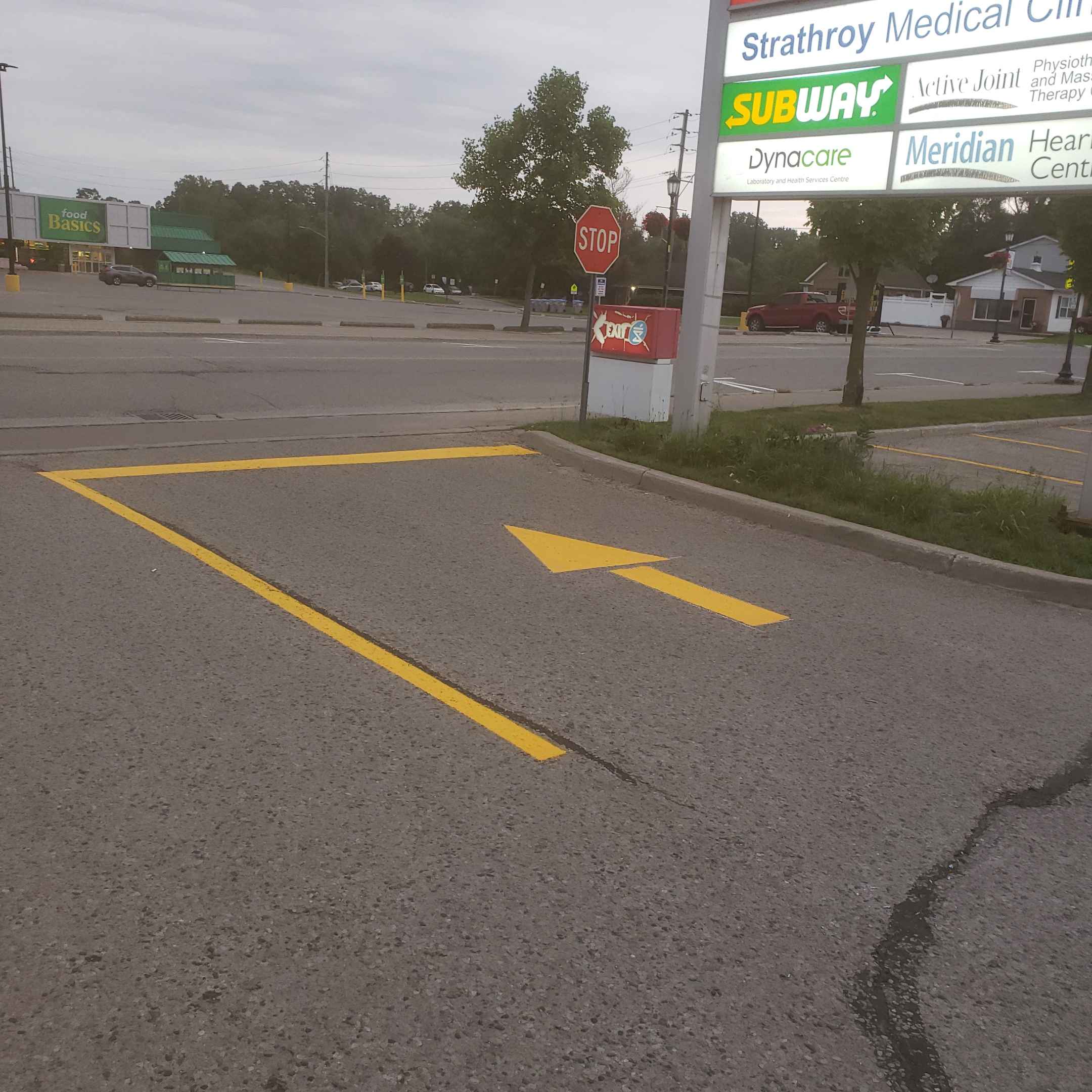
- Yellow: The industry standard for caution, warning boundaries, or dividing opposing traffic lanes.
- Blue: Almost exclusively reserved for accessibility (handicap) parking and designated loading zones for people with disabilities.
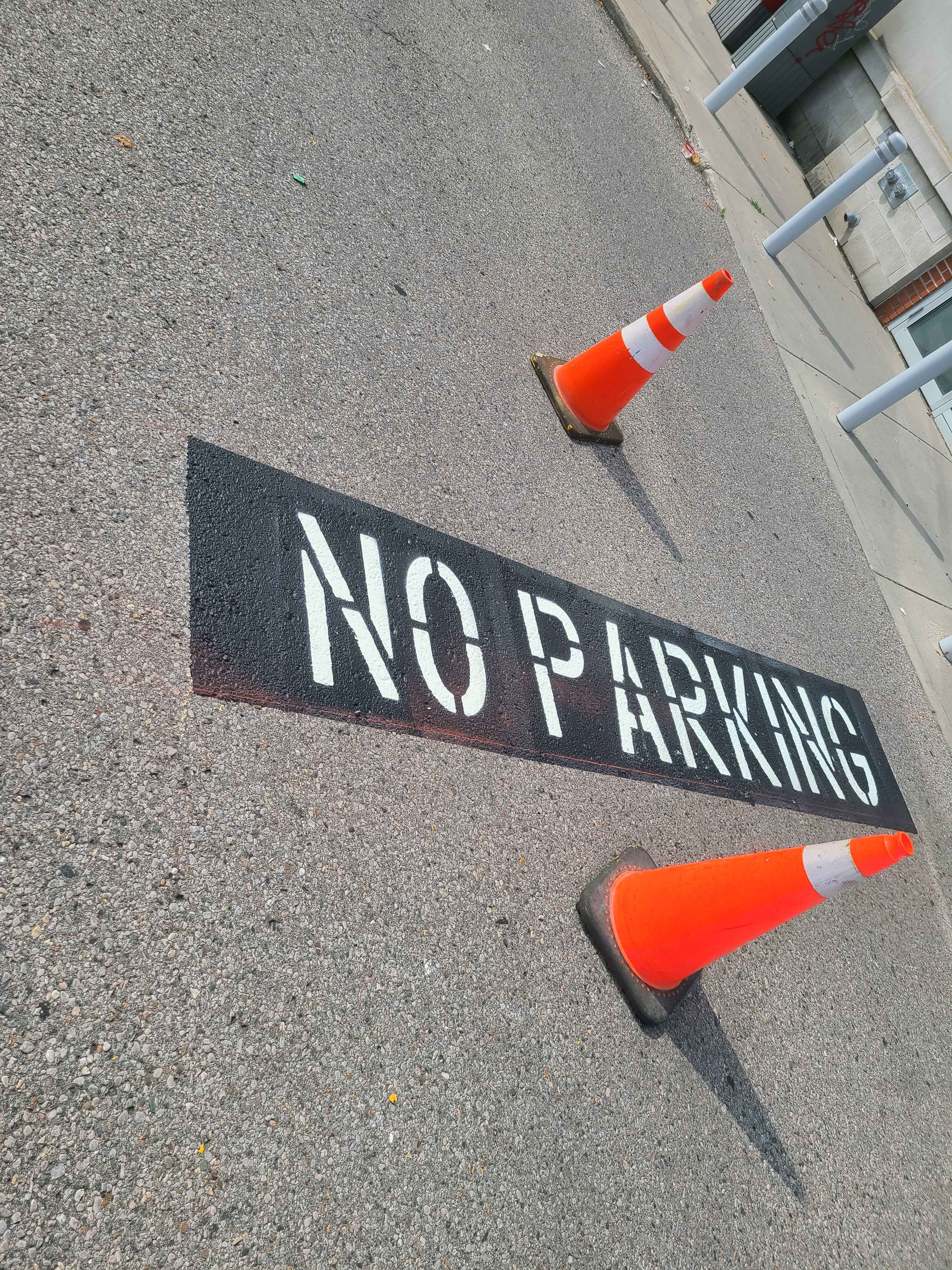
- Red: Used to indicate "No Parking" zones, fire lanes, or high-danger areas where immediate clearance is required.
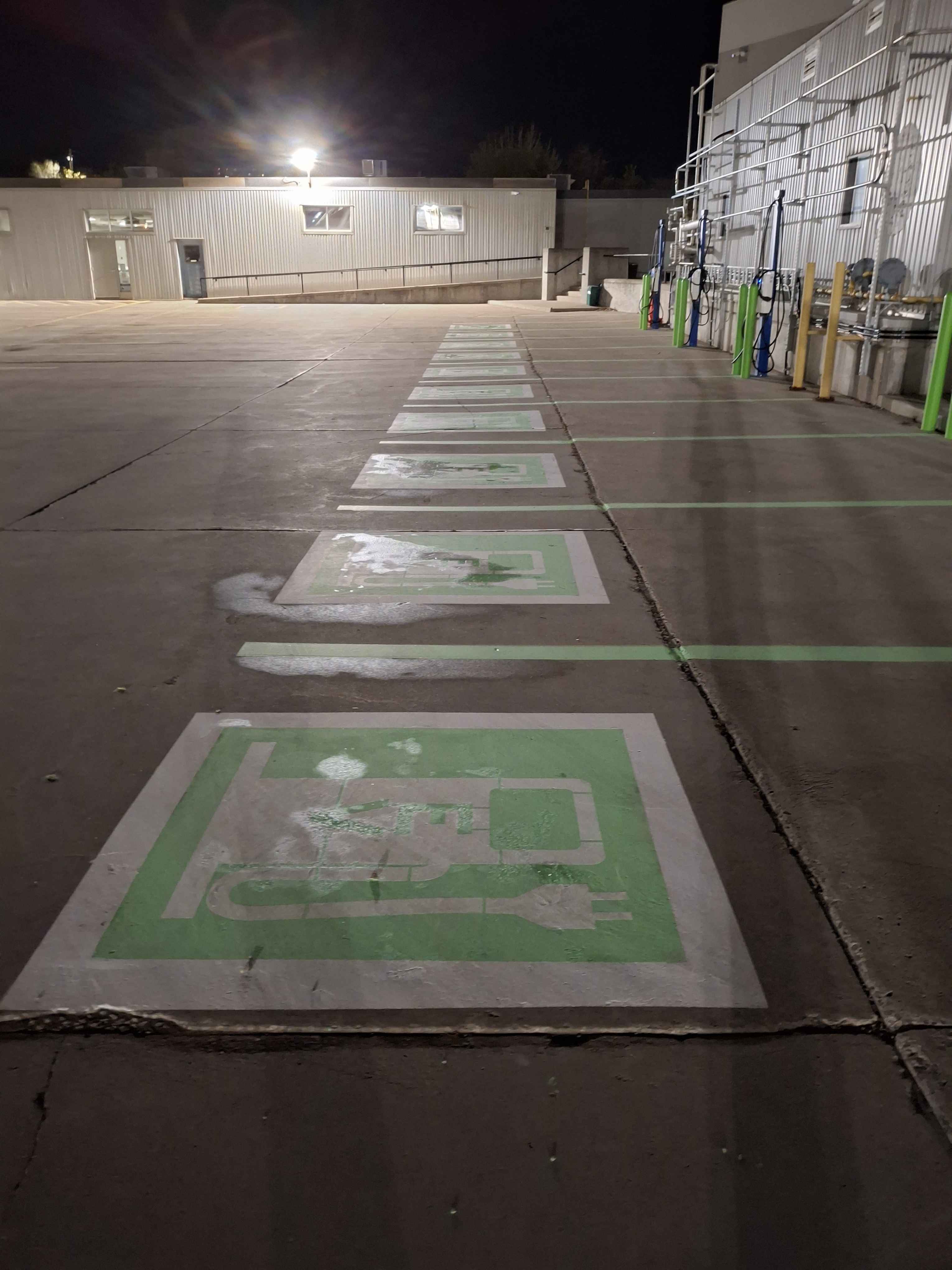
- Green: Often used for designated pedestrian walkways, eco-friendly zones, or specific VIP/Customer-only parking areas.
Benefits of Implementing Color-Coded Systems
Implementing a color-coded system via professional line marking offers more than just aesthetic appeal. It provides functional advantages that impact the bottom line of your business operations.
1. Enhanced Safety and Accident Prevention
In busy areas like Niagara Falls, where tourist traffic and local commerce intersect, clear visual cues are vital. Color coding helps separate pedestrian paths from vehicle lanes, significantly reducing the risk of collisions. When a person sees a green path, they instinctively know it is a safe zone for walking.
2. Improved Traffic Flow
Confusion is the enemy of efficiency. By using different colored lines to indicate one-way streets, turn lanes, or exit paths, you reduce the hesitation and erratic driving often seen in poorly marked lots. Capital Parking Lot Line Painting specializes in designing layouts that minimize congestion through these visual cues.
3. Optimized Space Utilization
Color coding allows you to designate specific zones—such as employee parking, short-term visitor spots, or loading docks—without needing heavy physical barriers. This keeps your lot organized and ensures that the right people are parking in the right places.
Common Mistakes to Avoid in Line Marking
Even with the best intentions, poor execution can lead to confusion rather than clarity. Avoid these common pitfalls:
- Overcomplicating the Palette: Using too many colors can lead to "visual noise," where the driver no longer knows which color takes precedence. Stick to a functional palette.
- Ignoring Contrast: A color that looks great on a swatch may disappear on dark asphalt. Always ensure high contrast between the line color and the surface.
- Lack of Consistency: If you use blue for accessibility in one section, don't use it for something else in another. Consistency is key to intuitive navigation.
- Poor Maintenance: Faded or chipped lines lose their communicative power. Regular upkeep is essential for safety.
Professional Implementation
Achieving a professional, long-lasting result requires more than just a bucket of paint. It requires precision, high-quality materials, and an understanding of local traffic standards. This is where Capital Parking Lot Line Painting excels. We don't just apply paint; we design systems that work for your specific environment.
Whether you are looking to refresh an existing lot or design a new layout from scratch, professional line marking ensures that your colors remain vibrant and your lines remain straight, even under heavy vehicular wear and tear.
Ready to Organize Your Property?
Don't leave your property's organization to chance. Use the power of color to guide your customers and protect your staff. Contact the experts today to discuss your line marking needs.