How to Use Color Coding in Line Marking for Better Organization
Transform your asphalt and concrete surfaces into intuitive navigation systems using the power of color.
When we think about parking lots or industrial warehouses, we often think of them as simple expanses of gray pavement or concrete. However, for a business owner or facility manager, these spaces are complex ecosystems of movement, safety, and logistics. One of the most effective, yet often overlooked, tools for managing these environments is the strategic use of color in line marking.
At Capital Parking Lot Line Painting, we have seen firsthand how a well-executed color-coded system can reduce accidents, decrease confusion, and significantly improve the flow of both vehicles and pedestrians. Whether you are managing a high-traffic commercial lot in Sarnia or a massive industrial complex, color coding provides a silent language that everyone understands instantly.
The Psychology of Color in Line Marking
Color is not just an aesthetic choice; it is a psychological tool. In the context of line marking, colors trigger immediate subconscious responses. This is vital for safety and efficiency. When a driver or worker sees a specific color, their brain processes the instruction before they even consciously read a sign.
Standard Color Interpretations
While specific local regulations may vary, there are universal standards that help maintain order in commercial spaces:
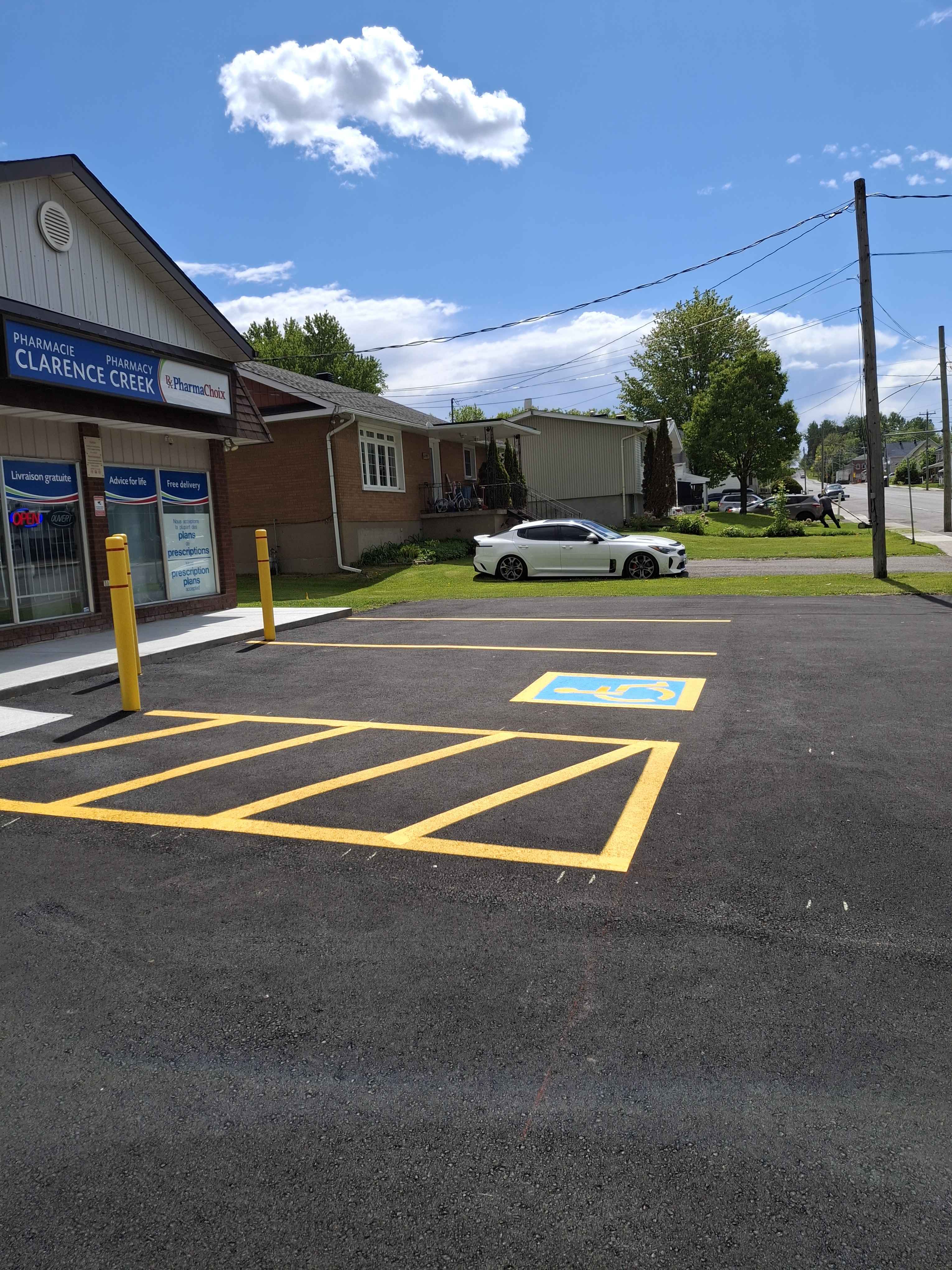
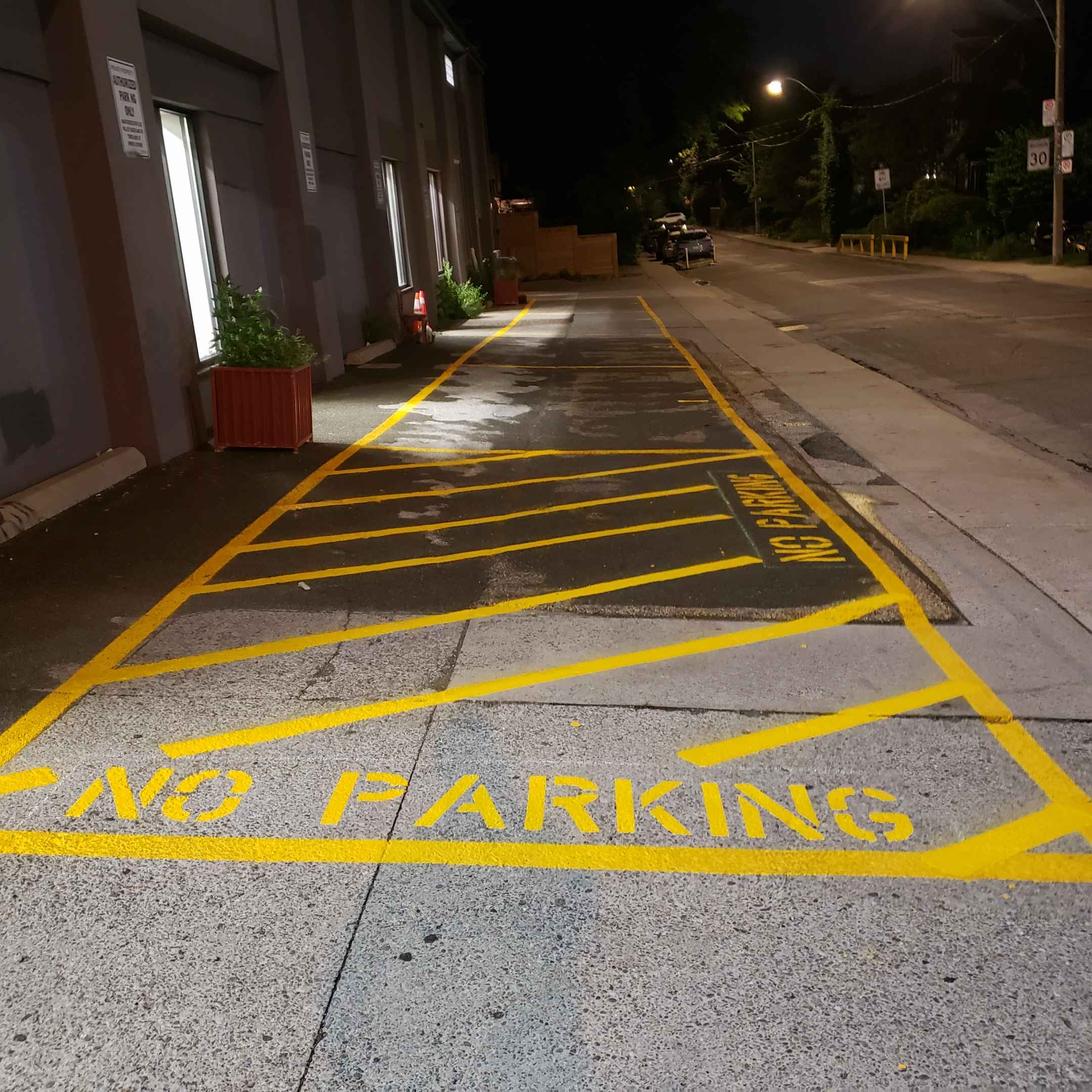
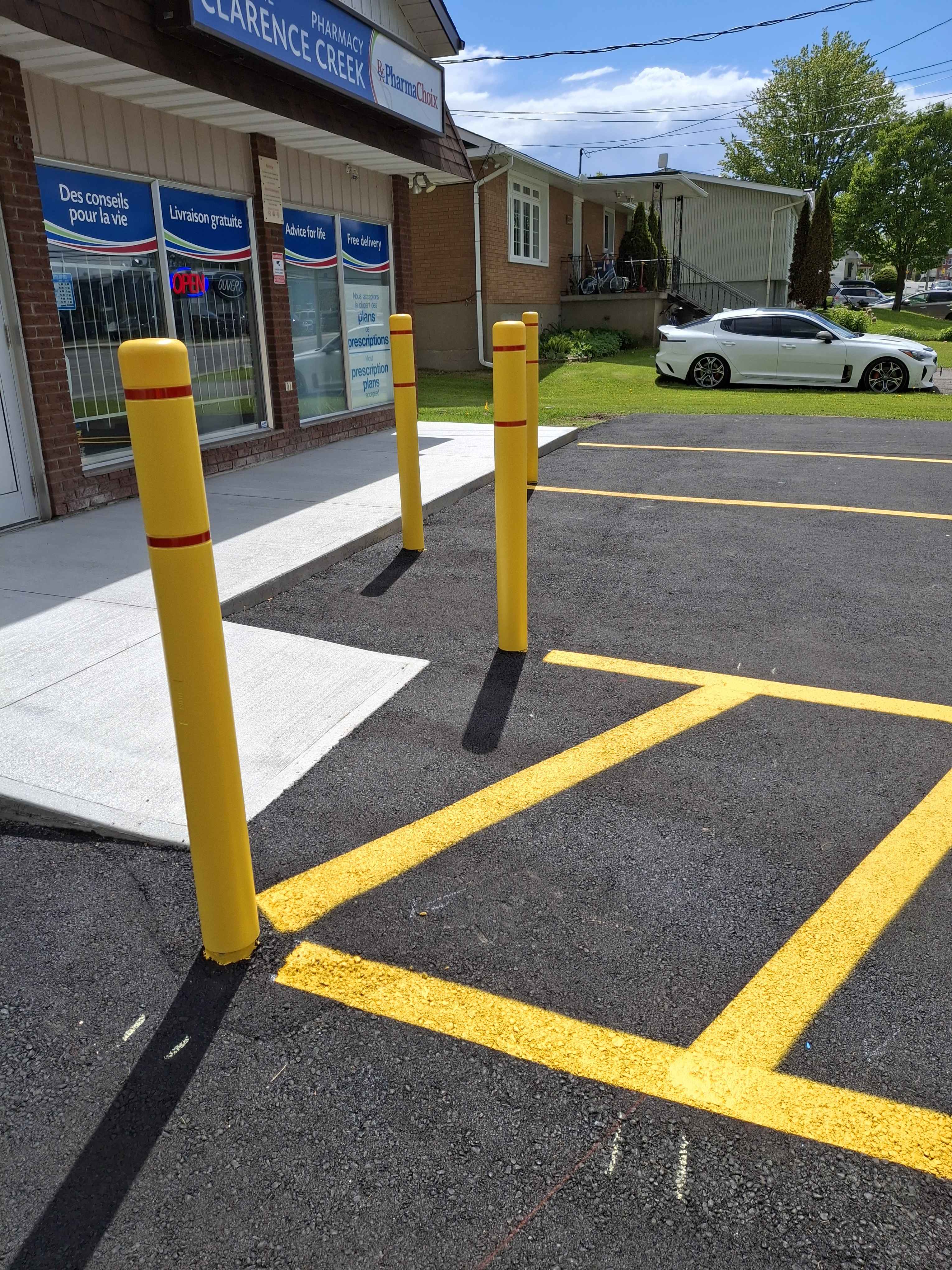
- Yellow: The universal color for caution. Used for warning lines, hazard zones, and guiding traffic flow.
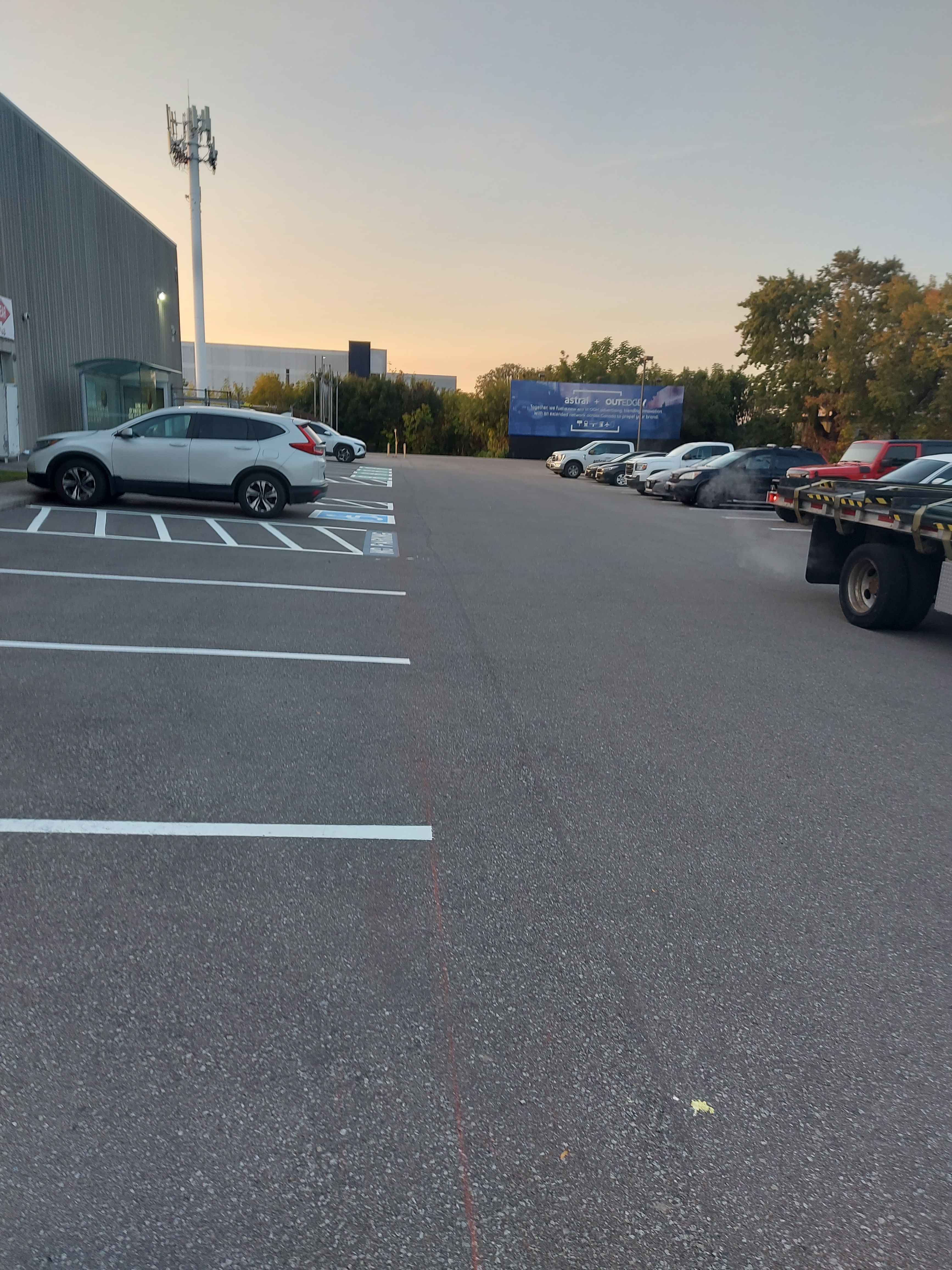
- White: The standard for organization. Typically used for parking stalls, directional arrows, and standard lane dividers.
- Blue: Often reserved for accessibility. Used to designate handicap-accessible parking spaces and paths.
- Red: The color of prohibition. Used for "No Parking" zones, fire lanes, and emergency access points.
- Green: Often used for safety or environmental designation, such as pedestrian walkways or eco-friendly zones.
Applications for Better Organization
Implementing a color-coded system isn't just about following rules; it's about optimizing your specific space. Here is how different sectors benefit from professional line marking:
1. Commercial Parking Lots
In a busy retail environment, confusion leads to congestion. By using distinct colors for different types of parking—such as customer stalls in white and employee stalls in a different shade or marked with specific colored borders—you can manage your inventory of spaces much more effectively. Capital Parking Lot Line Painting specializes in creating these high-contrast, durable markings that stand up to heavy vehicle traffic.
2. Industrial and Warehouse Environments
In warehouses, the stakes are higher. Color coding is a critical component of OSHA compliance and general workplace safety. Using color-coded lines to separate forklift paths from pedestrian walkways can prevent devastating accidents. For example, painting a bright green path for walkers ensures that heavy machinery operators know exactly where to expect foot traffic.
3. Loading Docks and Service Areas
Loading zones are high-activity areas. Using red marking to designate fire lanes and keep them clear of delivery trucks is essential for emergency preparedness. Proper organization here ensures that your logistics chain remains uninterrupted.
Expert Solutions for Sarnia Businesses
If you are looking to upgrade your facility's organization, look no further. As a leading provider in Sarnia, we understand the local needs and environmental factors that affect paint durability. Capital Parking Lot Line Painting offers professional-grade solutions tailored to your specific layout.
Common Mistakes to Avoid
Even with the best intentions, poor execution can lead to more confusion rather than less. Avoid these common pitfalls:
- Over-complicating the palette: Using too many colors can lead to "visual noise," where nothing stands out. Stick to a purposeful, limited palette.
- Fading Markings: Using low-quality paint that fades quickly. This makes the color coding useless within months.
- Inconsistent Application: If your lines are wavy or uneven, they lose their authority and professional appearance.
- Ignoring Contrast: Ensure your chosen colors provide high contrast against the pavement for maximum visibility.
Conclusion
Color coding is a powerful, cost-effective way to bring order to chaos. By strategically applying different hues to your line marking, you create a safer, more efficient, and more professional environment for your customers and employees alike. Don't leave your organization to chance—invest in a visual system that works.