Do You Need to Remove Old Paint Before Repainting Parking Lines?
A comprehensive guide to surface preparation and long-term durability in professional line marking.
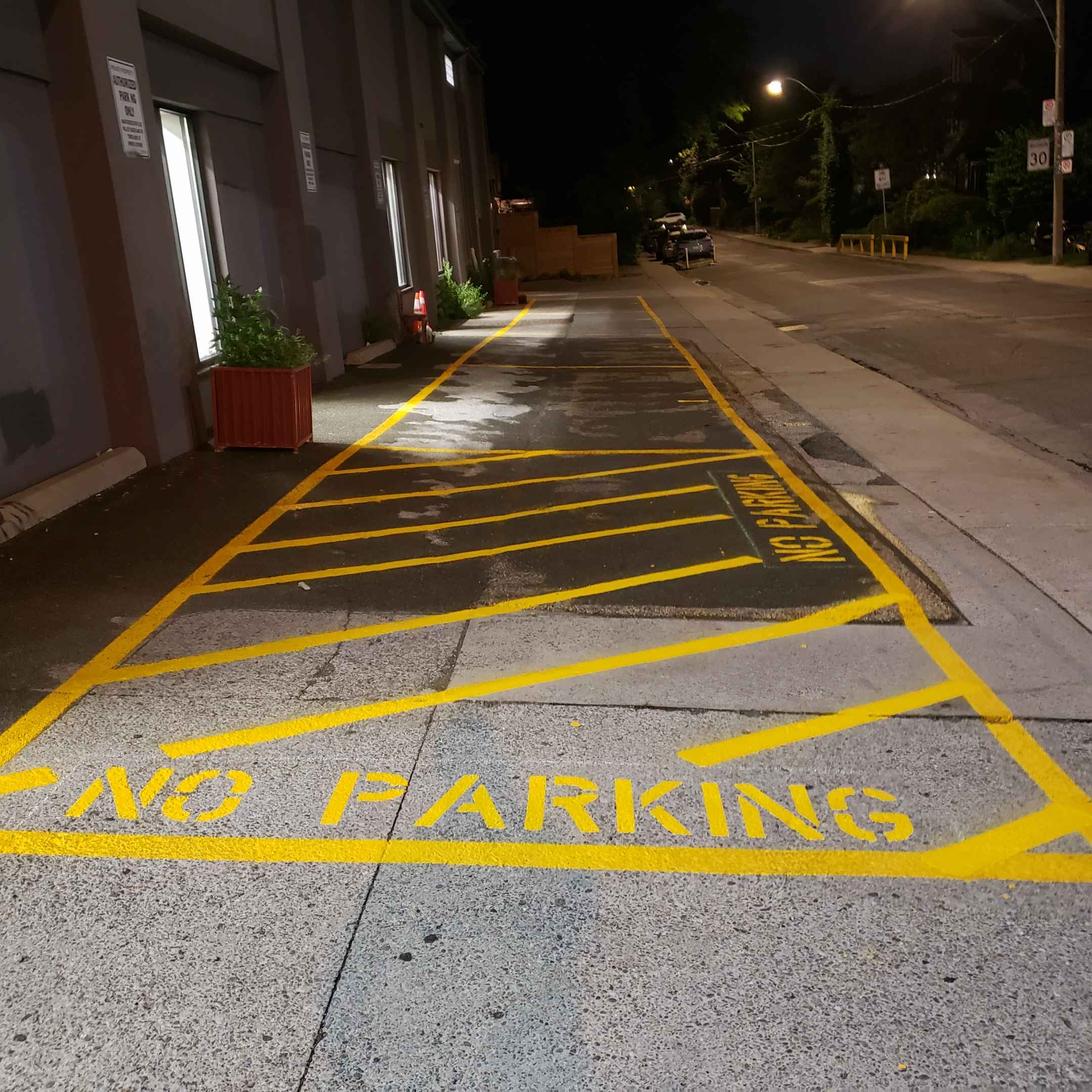
When it comes to maintaining a commercial property, the appearance of your parking lot is often the first thing a customer notices. Crisp, clear, and highly visible markings are essential for safety, organization, and professional aesthetics. However, as years pass, those markings begin to fade, chip, or peel. This leads many property managers to a critical question: Do I need to remove the old paint before applying new line marking?
At Capital Parking Lot Line Painting, we encounter this question frequently. The answer isn't a simple 'yes' or 'no'; it depends heavily on the condition of your current surface, the type of paint being used, and your long-term maintenance goals. In this article, we will dive deep into the technicalities of surface preparation to help you make an informed decision.
Understanding the Importance of Surface Adhesion
The success of any line painting project relies almost entirely on adhesion. Adhesion is the ability of the new coating to bond securely to the substrate (the asphalt or concrete). If you apply fresh paint directly over old, failing paint, you aren't just painting on the pavement; you are painting on a layer that is already losing its grip.
If the existing layer is flaking or bubbling, the new layer will simply bond to the old, unstable material. When the old paint eventually fails and peels away, it will take your brand-new, expensive line marking right along with it. This is why professional contractors in Niagara Falls emphasize the importance of assessing the integrity of the existing markings before beginning any work.
When You CAN Skip Paint Removal
It is not always necessary to perform a full striping of the old material. In many cases, a simple cleaning and refreshing of the lines is sufficient. You might be able to skip the removal process if:
- The existing paint is still firmly adhered to the pavement with no signs of peeling.
- The old markings are thin and do not create a significant buildup or 'lip' on the surface.
- The surface is clean, dry, and free of oil, grease, or loose debris.
- You are performing a simple color refresh rather than a complete layout redesign.
In these scenarios, Capital Parking Lot Line Painting can provide a cost-effective solution by focusing on high-quality cleaning and precise application, ensuring the new layer bonds perfectly to the stable old layer.
When Removal is Mandatory
There are specific conditions where attempting to paint over old markings is a recipe for failure. If your parking lot has seen heavy traffic or extreme weather cycles, you likely fall into one of these categories:
1. Excessive Build-up and Uneven Surfaces
Over years of maintenance, layers of paint can stack up, creating a thick, uneven ridge. This build-up can create trip hazards or cause tires to catch on the edges of the lines. For a smooth, professional finish, these ridges must be removed.
2. Flaking, Peeling, or Bubbling
As mentioned earlier, if the current paint is failing, the new paint will follow suit. If you see patches of bare asphalt where paint used to be, or if the paint is curling at the edges, removal is the only way to ensure a durable result.
3. Changing Layouts or Colors
If your business is redesigning its parking flow or changing from yellow to white markings, the old color can bleed through or create a muddy, unprofessional appearance. In these instances, complete removal is required to provide a 'blank canvas' for the new design.
The Professional Approach to Line Marking
Whether you are managing a retail center in Niagara Falls or a large industrial complex, the method used to prepare the surface determines the ROI of your maintenance budget. Professional line marking involves more than just pulling a trigger on a machine; it involves a systematic approach to surface integrity.
When you partner with Capital Parking Lot Line Painting, we evaluate the substrate to determine if a simple cleaning, a high-pressure wash, or a mechanical removal is required. This ensures that the final product isn't just beautiful on day one, but remains visible and durable for years to come.
Ready for a Refresh?
Don't let faded, peeling lines damage your property's curb appeal. Contact the experts to ensure your next line marking project is done right the first time.
Summary of Best Practices
To wrap up, here is a quick checklist for property managers considering a repainting project:
- Inspect: Walk the lot and look for peeling or bubbling.
- Clean: Ensure the area is free of oil and dirt regardless of whether you remove old paint.
- Assess: Determine if the current lines are thick enough to cause unevenness.
- Consult: Always speak with a professional to avoid wasting resources on a failing surface.