How Crack Width and Depth Affect Repair Methods
A deep dive into the technical dimensions of asphalt degradation and the strategic solutions required for lasting pavement integrity.
When managing a commercial property in a bustling area like Vaughan, the condition of your asphalt is often the first thing visitors notice. Cracks are an inevitable part of the asphalt lifecycle, caused by thermal expansion, heavy traffic loads, and moisture infiltration. However, not all cracks are created equal. To maintain a professional appearance and prevent costly full-scale resurfacing, it is essential to understand how the specific dimensions—width and depth—dictate the necessary repair method.
At Capital Parking Lot Line Painting, we emphasize that a "one size fits all" approach to crack repair is a recipe for premature failure. Treating a hairline fracture the same way you treat a deep structural fissure will result in wasted resources and recurring issues.
The Critical Role of Crack Width
Width is perhaps the most visible metric used to categorize asphalt damage. The width of a crack determines the volume of filler required and the type of material that can effectively bond with the existing pavement edges.
1. Hairline Cracks (Less than 1/4 inch)
Hairline cracks are often the result of minor shrinkage or early-stage thermal movement. Because they are so narrow, standard liquid crack fillers may struggle to penetrate deeply enough to provide a lasting seal. In many cases, these are addressed through high-quality sealcoating, which fills the microscopic gaps and creates a protective barrier across the entire surface.
2. Medium Cracks (1/4 inch to 1/2 inch)
These cracks represent a significant threat to the sub-base. They are wide enough to allow water to seep in but narrow enough that specialized crack-filling machines can inject hot-applied rubberized asphalt directly into the void. This method ensures the material expands and contracts with the pavement, maintaining a watertight seal.
3. Wide Cracks (Greater than 1/2 inch)
When cracks exceed half an inch, they are often classified as structural failures or "alligator cracking." At this stage, simple filling is rarely enough. These areas often require more intensive remediation, such as patching or localized replacement, to ensure the integrity of the surface remains intact for subsequent line marking and traffic flow.
The Hidden Factor: Crack Depth
While width is easy to see, depth is the invisible variable that often determines the success of a repair. A wide but shallow crack is a much easier fix than a narrow but deep crack. If a repair material does not reach the bottom of a deep crack, air pockets can form, leading to further oxidation and eventual failure of the patch.
For property managers in Vaughan, ignoring depth can lead to a cycle of "band-aid" repairs. If the crack extends deep into the base layers, the moisture will continue to compromise the foundation, regardless of how many times the surface is filled. Professional teams like Capital Parking Lot Line Painting evaluate the depth to decide whether a simple injection is sufficient or if a full-depth patch is required.
Common Repair Mistakes to Avoid
- Using low-quality, cold-applied fillers for deep, wide cracks.
- Failing to clean debris and moisture out of the crack before filling.
- Applying new line painting over unsealed or poorly repaired cracks.
- Ignoring cracks during the early stages, allowing them to widen and deepen.
- Assuming all cracks can be fixed with a simple layer of sealcoat.
The Connection Between Repair and Line Marking
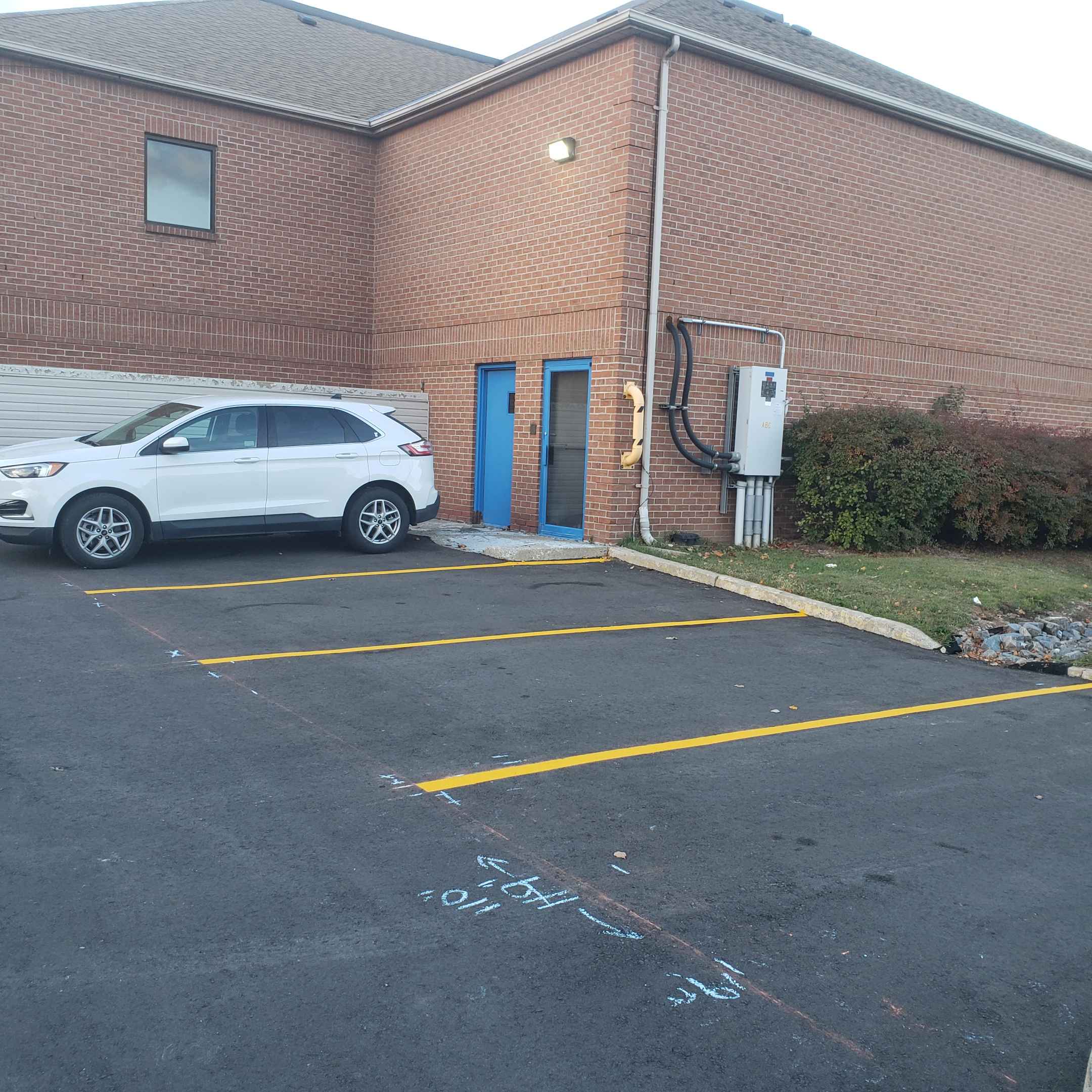
A well-maintained parking lot is not just about structural integrity; it is about aesthetics and safety. Once the cracks have been professionally addressed based on their width and depth, the final step in restoring the lot's professional appearance is high-visibility line marking.
Clean, crisp lines on a smooth, crack-free surface communicate professionalism to your clients. Capital Parking Lot Line Painting specializes in ensuring that your pavement is not only structurally sound but also visually optimized for maximum safety and curb appeal. By addressing the cracks correctly first, you ensure that your new lines won't be disrupted by shifting asphalt or uneven surfaces.
Ready to Restore Your Pavement?
Don't wait for small cracks to become major structural issues. Contact the experts at Capital Parking Lot Line Painting to assess your property and implement a tailored maintenance plan.