Is Sealcoating Suitable for Older Asphalt Surfaces?
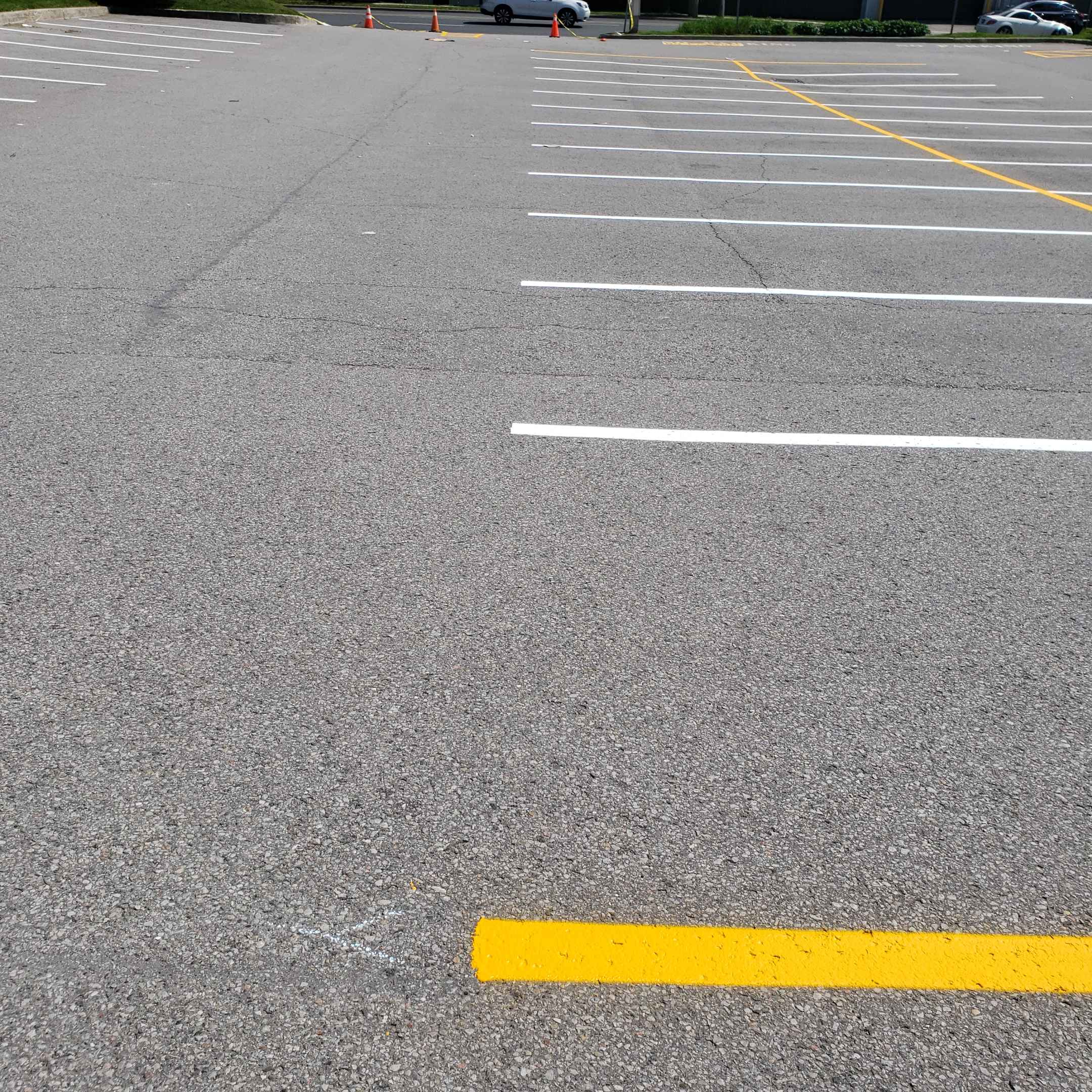
As asphalt ages, it undergoes a visible transformation. The deep, rich black turns to a faded grey, and small cracks begin to spiderweb across the surface. For property owners in Oakville, the big question arises: Can sealcoating breathe new life into this aging pavement, or is it a wasted effort?
Understanding the Aging Process of Asphalt
Asphalt is a flexible pavement, but it is not invincible. Over time, exposure to UV rays, oxidation, and extreme weather fluctuations—common in Ontario—causes the bitumen (the "glue" that holds the aggregate together) to break down. When this happens, the asphalt loses its elasticity and its ability to repel water.
For many commercial properties, recognizing the transition from "weathered" to "deteriorated" is crucial. While sealcoating is an excellent preventative measure for relatively new surfaces, applying it to older, heavily damaged asphalt requires a more strategic approach. At Capital Parking Lot Line Painting, we often see property managers attempting to seal over deep structural issues, which ultimately leads to premature failure.
When Sealcoating is a Great Idea
If your asphalt is showing signs of discoloration (fading to grey) but remains structurally sound, sealcoating is highly recommended. It acts as a protective shield against the elements. In a top 30 city like Oakville, where seasonal temperature swings can be harsh, maintaining that protective layer is vital.
The Benefits of Timely Sealcoating:
- UV Protection: Prevents the sun from drying out the bitumen.
- Waterproofing: Seals small pores to prevent water from seeping into the sub-base.
- Aesthetic Appeal: Restores the deep black look, making the lot appear brand new.
- Oxidation Prevention: Slows down the chemical aging process of the asphalt.
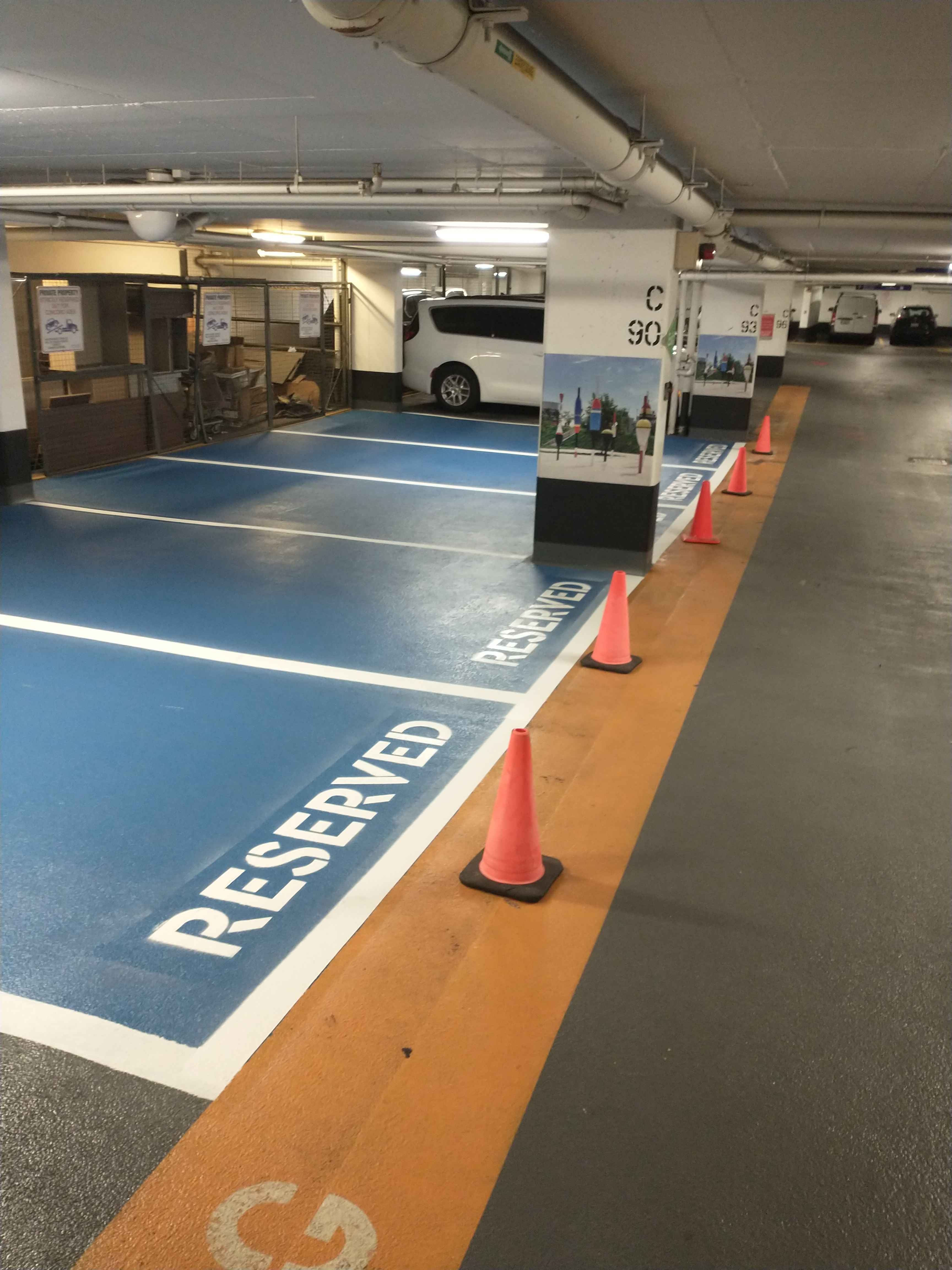
- Foundation for Line Marking: Provides a clean, dark surface that makes new Line Marking pop visually.
When Sealcoating is Not Enough
There is a threshold where sealcoating moves from being a "maintenance task" to being a "cosmetic band-aid." If your asphalt surface exhibits the following symptoms, you should consult with professionals like Capital Parking Lot Line Painting before applying any sealant:
Red Flags to Watch For:
- Alligator Cracking: Large, interconnected cracks that look like reptile skin. This indicates a base failure.
- Potholes: Deep depressions where the aggregate has completely washed away.
- Depressions/Settlement: Areas where the ground has shifted, causing uneven surfaces.
- Severe Raveling: When the stones are coming loose from the binder.
Applying sealer over these issues will not fix them. In fact, the sealer may actually trap moisture within the cracks, accelerating the damage underneath. In these cases, structural repairs or even a complete resurfacing may be necessary to protect your investment.
The Ideal Workflow for Older Surfaces
If you are dealing with an older surface that is in "fair" condition, the best approach is a hybrid method. We recommend a multi-step process to ensure the sealcoat adheres and lasts:
- Deep Cleaning: Removing all dirt, oil, and debris.
- Crack Filling: Using a hot-pour rubberized filler to plug structural gaps.
- Patching: Addressing minor potholes or depressions.
- Sealcoating: Applying the protective layer over the repaired surface.
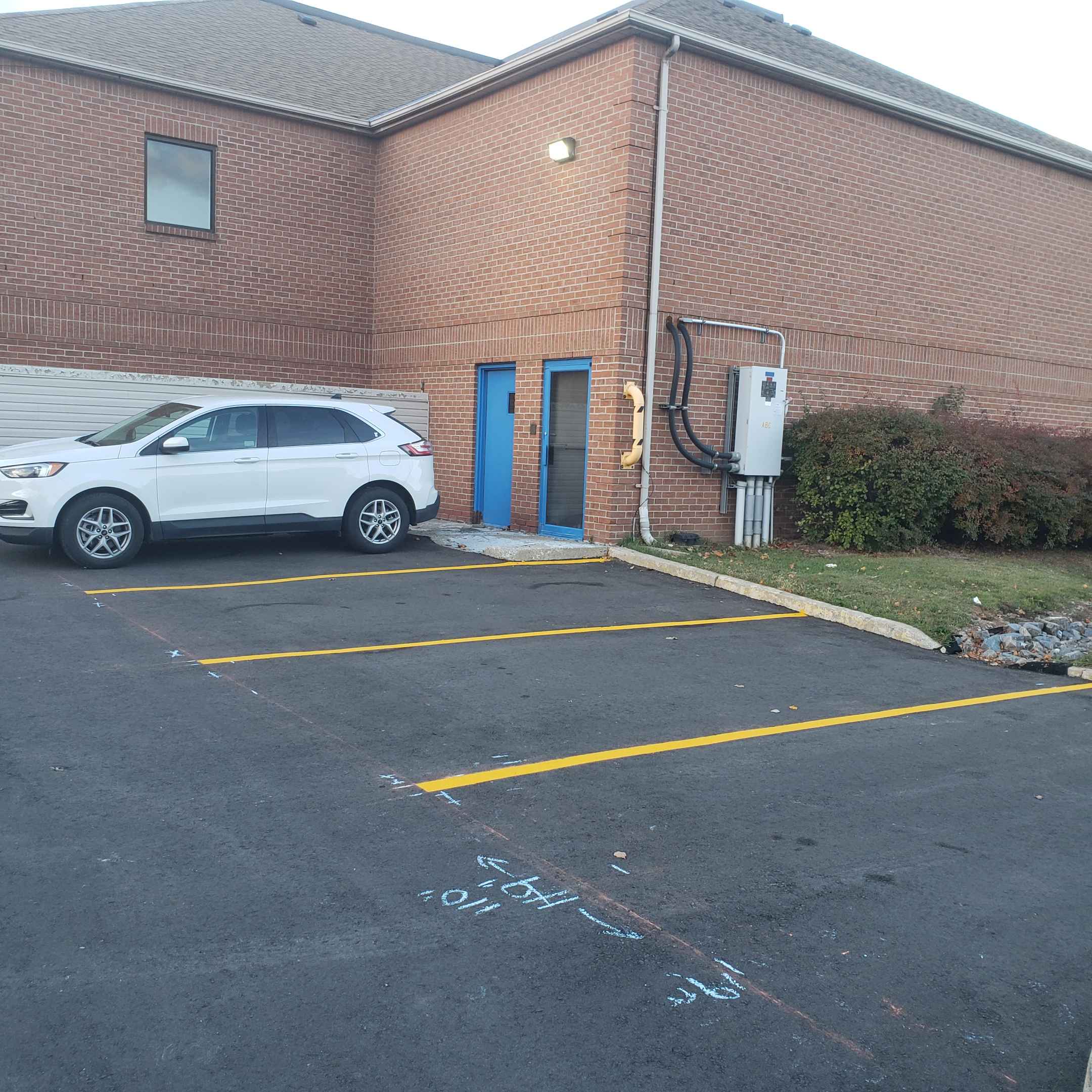
- Line Marking: Once the sealer has cured, applying fresh Line Marking to define stalls and traffic flow.
By following this sequence, Capital Parking Lot Line Painting ensures that the aesthetic improvements are backed by structural integrity.
Quick Summary Thumbnail
Pro Tip: Never skip the crack-filling stage. A sealcoat is a skin, not a skeleton. If the skeleton is broken, the skin won't hold.
Conclusion
Is sealcoating suitable for older asphalt? The answer is: Yes, but only if the surface is structurally sound. If your lot is merely faded, sealcoating is the most cost-effective way to extend its life. However, if you see alligator cracking or significant potholes, you need repairs first. Investing in professional assessment ensures you don't spend money on a temporary fix that fails within a single season.