How Crack Width and Depth Affect Repair Methods
A technical guide to understanding asphalt deterioration and selecting the right restorative approach.
For property owners in Peterborough, maintaining a professional and safe parking lot is a continuous challenge. As one of the top 30 cities in Ontario, the local climate—characterized by harsh winters and significant freeze-thaw cycles—puts immense pressure on asphalt surfaces. One of the most common signs of aging is cracking. However, not all cracks are created equal. To ensure a successful repair, one must look beyond the surface and analyze two critical dimensions: width and depth.
At Capital Parking Lot Line Painting, we emphasize that a "one-size-fits-all" approach to crack repair often leads to premature failure. Choosing the wrong sealant for a specific crack type can result in water infiltration, which eventually leads to potholes and total pavement failure.
The Importance of Crack Width
Crack width is perhaps the most immediate visual indicator of the severity of the damage. In the world of pavement maintenance, cracks are generally categorized into three distinct width classes:
1. Hairline Cracks (Less than 1/8 inch)
These are tiny, superficial fissures. While they may look minor, they are the precursors to larger issues. Because they are so narrow, standard liquid crack fillers often cannot penetrate deeply enough to provide a lasting seal. In many cases, these require a specialized high-penetration rubberized asphalt sealer to ensure the liquid reaches the bottom of the fissure.
2. Medium Cracks (1/8 inch to 1/2 inch)
This is the "sweet spot" for preventative maintenance. Medium cracks are wide enough to accommodate most hot-applied rubberized crack sealants. These sealants are designed to expand and contract with the temperature changes common in Ontario, preventing the seal from snapping during a cold Peterborough winter.
3. Wide Cracks (Greater than 1/2 inch)
When a crack exceeds half an inch, it is no longer just a surface issue; it is a structural concern. Filling these with simple liquid sealants is a waste of resources, as the material will simply sink into the void. These cracks often require more robust solutions, such as crack bridging or even localized patching.
The Hidden Factor: Crack Depth
While width is easy to see, depth is often invisible, yet it is arguably more important for determining the longevity of the repair. The depth of a crack tells us how far the damage has traveled into the asphalt base layers.
If a crack is shallow, it is likely a thermal crack caused by the surface layer contracting. If the crack is deep, it may indicate subgrade failure or poor compaction during the original installation. Capital Parking Lot Line Painting professionals assess depth to determine if a simple seal will suffice or if the structural integrity of the lot is compromised.
When a crack is deep, the repair material must be able to fill the entire vertical void. If only the top layer is sealed, water will continue to seep into the depths, freeze, expand, and eventually blow out the repair from underneath.
Common Repair Methodologies
Depending on the measurements taken, technicians will choose from several methods:
- Liquid Crack Sealing: Best for hairline and medium cracks where penetration is key.
- Hot-Applied Rubberized Sealant: The industry standard for medium-width cracks to ensure elasticity.
- Crack Bridging: Using a specialized tape or membrane to bridge wide cracks before applying a top layer.
- Patching/Infrared Repair: For deep, wide cracks that threaten the structural base of the parking lot.
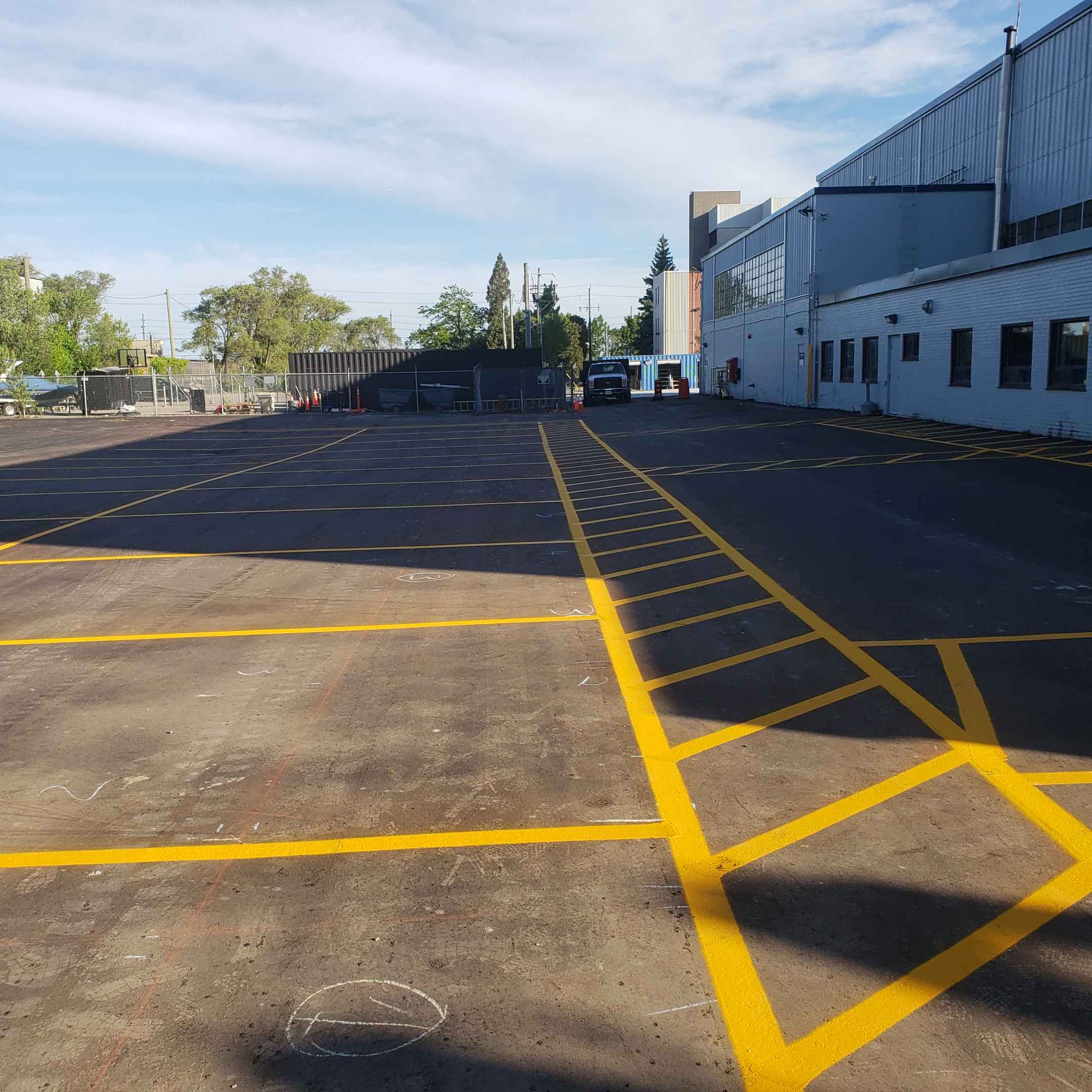
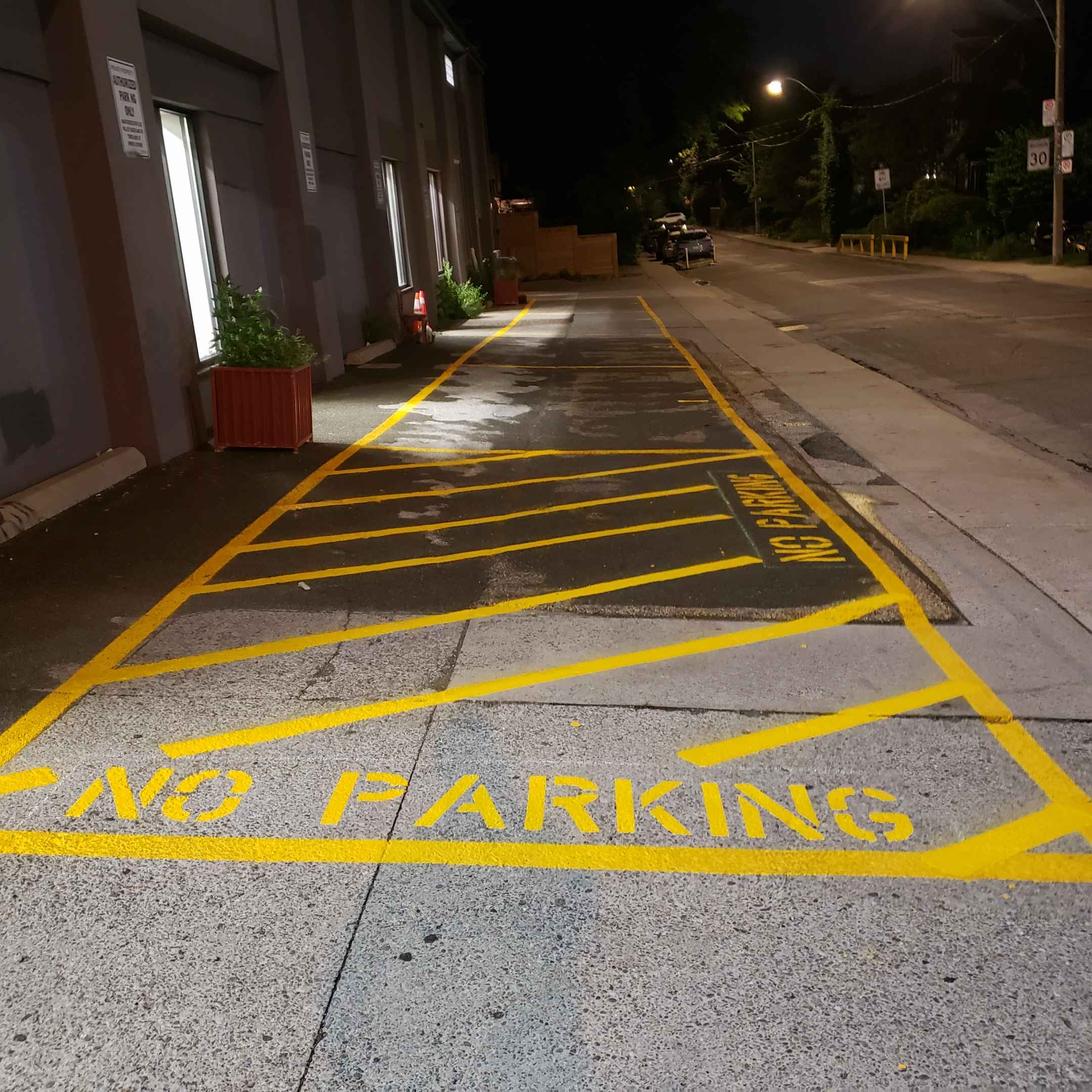
- Line Marking Integration: Once cracks are repaired and the surface is stable, fresh Line Marking can be applied to restore professional aesthetics.
Mistakes to Avoid in Asphalt Maintenance
Many property managers attempt to save costs by using DIY solutions, but this often results in higher long-term expenses. Avoid these common pitfalls:
Using Low-Quality Fillers: Using cold-applied fillers on wide cracks will result in the material cracking within a single season.
Ignoring Depth: Treating a deep structural crack with a surface-level sealant is a temporary fix that masks a growing problem.
By partnering with experts like Capital Parking Lot Line Painting, you ensure that the specific dimensions of your pavement's damage are met with the appropriate technical solution.
Ready to Protect Your Investment?
Don't wait for small cracks to become massive potholes. Proper maintenance today saves thousands in reconstruction costs tomorrow.