Crackfilling for Newly Paved vs. Aged Asphalt Surfaces
Maintaining a pristine parking lot requires more than just a fresh coat of paint; it requires a strategic approach to surface integrity and preventative maintenance.
Asphalt is a resilient material, but it is not invincible. Whether you are managing a commercial complex in Markham or a residential community, the health of your pavement depends heavily on how you handle cracks. At Capital Parking Lot Line Painting, we have seen firsthand how improper maintenance can lead to rapid deterioration. One of the most misunderstood aspects of asphalt care is the distinction between managing a newly paved surface and maintaining an aged one. While the goal of crackfilling remains the same—preventing water from reaching the sub-base—the methods and timing differ significantly.
The New Surface: Preventive Sealcoating and Early Intervention
When a parking lot is newly paved, the asphalt is at its peak strength. It is flexible, dark, and structurally sound. However, this is also the most critical window for long-term protection. New asphalt undergoes a process called curing, where the volatile oils evaporate to harden the surface. During this time, the surface is susceptible to oxidation from UV rays.
Why Early Crackfilling Matters
Even in new pavement, small hairline cracks can appear due to thermal expansion or minor settling. If these are left unaddressed, they become conduits for moisture. For property owners in Markham, where seasonal temperature fluctuations are extreme, early intervention is the key to avoiding the freeze-thaw cycle damage that plagues older lots.
Capital Parking Lot Line Painting recommends that new surfaces be monitored closely. While you shouldn't apply heavy sealants immediately, identifying and filling small fissures early can extend the life of the pavement by years.
The Aged Surface: Restoring Integrity and Preventing Failure
An aged asphalt surface tells a different story. Over time, the bitumen (the "glue" that holds the rocks together) begins to oxidize and harden. This makes the asphalt brittle. As the surface loses its flexibility, cracks widen, and the structural integrity of the lot begins to decline.
The Challenges of Older Pavement
In aged surfaces, crackfilling is no longer just a preventive measure; it is a restorative necessity. Large cracks, often referred to as "alligator cracking," indicate that the base layer may be compromised. However, for standard longitudinal or transverse cracks, professional crackfilling can stabilize the area and prevent the need for a full resurfacing.
When working with older surfaces, the preparation phase is much more intensive. We must ensure the cracks are cleaned of debris, old oxidized material, and vegetation before applying high-quality hot-pour rubberized fillers. This ensures a permanent bond that can withstand the heavy traffic and weather typical of Ontario.
Key Differences at a Glance
To help you decide which maintenance path your property requires, consider these primary distinctions:
- Objective: New surfaces focus on prevention; aged surfaces focus on restoration.
- Crack Type: New surfaces deal with hairline/thermal cracks; aged surfaces deal with wide, structural cracks.
- Material Needs: New surfaces require light, flexible fillers; aged surfaces require heavy-duty, hot-applied rubberized compounds.
- Frequency: New surfaces need monitoring; aged surfaces require regular, scheduled maintenance cycles.
The Importance of Comprehensive Care
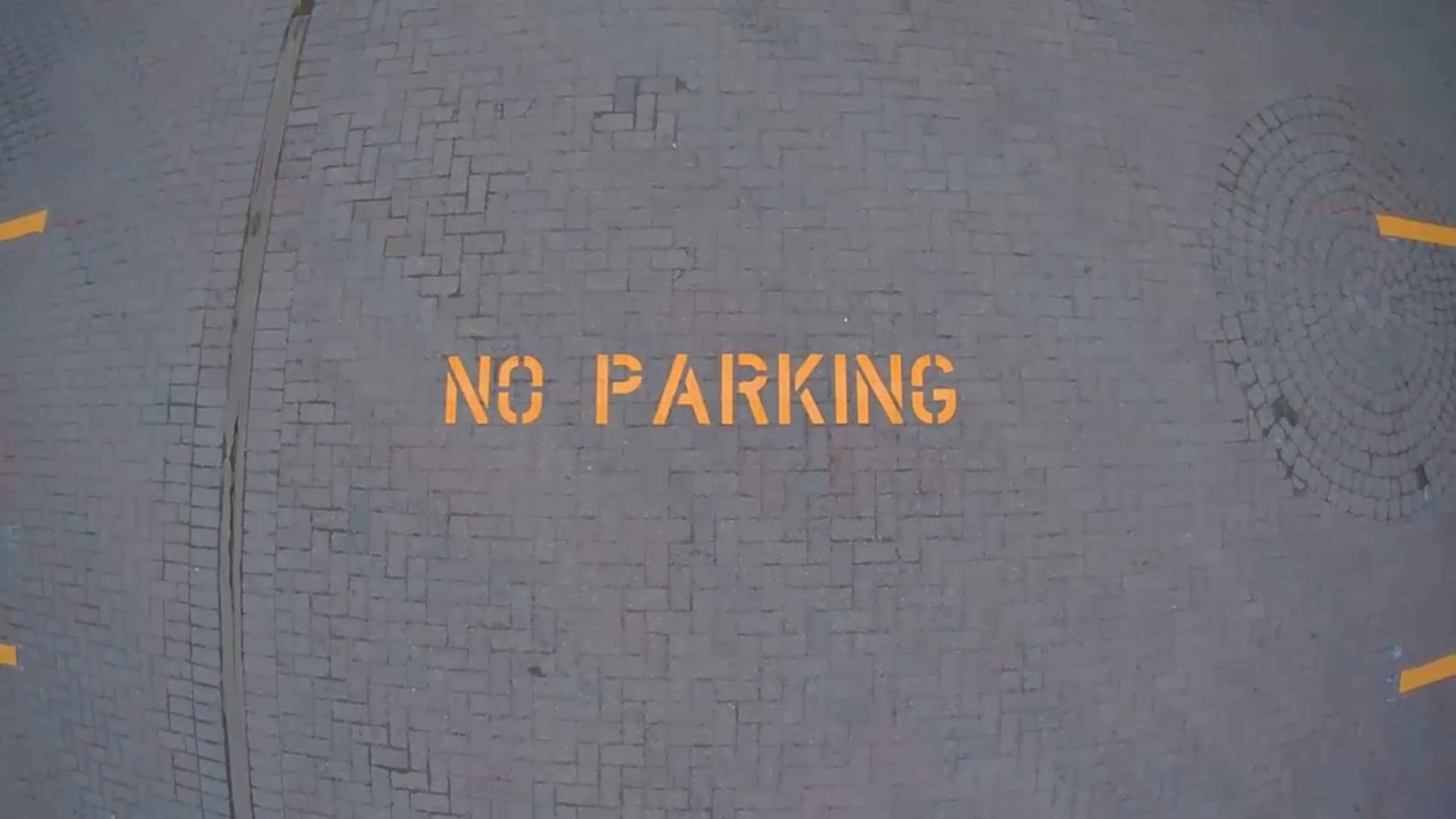
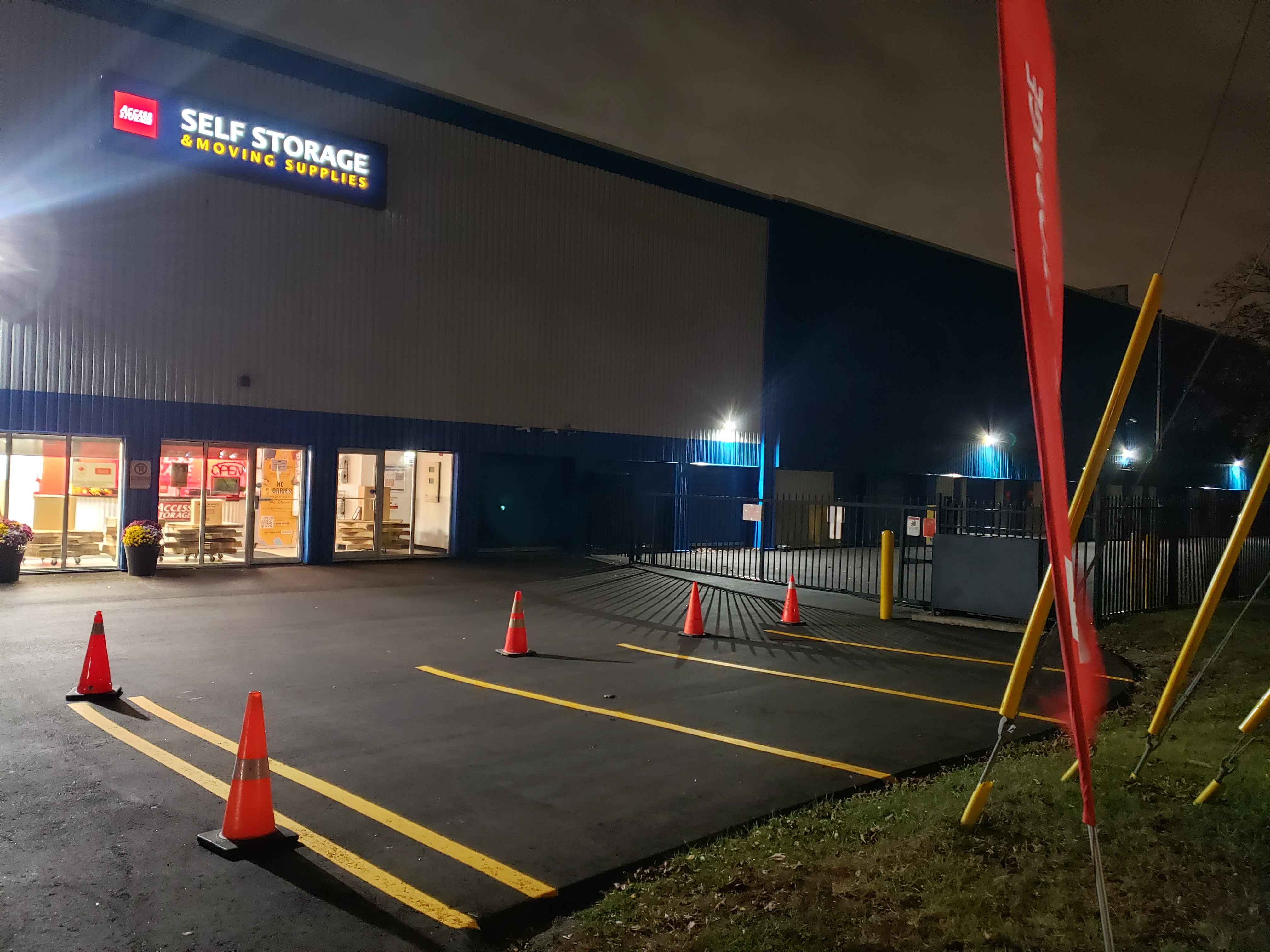
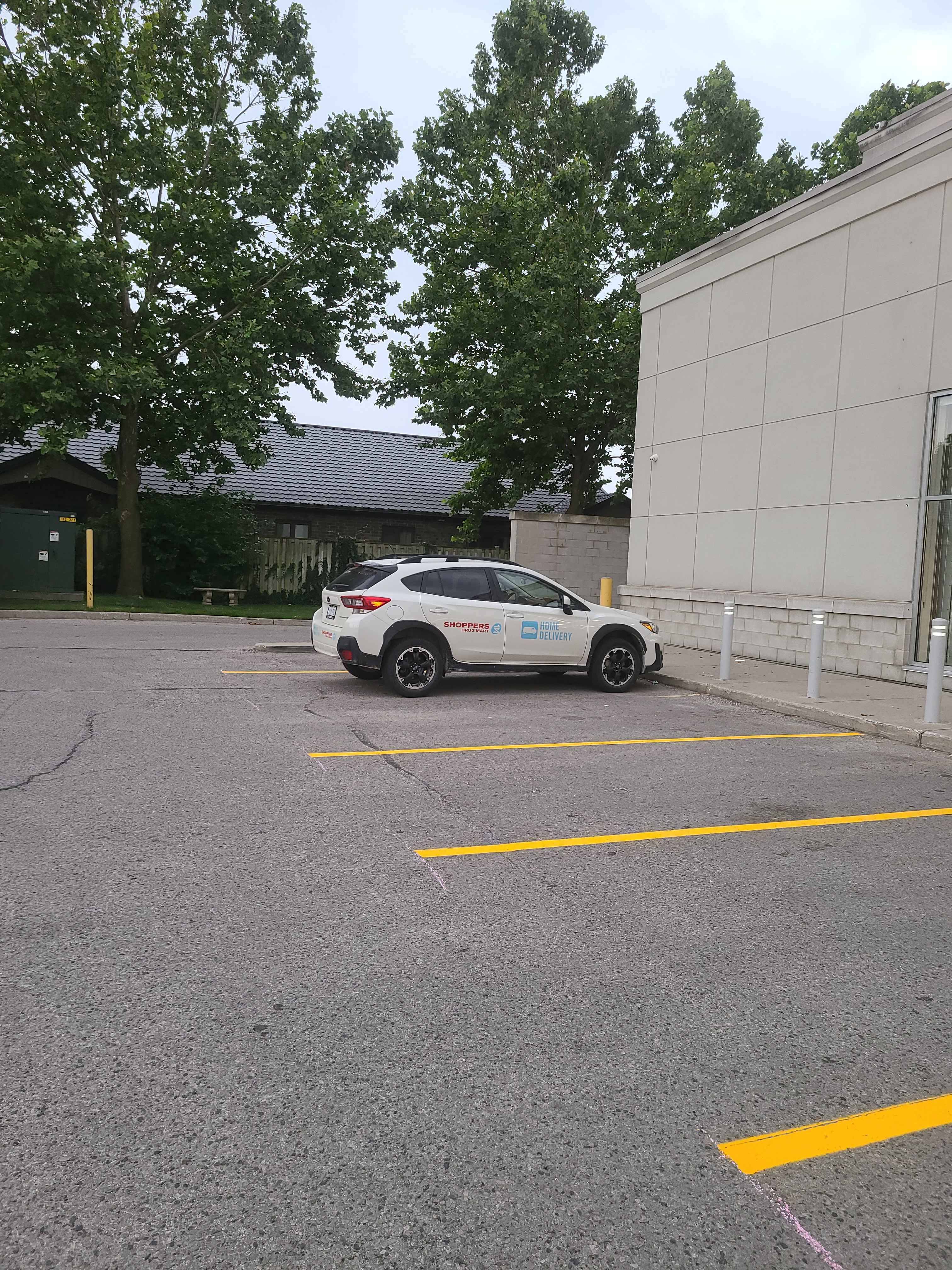
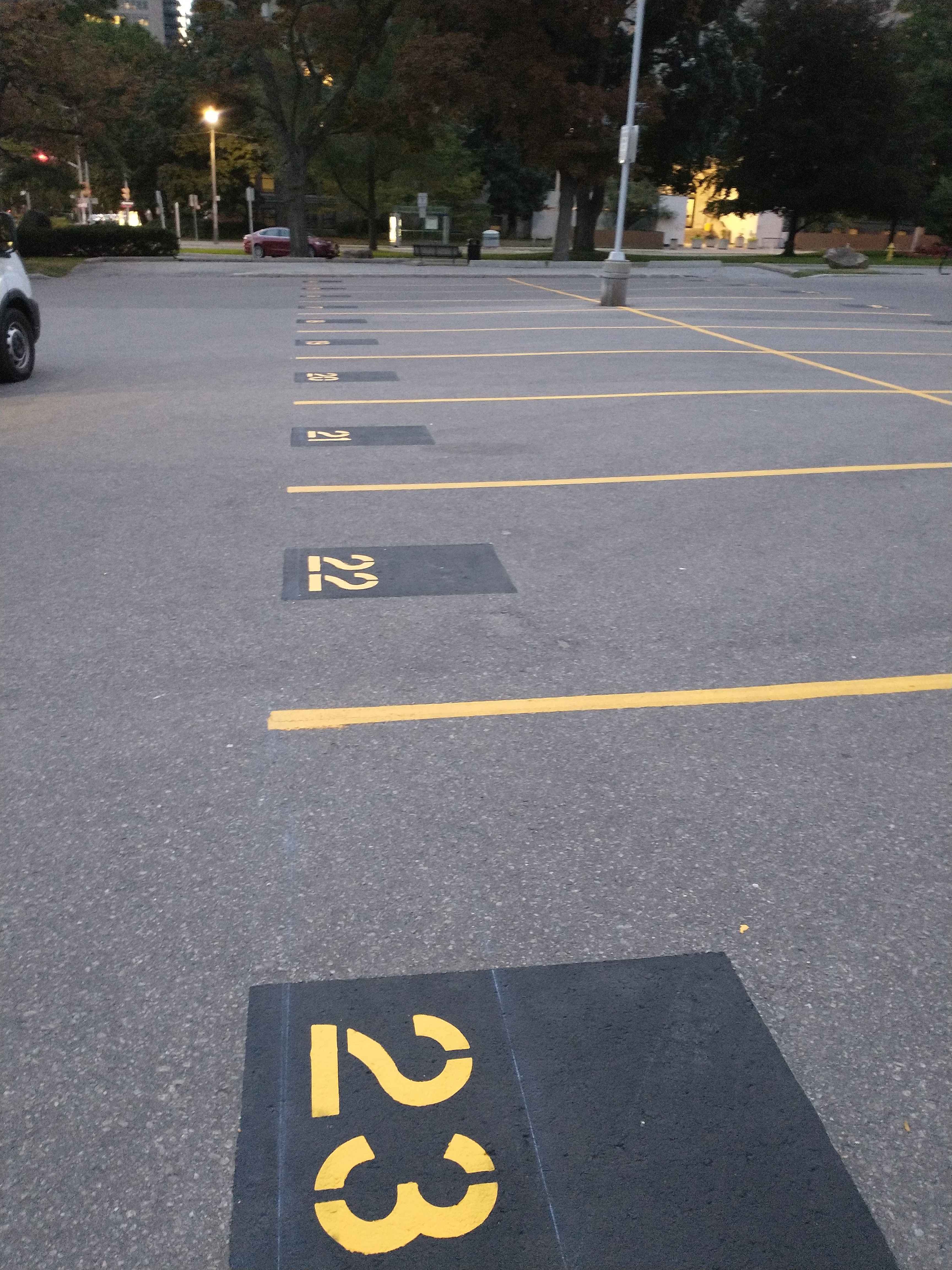
Maintenance is a holistic process. Once the structural integrity is secured through professional crackfilling, the next step in aesthetic and safety maintenance is often Line Marking. Clear, bright lines ensure traffic flows correctly and parking stalls are utilized efficiently. Capital Parking Lot Line Painting specializes in providing both the structural maintenance and the visual clarity required for professional-grade parking lots.
Neglecting the cracks while focusing only on Line Painting is a common mistake. If you paint over cracks without filling them, the lines will quickly crack and peel, leading to a messy and unprofessional appearance that can confuse drivers and increase liability.
Ready to Protect Your Investment?
Whether your asphalt is brand new or showing its age, professional intervention is the most cost-effective way to ensure longevity. Don't wait for the potholes to appear before taking action.