Crackfilling for Newly Paved vs. Aged Asphalt Surfaces
A comprehensive guide to understanding pavement maintenance cycles and protective measures for your asphalt investment.
Asphalt is a resilient, versatile material, but it is not invincible. Whether you are managing a commercial parking lot in North Bay or a private residential driveway, the lifecycle of your pavement depends heavily on one critical maintenance task: crackfilling. However, not all asphalt is created equal, and the approach required for a fresh surface is vastly different from the strategy needed for a weathered one.
At Capital Parking Lot Line Painting, we have seen firsthand how proactive maintenance can save property owners thousands of dollars in premature reconstruction costs. Understanding when and how to seal cracks is the first step in long-term asset management.
The Newly Paved Surface: Preventative Sealing
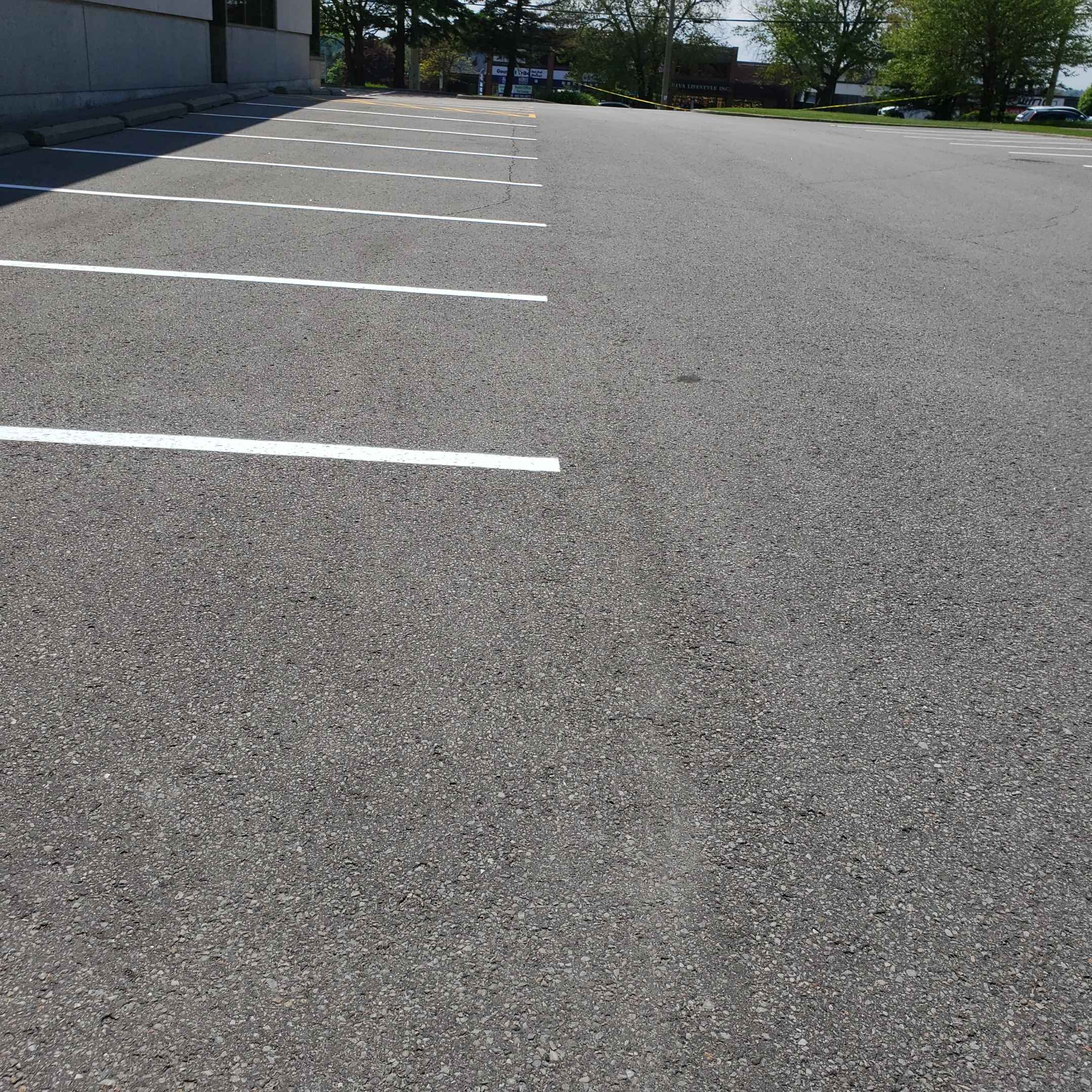
When a new asphalt surface is installed, it is at its peak strength and flexibility. However, even the most expertly laid asphalt is subject to the natural stresses of temperature fluctuations and heavy vehicle loads. In regions like North Bay, where seasonal shifts can be extreme, the expansion and contraction of the pavement can create micro-cracks almost immediately.
Why Seal New Asphalt?
For new surfaces, crackfilling is a preventative measure rather than a restorative one. The goal is to seal the tiny fissures that form during the initial settling period. By applying a high-quality sealant early, you prevent water from penetrating the sub-base, which is the primary cause of structural failure.
- Preserving Flexibility: Prevents the asphalt from becoming brittle too quickly.
- Waterproofing: Stops moisture from reaching the aggregate base.
- Oxidation Control: Helps slow down the UV damage that causes asphalt to turn grey.
The Aged Asphalt Surface: Restorative Repair
As asphalt ages, it undergoes a process called oxidation. The oils that keep the bitumen flexible evaporate, leaving the surface harder, more brittle, and prone to larger cracks. When dealing with aged surfaces, the crackfilling process shifts from simple prevention to complex structural repair.
On aged pavement, cracks are often wider and deeper. Simply pouring sealant into a wide crack on an old surface won't work; the sealant needs to be applied in a way that addresses the underlying instability. This is where the expertise of Capital Parking Lot Line Painting becomes invaluable. We assess the depth and width of the cracks to determine if they require standard crackfilling or more intensive patching.
Key Differences at a Glance
While both methods aim to protect the pavement, the execution differs significantly. New asphalt requires precision and lightweight application to avoid disturbing the fresh surface, whereas aged asphalt requires deep cleaning and robust materials to bridge larger gaps.
Common Mistakes in Asphalt Maintenance
Many property managers attempt DIY solutions or overlook the importance of professional assessment. To ensure your pavement lasts, avoid these common pitfalls:
- Ignoring small cracks: A tiny crack today is a pothole tomorrow.
- Using the wrong sealant: Using a rigid material on a flexible surface will cause the seal to pop out.
- Skipping the cleaning phase: Sealant will not adhere to dirt, oil, or debris.
- Neglecting Line Marking: Proper Line Marking helps direct traffic flow, reducing the concentrated weight on certain areas of the pavement, which indirectly aids in crack prevention.
The Holistic Approach to Pavement Care
To truly maximize the life of your asphalt, crackfilling should be part of a broader maintenance schedule. This includes regular cleaning, periodic sealcoating, and professional Line Painting to ensure safety and organization. Capital Parking Lot Line Painting provides a full suite of services designed to keep your surfaces looking professional and functioning perfectly for years to come.
By treating your asphalt with the specific care it requires—whether it is brand new or decades old—you protect your property value and ensure a safe environment for drivers and pedestrians alike.