Crackfilling for Newly Paved vs. Aged Asphalt Surfaces
Maintaining a pristine parking lot requires more than just a fresh coat of paint; it requires a strategic approach to structural preservation through professional crackfilling.
The Importance of Proactive Asphalt Maintenance
Asphalt is a resilient material, but it is not invincible. Whether you own a commercial complex in St. Catharines or manage a large industrial site, the environmental stressors—ranging from heavy vehicle loads to the freeze-thaw cycles common in Ontario—can wreak havoc on your pavement. One of the most effective ways to combat this degradation is through timely crackfilling.
At Capital Parking Lot Line Painting, we have observed that property owners often fall into one of two categories: those who treat new asphalt with the same methods as old asphalt, and those who wait until the damage is irreversible. Understanding the nuance between these two stages is the key to long-term durability.
Crackfilling for Newly Paved Asphalt
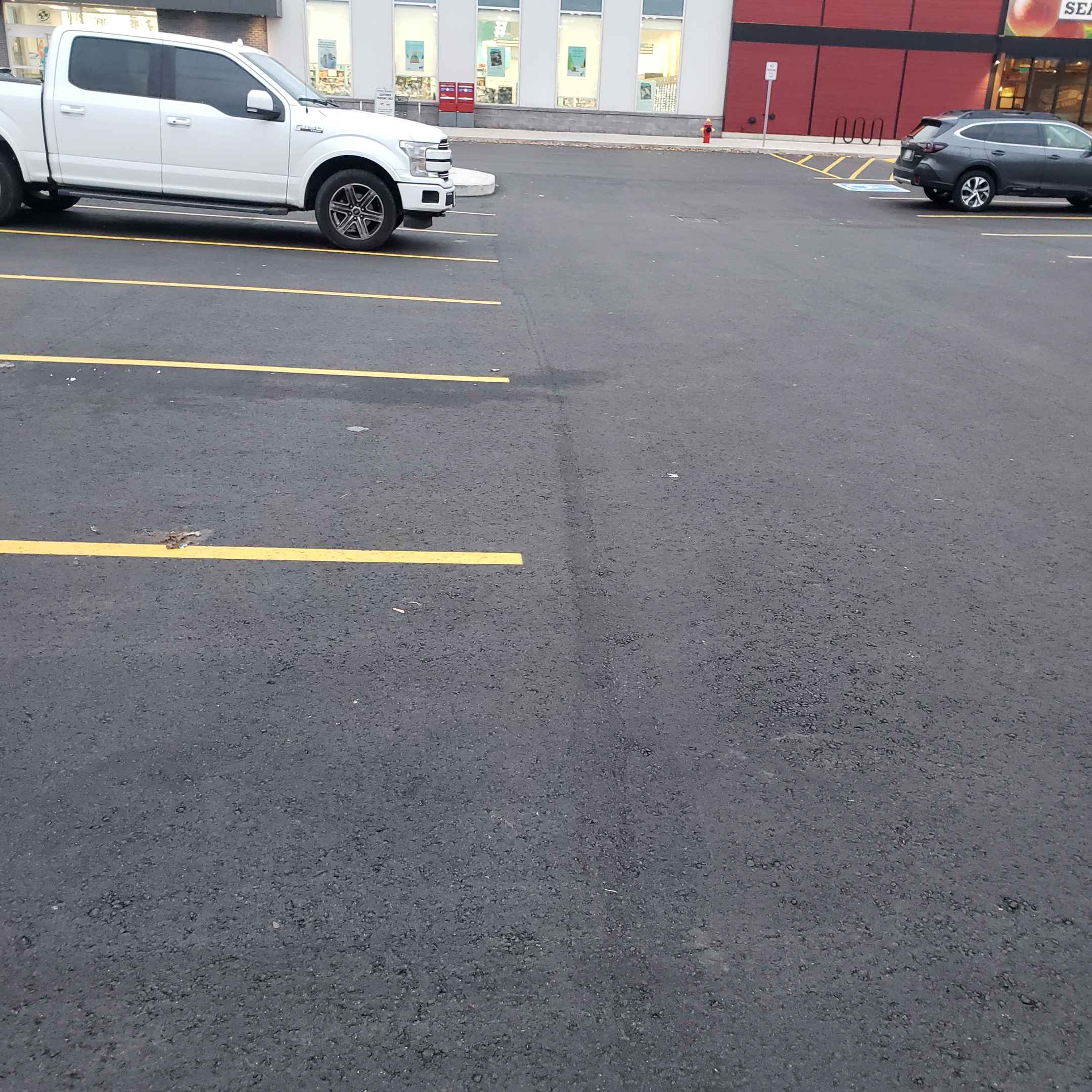
When asphalt is freshly laid, it is at its peak strength. However, it is also in a state of transition. As the asphalt cures, it undergoes natural contraction. Small, hairline cracks may appear almost immediately. While these might seem insignificant, they are the precursors to major structural failures.
Preventative Sealing
For new surfaces, the goal is preventative. We aren't just filling holes; we are sealing the surface to prevent water from infiltrating the sub-base. In a top 30 city like St. Catharines, where seasonal shifts are dramatic, preventing water from reaching the foundation of your lot is paramount.
When dealing with new asphalt, Capital Parking Lot Line Painting recommends early-stage crack sealing to lock in the integrity of the mix. This ensures that the moisture stays on the surface where it can evaporate, rather than seeping into the ground and causing frost heaves.
Managing Aged Asphalt Surfaces
Aged asphalt tells a different story. Over time, oxidation occurs, causing the bitumen to lose its flexibility and turn from deep black to a light grey. This makes the surface brittle. Cracks in aged asphalt are often wider, deeper, and more irregular in shape.
Restorative Crackfilling
Restoring an aged lot requires a more aggressive approach. The cracks are no longer just hairline fractures; they are often structural gaps. The cleaning process for aged cracks is much more intensive, as dirt, debris, and old oxidized material must be completely removed to ensure the new sealant adheres to the healthy asphalt beneath.
Failure to properly treat aged cracks can lead to "alligator cracking," a pattern that resembles reptile skin and indicates that the base layer has completely failed. At this stage, simple crackfilling may not be enough, and more intensive repairs may be required.
Key Differences at a Glance
- New Asphalt: Focuses on preventing moisture penetration in hairline cracks.
- Aged Asphalt: Focuses on stabilizing wide, deep cracks and preventing structural collapse.
- Cleaning Process: New surfaces require light cleaning; aged surfaces require deep debris removal.
- Sealant Type: New surfaces benefit from flexible sealants; aged surfaces often require high-viscosity hot rubberized fillers.
The Synergy of Crackfilling and Line Marking
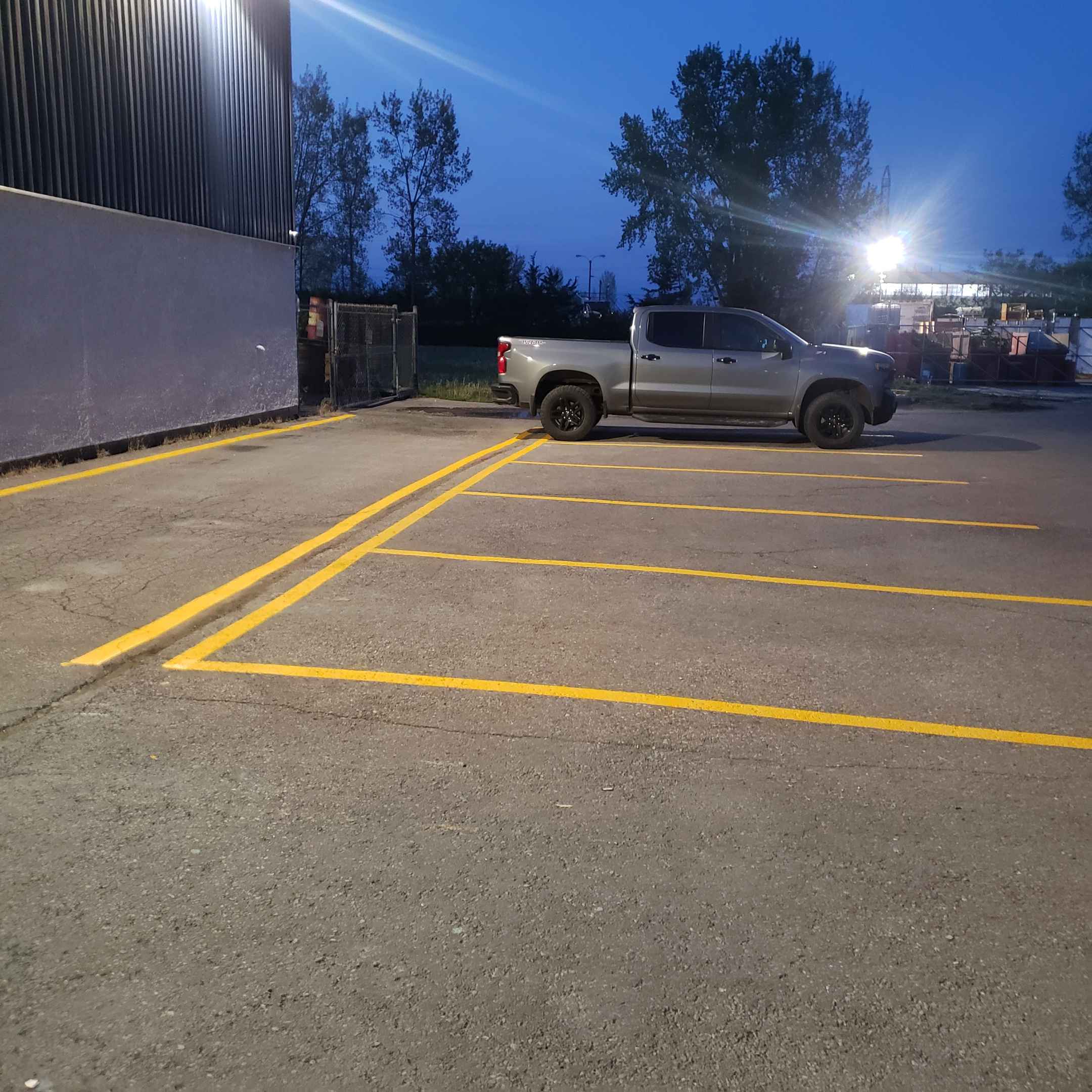
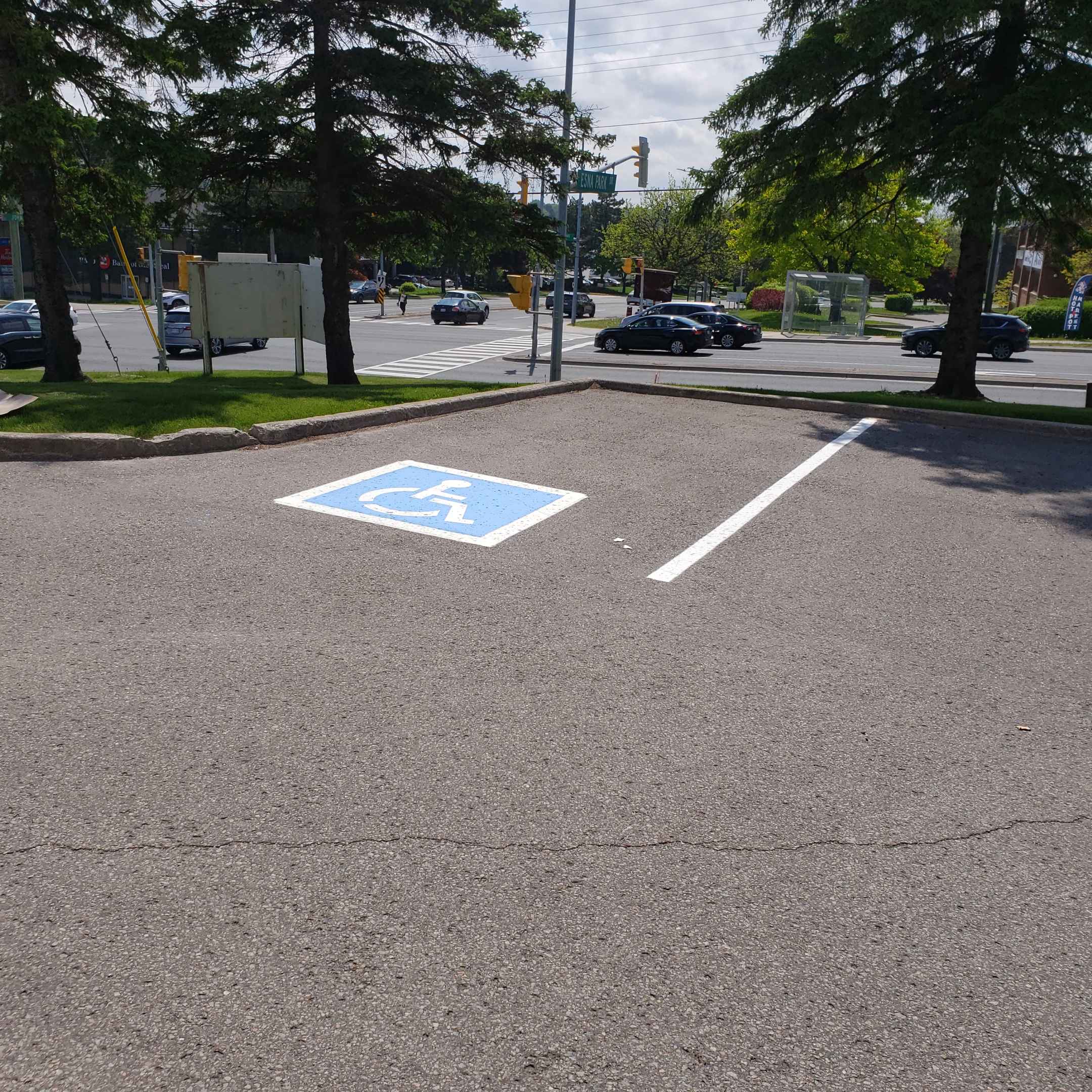
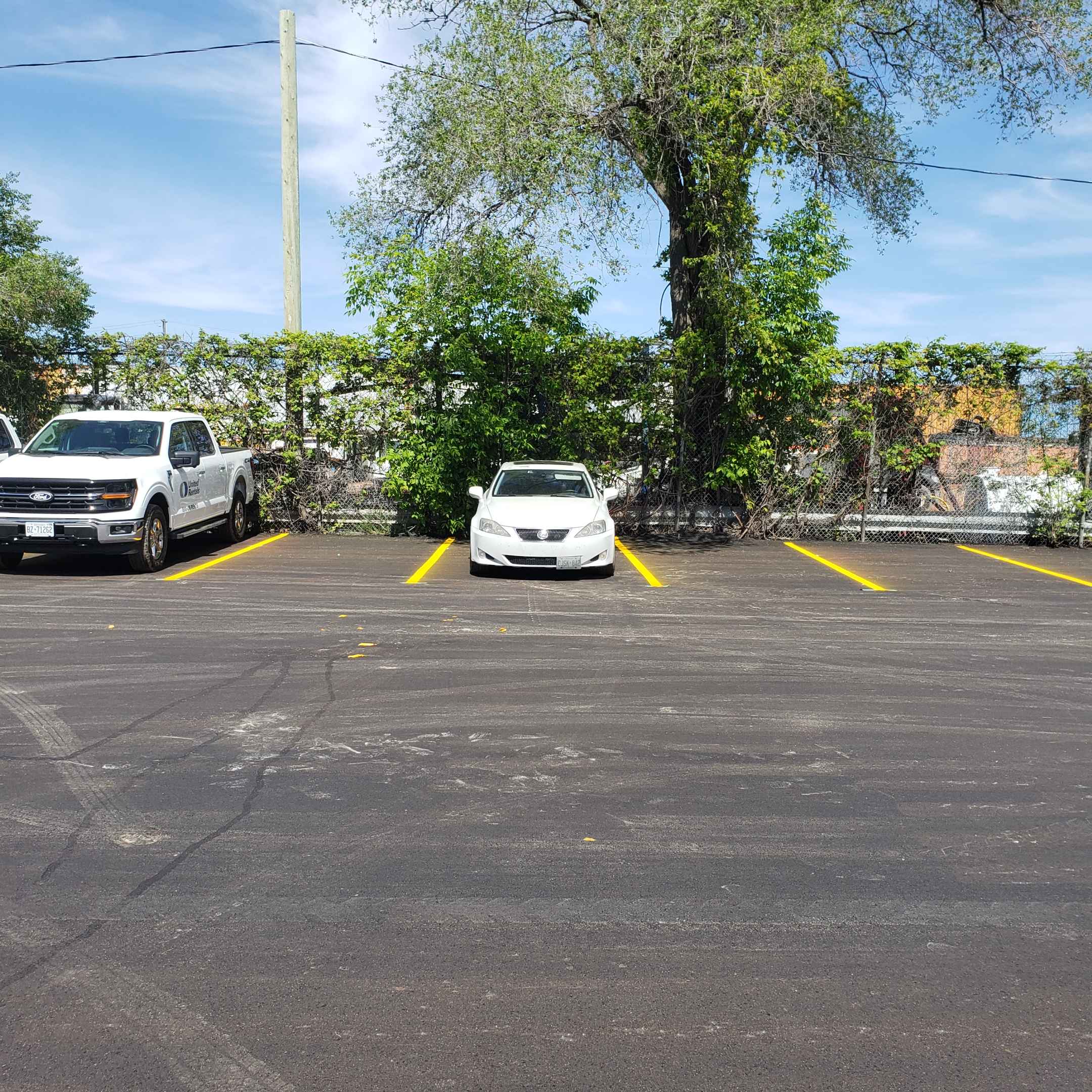
Once your cracks are filled and your surface is stabilized, the next step in professional property management is aesthetic and functional clarity. After the structural work is complete, applying fresh Line Marking is essential for traffic flow and safety. A well-maintained, crack-free lot provides the perfect canvas for crisp, high-visibility lines.
Capital Parking Lot Line Painting specializes in providing a complete package of services. By combining structural crackfilling with professional Line Painting, you ensure that your property is not only durable but also looks professional and inviting to customers.
Don't Wait for the Damage to Spread
Ignoring small cracks is the most expensive mistake a property manager can make. What starts as a minor maintenance task can quickly evolve into a full-scale repaving project. Regular inspections and professional intervention are the most cost-effective ways to manage your asphalt assets.