How to Integrate Accessible Parking Symbols Properly
Ensuring accessibility in your parking facilities is more than just a legal requirement; it is a commitment to inclusivity and community safety.
The Importance of Accessible Parking Design
In a bustling community like Oakville, one of the top 30 cities in Ontario, accessibility is a cornerstone of urban functionality. As businesses grow and public spaces expand, the demand for well-designed, easy-to-navigate parking lots becomes critical. Integrating accessible parking symbols is a key component of this design process.
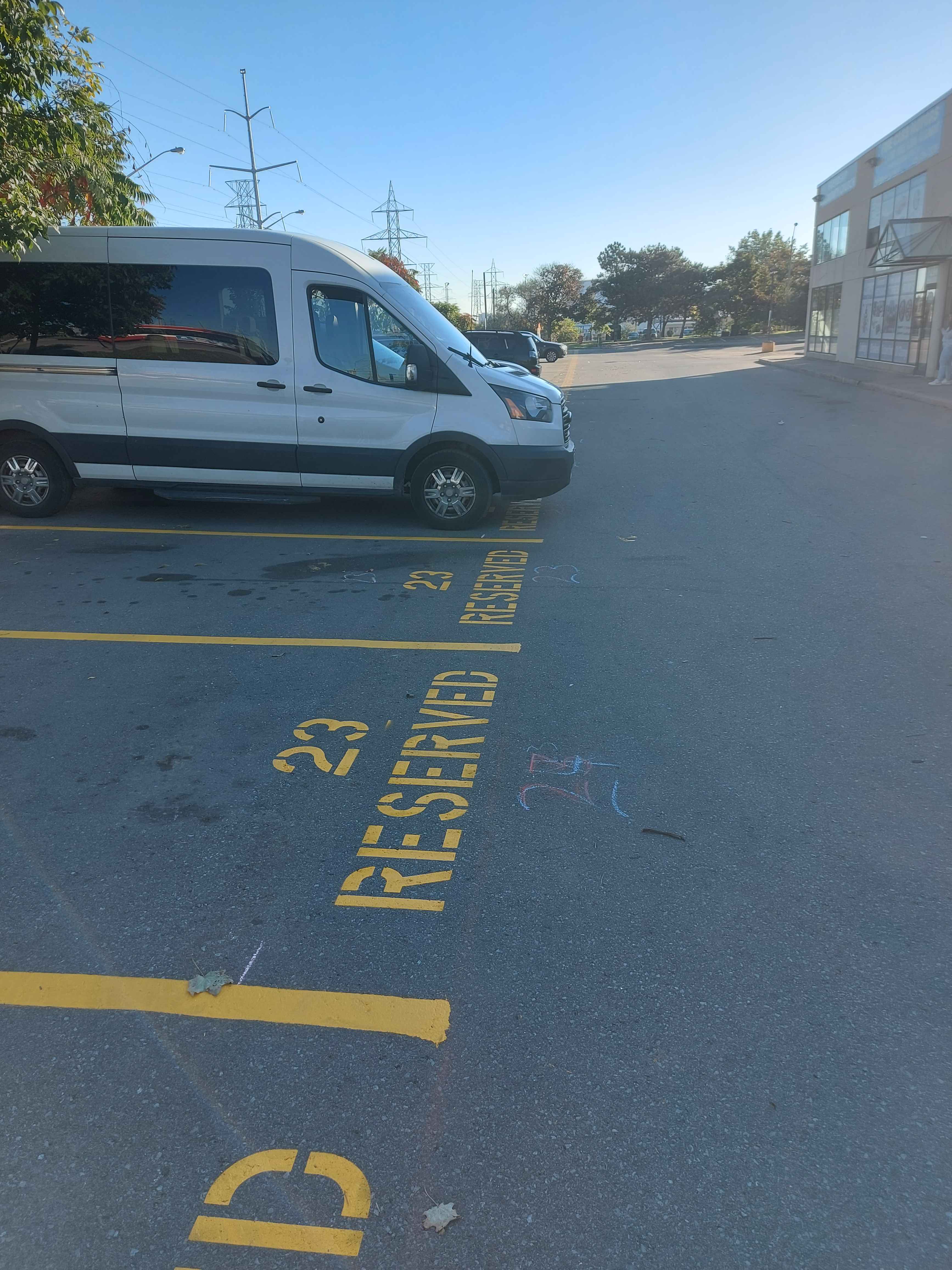
Properly marked accessible spaces ensure that individuals with disabilities can navigate commercial properties with dignity and ease. When symbols are faded, misplaced, or poorly executed, it creates confusion and potential hazards. This is why working with experts like Capital Parking Lot Line Painting is essential to ensure your facility meets both aesthetic and functional standards.
Key Components of Accessible Symbol Integration
Integrating these symbols requires more than just slapping paint on the ground. It requires precision, adherence to local regulations, and high-quality materials. Here are the core elements that must be considered during the line marking process:
1. The International Symbol of Access (ISA)
The most recognizable element is the wheelchair symbol. This symbol must be clearly visible and large enough to be identified from a distance. It is typically painted in white or blue, depending on local jurisdictional standards and the overall design of the lot.
2. The Access Aisle
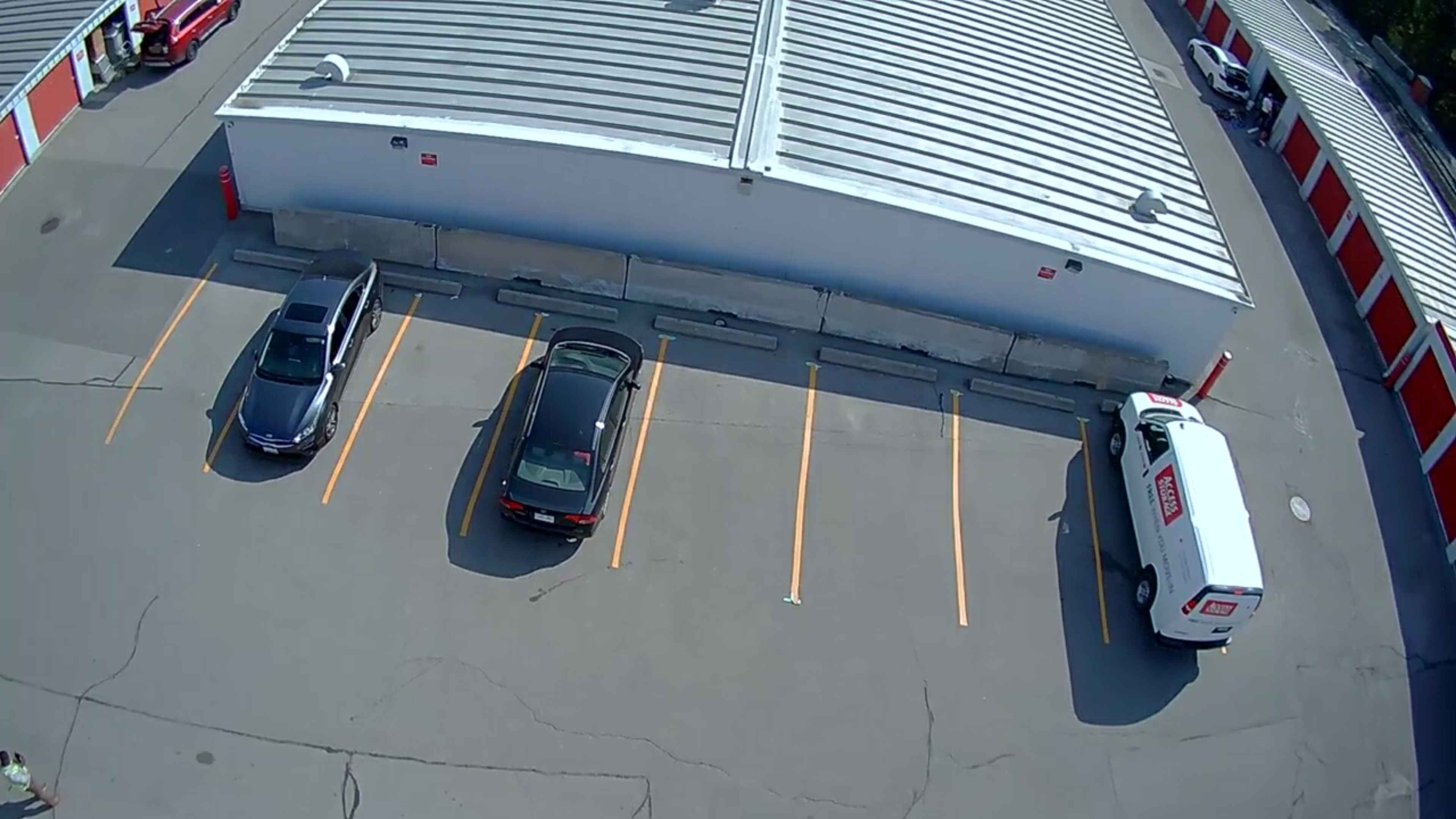
An accessible spot is only useful if there is enough room to maneuver. The access aisle—the striped area adjacent to the parking stall—is crucial for wheelchair deployment. Capital Parking Lot Line Painting emphasizes that the width and length of these aisles must be strictly maintained to prevent obstruction.
3. High-Contrast Colors
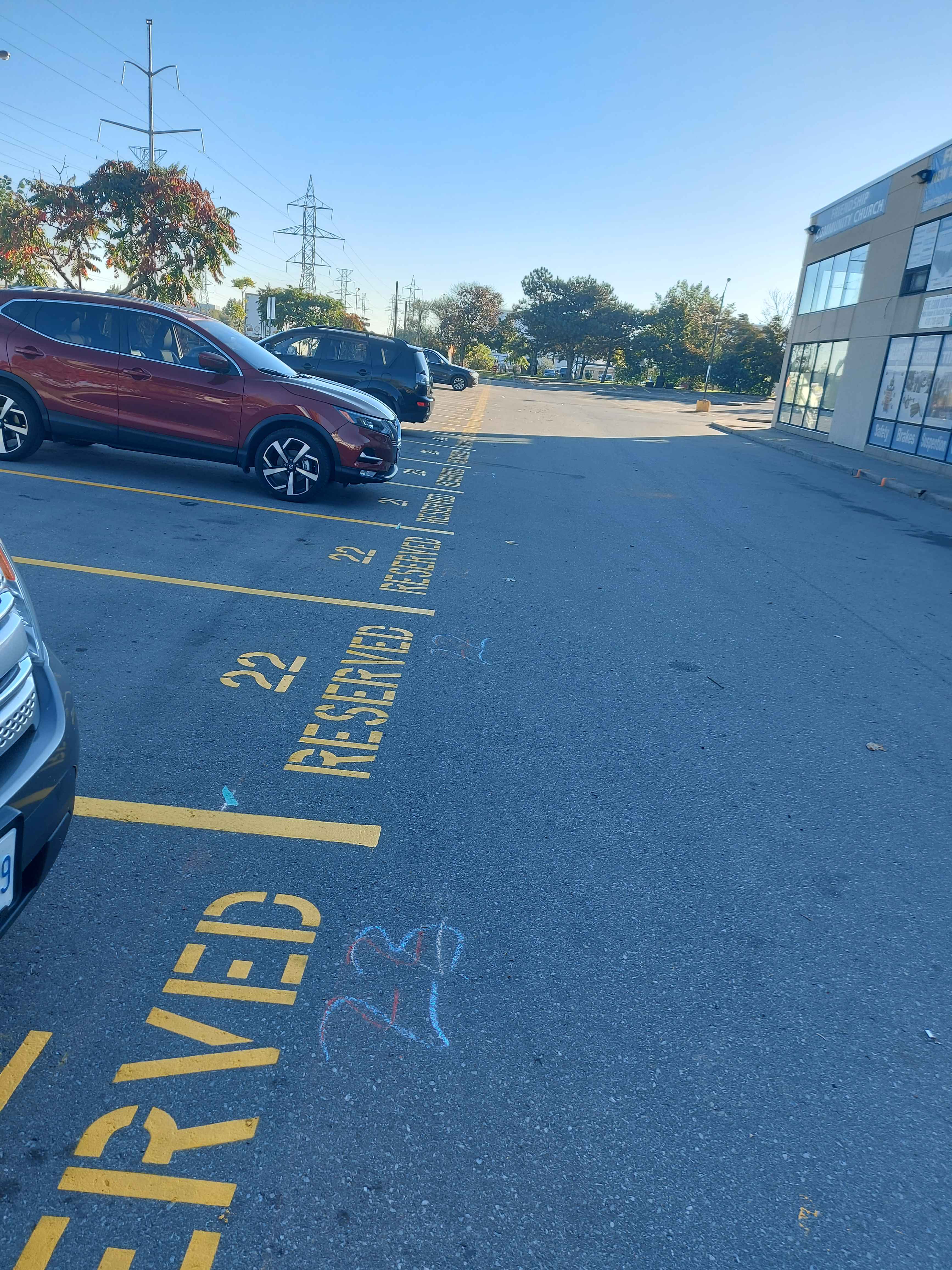
Visibility is the primary goal. Using high-contrast colors ensures that the symbols stand out against the asphalt. This is particularly important in regions like Oakville, where weather conditions can vary, and visibility may be reduced during rain or snow.
Common Mistakes to Avoid
Many property managers overlook the nuances of line painting, leading to costly corrections later. Avoid these common pitfalls:
- Using low-quality paint that fades quickly under UV exposure.
- Incorrect placement of symbols that overlap with stall boundaries.
- Neglecting the access aisle, making the spot unusable for larger mobility devices.
- Inconsistent markings that don't match the rest of the lot's design.
- Failing to update markings as part of a regular maintenance schedule.
The Professional Approach to Line Marking
When you choose a professional service like Capital Parking Lot Line Painting, you are investing in longevity and compliance. Professional line marking involves several technical steps that DIY or low-tier services often skip:
Surface Preparation
Before any paint is applied, the surface must be cleaned of oil, dirt, and debris. If the surface isn't prepared, the paint will not bond correctly, leading to premature peeling.
Precision Layout
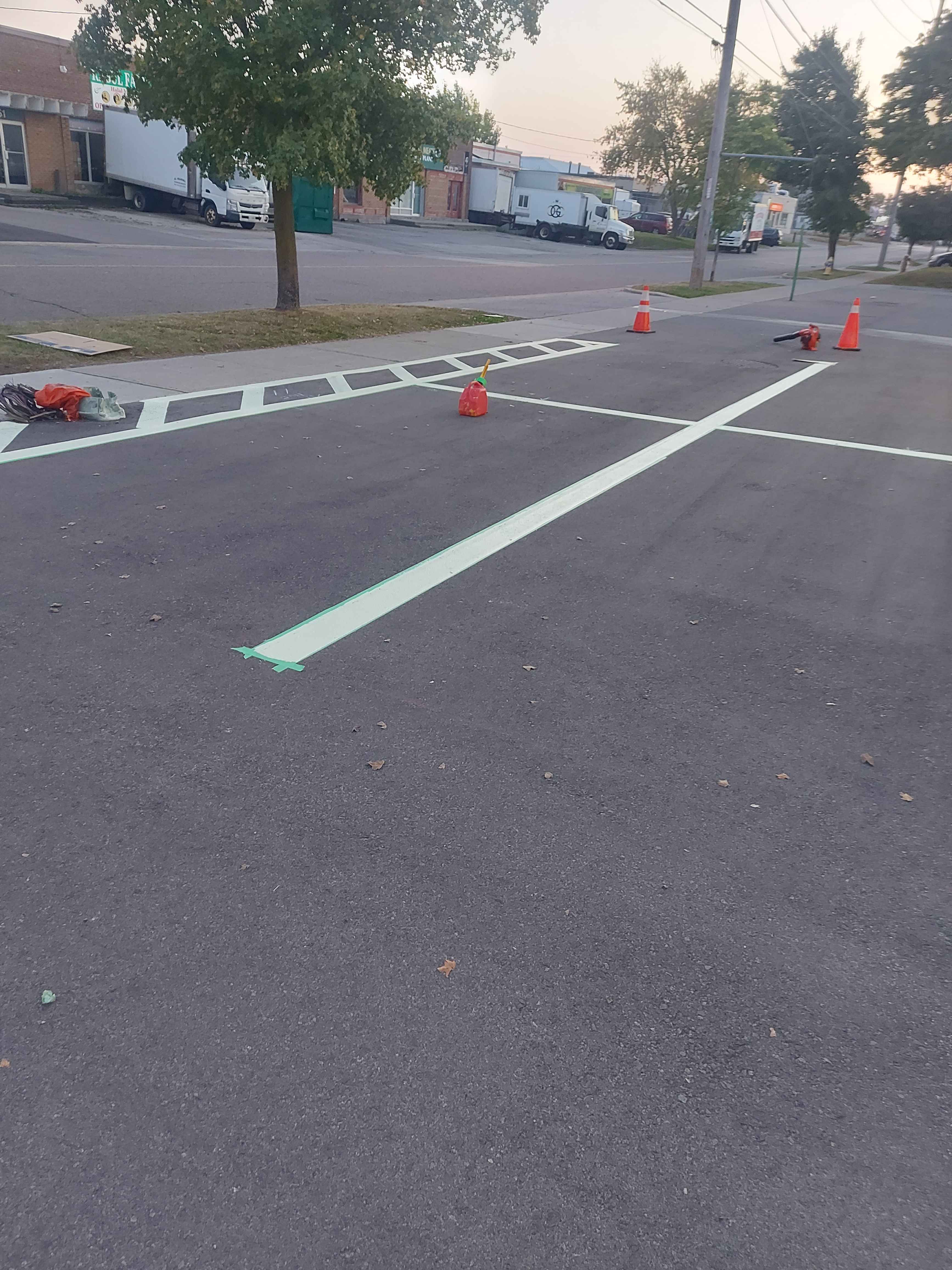
Using professional-grade templates and measuring tools ensures that every symbol is perfectly centered and every aisle is the correct width. This level of precision is what separates a standard lot from a high-quality, compliant facility.
Material Selection
Not all paints are created equal. Professionals use heavy-duty, traffic-grade coatings designed to withstand the friction of tires and the harsh Canadian climate.
Ready to Upgrade Your Parking Lot?
Don't wait for a compliance issue to arise. Ensure your property is safe, accessible, and professional with the help of Capital Parking Lot Line Painting. Our team specializes in high-quality line painting services tailored to your specific needs.