Crackfilling vs. Patching: Which Should You Do First?
Understanding the sequence of asphalt maintenance is the difference between a decade of durability and a premature, costly reconstruction.
If you manage a commercial property or a large residential complex, you know that asphalt is constantly under siege. Between the freeze-thaw cycles common in a top 30 city like Markham and the heavy weight of vehicle traffic, your pavement is always changing. When you notice cracks or potholes appearing, the immediate instinct is to fix them. However, the most common question we receive at Capital Parking Lot Line Painting is: "Do I fill the cracks first, or do I patch the holes first?"
The answer isn't just about preference; it is about the physics of asphalt preservation. Performing these tasks in the wrong order can actually accelerate the deterioration of your surface.
Understanding the Two Pillars of Maintenance
Before we dive into the order of operations, we must define exactly what these two processes entail. They are not interchangeable services, though they work toward the same goal: extending the life of your pavement.
What is Crackfilling?
Crackfilling is a preventative maintenance technique. It involves cleaning out existing cracks and injecting a hot-poured rubberized sealant into them. The goal is to create a waterproof barrier that prevents water from seeping into the sub-base. When water gets under your asphalt and freezes, it expands, causing the pavement to heave and break apart.
What is Asphalt Patching?
Patching is a reactive repair technique. It is used when the structural integrity of the asphalt has already failed, resulting in potholes or deep depressions. Patching involves removing the failed material and replacing it with new asphalt to restore a level driving surface. At Capital Parking Lot Line Painting, we view patching as a way to stop a small problem from becoming a massive structural failure.
The Golden Rule: Patch First, Crackfill Second
If you are looking for a definitive answer, here it is: Always perform patching before crackfilling.
Imagine you have a large pothole in the middle of your parking lot, and several long cracks radiating away from it. If you decide to crackfill the area first, you are essentially sealing the "skin" of the pavement while the "bones" are still broken. As vehicles drive over the unstable pothole, the vibrations and shifting will cause the newly filled cracks to pull apart almost immediately. You will essentially be throwing your sealant money down the drain.
By patching first, you stabilize the foundation. Once the potholes are filled and the surface is level, you can then proceed to seal the remaining cracks to ensure no new water enters the system. This sequence ensures that your maintenance investment is protected.
Why the Sequence Matters for Markham Property Owners
In a bustling area like Markham, the weather can be incredibly unforgiving. The rapid transition from freezing winters to humid summers creates a constant cycle of expansion and contraction. If your maintenance schedule is disorganized, you risk losing the battle against the elements.
Common Mistakes to Avoid
- Ignoring the Sub-base: Trying to crackfill over an area that is already sinking.
- Delaying Patching: Waiting too long to fix a pothole, which allows water to erode the soil underneath.
- Improper Cleaning: Applying sealant to dirty or moss-filled cracks, which prevents a proper bond.
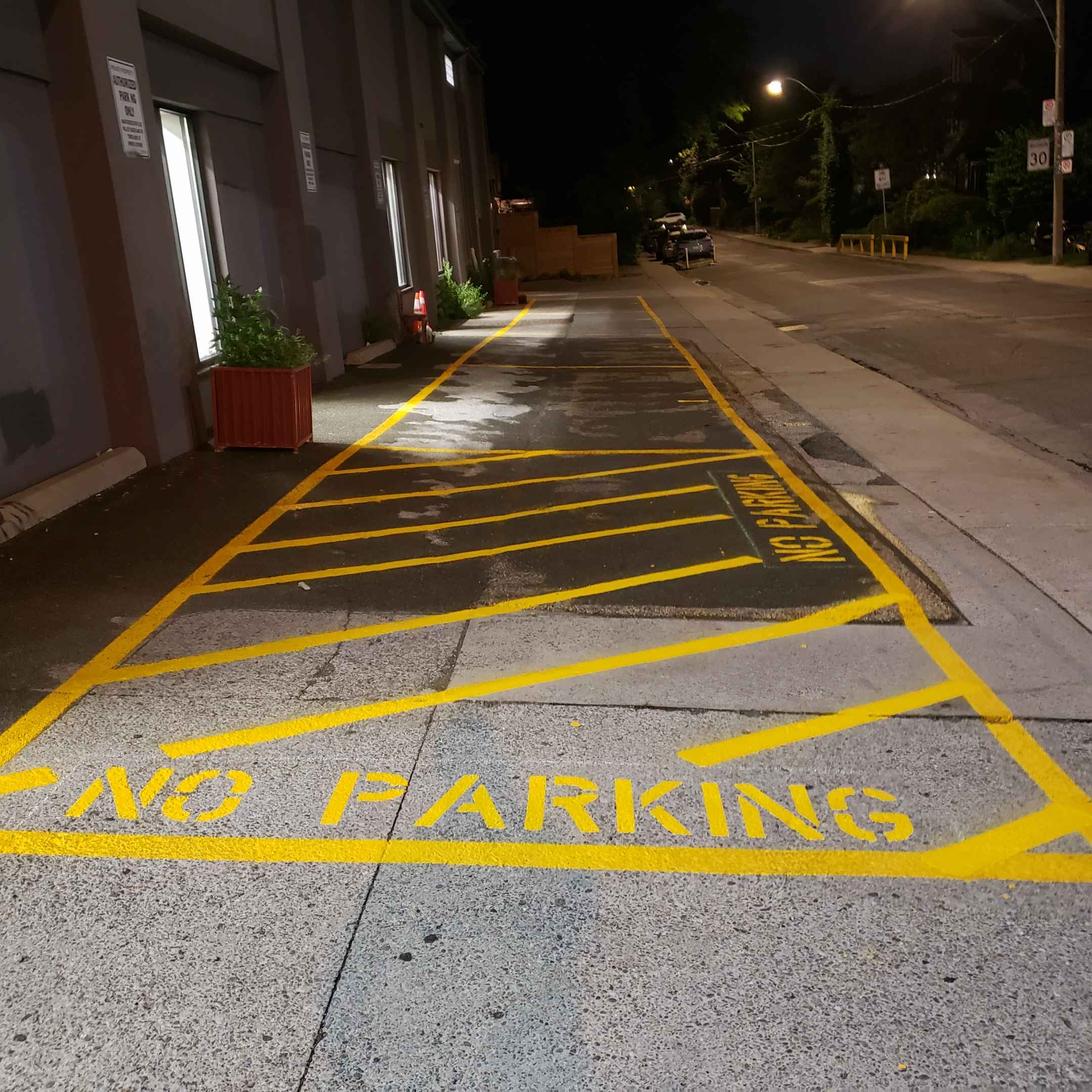
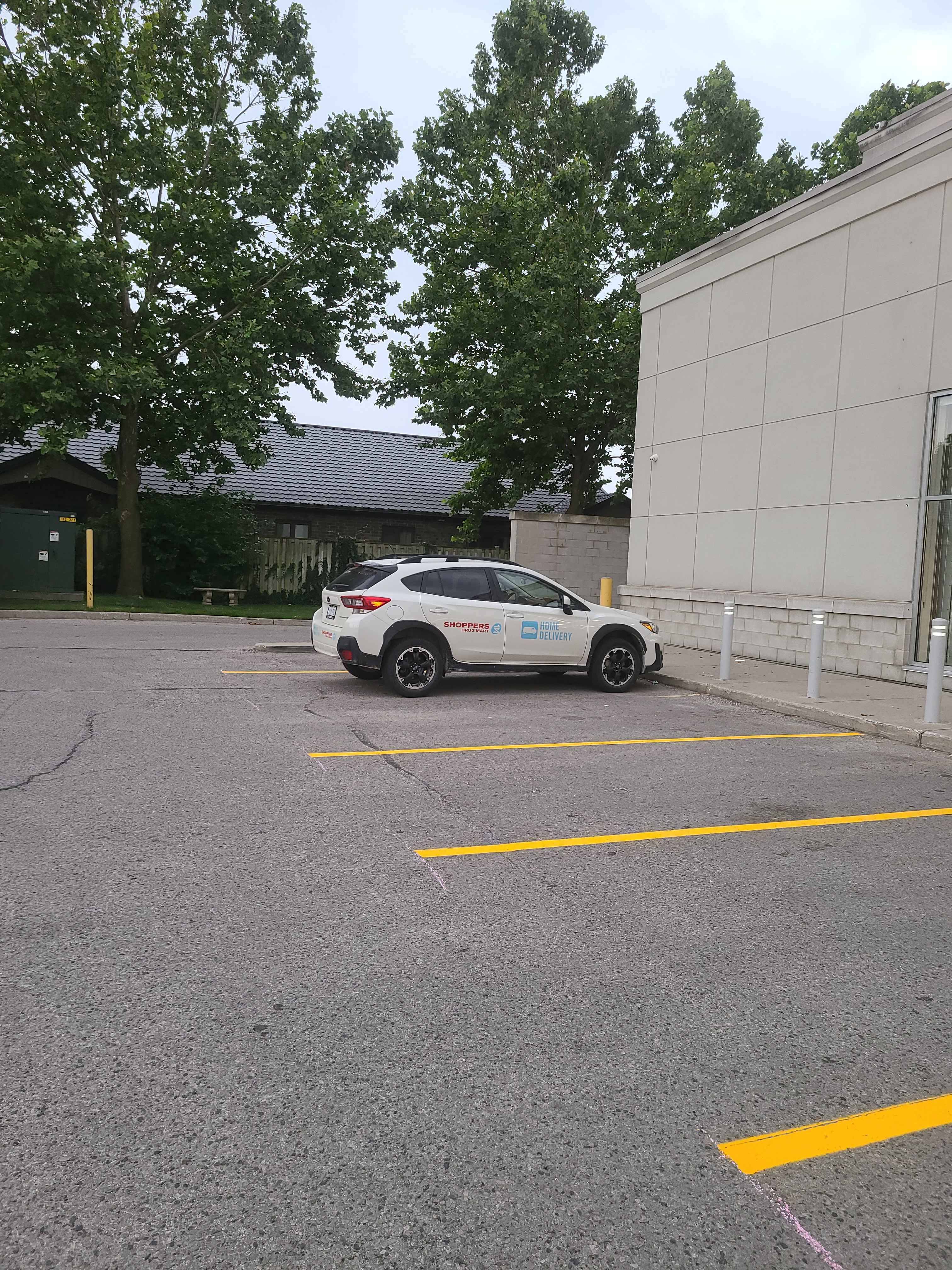
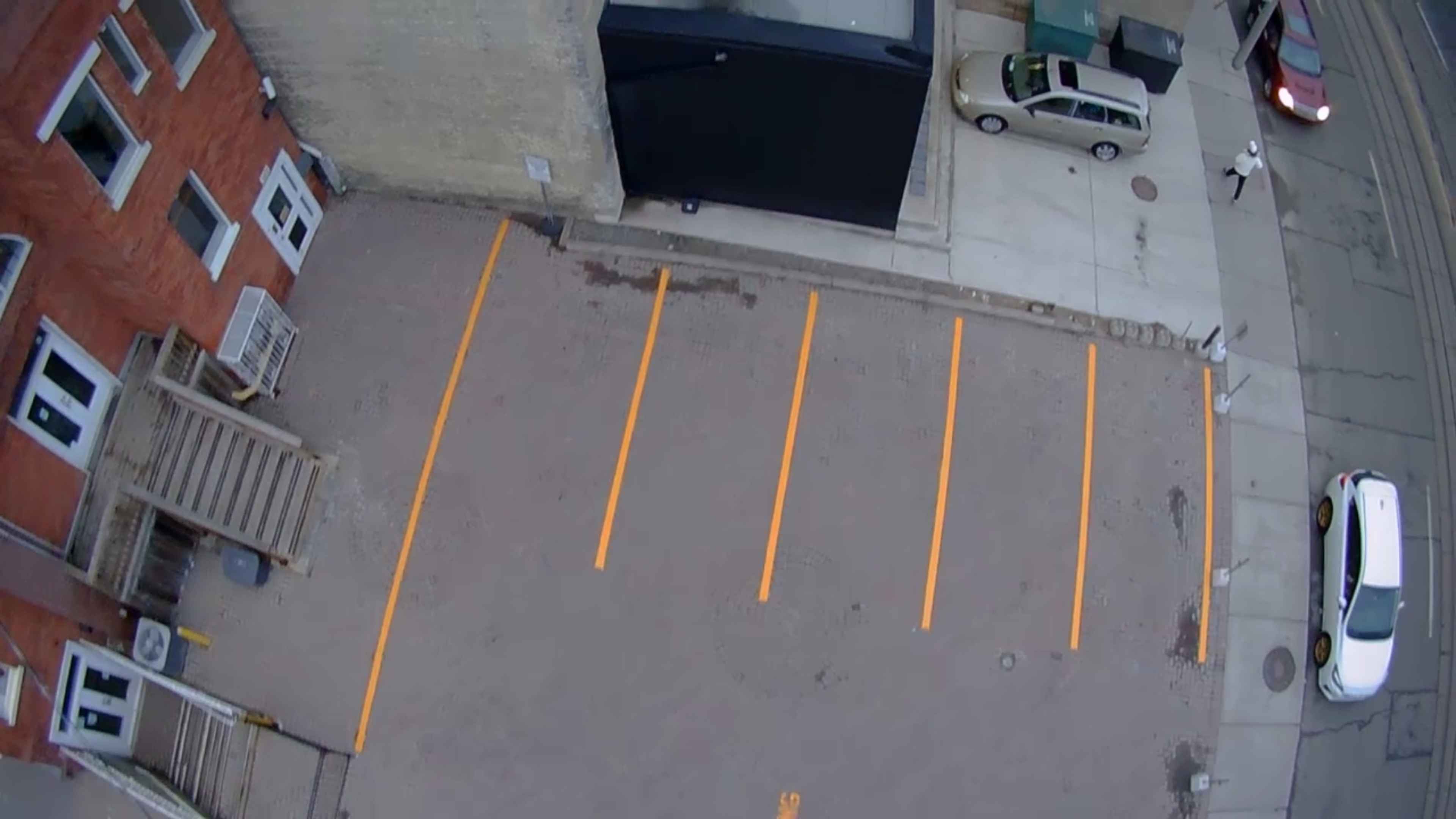
- Neglecting Line Marking: Failing to refresh your Line Marking after repairs, which can lead to traffic safety issues.
A Comprehensive Maintenance Workflow
To get the most out of your parking lot, we recommend a professional approach that follows this logical progression:
- Inspection: A thorough assessment of cracks, potholes, and drainage issues.
- Structural Repair (Patching): Filling potholes and stabilizing failed sections of the asphalt.
- Crack Sealing: Injecting high-quality sealant into all cracks to prevent water infiltration.
- Sealcoating: Applying a protective layer over the entire surface to shield against UV rays and oil.
- Line Marking: Refreshing your parking stalls and directional arrows to ensure safety and compliance.
At Capital Parking Lot Line Painting, we specialize in this entire lifecycle, ensuring that your pavement is not just repaired, but protected for the long haul.
Visualizing the Difference
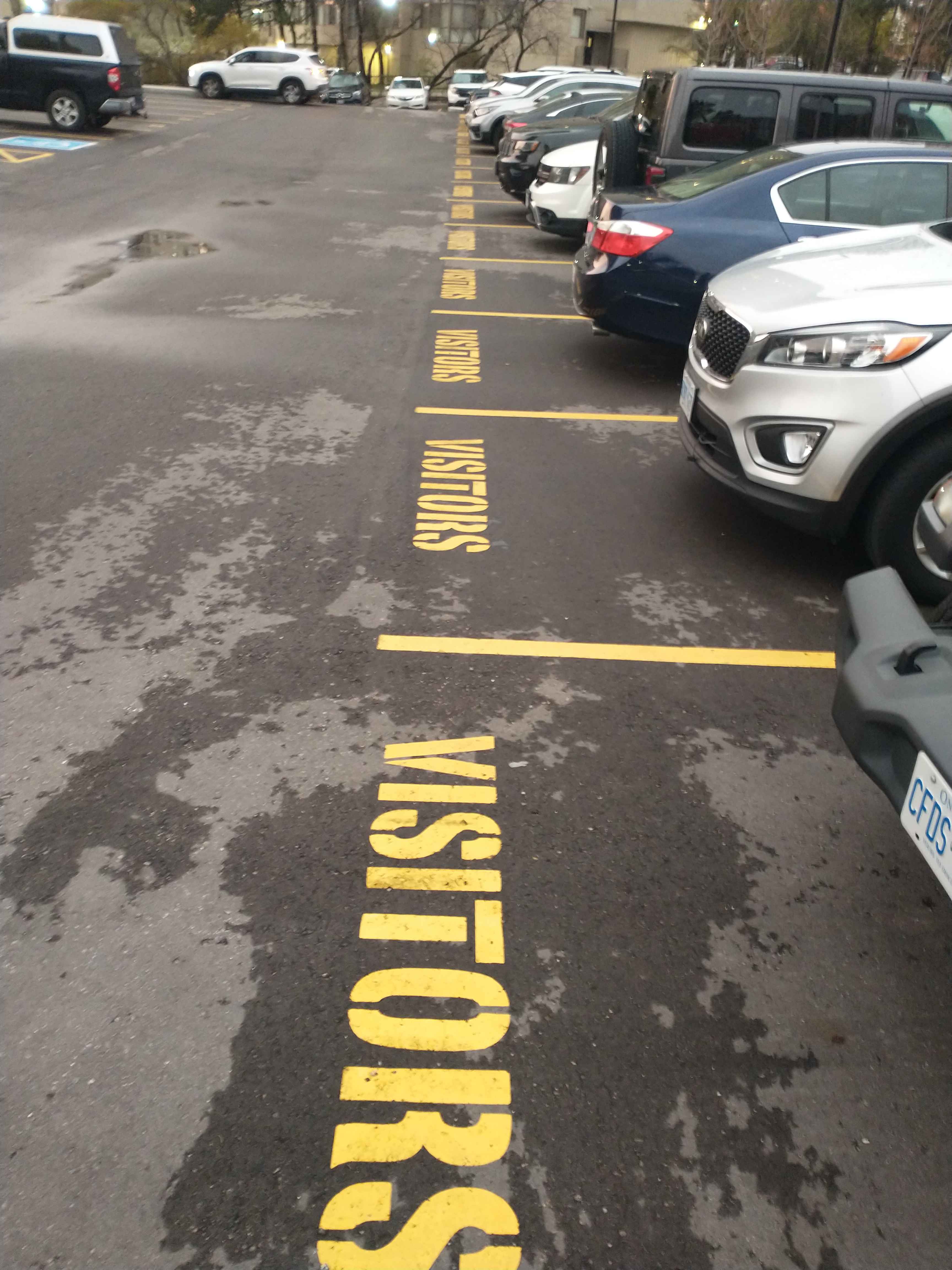
As seen in the image above, a well-maintained surface is smooth, uniform, and free of deep fissures. When maintenance is done in the correct order, the transition between old and new asphalt becomes seamless, creating a professional appearance that enhances your property's curb appeal.