How Moisture Infiltration Worsens Unsealed Cracks
Small cracks in your parking lot might seem like minor cosmetic issues, but they are actually gateways for destruction. Understanding the science of moisture infiltration is the first step toward protecting your asphalt investment.
The Silent Threat: Understanding Moisture Infiltration
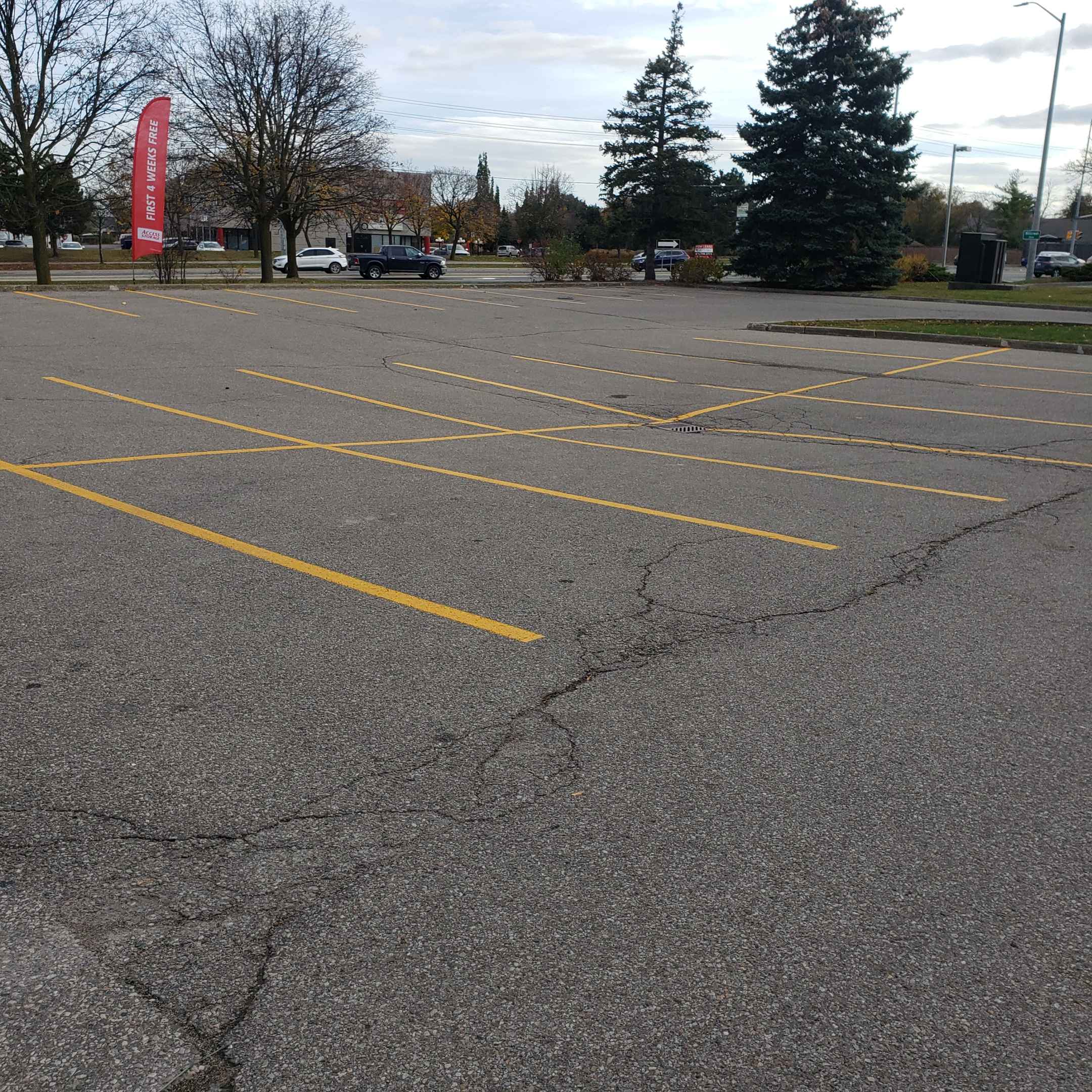
Asphalt is a durable material, but it is not invincible. One of the most significant threats to the structural integrity of any parking lot or driveway is water. When cracks appear—whether due to age, heavy traffic, or thermal expansion—they create a direct pathway for water to enter the sub-base of your pavement.
In a city like Markham, where seasonal weather shifts can be extreme, the presence of water within the pavement structure is particularly dangerous. When moisture infiltrates the base layers, it begins to weaken the foundation that supports the asphalt surface. Once the foundation is compromised, the surface layer loses its ability to distribute weight, leading to rapid deterioration.
The Freeze-Thaw Cycle: An Engine of Destruction
For property owners in Ontario, the freeze-thaw cycle is the primary driver of asphalt failure. This process works in a devastating loop:
- Infiltration: Liquid water enters unsealed cracks during rain or snowmelt.
- Expansion: As temperatures drop, the trapped water freezes and expands by approximately 9% in volume.
- Pressure: This expansion exerts immense upward pressure on the surrounding asphalt, widening the crack from the inside out.
- Structural Collapse: When the ice melts, it leaves behind a void in the sub-base, leading to depressions and eventually potholes.
Capital Parking Lot Line Painting specializes in identifying these early warning signs before the freeze-thaw cycle turns a small crack into a massive structural failure.
Don't Wait for the Potholes to Appear
By the time a pothole forms, the damage is already deep within your sub-grade. Proactive crack sealing is a fraction of the cost of a full asphalt overlay or reconstruction.
Common Mistakes in Parking Lot Maintenance
Many property managers attempt to handle minor issues themselves or overlook them entirely, thinking the asphalt will "hold up." However, improper maintenance can actually accelerate damage. Avoid these common pitfalls:
- Using Incorrect Sealants: Using DIY products that don't bond correctly to the asphalt can actually trap moisture inside the crack.
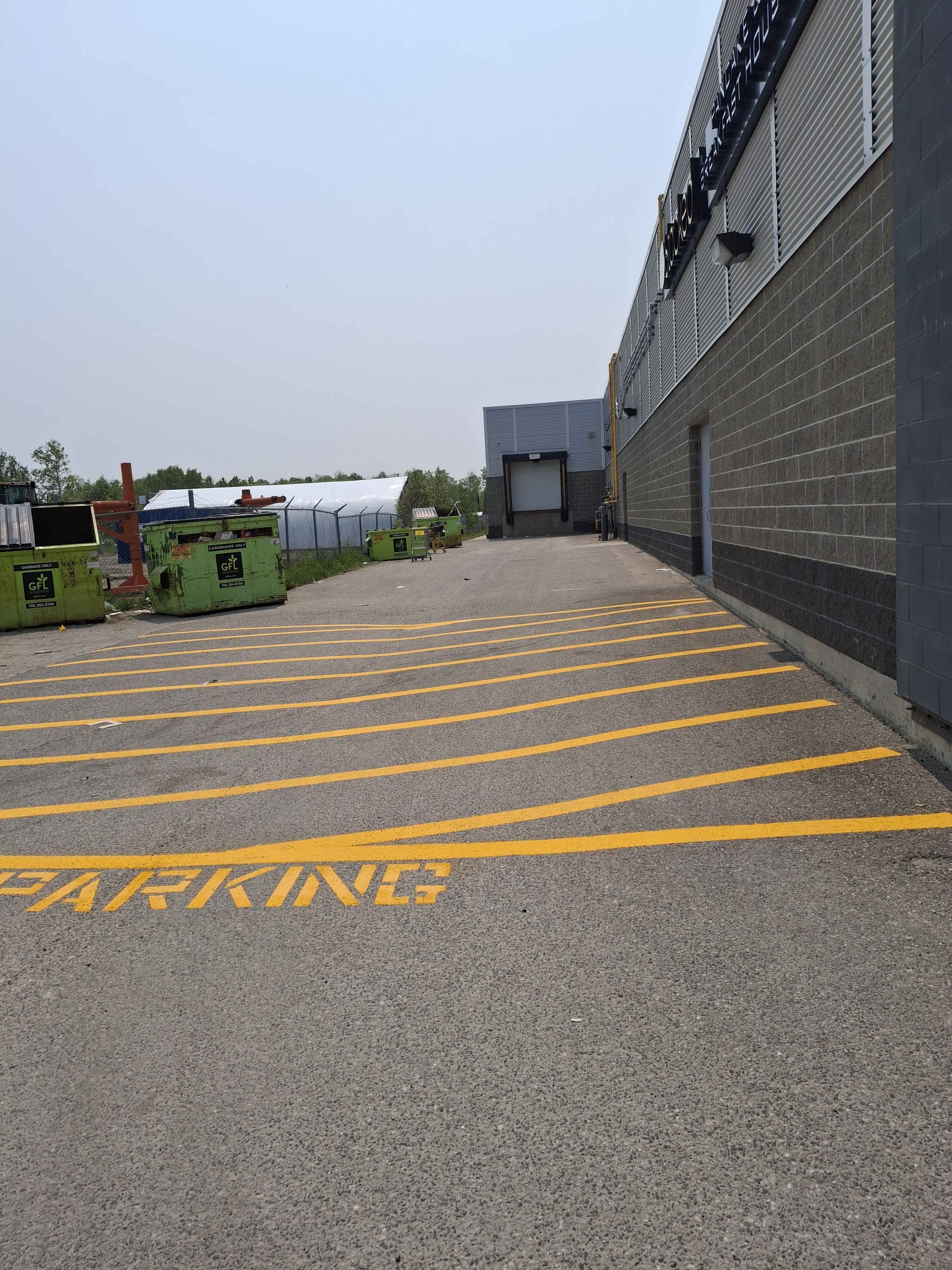
- Neglecting Line Marking: While Line Marking is often seen as a purely aesthetic task, crisp and clear lines help define traffic patterns, reducing unnecessary stress on certain areas of the pavement.
- Ignoring Small Cracks: A crack that is only 1/4 inch wide can become a major issue within a single season if left unsealed.
- Delaying Professional Inspections: Regular assessments by experts like Capital Parking Lot Line Painting ensure that issues are caught in the preventative stage.
The Importance of Professional Intervention
When moisture infiltration is detected, professional remediation is required. This goes beyond simply "filling a hole." A professional approach involves cleaning the crack of all debris, ensuring the area is dry, and applying a high-quality, flexible sealant that can move with the pavement during temperature fluctuations.
Furthermore, maintaining the visual clarity of your lot through professional Line Painting ensures that your property looks well-managed and professional. A clean, well-marked lot with no visible cracks sends a message of quality and safety to your clients and visitors in Markham.
Conclusion: Protect Your Investment
The cost of inaction is always higher than the cost of maintenance. Moisture infiltration is a silent, invisible force that works 24/7 to dismantle your asphalt. By investing in regular crack sealing and professional Line Painting, you extend the lifespan of your pavement and avoid the massive headache of emergency repairs.
Trust the experts at Capital Parking Lot Line Painting to keep your surfaces dry, stable, and looking their best for years to come.