How Often Should Temporary Construction Zones Be Repainted?
Ensuring safety and clarity in high-traffic construction environments through timely line marking maintenance.
In the fast-paced urban environments of Ontario, construction is a constant sign of growth and development. Whether it is a major road overhaul or a localized utility repair, temporary construction zones introduce a layer of complexity to traffic management. One of the most overlooked yet vital components of these zones is the clarity of the pavement markings. When lines fade, crack, or become obscured by debris, the risk of accidents increases exponentially.
At Capital Parking Lot Line Painting, we understand that temporary markings serve a much higher purpose than simple aesthetics; they are critical safety tools that guide drivers, pedestrians, and workers through shifting landscapes. But the question remains: how often should these markings be refreshed?
Factors Influencing Repainting Frequency
There is no "one size fits all" answer to how often line marking needs to be refreshed. The lifecycle of temporary paint is significantly shorter than permanent markings, and several variables dictate when you need to call in the professionals.
1. Traffic Volume and Weight
The sheer amount of friction caused by vehicle tires is the primary enemy of fresh paint. In a bustling hub like Mississauga, where heavy-duty trucks and high volumes of commuter vehicles pass through construction corridors daily, the abrasive force can wear down line marking much faster than in residential side streets. Heavy machinery used within the construction site also contributes to the rapid degradation of the surface.
2. Environmental and Weather Conditions
Ontario weather is notoriously harsh. The freeze-thaw cycles, heavy rainfall, and the use of road salt during winter months can chemically and physically break down the bond between the paint and the pavement. If your construction zone is exposed to significant moisture or extreme temperature swings, the interval between repainting sessions will naturally decrease.
3. Material Quality
Not all line marking products are created equal. The type of paint used—whether it is water-based, oil-based, or thermoplastic—will determine how long it stands up to the elements. Working with an expert like Capital Parking Lot Line Painting ensures that the materials selected are appropriate for the specific intensity of the construction zone.
The Risks of Neglecting Line Marking
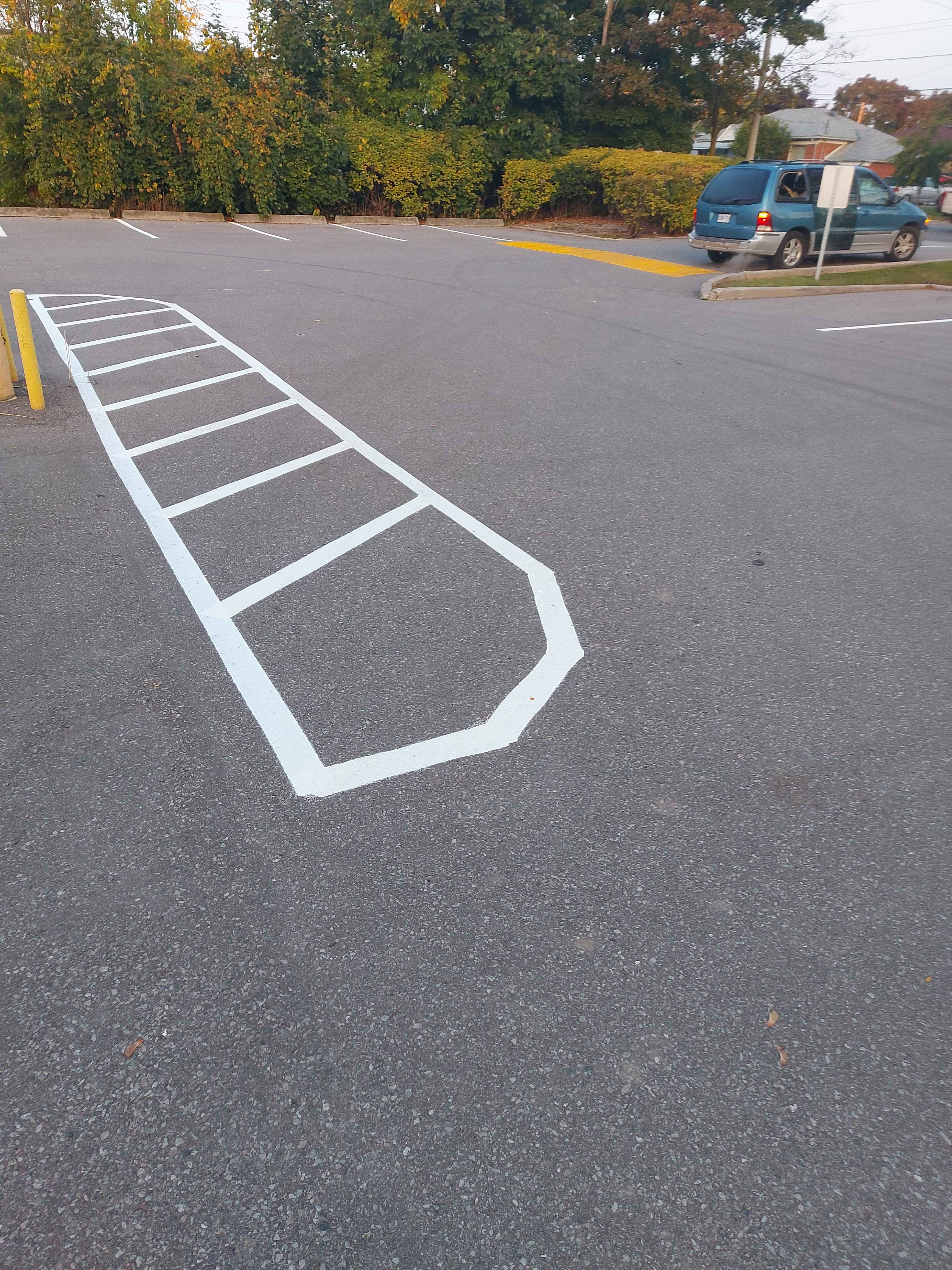
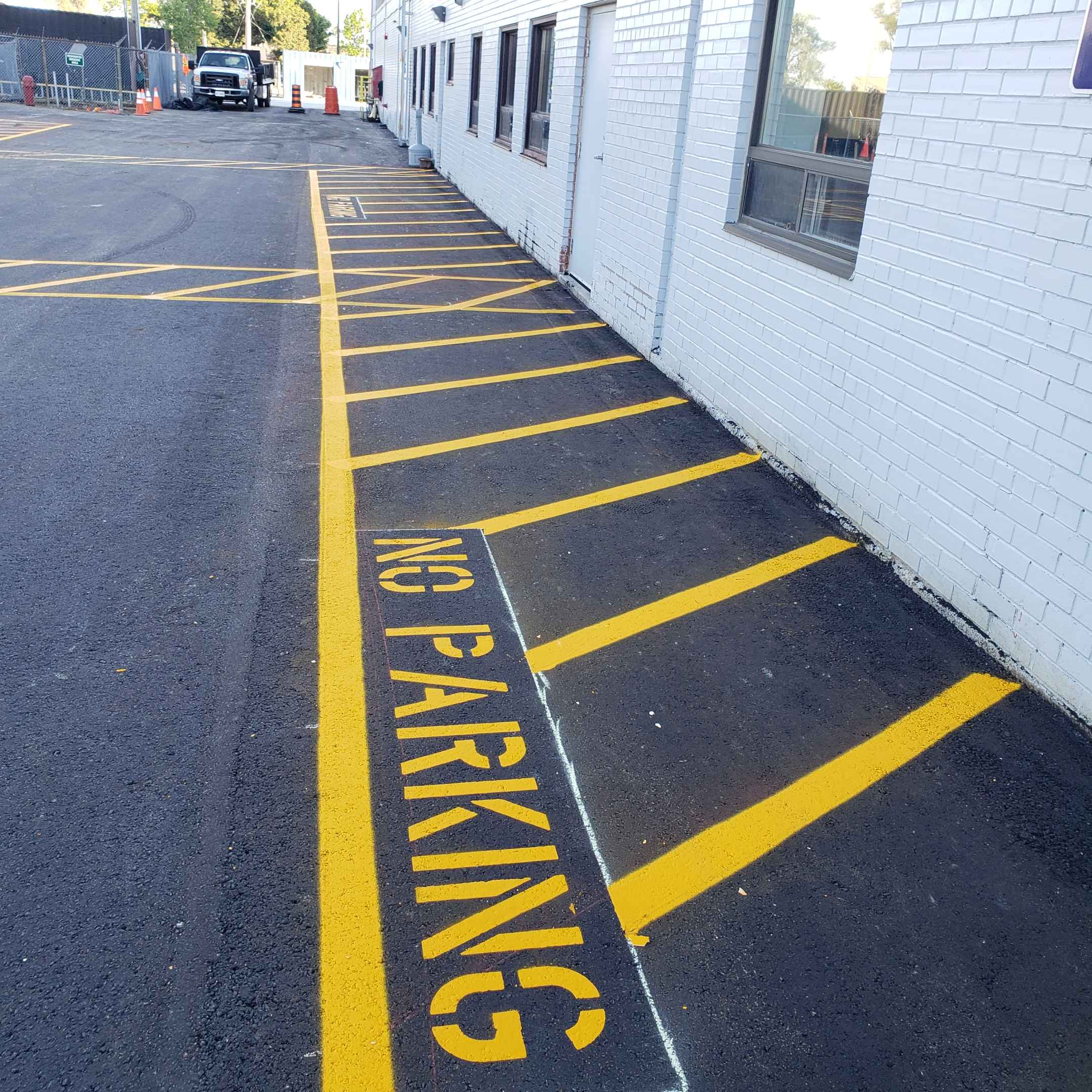
Delaying the repainting of temporary zones is more than just a maintenance oversight; it is a liability risk. When markings become illegible, the following issues often arise:
- Driver Confusion: Unclear lane boundaries can lead to sudden lane changes or wrong-way driving.
- Increased Accident Rates: Poor visibility at junctions or taper points significantly increases the likelihood of collisions.
- Worker Vulnerability: Construction crews rely on clear boundaries to separate themselves from live traffic.
- Regulatory Non-Compliance: Local municipalities in Mississauga have strict safety standards that must be met to avoid fines and project delays.
Best Practices for Maintenance Scheduling
To maintain a safe environment, project managers should implement a proactive inspection schedule rather than a reactive one. Instead of waiting for the lines to disappear completely, aim for a visual audit every two to four weeks depending on the intensity of the work.
During these audits, look for:
- Fading or "ghosting" of previous markings.
- Chipping or peeling caused by heavy equipment.
- Accumulation of dirt or gravel covering the lines.
- Cracking in the pavement that disrupts the continuity of the line.
When these signs appear, it is time to contact Capital Parking Lot Line Painting to restore the visibility and safety of your site.
Professional Precision Matters
Temporary construction zones require a level of agility and precision that standard painting services might not provide. The markings must be applied quickly to minimize traffic disruption while ensuring they are durable enough to last the duration of the project phase. Professional line marking ensures that your site remains compliant and, most importantly, safe for everyone involved.