How Often Should Temporary Construction Zones Be Repainted?
Navigating the complexities of construction site safety requires more than just barriers and cones; it requires clear, visible guidance for drivers and workers alike.
In the fast-paced world of urban development, temporary construction zones are a constant presence. Whether it is a major road expansion in a bustling hub like Ottawa or a local utility repair, these zones create a high-risk environment. One of the most overlooked yet critical elements of site safety is the visibility of temporary markings. When lines fade, the risk of accidents increases exponentially.
At Capital Parking Lot Line Painting, we understand that temporary line marking is not a "set it and forget it" task. Unlike permanent road markings, temporary lines are often subject to extreme wear and tear, shifting traffic patterns, and environmental stressors that demand a proactive maintenance schedule.
The Critical Role of Temporary Line Marking
Temporary line marking serves as the visual language of a construction site. It tells drivers where they can safely travel, where they must stop, and where they must avoid. In a high-stakes environment, the clarity of these markings can be the difference between a smooth transition and a chaotic collision.
When a construction project begins, the original road layout is often obscured or rendered obsolete. New paths must be established quickly. Using professional line marking ensures that these temporary paths are intuitive and compliant with safety standards.
Key Factors Influencing Repainting Frequency
There is no single "magic number" of months or weeks that applies to every project. Instead, several variables dictate how often you should call upon Capital Parking Lot Line Painting to refresh your temporary markings.
1. Traffic Volume and Intensity
The sheer amount of heavy machinery and vehicle traffic passing over the markings is the primary driver of wear. In a top 30 city in Ontario like Ottawa, construction zones often handle high volumes of commuter traffic alongside heavy construction vehicles. The friction from tires quickly erodes even high-quality paint.
2. Environmental and Weather Conditions
Weather plays a massive role in the longevity of line marking. Frequent rain, snow, and the use of de-icing salts can chemically and physically degrade the paint. If your construction zone is exposed to the harsh Canadian elements, you will likely need more frequent interventions.
3. Surface Material
The substrate upon which the line marking is applied matters significantly. Marking on fresh asphalt behaves differently than marking on aged concrete or temporary gravel surfaces. The adhesion quality determines how long the line stays crisp.
Signs It Is Time to Repaint
Don't wait for a safety incident to occur before taking action. Keep an eye out for these common indicators that your temporary markings are failing:
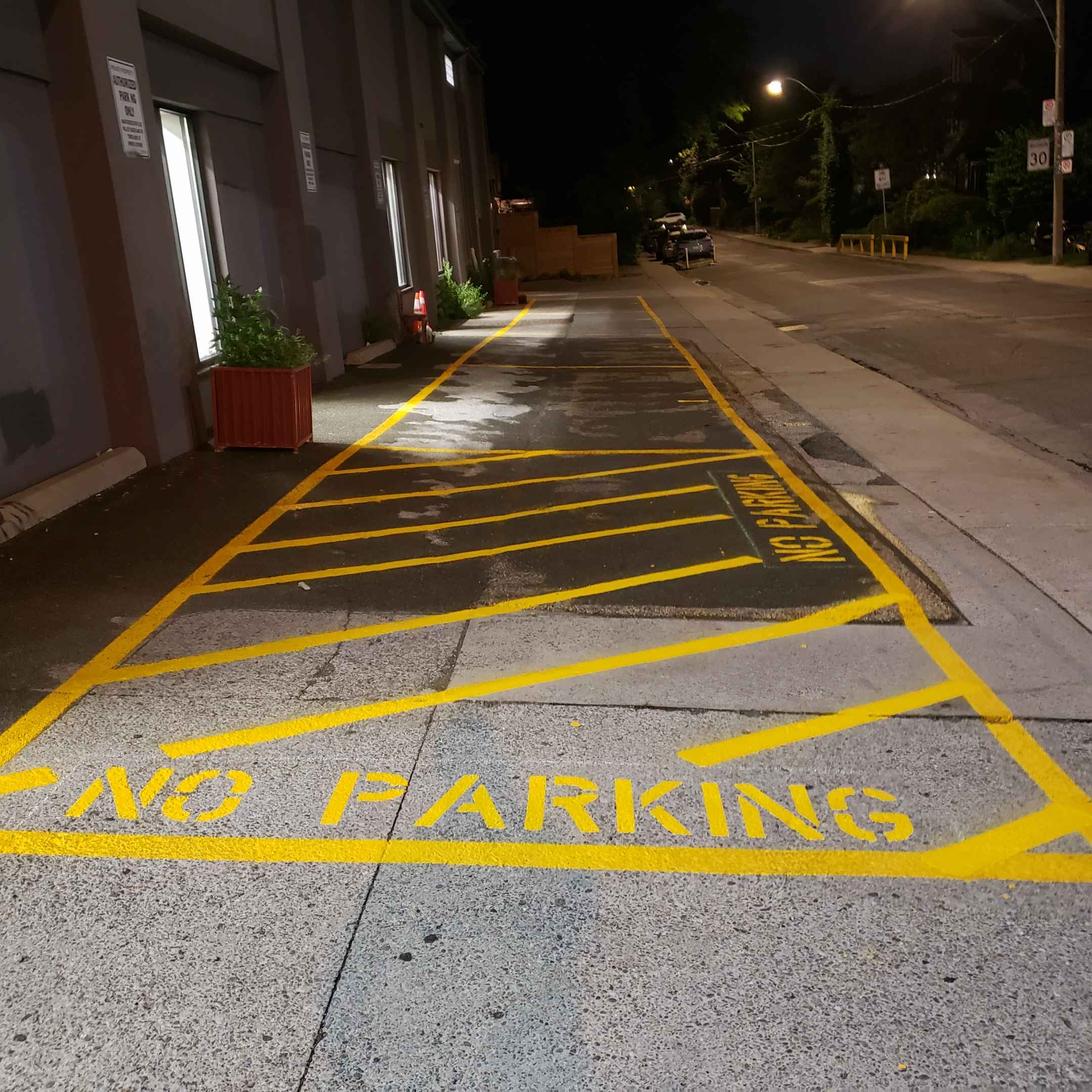
- Fading Color: When the bright yellow or white lines begin to look dull or grey.
- Cracking or Flaking: Physical breakdown of the paint layer due to tire friction.
- Loss of Reflectivity: If markings are difficult to see at night or during low-light conditions.
- Incomplete Lines: Gaps in the markings that can confuse drivers about lane boundaries.
- Smudging: Heavy tire tracks running through the lines, indicating the paint is no longer adhering.
Common Mistakes in Temporary Marking Management
Managing a construction site is difficult enough without having to worry about visibility issues. Avoid these common pitfalls:
Many project managers make the mistake of treating temporary line marking as a permanent solution. This leads to a false sense of security. Another mistake is neglecting the "re-marking" phase during project transitions. As a construction site evolves from excavation to paving, the markings must evolve with it. Capital Parking Lot Line Painting recommends a scheduled audit of all temporary markings every few weeks during high-intensity phases.
Conclusion: Prioritize Safety Through Visibility
Temporary construction zones are inherently unpredictable. By maintaining clear, high-contrast, and highly visible line marking, you reduce liability, increase worker safety, and ensure smoother traffic flow. Whether you are managing a small local project or a major infrastructure overhaul, regular maintenance is the key to success.
Need Professional Line Marking?
Ensure your site meets the highest safety standards with expert application and durable materials.