How Often Should Temporary Construction Zones Be Repainted?
Ensuring safety and clarity in high-traffic construction environments requires more than just caution; it requires visible, high-contrast guidance for drivers and pedestrians.
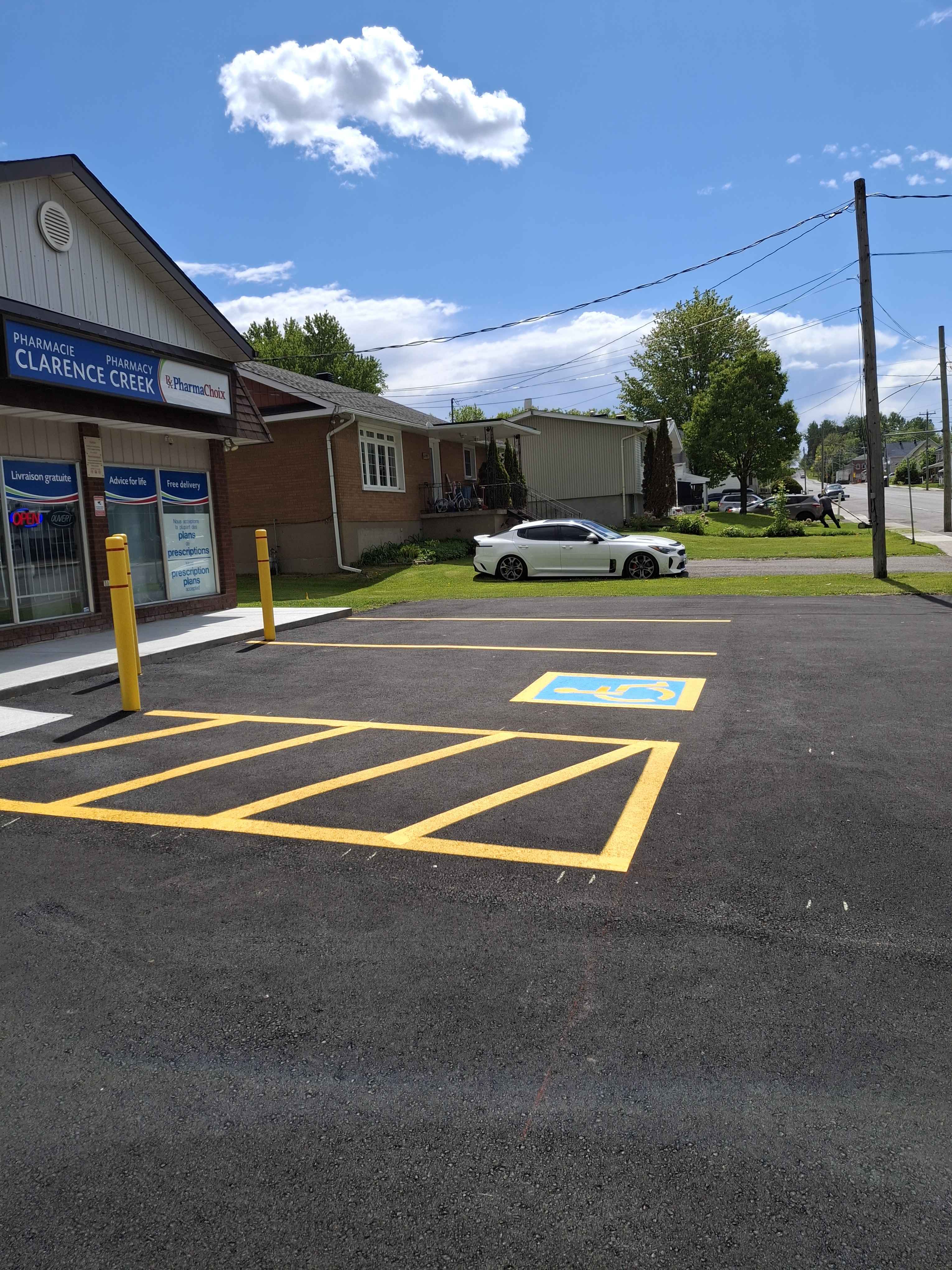
The Critical Role of Visibility in Construction Zones
When a construction project begins, the landscape of a roadway or a commercial parking lot changes instantly. Temporary barriers, redirected traffic lanes, and new pedestrian walkways are introduced to keep the public safe. However, these physical changes are only effective if they are accompanied by clear visual cues. This is where professional line marking becomes a cornerstone of site safety.
In a bustling area like St. Catharines, a top 30 city in Ontario, construction projects are frequent and often involve complex traffic patterns. Without clearly defined lines, drivers may become confused, leading to sudden braking, illegal turns, or even collisions. Capital Parking Lot Line Painting emphasizes that visibility isn't just a matter of aesthetics; it is a matter of liability and life safety.
Factors Influencing Repainting Frequency
There is no "one-size-fits-all" answer to how often temporary markings should be refreshed. The lifespan of line painting in a construction zone depends on several variables unique to each site. Understanding these factors can help project managers plan their maintenance schedules effectively.
1. Traffic Volume and Weight
The sheer amount of traffic passing through a zone significantly impacts the wear and tear on the paint. Heavy machinery, construction trucks, and high volumes of commuter vehicles will grind down the pigment much faster than standard passenger vehicles. If your site is a major artery in St. Catharines, you can expect to need more frequent attention.
2. Environmental and Weather Conditions
Ontario weather is notoriously harsh. Extreme temperature fluctuations, heavy rainfall, and the use of road salt during winter months can cause line marking to fade, crack, or peel. UV exposure during the summer months can also lead to pigment degradation. Capital Parking Lot Line Painting recommends inspecting markings after every major weather event or seasonal shift.
3. Surface Material
The substrate upon which the line marking is applied matters immensely. Fresh asphalt, aged pavement, or temporary gravel patches all react differently to paint. Porous surfaces may absorb more material but can also cause the paint to flake more easily if not properly prepared.
Common Mistakes in Temporary Zone Maintenance
Managing a construction site is difficult enough without having to deal with safety failures caused by poor markings. Avoid these common pitfalls:
- Waiting for the lines to disappear completely before scheduling a refresh.
- Using low-quality paint that cannot withstand heavy machinery traffic.
- Ignoring the need for high-contrast colors (like bright yellow or white) in low-light conditions.
- Failing to update markings when the construction footprint changes or expands.
- Neglecting to clean the surface before applying new line marking.
When to Call the Professionals
While some minor marking might seem like a DIY task, temporary construction zones demand precision. Misaligned lines can cause more confusion than no lines at all. Working with experts like Capital Parking Lot Line Painting ensures that your markings are applied using industrial-grade materials that are designed to stick and stay visible under pressure.
A good rule of thumb is to perform a visual inspection every 30 to 60 days. If the lines appear faded, chipped, or are being obscured by dirt and debris, it is time to schedule a professional refresh. Proactive maintenance is always more efficient than reactive repairs.
Don't Compromise on Safety
Whether you are managing a municipal roadwork project or a private commercial development, the clarity of your site markings is a direct reflection of your commitment to safety. Ensure your temporary zones are clearly defined, highly visible, and professionally maintained.