How Often Should Temporary Construction Zones Be Repainted?
Maintaining visibility in high-traffic construction areas is a critical component of site safety and municipal compliance.
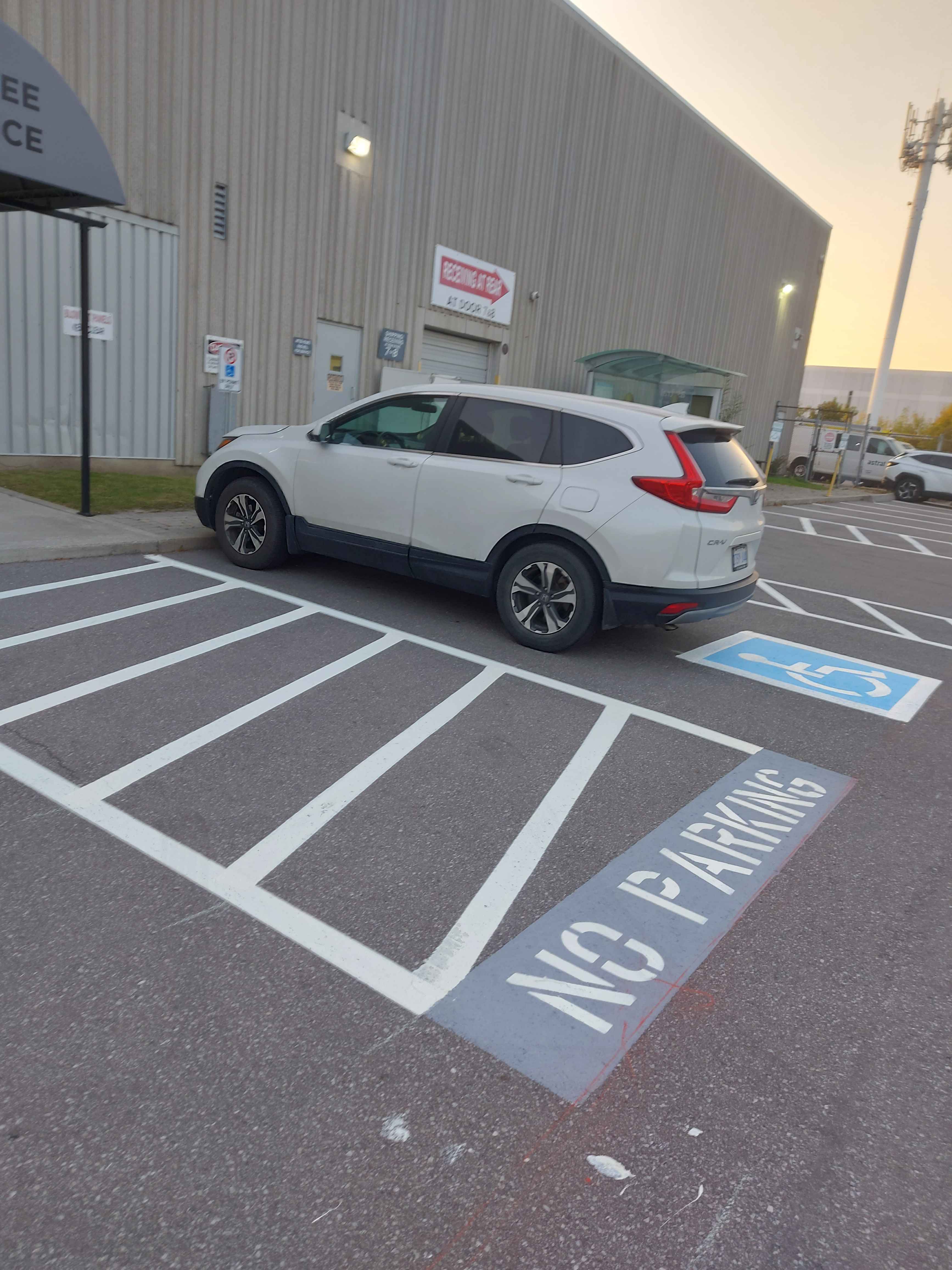
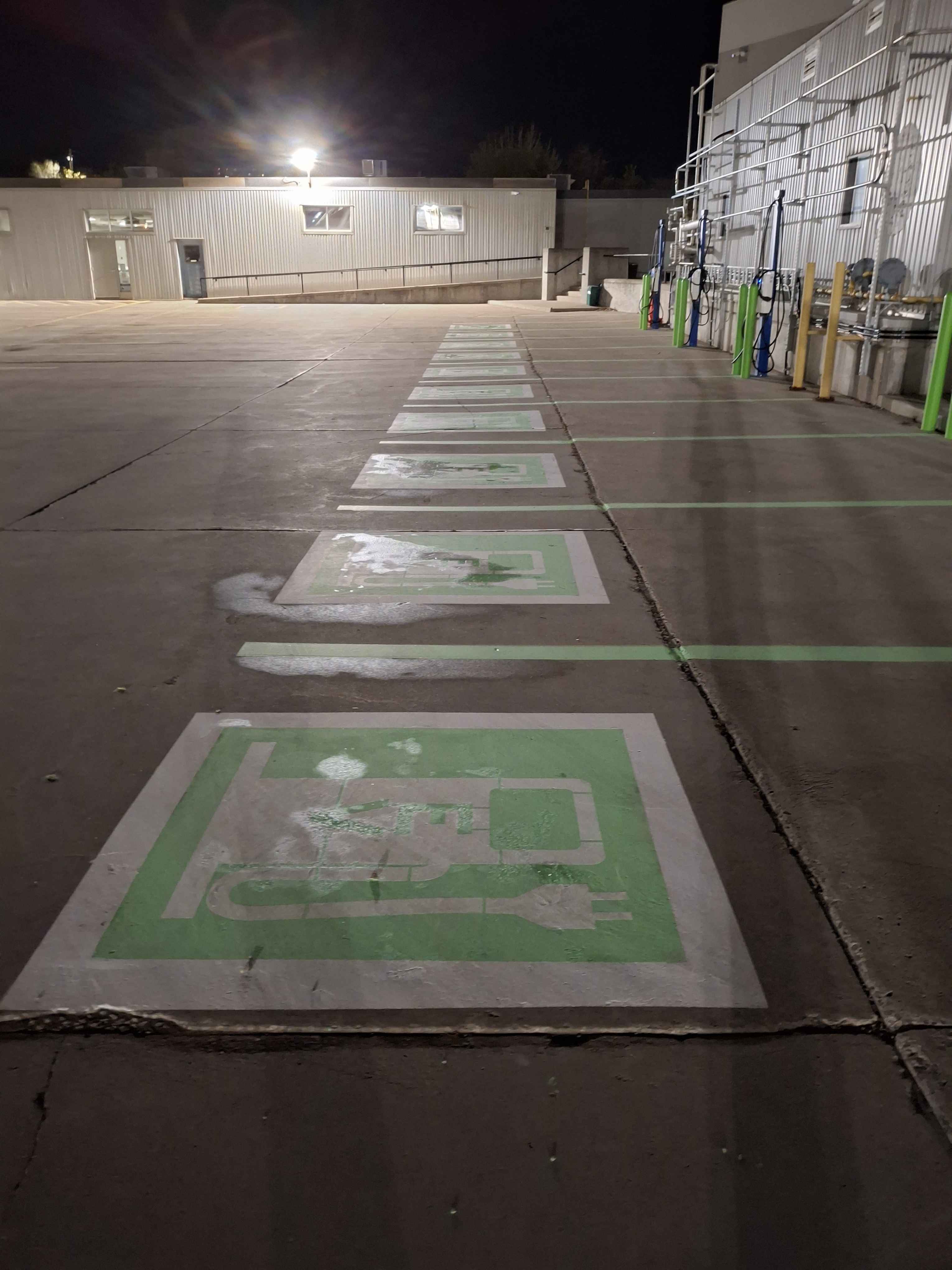
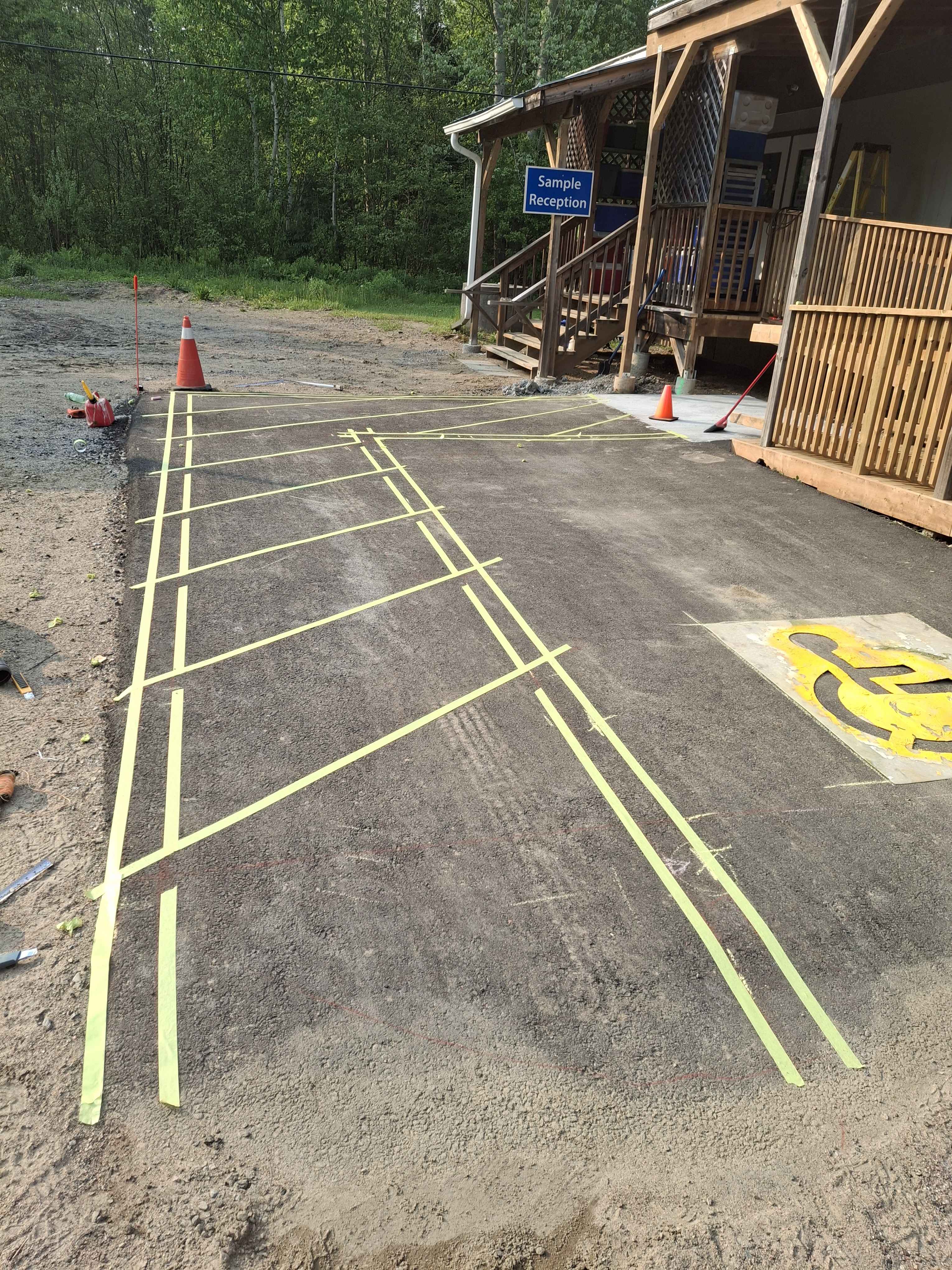
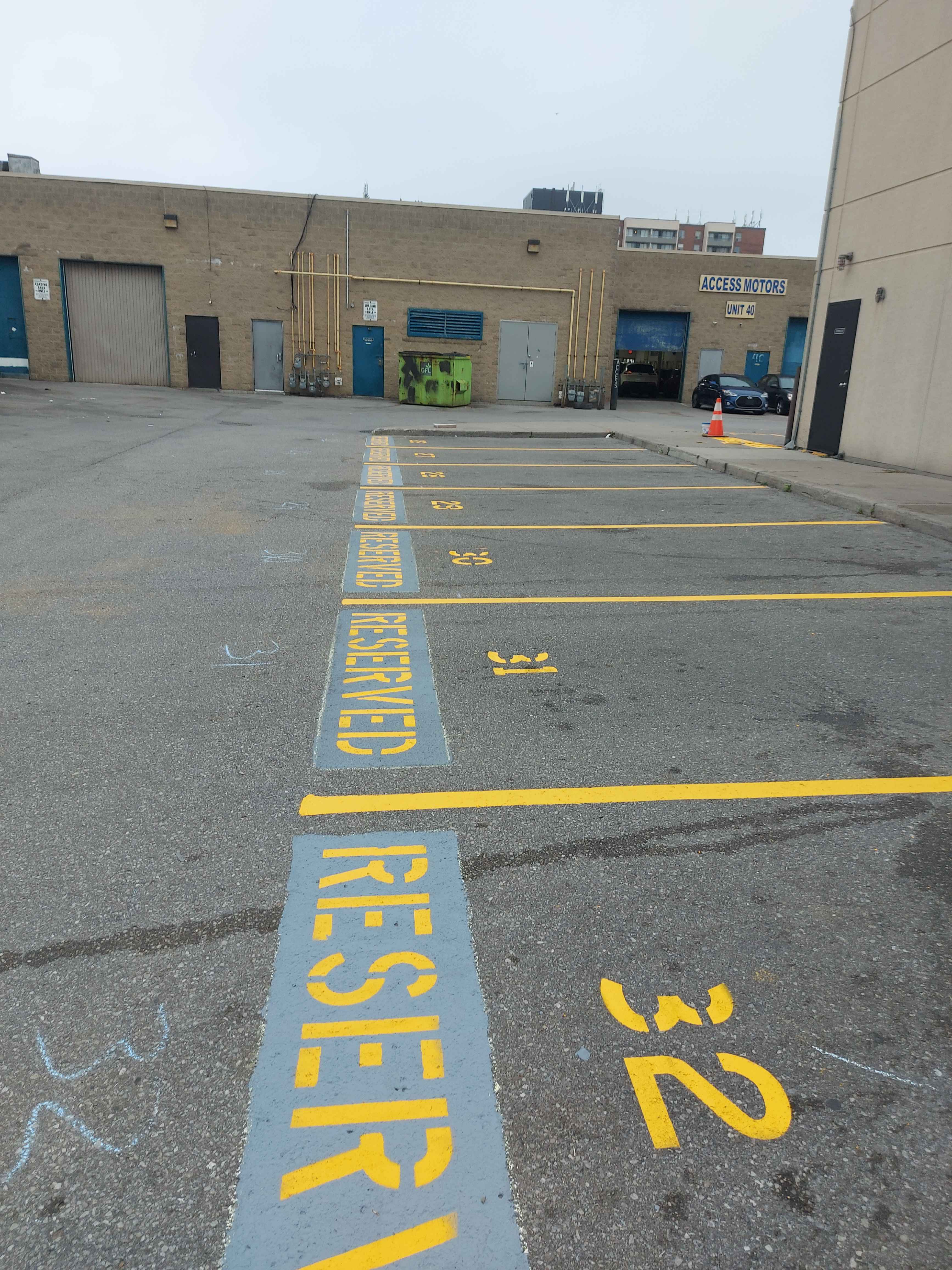
In the rapidly evolving urban landscape of Brampton, construction projects are a constant presence. Whether it is a major road expansion, utility repairs, or structural upgrades to commercial buildings, these projects inevitably disrupt the standard flow of traffic. One of the most overlooked yet vital aspects of managing these disruptions is the maintenance of temporary markings. When the original road lines are covered by asphalt, dirt, or construction debris, the responsibility falls on project managers to ensure that temporary line marking is clear, bright, and highly visible.
But the question remains: how often should these temporary markings be refreshed? There is no single universal answer, as the frequency depends on several environmental and operational variables.
The Critical Role of Temporary Line Marking
Temporary markings serve as the primary visual guide for motorists navigating through complex, shifting environments. Unlike permanent markings, which are designed for long-term durability, temporary markings are often applied with the understanding that they are short-term solutions. However, "short-term" does not mean "low importance."
At Capital Parking Lot Line Painting, we recognize that faded markings in a construction zone lead to driver confusion, lane drifting, and an increased risk of accidents. In a bustling city like Brampton, where traffic density is high, even a small lapse in marking visibility can lead to significant safety hazards.
Factors Influencing Repainting Frequency
To determine the ideal maintenance schedule, project managers must evaluate several key factors that contribute to the degradation of paint and thermoplastic materials.
1. Traffic Volume and Type
The sheer amount of vehicle movement directly impacts how quickly markings wear down. Heavy machinery, delivery trucks, and high volumes of commuter vehicles create significant friction and mechanical wear on the surface. If a construction zone is located on a major artery, the frequency of line painting must be increased compared to a quiet residential side street.
2. Environmental Conditions and Weather
Weather is perhaps the most aggressive enemy of temporary markings. In Ontario, the cycle of extreme heat in the summer and freezing temperatures in the winter can cause paint to crack, peel, or fade. Additionally, heavy rainfall or snow removal operations—where salt and grit are spread across the road—can physically scrub the markings away. Regular inspections are necessary to ensure that the elements haven't compromised safety.
3. Construction Activity and Debris
Construction sites are inherently messy. Dust, gravel, mud, and chemical runoff from various building processes can coat the ground, effectively hiding the markings. In these instances, repainting isn't just about the paint wearing off; it's about the surface becoming too dirty to provide the necessary contrast for drivers.
Signs That It Is Time for a Refresh
Waiting for a marking to disappear completely is a dangerous strategy. Instead, look for these warning signs that your site requires immediate attention from a professional like Capital Parking Lot Line Painting:
- Loss of Contrast: When the color of the line begins to blend into the color of the pavement.
- Fading: A noticeable reduction in the brightness or saturation of the yellow or white markings.
- Physical Erosion: Visible gaps, cracks, or "chipping" in the line profile.
- Obstruction: When dirt or construction materials physically cover the lines.
- Driver Hesitation: If motorists are visibly slowing down or drifting within the lane due to uncertainty.
Best Practices for Maintaining Safety
To manage a construction zone effectively, a proactive approach is always superior to a reactive one. Implementing a scheduled inspection routine ensures that safety is never left to chance. We recommend the following steps for site supervisors:
- Conduct Weekly Visual Inspections: Walk the site or drive the perimeter to check for visibility issues.
- Document Markings: Keep a log of when the last line marking was applied to track wear patterns.
- Coordinate with Site Crews: Ensure that cleaning crews are aware of the markings so they don't inadvertently wash them away during site maintenance.
- Consult Professionals: Work with experts like Capital Parking Lot Line Painting to determine the best materials for your specific site conditions.
Conclusion
In the high-stakes environment of a construction zone, visibility equals safety. While the frequency of repainting varies based on traffic, weather, and site activity, the goal remains constant: providing clear, unmistakable guidance for every driver. By staying ahead of wear and tear, you protect your workers, the public, and the integrity of your project.
Need Professional Line Marking?
Ensure your site meets the highest safety standards with expert services tailored to your project needs.