How Sealcoating Helps Protect Against Oil and Gas Spills
Protecting your asphalt investment requires more than just occasional cleaning; it requires a proactive chemical barrier.
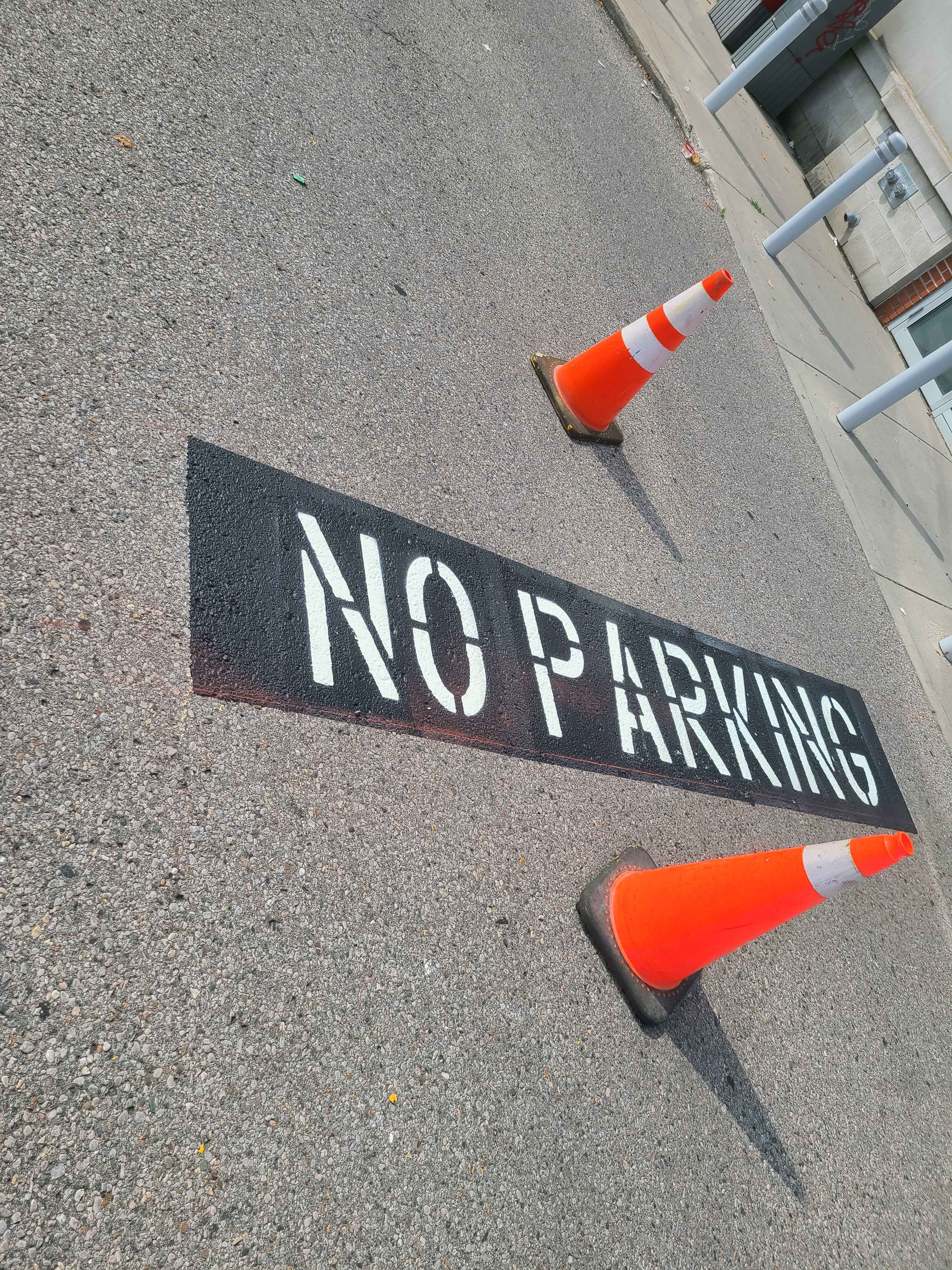
Asphalt is the backbone of commercial infrastructure, providing the necessary surface for vehicles to navigate parking lots, driveways, and roadways. However, asphalt is a porous material, meaning it is filled with microscopic voids. While these voids allow the pavement to remain flexible, they also act as a sponge for hazardous liquids. In high-traffic areas, oil and gas spills are not just a matter of "if," but "when." This is where professional sealcoating becomes an essential line of defense.
At Capital Parking Lot Line Painting, we understand that a parking lot is more than just a slab of blacktop; it is a significant capital asset. When fluids penetrate the surface, they don't just sit there—they begin a process of chemical degradation that can lead to costly structural failures.
The Science of Asphalt Degradation
To understand why sealcoating is necessary, one must understand how petroleum-based products interact with bitumen. Bitumen is the "glue" that holds asphalt together. It is a hydrocarbon-based binder that provides the pavement with its cohesive strength.
The Solvent Effect
When motor oil, gasoline, or diesel fuel spills onto untreated asphalt, the petroleum acts as a solvent. Because both the spill and the bitumen are hydrocarbon-based, the oil begins to dissolve the binder. This process, often referred to as "stripping," removes the glue that keeps the aggregate (the rocks and sand) locked in place. Once the binder is compromised, the asphalt loses its structural integrity, leading to crumbling, potholes, and raveling.
In a bustling area like Richmond Hill, where vehicle traffic is heavy and diverse, the frequency of minor leaks and spills is significantly higher. Without a protective layer, these small incidents can quickly escalate into large-scale pavement failures.
How Sealcoating Acts as a Shield
Sealcoating is the application of a coal tar or asphalt-based emulsion designed to create a hard, impermeable layer over the existing pavement. This layer serves several critical functions in the fight against chemical damage:
- Impermeability: The sealant fills the microscopic pores of the asphalt, creating a smooth surface that prevents liquids from seeping into the substrate.
- Chemical Resistance: High-quality sealants are formulated to withstand minor chemical exposures, providing a sacrificial layer that takes the hit so your asphalt doesn't have to.
- Surface Hardening: By filling voids, the sealant increases the overall density of the surface, making it more resistant to the abrasive forces of heavy tires.
- UV Protection: Beyond spills, sealcoating protects against oxidation caused by sunlight, which keeps the asphalt from becoming brittle.
The Lifecycle of a Protected Parking Lot
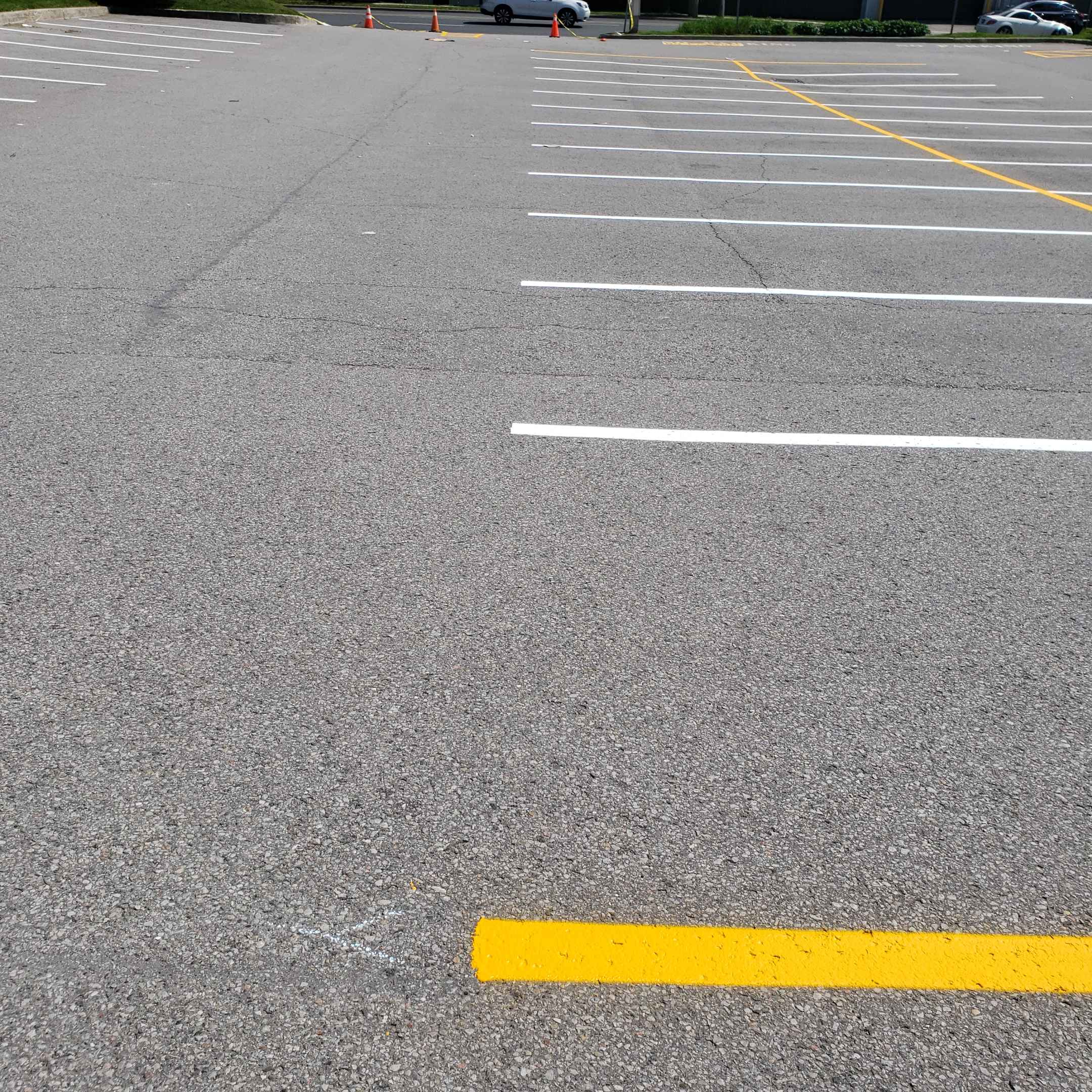
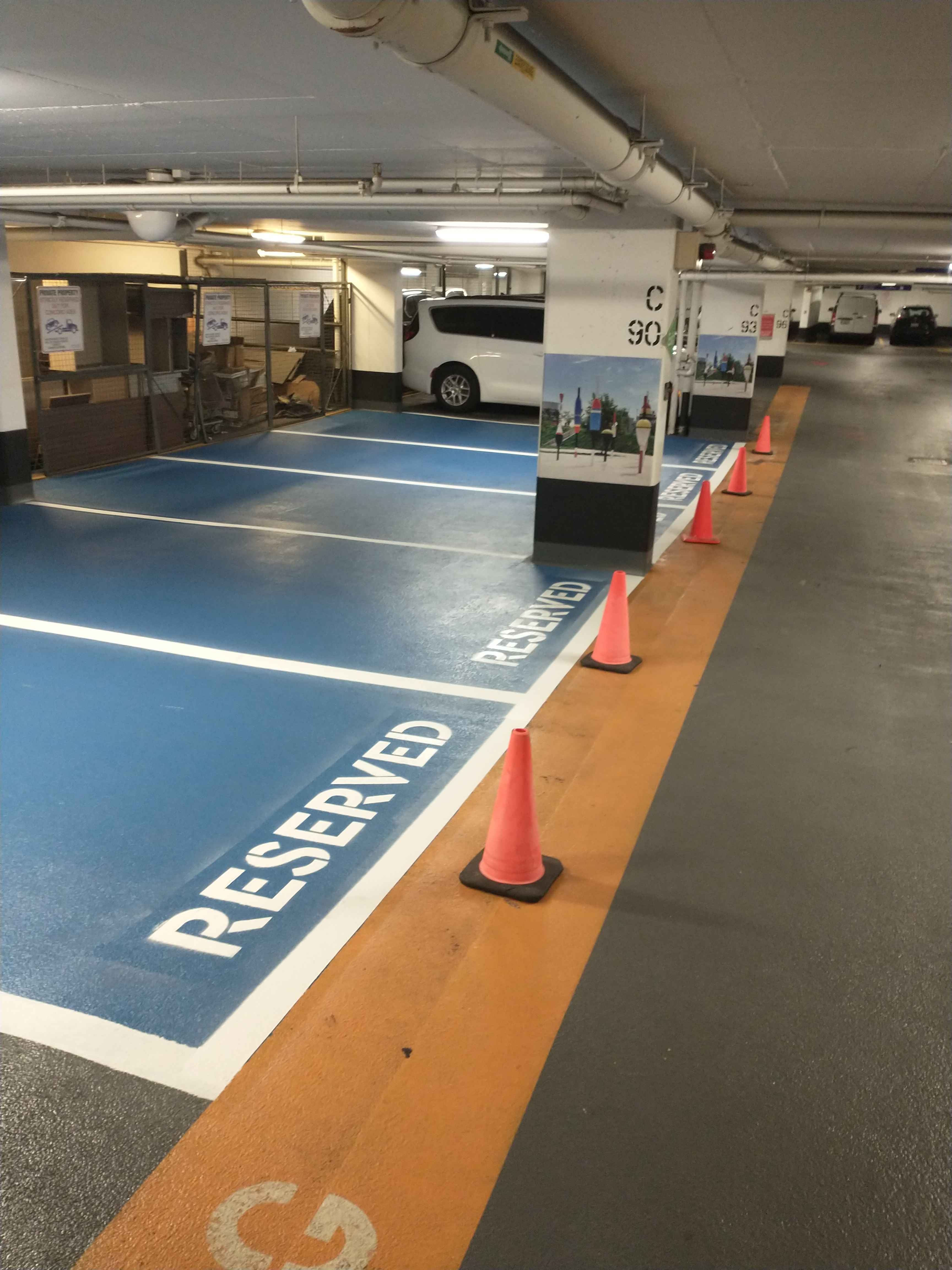
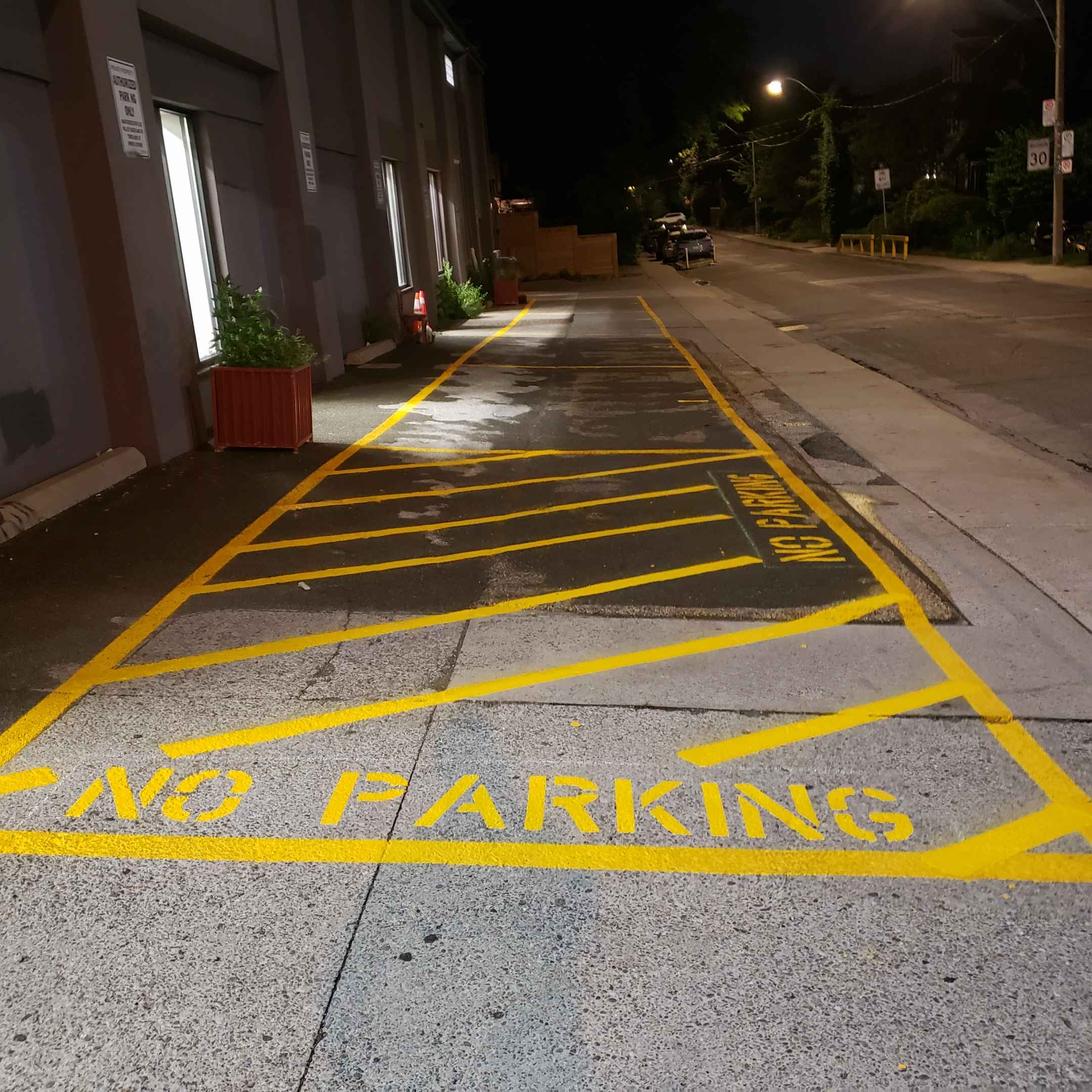
Maintaining a commercial property involves several layers of care. While sealcoating provides the chemical defense, other services ensure the lot remains functional and safe. For instance, once the sealcoating has cured, many property managers opt for Line Marking to define parking stalls and pedestrian walkways. Combining sealcoating with professional Line Painting ensures that your lot is not only chemically protected but also visually organized and compliant with safety standards.
Capital Parking Lot Line Painting recommends a regular maintenance schedule to ensure these protective layers never wear thin. In a top 30 city like Richmond Hill, where property standards are high, keeping your asphalt dark, clean, and well-marked is vital for curb appeal and liability reduction.
Common Mistakes in Asphalt Maintenance
Many property owners wait until they see visible damage before calling in the experts. This is often too late. To maximize your investment, avoid these common pitfalls:
1. Ignoring Minor Stains
A small oil stain is a warning sign. If left untreated, the oil will continue to soften the binder beneath the surface.
2. Skipping Regular Sealcoating
Sealcoating is not a "one and done" service. It is a recurring maintenance task that should be performed every 2-3 years.
Conclusion: Invest in Longevity
Protecting your asphalt from oil and gas spills is a matter of proactive defense. By applying a high-quality sealant, you are effectively creating a waterproof and chemical-resistant skin for your pavement. This simple step can save thousands of dollars in premature resurfacing costs and keeps your property looking professional.
Whether you need comprehensive sealcoating or precision Line Marking, Capital Parking Lot Line Painting is here to help you maintain a pristine, durable, and safe environment for your customers and tenants.
Quick View
Don't let oil spills ruin your asphalt. Professional sealcoating provides the chemical barrier your parking lot needs to survive heavy traffic and environmental stressors.