How Sealcoating Protects Against Salt and De-Icing Chemicals
Understanding the chemical warfare occurring on your pavement every winter and how to defend it.
For property owners in Richmond Hill, winter is more than just a season of snow and ice; it is a season of intense chemical stress for asphalt surfaces. As a top 30 city in Ontario, Richmond Hill experiences significant snowfall, which necessitates the heavy use of road salt and liquid de-icing agents to keep parking lots and driveways safe for vehicles and pedestrians. While these substances are essential for safety, they are incredibly destructive to the structural integrity of asphalt if left unprotected.
At Capital Parking Lot Line Painting, we see firsthand the damage that occurs when asphalt is neglected. This is where sealcoating becomes your most important line of defense. In this guide, we will explore the science behind salt damage and why a professional sealcoat is a non-negotiable investment for your pavement.
The Science of Asphalt Degradation: Salt and Chemicals
Asphalt is a porous material. It may look solid, but on a microscopic level, it is filled with tiny voids and channels. When salt (sodium chloride) or other de-icing chemicals are spread across a parking lot, they don't just sit on the surface; they begin to penetrate these pores.
1. The Oxidation Process
Salt acts as a catalyst that accelerates the oxidation of the bitumen (the "glue" that holds asphalt together). As the bitumen oxidizes, it loses its flexibility and turns from a deep black to a brittle, light gray. Once the bitumen is compromised, the aggregate (the stones) begins to loosen, leading to raveling and surface wear.
2. The Freeze-Thaw Cycle Aggravation
The real danger occurs when salt-laden water enters the pores of the asphalt. When temperatures drop, this water freezes and expands. This expansion creates internal pressure within the asphalt structure, widening the microscopic cracks. When the ice melts, it leaves behind a concentrated pocket of salt deep within the pavement, ready to attack the binder during the next cycle. This process is the primary driver behind potholes and alligator cracking.
How Sealcoating Acts as a Protective Barrier
Sealcoating is not merely a cosmetic upgrade to make your parking lot look new; it is a functional maintenance requirement. A high-quality sealcoat creates a non-porous membrane over the asphalt surface. This membrane serves several critical functions:
- Chemical Resistance: It prevents salt, brine, and oil from seeping into the asphalt binder.
- Moisture Barrier: It stops water from entering the pores, significantly reducing the damage caused by the freeze-thaw cycle.
- UV Protection: It shields the bitumen from the sun's ultraviolet rays, which contribute to oxidation.
- Surface Smoothing: It fills in minor surface imperfections, making the lot easier to clean and maintain.
By utilizing the services of Capital Parking Lot Line Painting, property managers can ensure that their sealcoating application is thick, even, and specifically formulated to withstand the harsh Ontario climate.
Beyond Protection: The Importance of Line Marking
While sealcoating protects the foundation, a complete parking lot maintenance strategy must also include visual clarity. Once your sealcoating is cured and the surface is protected from salt, it is the perfect time to refresh your Line Marking.
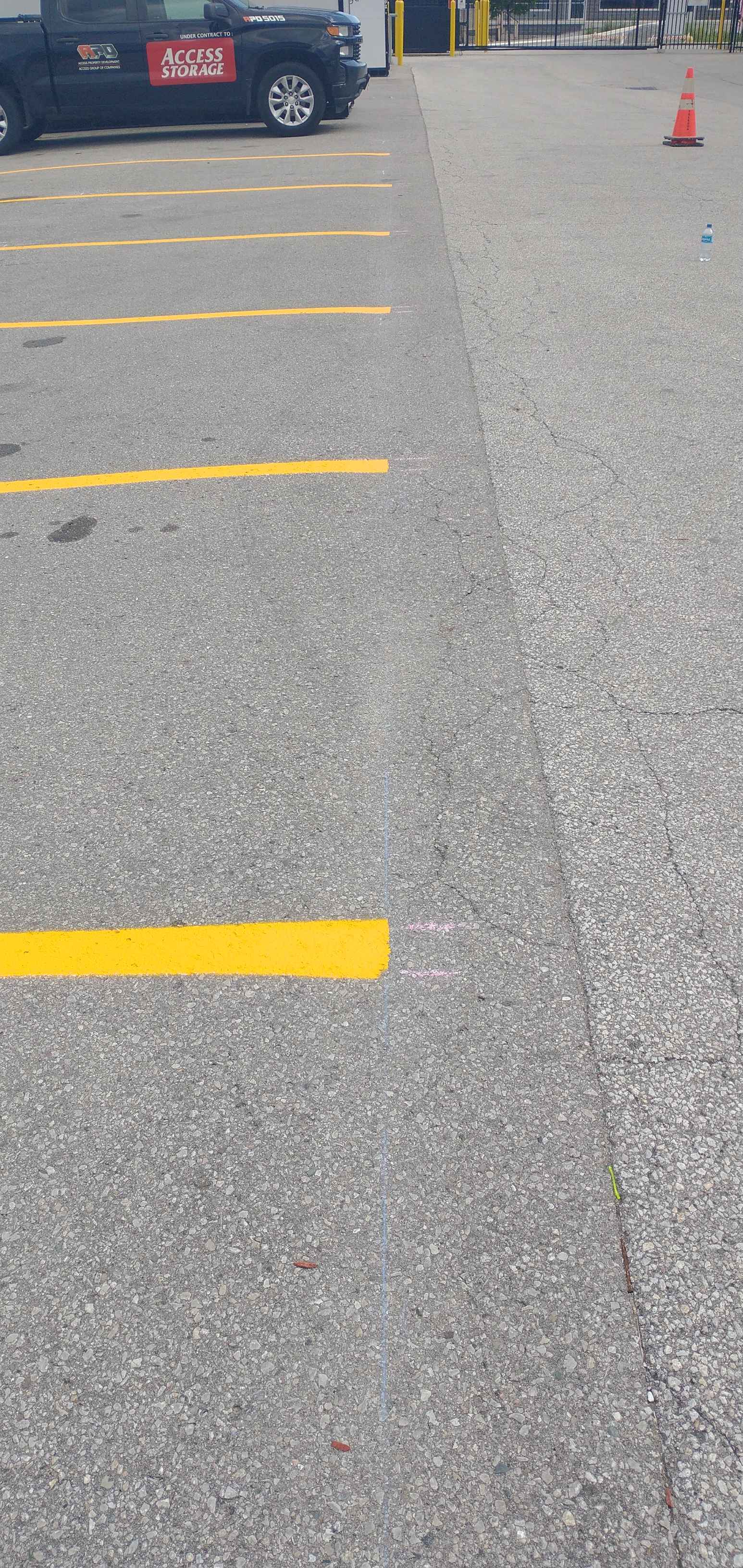
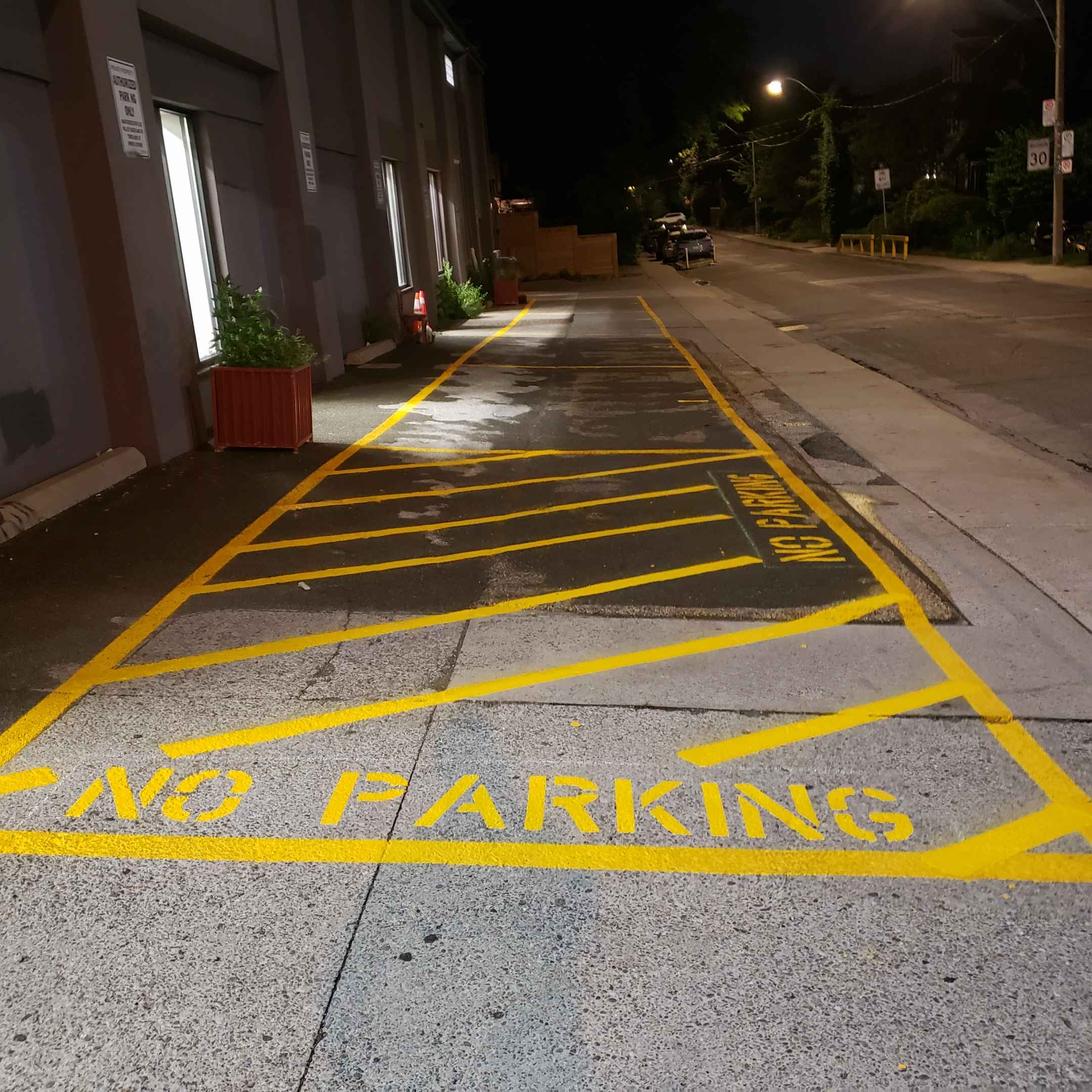
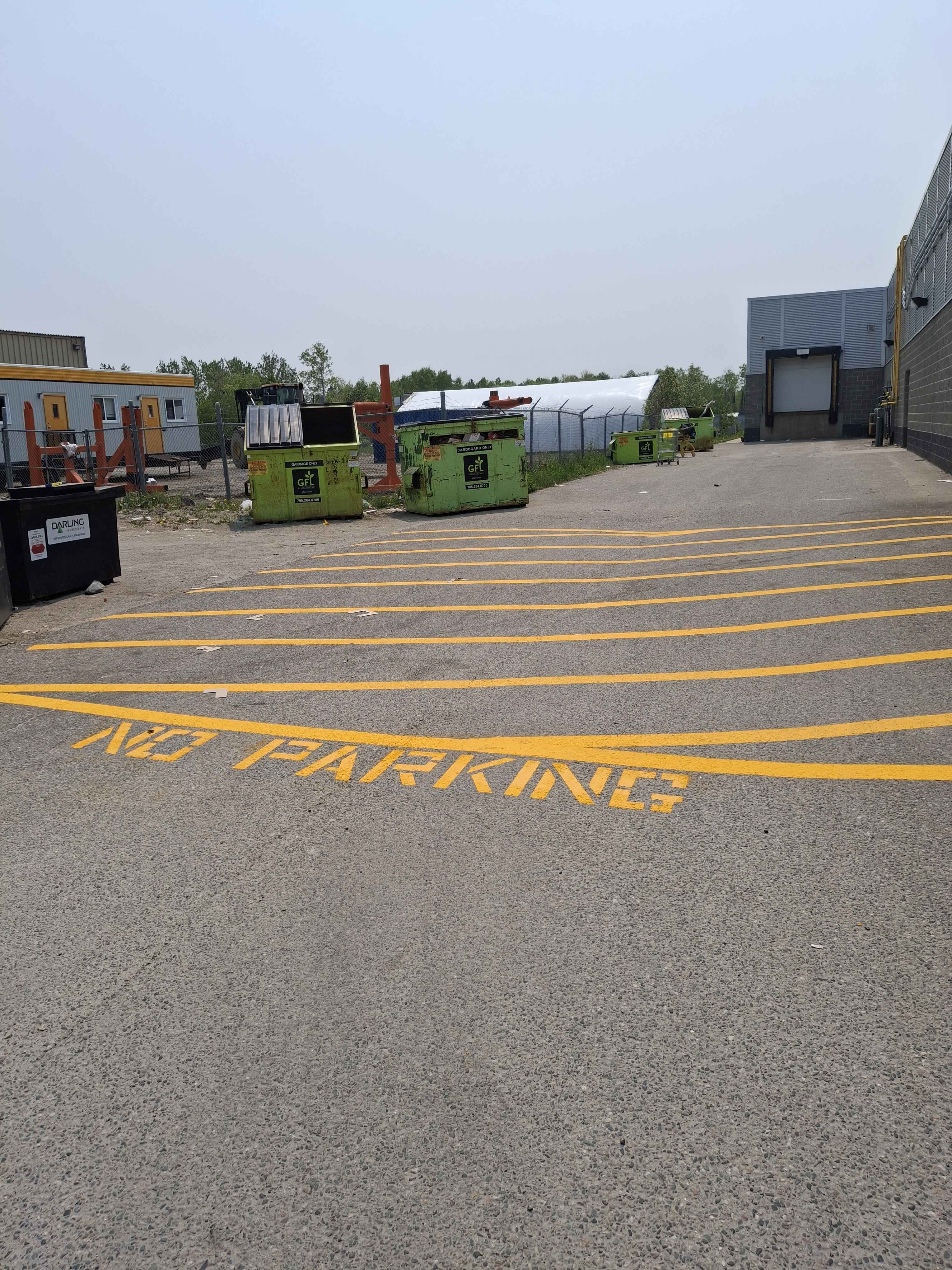
Fresh, bright lines provide high contrast against the newly sealed black asphalt. This improves safety by clearly defining pedestrian walkways, handicap stalls, and traffic flow directions. Capital Parking Lot Line Painting specializes in precise Line Marking that ensures your facility remains compliant with safety standards while looking professional.
Common Mistakes in Asphalt Maintenance
Many property owners wait until they see large cracks or potholes before calling for help. By then, the salt has already done its damage deep within the sub-base. To avoid unnecessary costs, avoid these common pitfalls:
Don't Wait for Visible Damage
Sealcoating should be a preventative measure, not a repair measure. Once the structure is compromised, sealcoating is only a temporary fix.
Avoid DIY Sealcoating
Applying the wrong type of sealer or using improper tools can lead to peeling and uneven surfaces that actually trap moisture.
Conclusion: Investing in Longevity
In a climate like ours, your asphalt is constantly under siege. The combination of heavy salt usage and extreme temperature fluctuations in Richmond Hill can turn a well-maintained parking lot into a crumbling liability in just a few seasons.
By implementing a regular schedule of sealcoating and professional Line Marking, you are not just maintaining an aesthetic; you are protecting a significant capital asset. Trust the experts at Capital Parking Lot Line Painting to provide the durable, professional protection your pavement deserves.
Ready to Protect Your Pavement?
Don't wait for the first frost to realize your asphalt is vulnerable. Contact our team today to schedule a consultation and ensure your property is ready for the winter ahead.