How Sealcoating Helps Protect Against Oil and Gas Spills
Understanding the critical role of protective barriers in asphalt maintenance and long-term durability.
Asphalt is the backbone of commercial infrastructure, providing the necessary surface for vehicles to navigate parking lots, driveways, and industrial zones. However, asphalt is a porous material. While it appears solid and impenetrable, it is actually composed of a complex matrix of aggregates bound together by bitumen. This structure, while strong under heavy loads, is highly susceptible to chemical degradation—specifically from petroleum-based products like oil and gasoline.
For property owners in a bustling economic hub like Hamilton, maintaining the integrity of these surfaces is not just an aesthetic choice; it is a matter of structural preservation. This is where professional sealcoating becomes an indispensable tool in your maintenance arsenal. At Capital Parking Lot Line Painting, we see firsthand how proactive protection can save surfaces from premature failure.
The Science of Asphalt Degradation
To understand why sealcoating is necessary, one must understand how oil interacts with bitumen. Bitumen is the "glue" that holds asphalt together. It is an organic substance that is highly sensitive to solvents. When a vehicle leaks oil or gasoline onto an untreated asphalt surface, the chemical properties of the petroleum act as a solvent, effectively dissolving the bitumen binder.
As the binder dissolves, the asphalt loses its cohesive strength. This leads to a phenomenon known as "ravelling," where the aggregate stones begin to loosen and fall away. Once the surface is compromised, the structural integrity of the entire pavement begins to decline, leading to potholes, cracks, and eventual total failure.
How Sealcoating Acts as a Shield
Sealcoating is the application of a protective liquid coating designed to fill the microscopic pores of the asphalt surface. Think of it as a sacrificial layer. By applying a high-quality sealant, you are creating a barrier that sits between the environment and the actual structural asphalt.
When an oil or gas spill occurs on a sealcoated surface, the liquid is trapped by the sealant layer rather than being absorbed into the bitumen. This provides a critical window of time for the spill to be cleaned up before it can penetrate the deeper layers of the pavement. Capital Parking Lot Line Painting recommends regular sealcoating intervals to ensure this barrier remains thick and effective.
Key Benefits of Regular Sealcoating:
- Chemical Resistance: Provides a buffer against oils, gasoline, and other automotive fluids.
- Waterproofing: Prevents water from entering cracks, which prevents freeze-thaw damage.
- UV Protection: Shields the bitumen from oxidation caused by sunlight.
- Aesthetic Appeal: Restores the deep black color of the asphalt, improving curb appeal.
- Cost Savings: Extends the lifespan of the pavement, delaying expensive resurfacing.
The Importance of Comprehensive Maintenance
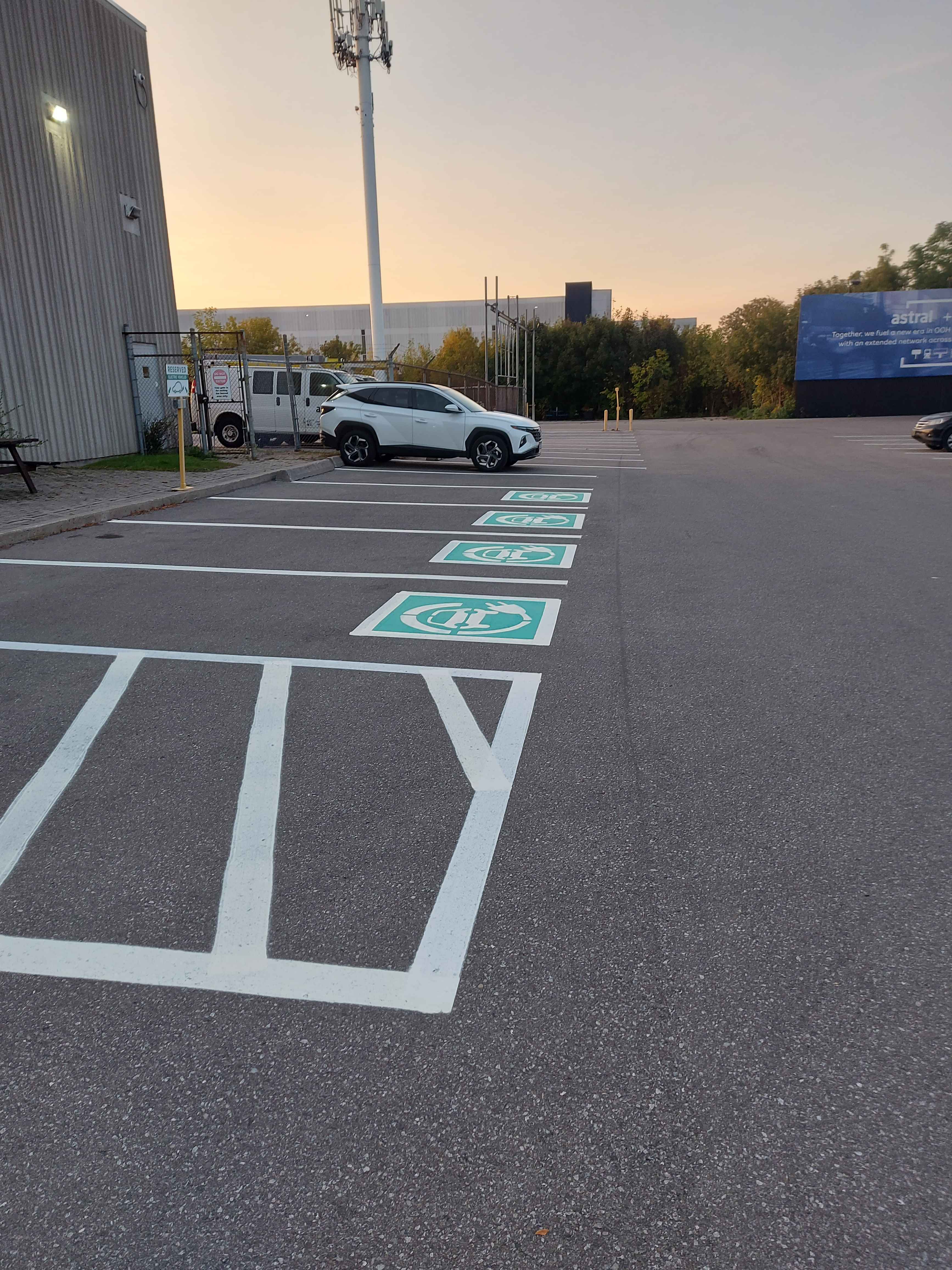
A well-maintained parking lot requires more than just a fresh coat of sealant. To ensure safety and organization, the visual elements of the lot must also be maintained. This is where Line Marking plays a vital role. Clear, bright markings guide traffic flow, designate parking stalls, and ensure pedestrian safety. A parking lot that has been freshly sealcoated and then updated with professional Line Painting presents a professional image that reflects the quality of your business.
In a top 30 city like Hamilton, where commercial traffic is high and environmental factors can be harsh, skipping these maintenance steps can lead to significant liabilities and repair costs. Capital Parking Lot Line Painting specializes in integrated solutions that combine surface protection with high-visibility Line Marking to keep your property safe and functional.
Common Mistakes in Asphalt Care
Many property managers wait too long to address surface issues. By the time you see large cracks or crumbling edges, the oil and water damage has already reached the base layers. Here are a few mistakes to avoid:
- Ignoring small oil spots: Small spills can quickly become large areas of degradation.
- Using incorrect cleaning agents: Using harsh chemicals to clean oil spills can sometimes damage the sealant itself.
- Neglecting Line Painting: Faded lines can lead to accidents, negating the benefits of a well-protected surface.
- Skipping the Sealcoat: Treating sealcoating as an "optional" expense rather than a preventive one.
Quick Summary
Don't let oil spills ruin your investment. Regular sealcoating and professional Line Painting are the most cost-effective ways to protect your asphalt and maintain a professional appearance for your facility.