How Small Cracks Can Turn into Major Asphalt Failures
Understanding the progression of asphalt deterioration and why proactive maintenance is your best defense against costly structural damage.
The Deceptive Nature of Asphalt Cracks
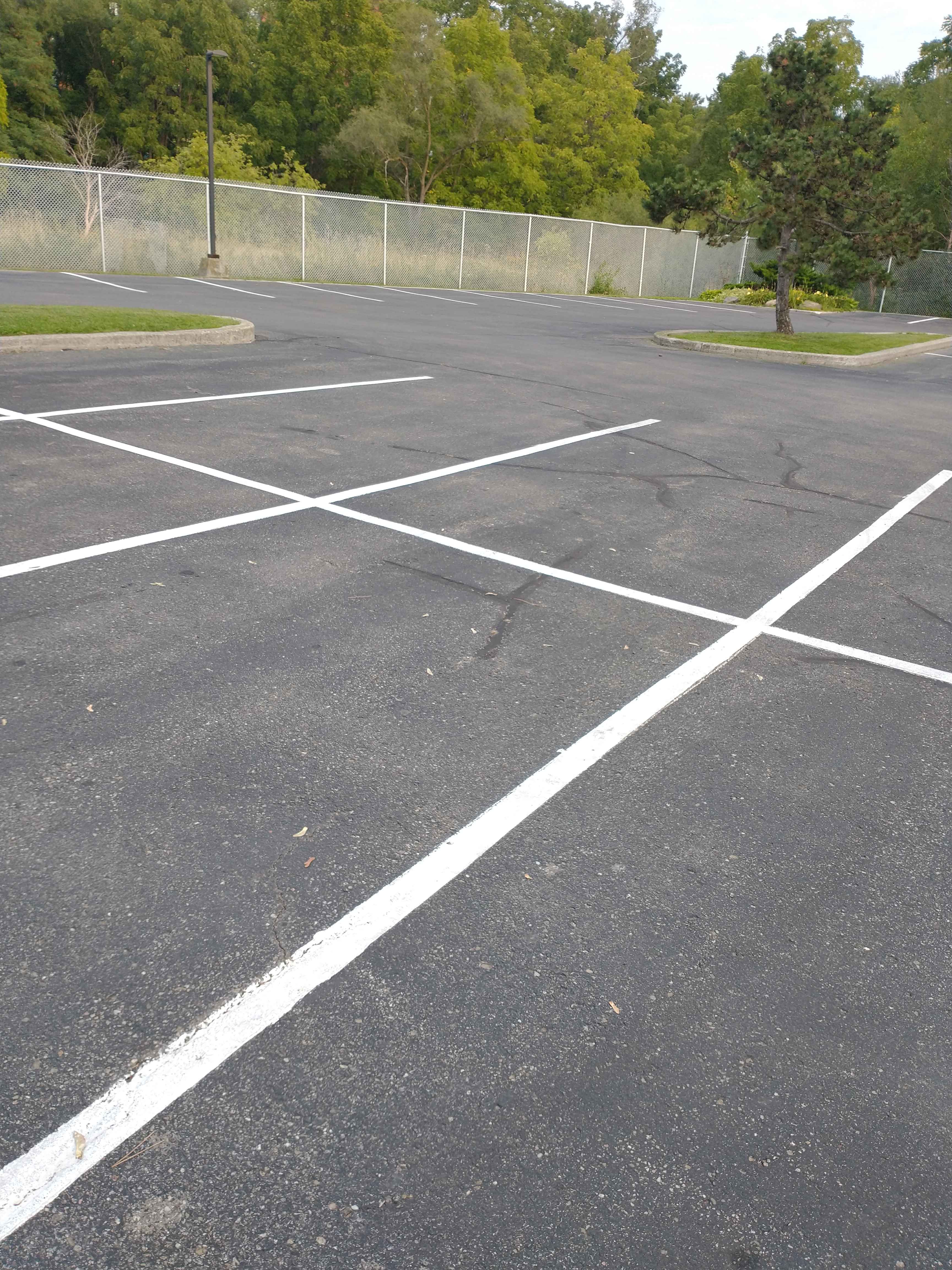
To the untrained eye, a thin hairline crack in a parking lot or driveway might seem like a cosmetic nuisance rather than a structural threat. However, in the world of pavement management, these small fissures are the early warning signs of a much larger problem. If left unaddressed, these minor imperfections act as gateways for environmental elements to penetrate the sub-base of your asphalt surface.
For property owners in Cambridge, understanding this progression is vital. As a top 30 city in Ontario, the local climate presents unique challenges—ranging from intense summer heat to the punishing freeze-thaw cycles of winter. These temperature fluctuations cause asphalt to expand and contract, making even the smallest crack a liability.
The Science of Pavement Failure: The Freeze-Thaw Cycle
The primary driver behind asphalt degradation in Ontario is the freeze-thaw cycle. When a small crack forms, water finds its way into the gap. During the winter months, this water freezes and expands, exerting immense upward pressure on the asphalt. This process, known as frost heaving, widens the crack significantly.
When the ice melts in the spring, it leaves behind a void or a cavity beneath the surface. This loss of structural support means that when vehicles drive over the area, the asphalt can no longer support the weight, leading to potholes and alligator cracking. This is where professional intervention from Capital Parking Lot Line Painting becomes essential to stabilize the surface before the damage becomes irreversible.
Common Types of Asphalt Cracks to Watch For
Identifying the type of crack can help you understand the severity of the issue. Here are the most common types encountered by property managers:
- Hairline Cracks: Very thin cracks that often indicate the beginning of thermal movement.
- Longitudinal Cracks: Cracks that run parallel to the direction of travel, often caused by poor joint construction or subgrade settling.
- Transverse Cracks: Cracks that run perpendicular to the direction of travel, typically caused by temperature changes.
- Alligator Cracking: A series of interconnected cracks that resemble the skin of an alligator; this is a sign of severe structural failure.
- Block Cracking: Large, rectangular cracks caused by the aging and oxidation of the asphalt binder.
The Domino Effect: From Cracks to Potholes
Once a crack has widened, the damage moves from the surface to the foundation. As water infiltrates the sub-base, it weakens the soil and gravel layers that provide the asphalt its strength. A weakened base leads to uneven settling, which creates more cracks, creating a vicious cycle of decay.
At Capital Parking Lot Line Painting, we emphasize that preventative maintenance—such as crack filling and sealcoating—is far more effective than reactive repairs. Waiting until a pothole forms means you are no longer just fixing a crack; you are rebuilding a foundation. In a bustling area like Cambridge, where traffic volume can be high, a single pothole can quickly escalate into a major safety hazard for vehicles and pedestrians alike.
Beyond Structural Integrity: The Importance of Visibility
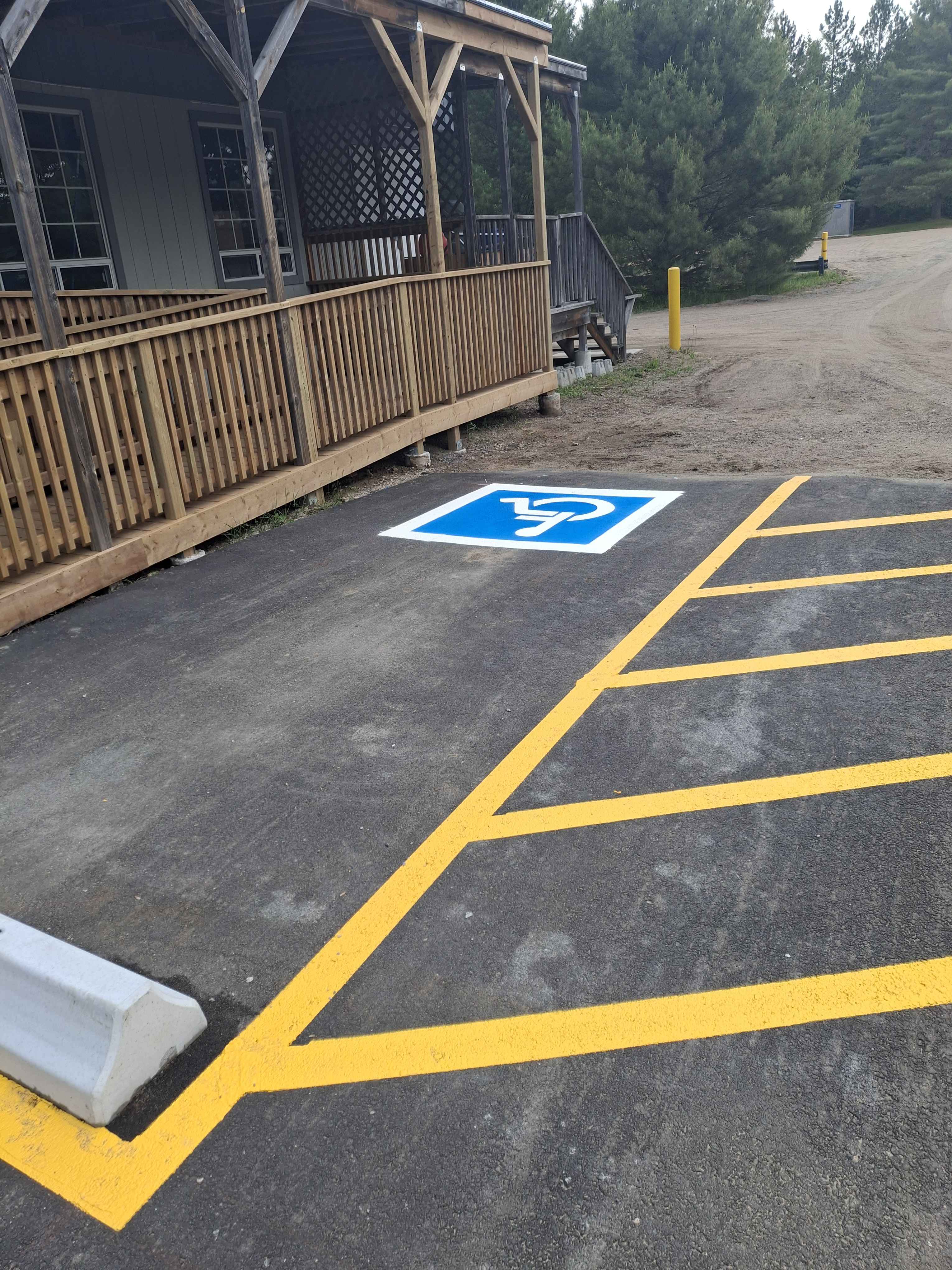
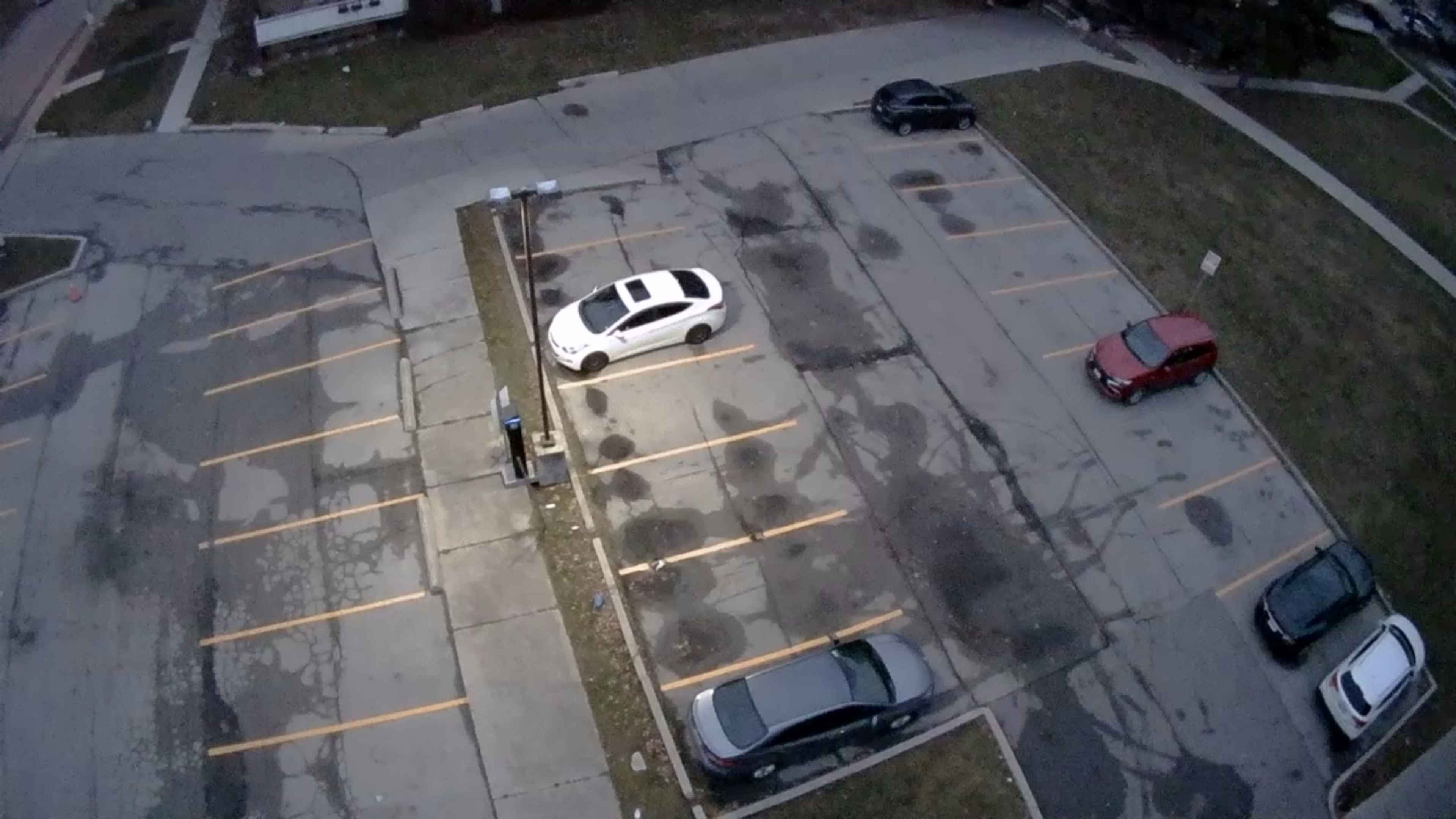
While we focus heavily on the structural health of the pavement, the visual aspect of your lot is equally important for safety and organization. As asphalt ages and cracks, the surface becomes more porous and harder to maintain visually. This is where professional Line Marking plays a crucial role.
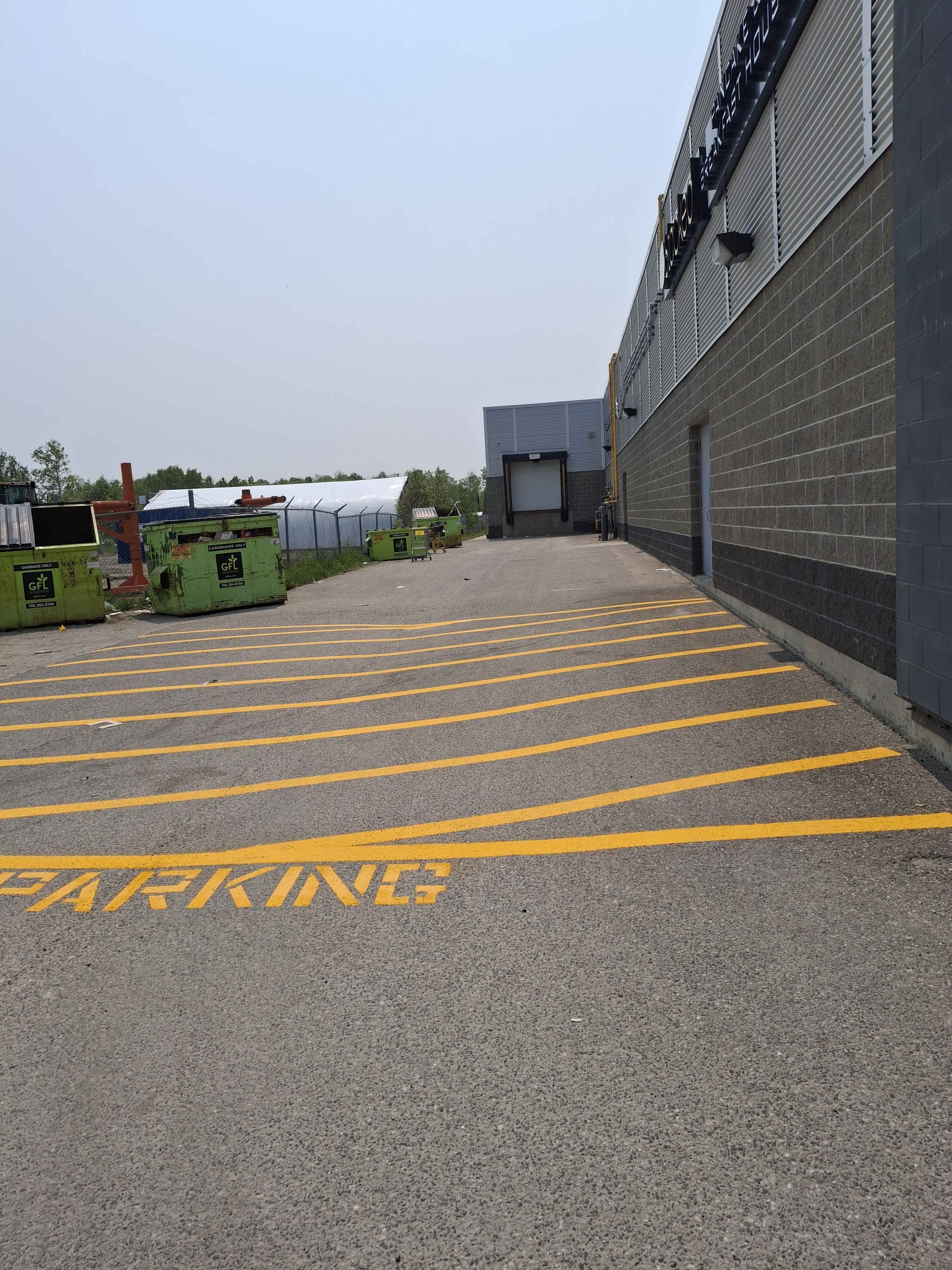
Faded or broken lines can lead to confusion, improper parking, and even accidents. By combining structural repairs with high-quality Line Painting, you ensure that your property is not only structurally sound but also professional in appearance and safe for all users. Capital Parking Lot Line Painting provides comprehensive solutions that address both the integrity of the asphalt and the clarity of your navigational markings.
Don't Wait for the Collapse
Regular inspections can save your pavement from catastrophic failure. Contact the experts to assess your lot's health and implement a maintenance plan that protects your investment for years to come.