How Small Cracks Can Turn into Major Asphalt Failures
Understanding the lifecycle of pavement deterioration and why early intervention is your best defense against structural collapse.
To the untrained eye, a hairline fracture in a parking lot might seem like a cosmetic nuisance—something that can be ignored for a season or two. However, in the world of pavement management, these small fissures are the early warning signs of a much larger, more expensive catastrophe. For property owners in Markham, a top 30 city in Ontario with significant seasonal temperature shifts, ignoring these signs is a recipe for structural disaster.
At Capital Parking Lot Line Painting, we have seen firsthand how a simple crack, if left untreated, can evolve from a minor surface issue into a massive pothole that compromises the integrity of the entire driving surface.
The Science of Deterioration: Why Cracks Grow
Asphalt is a flexible pavement, designed to distribute loads and withstand environmental changes. However, it is not invincible. The process of failure usually follows a predictable, destructive pattern driven by several key factors:
1. The Freeze-Thaw Cycle
In Ontario, the weather is one of the most aggressive enemies of asphalt. When a small crack forms, water seeps into the sub-base of your parking lot. When temperatures drop, that water freezes and expands, exerting immense internal pressure on the surrounding asphalt. This expansion widens the crack. When it thaws, more water enters, and the cycle repeats, deeper and wider each time.
2. Oxidation and UV Damage
Sunlight plays a deceptive role. Ultraviolet (UV) rays break down the chemical bonds in the asphalt binder, causing it to become brittle. Brittle asphalt cannot flex under the weight of vehicles, leading to "alligator cracking," which is a precursor to total pavement failure. Capital Parking Lot Line Painting recommends regular inspections to catch this brittleness before it turns into structural cracks.
3. Water Infiltration and Sub-Base Erosion
Once water bypasses the surface and reaches the aggregate base, the real damage begins. Water washes away the fine particles that support the heavy stones in your base. This creates voids. When a vehicle drives over these voids, the asphalt above them collapses, creating a pothole.
Common Signs of Impending Asphalt Failure
Property managers should keep a watchful eye for these specific indicators to avoid emergency repairs:
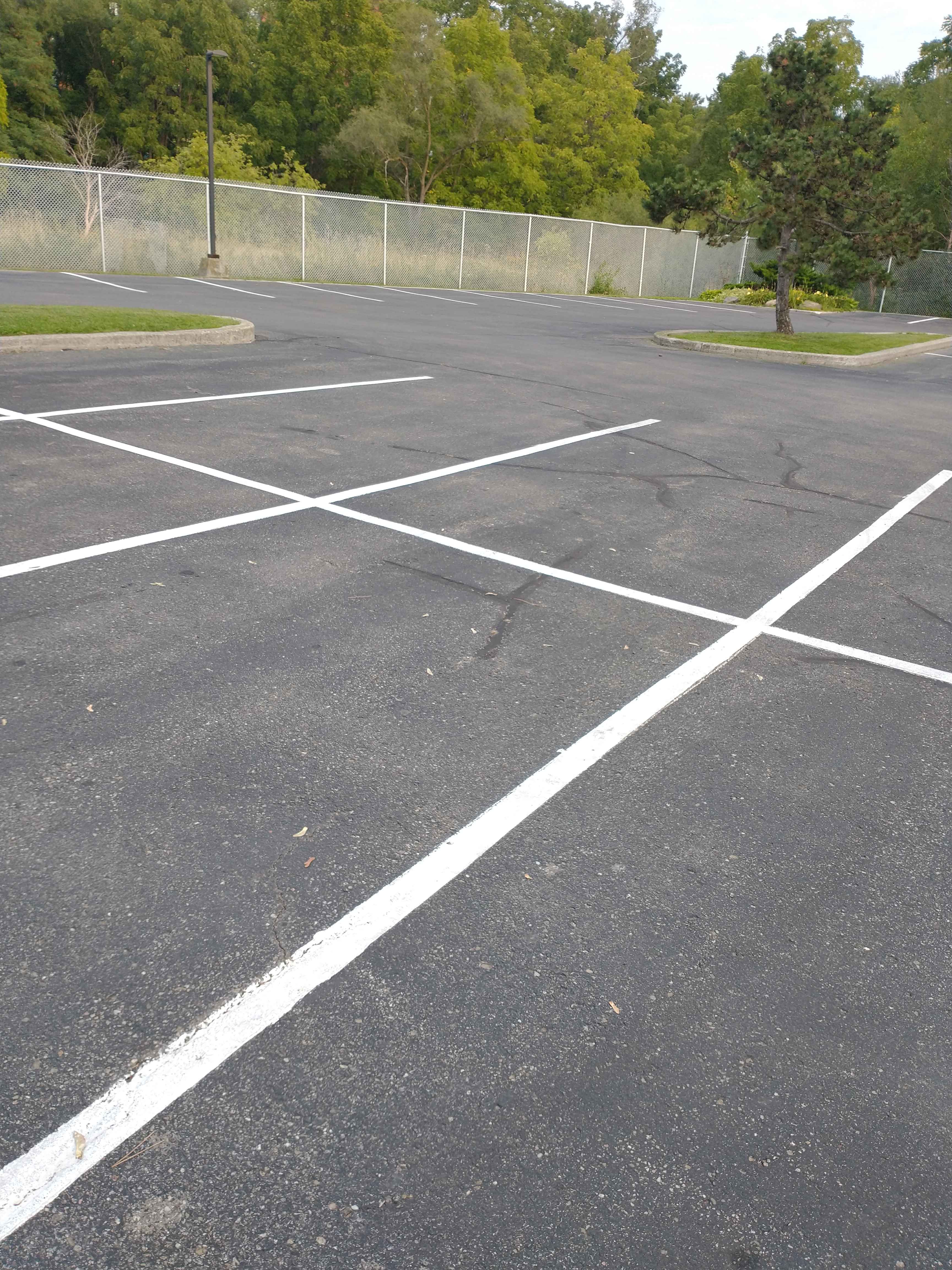
- Hairline Cracks: Thin, single lines that suggest the beginning of oxidation.
- Alligator Cracking: A pattern of interconnected cracks that look like reptile skin, indicating base failure.
- Depressions: Areas where the pavement feels soft or uneven, suggesting sub-base erosion.
- Edge Cracking: Cracks appearing along the perimeter of the lot, often caused by poor drainage.
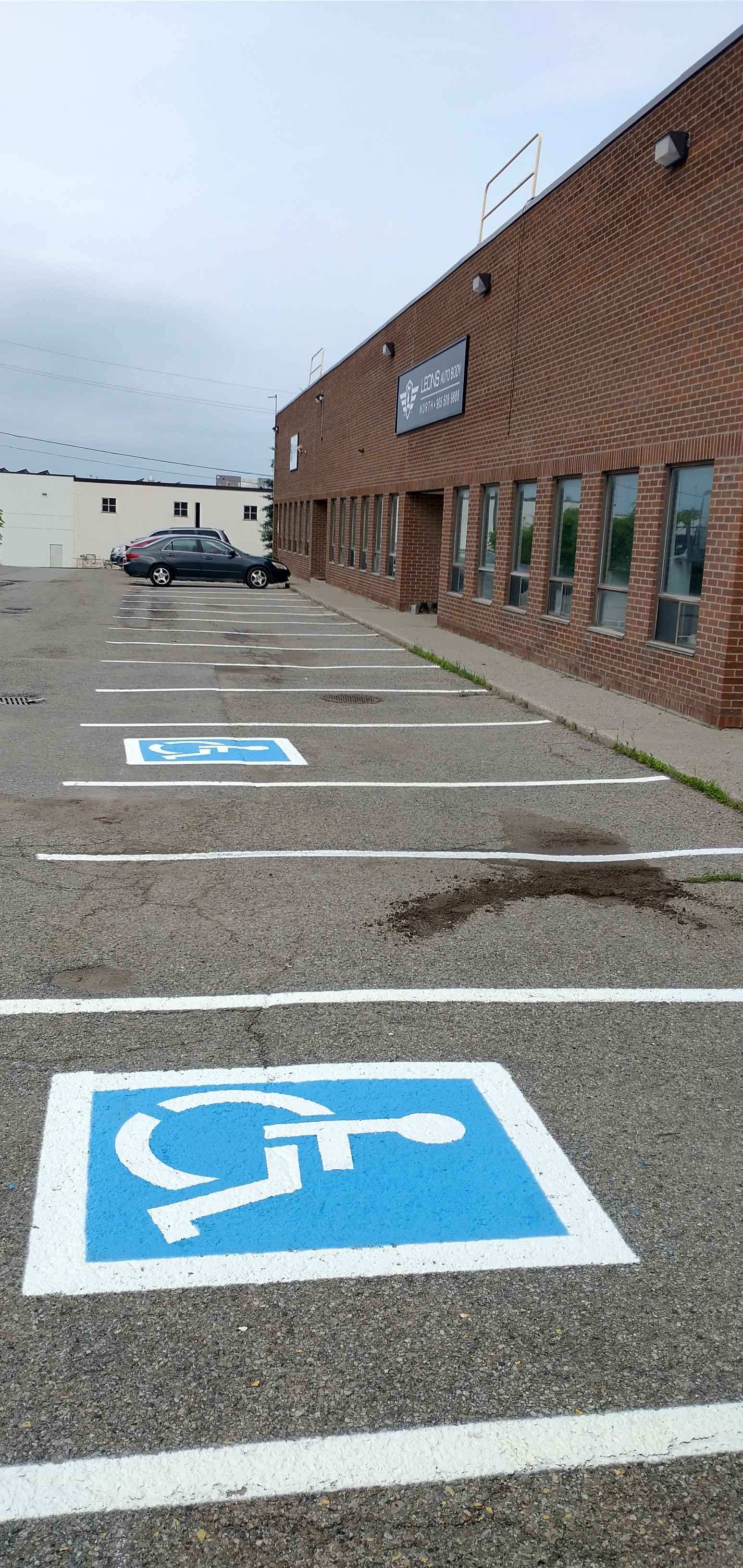
- Faded Markings: While not a structural crack, faded Line Marking often coincides with surface wear and can hide growing cracks.
Proactive Maintenance vs. Reactive Replacement
The difference between maintaining a parking lot and replacing one is staggering. By investing in preventative measures, you extend the life of your asset by years. This includes crack sealing, sealcoating, and ensuring your Line Painting is clearly visible to direct traffic away from damaged areas.
For businesses in Markham, maintaining a professional-looking lot is essential for curb appeal and liability reduction. A lot filled with potholes isn't just an eyesore; it is a legal liability. Capital Parking Lot Line Painting specializes in identifying these vulnerabilities before they become expensive headaches.
The Importance of Visibility and Organization
As the asphalt surface degrades, the visual elements of your lot become even more critical. Clear Line Marking helps guide vehicles through safe paths, preventing unnecessary stress on certain sections of the pavement. When cracks begin to appear, well-maintained lines can actually help direct traffic flow to minimize the load on the most damaged sections while you wait for professional repairs.
Don't wait for the damage to spread.